CNC Machining Outsourcing Services
CNC Machining Outsourcing Services play an important role in today’s global manufacturing industry. Many companies choose to outsource CNC (Computer Numerical Control) machining instead of producing parts in their own factory. This approach helps businesses reduce costs, improve quality, and gain access to advanced manufacturing skills without heavy investment in equipment.
This article explains what CNC machining outsourcing is, why companies use it, how to choose a partner, the full process, key benefits, and possible challenges. It is written in simple English to help global readers understand easily.
Introduction to CNC Machining Outsourcing Services
The Concept of CNC Machining Outsourcing
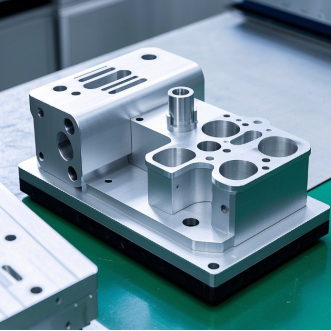
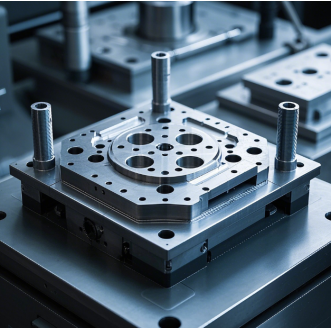
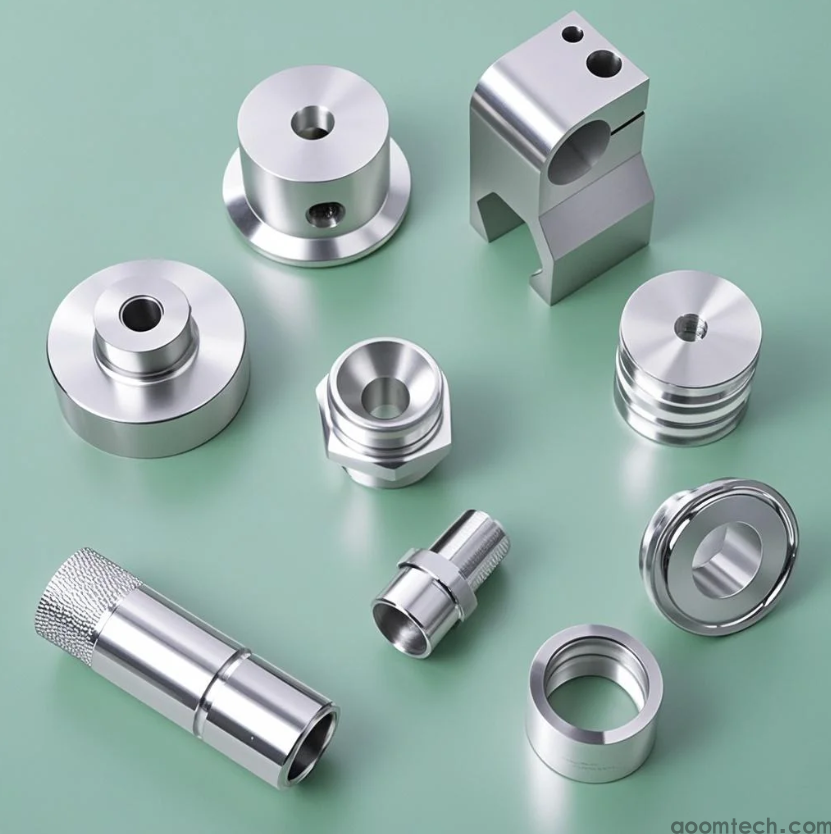
CNC machining outsourcing means hiring an external company to produce machined parts using CNC machines. Instead of investing in machines, tools, and skilled workers, a business sends its design files to a specialized manufacturer.
This practice is common in industries such as automotive, aerospace, medical devices, electronics, and industrial equipment. For example, a small engineering startup may outsource metal parts because it does not have its own machining factory or trained operators.
Reasons for CNC Machining Outsourcing
Cost Savings
One of the main reasons for CNC machining outsourcing is cost reduction. CNC machines, tooling, maintenance, and skilled labor are expensive. Outsourcing removes the need for these investments.
Outsourcing partners often work at a larger scale. They buy raw materials in bulk and operate machines efficiently, which helps reduce the overall cost per part.
Access to Specialized Expertise
Outsourcing companies employ experienced CNC programmers, machinists, and quality inspectors. They are skilled in working with different materials such as aluminum, stainless steel, titanium, and engineering plastics.
This is especially important for complex industries. For example, aerospace parts require very high precision and advanced machining knowledge that not every company has internally.
Flexibility in Production Capacity
Outsourcing provides flexible production. Companies can increase or decrease order volumes based on demand. This avoids the problem of underused machines or lack of capacity during peak seasons.
How to Choose a CNC Machining Outsourcing Partner
Experience and Reputation
When choosing a CNC machining outsourcing partner, experience is very important. A reliable partner should have a proven history of delivering high-quality parts on time.
Customer reviews, case studies, and industry experience help evaluate reliability. A company experienced in automotive parts, for example, will better understand strict tolerance requirements.
Quality Control Measures
Strong quality control is essential. Look for suppliers with certifications such as ISO 9001, which shows they follow international quality standards.
Good partners use advanced inspection tools like Coordinate Measuring Machines (CMM), calipers, and surface testing equipment to ensure precision.
Range of Services and Capabilities
A good outsourcing partner should offer multiple machining services such as milling, turning, drilling, and EDM (Electrical Discharge Machining).
They should also be able to handle different production volumes, from prototypes to mass production.
Communication and Customer Service
Clear communication is essential for successful cooperation. A good partner provides updates, responds quickly, and solves problems efficiently.
The CNC Machining Outsourcing Process
Request for Quote (RFQ)
The process usually starts with a Request for Quote (RFQ). The customer sends technical drawings, material requirements, quantity, and delivery schedule to the supplier.
Negotiation and Contract
After receiving quotations, both sides discuss price, lead time, quality requirements, and payment terms. Once agreed, a contract is signed to protect both parties.
Part Design and Engineering Support
Some suppliers offer engineering support. They review designs and suggest improvements to make parts easier and cheaper to manufacture.
Production and Quality Control
Once approved, production begins. The manufacturer follows strict machining instructions and performs quality checks during and after production.
Delivery and After-Sales Support
The finished parts are delivered according to schedule. Some suppliers also provide after-sales support, such as replacement of defective parts or technical assistance.
Benefits of CNC Machining Outsourcing
Focus on Core Business
One of the key benefits of CNC machining outsourcing is that companies can focus on their main business activities such as product design, marketing, and innovation instead of manufacturing operations.
Reduced Lead Times
Experienced outsourcing partners can produce parts faster due to optimized workflows and advanced machinery. This helps companies meet tight deadlines and speed up product development.
Improved Quality and Consistency
Professional CNC manufacturers follow strict quality systems, which often results in better consistency compared to in-house production for small companies.
Potential Challenges of CNC Machining Outsourcing and How to Overcome Them
Quality Assurance Issues
Quality differences can occur if standards are not clearly defined. To solve this, companies should set detailed technical requirements and request regular inspection reports.
Intellectual Property Protection
Sharing design files can create risks. To reduce this risk, companies should sign confidentiality agreements (NDA) and work with trusted suppliers who have secure data systems.
Communication Barriers
Working with overseas suppliers may cause communication problems. Using clear documentation, project management tools, and regular meetings can help avoid misunderstandings.
Conclusion: Making Informed Decisions about CNC Machining Outsourcing Services
CNC machining outsourcing is a practical solution for companies that want to reduce costs, improve efficiency, and access professional manufacturing capabilities. Understanding the process and carefully selecting a partner can lead to long-term success.
Before choosing a supplier, businesses should evaluate experience, quality systems, communication ability, and production capacity. Regular performance reviews also help maintain high standards.
By understanding the full picture of CNC Machining Outsourcing Services, companies can make better decisions and build strong manufacturing partnerships that support growth and innovation.
RELATED PRODUCTS
-
Medical Brass CNC Machining Parts
-
Precision CNC Machining PEEK Services
-
Precision Custom CNC Machined Car Parts
-
cnc machining optical housings
-
Precision CNC Casting Machining Services
-
Precision Gear CNC Machining Services
-
Precision Stainless Steel Parts CNC Mach
-
CNC Machining of Precision Aluminum Tube
-
CNC Machining of Large Precision Aluminu
-
CNC Machining & Manufacturing of Pre