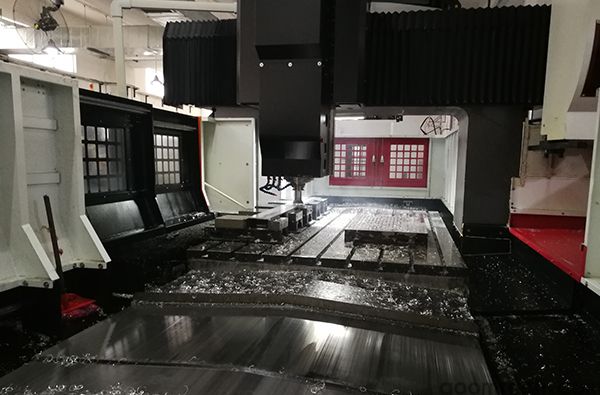
CNC Machining partion Services
Introduction to CNC Machining Partition Services
Definition and Significance of CNC Machining Partition Services
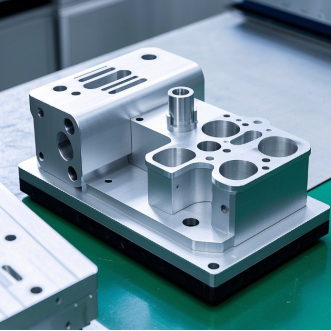
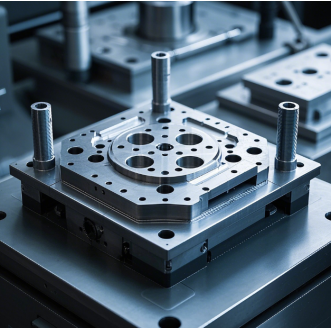
CNC Machining Partition Services refer to the professional manufacturing process of creating partitions using Computer Numerical Control (CNC) machines. In this context, a “partition” means a component that divides or separates space. These partitions can be found in office furniture systems, industrial machine enclosures, electronic cabinets, architectural interiors, and more.
CNC machining allows manufacturers to produce partitions with high accuracy based on digital designs. This ensures that every cut, hole, and edge follows exact specifications. For example, in office cubicles, CNC-machined partitions provide privacy and structure. In industrial environments, they help separate machinery zones for safety and efficiency.
Because of its accuracy and flexibility, CNC machining has become a key technology in modern partition production.
Importance of CNC Machining for Partitions
Precision and Consistency
One of the biggest advantages of CNC Machining Partition Services is precision. CNC machines follow programmed instructions, which means every partition can be produced with the same dimensions and quality.
This is especially important in modular systems where multiple panels must fit together perfectly. Even a small error can cause misalignment, instability, or installation problems. CNC machining eliminates these risks by ensuring consistency across every unit.
Customization
CNC technology also supports full customization. Designers can create unique shapes, patterns, and functional features without being limited by traditional manufacturing methods.
For example, a decorative office partition may include engraved patterns or brand logos. An industrial partition may require custom ventilation holes or cable routing channels. With CNC machining, these designs can be accurately produced from digital files.
This flexibility makes CNC machining ideal for both functional and aesthetic applications.
Efficiency in Production
Once a design is programmed, CNC machines can produce multiple partitions quickly and consistently. This improves production efficiency, especially for large projects such as office buildings, factories, or commercial installations.
As a result, CNC machining helps reduce lead times and overall production costs while maintaining high quality standards.
CNC Machining Processes for Partitions
Milling
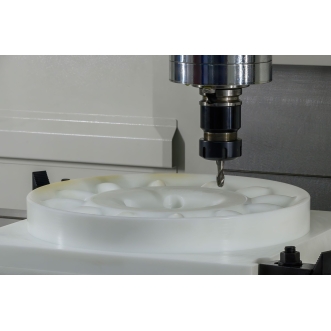
CNC milling for partition machining is one of the most common processes used in manufacturing partitions. In milling, rotating cutting tools remove material from a solid block to create the desired shape.
Milling is used to create features such as grooves, slots, holes, decorative patterns, and edges. The process is highly flexible and suitable for complex designs.
Tool selection is important. Hard materials like metal require stronger cutting tools, while wood and plastics need tools that reduce chipping and melting. Cutting speed and feed rate must also be adjusted based on material type and design complexity.
Drilling
Drilling is used to create precise holes in partitions. These holes may be needed for screws, fasteners, cable management, or ventilation.
Accuracy is critical. Even a small deviation in hole placement can affect assembly or structural stability. CNC machines ensure exact positioning and consistent hole sizes across all parts.
For example, in modular office systems, drilled holes allow partitions to connect securely. In machine enclosures, they support wiring and airflow systems.
Cutting and Shaping
CNC cutting and shaping processes define the overall outline of the partition. Machines follow programmed paths to cut materials into straight, curved, or complex geometric shapes.
This process is often used in the final stage of production. It ensures that each partition matches the required dimensions and design layout precisely.
Materials Used in CNC Machining Partition Services
Wood
Wood is widely used in partitions due to its natural appearance and versatility. It can be easily shaped and finished using CNC machines.
Common types include oak, pine, and plywood. Oak is strong and durable, making it suitable for high-traffic areas. Pine is more affordable and easy to machine, while plywood offers stability and cost-effectiveness.
Wood partitions are often used in office interiors, residential spaces, and decorative applications where aesthetics are important.
Metal
Metals such as aluminum, steel, and stainless steel are also common in CNC Machining Partition Services.
Aluminum: Lightweight, corrosion-resistant, and easy to machine. Ideal for modern office systems and electronic enclosures.
Steel: Strong and cost-effective. Suitable for industrial environments requiring durability.
Stainless steel: Highly resistant to corrosion and wear. Often used in medical, food processing, and clean environments.
Metal partitions require careful machining because of their hardness and heat resistance, but they offer excellent strength and long service life.
Plastic
Plastics such as acrylic, PVC, and polycarbonate are widely used in modern partition designs.
Acrylic offers a clear, glass-like appearance, making it popular in office dividers. PVC is lightweight and cost-effective, while polycarbonate provides high impact resistance.
Plastic materials are easy to machine and allow for creative designs, colors, and transparent finishes. They are commonly used in lightweight and modern interior applications.
Choosing a CNC Machining Partition Service Provider
Technical Expertise
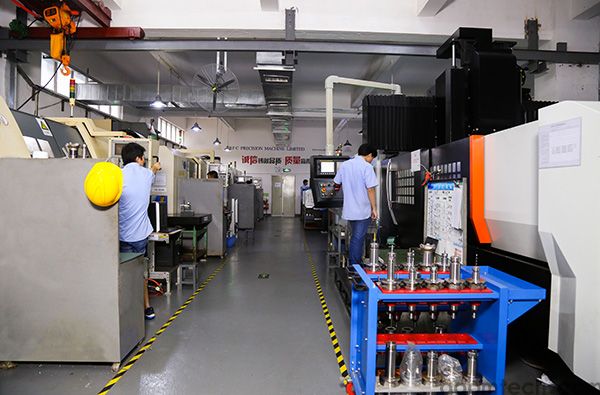
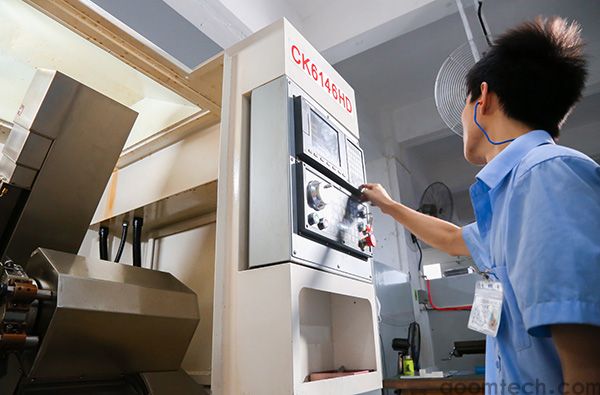
When selecting a provider for choosing a provider for CNC partition machining, technical expertise is essential. A reliable manufacturer should have experience working with different materials and advanced CNC equipment.
Customers should review case studies, sample products, and technical capabilities. Skilled technicians and modern machinery are key indicators of a capable provider.
Quality Assurance
A strong quality assurance system ensures that every partition meets design and performance requirements.
Good providers use inspection tools such as calipers, coordinate measuring machines (CMM), and visual checks during and after production.
They also follow structured processes to handle non-conforming products, ensuring that defective parts are corrected or replaced before delivery.
This is essential for maintaining reliability in large-scale production projects.
Cost-Effectiveness and Lead Times
Cost and delivery time are important factors when selecting a CNC service provider. However, low cost should not come at the expense of quality.
Clients should compare quotes from multiple suppliers and evaluate what is included in the service, such as material sourcing, finishing, and inspection.
Reliable providers should also have proven on-time delivery records. Clear communication about production schedules helps avoid delays and project disruptions.
Conclusion
CNC Machining Partition Services play an important role in modern manufacturing and design. They provide high precision, strong customization options, and efficient production for a wide range of applications.
From office interiors to industrial systems, CNC-machined partitions improve both functionality and appearance. By understanding materials, machining processes, and supplier selection, businesses can make better decisions and achieve higher-quality results.
As industries continue to demand more precision and flexibility, CNC machining will remain a key solution for advanced partition manufacturing.
RELATED PRODUCTS
-
Medical Brass CNC Machining Parts
-
Precision CNC Machining PEEK Services
-
Precision Custom CNC Machined Car Parts
-
cnc machining optical housings
-
Precision CNC Casting Machining Services
-
Precision Gear CNC Machining Services
-
Precision Stainless Steel Parts CNC Mach
-
CNC Machining of Precision Aluminum Tube
-
CNC Machining of Large Precision Aluminu
-
CNC Machining & Manufacturing of Pre