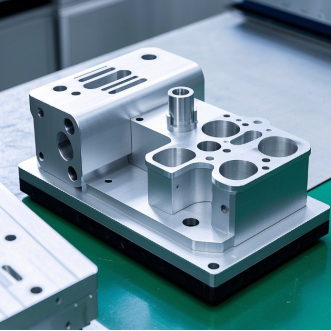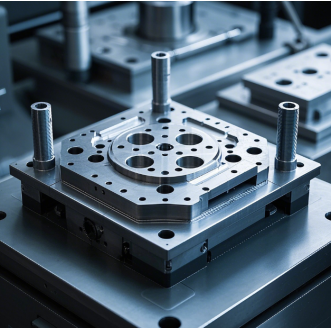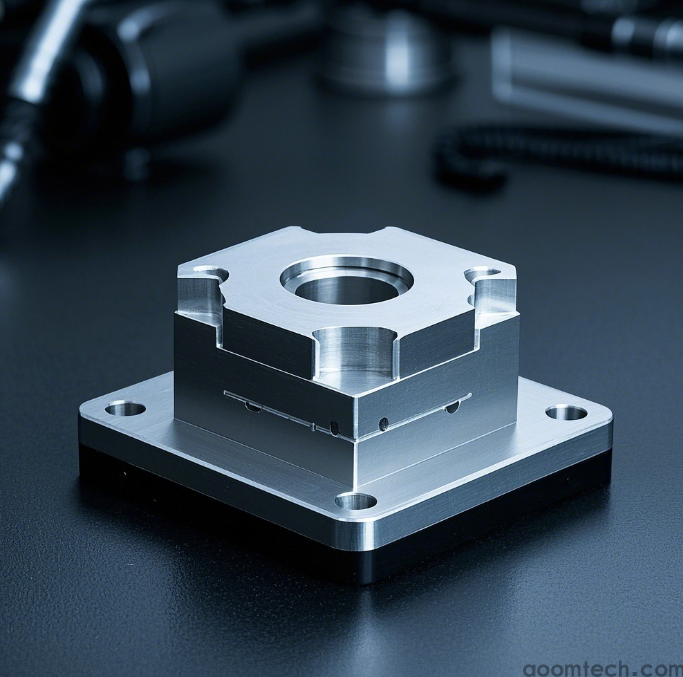
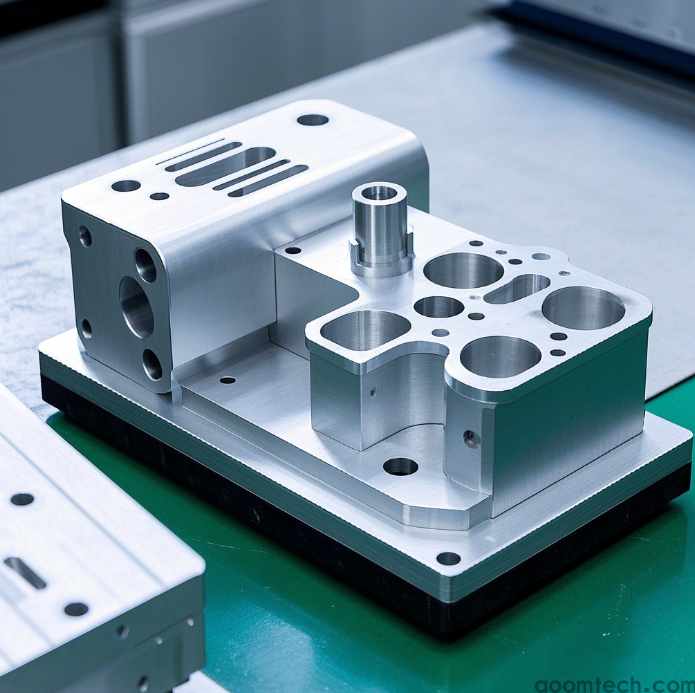
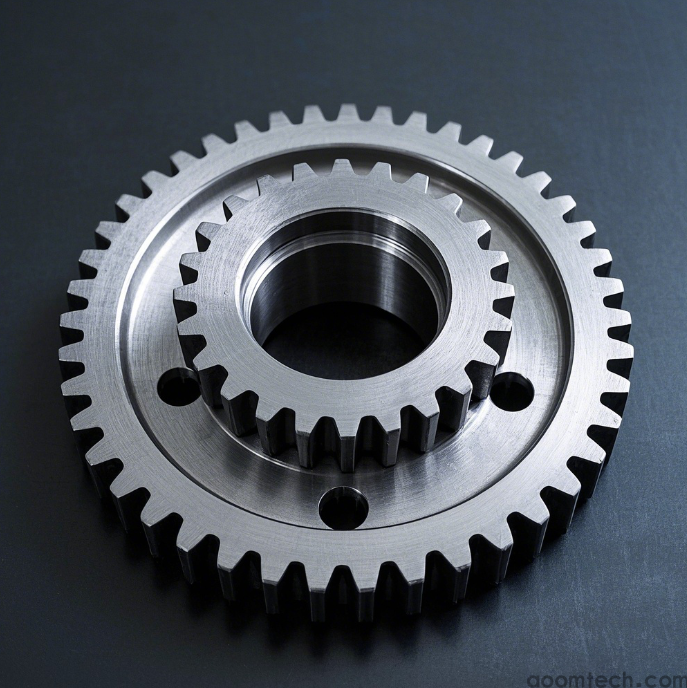
CNC Machining Parts Customization Services
CNC Machining Parts Customization Services play a key role in today’s manufacturing world. Many industries need parts that are not available as standard products. Custom machining solves this problem by creating parts that match exact designs, functions, and dimensions. This article explains what these services are, why they matter, how the processes work, what materials are used, and how to choose the right provider.
Introduction to CNC Machining Parts Customization Services
The Concept of Custom-made Machined Parts
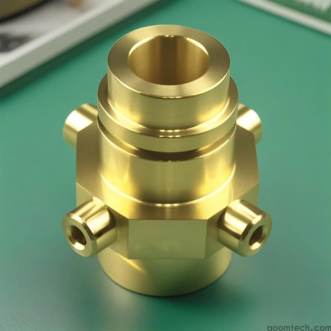
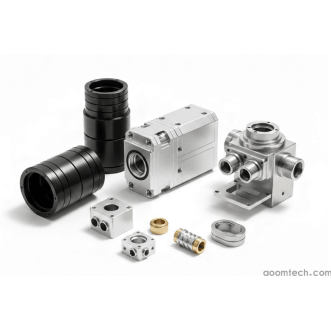
CNC Machining Parts Customization Services are designed to produce parts based on specific customer requirements. In industries such as manufacturing, robotics, aerospace, and medical technology, standard parts are often not enough.
Custom-made parts solve problems such as:
Unique design requirements
Special mechanical functions
Strict dimensional limitations
For example, a robotics company may need a uniquely shaped joint for a robotic arm. In healthcare, a patient may require a custom-designed medical implant that fits their body precisely.
Importance of CNC Machining in Parts Customization
Precision for Unique Designs
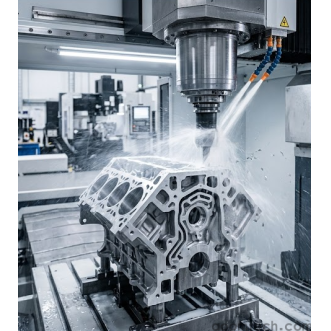
CNC machining enables extremely high precision in manufacturing custom parts. Computer-controlled machines follow digital designs with high accuracy, ensuring every detail matches the engineering drawing.
This precision is essential because even a small error can cause system failure, poor performance, or safety risks in industries such as aerospace or automotive manufacturing.
Design Flexibility
One of the biggest advantages of CNC machining is its flexibility. Engineers can design complex shapes, and CNC machines can produce them without limitations found in traditional manufacturing.
Examples include:
Parts with internal cavities
Complex curved surfaces
Fine mechanical features and threads
This makes CNC machining ideal for innovation-driven industries.
Cost-effectiveness for Small-batch Production
For small production runs, CNC machining is highly cost-effective. Once the program is created, the machine can produce consistent parts repeatedly with minimal manual work.
This is especially useful for:
Prototyping new products
Specialized industrial equipment
Low-volume custom production
CNC Machining Processes for Custom Parts
Milling
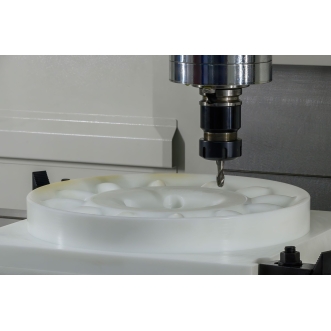
CNC milling for custom parts uses rotating cutting tools to remove material from a workpiece. It is widely used to create flat surfaces, slots, holes, and complex 3D shapes.
Key factors in milling include:
Tool selection based on material type
Spindle speed and feed rate control
Depth of cut adjustments
For example, aluminum requires faster cutting speeds, while steel needs slower, more stable machining conditions.
Turning
Turning is used for cylindrical parts such as shafts and rods. The workpiece rotates while a cutting tool shapes its outer or inner surface.
It is commonly used to create:
Threads
Grooves
Tapered surfaces
High precision is required to ensure perfect concentricity and smooth surface finishing.
Drilling and Boring
Drilling creates holes, while boring enlarges or refines existing holes. These processes are essential for assembly-based parts where accuracy is critical.
Proper tool selection and cooling are important to avoid issues such as tool wear or inaccurate hole positioning.
Materials Used in CNC Machining of Custom Parts
Metals
Metals are widely used in custom machining due to their strength and durability.
Aluminum: Lightweight and easy to machine, ideal for aerospace and automotive parts.
Steel: High strength and durability, used in heavy-duty applications.
Titanium: Excellent strength-to-weight ratio and corrosion resistance, commonly used in medical and aerospace industries.
Plastics
Materials for CNC-machined custom components also include engineering plastics.
Polycarbonate: High impact resistance, used in protective covers
Nylon: Wear-resistant and durable
PEEK: High temperature and chemical resistance
Plastics require careful machining to avoid melting or deformation.
Ceramics and Composites
Ceramics offer hardness and heat resistance, while composites combine multiple material properties such as strength and low weight.
However, they are more difficult to machine and often require specialized tools like diamond-tipped cutters.
Choosing a CNC Machining Service Provider for Custom Parts
Technical Expertise
When selecting a provider for choosing a provider for CNC custom parts machining, technical expertise is essential. A reliable company should understand different materials, machining methods, and complex design requirements.
You can evaluate expertise by:
Reviewing past case studies
Checking engineering qualifications
Inspecting sample products
Quality Assurance
A strong quality control system ensures consistent and accurate production. Professional providers use tools such as CMM (Coordinate Measuring Machines) to inspect parts.
Good quality systems include:
In-process inspections
Final product testing
Strict tolerance verification
This ensures every custom part meets functional and dimensional requirements.
Cost-effectiveness and Lead Times
Cost and delivery time are also important. While cheaper options may exist, quality should never be compromised.
Best practices include:
Comparing multiple supplier quotes
Checking on-time delivery records
Balancing cost with precision and reliability
Conclusion
CNC Machining Parts Customization Services are essential for industries that require precision, flexibility, and high-quality manufacturing solutions. From complex designs to small-batch production, CNC machining provides reliable and efficient results across many materials and applications.
By understanding machining processes, material options, and supplier selection criteria, businesses can make informed decisions and achieve better performance in their final products.
RELATED PRODUCTS
-
Medical Brass CNC Machining Parts
-
Precision CNC Machining PEEK Services
-
Precision Custom CNC Machined Car Parts
-
cnc machining optical housings
-
Precision CNC Casting Machining Services
-
Precision Gear CNC Machining Services
-
Precision Stainless Steel Parts CNC Mach
-
CNC Machining of Precision Aluminum Tube
-
CNC Machining of Large Precision Aluminu
-
CNC Machining & Manufacturing of Pre