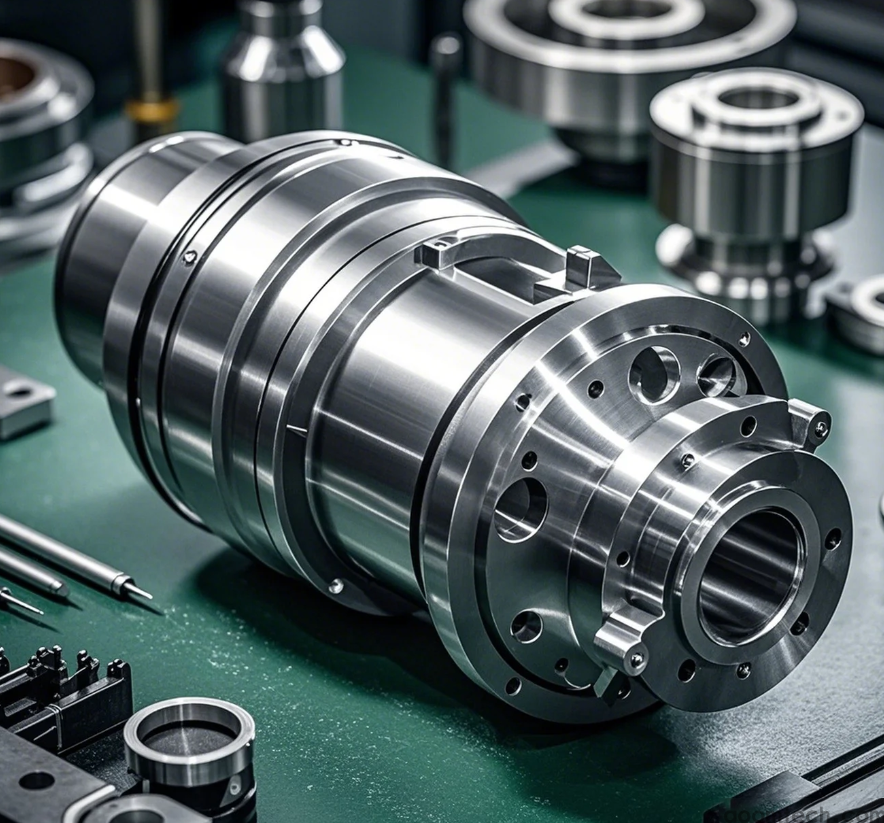
CNC Machining Service for Complex Parts
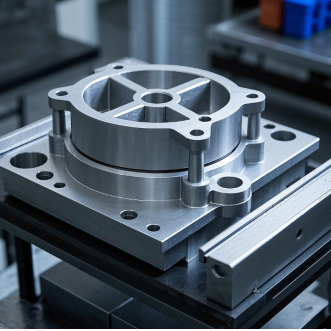
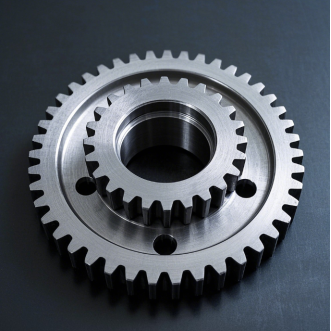
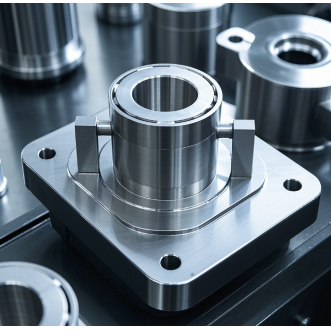
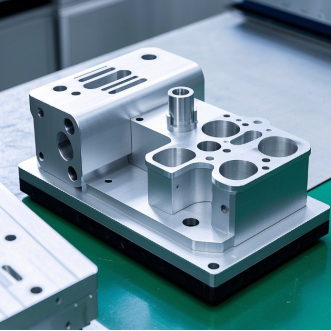
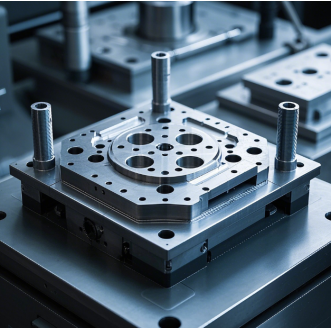
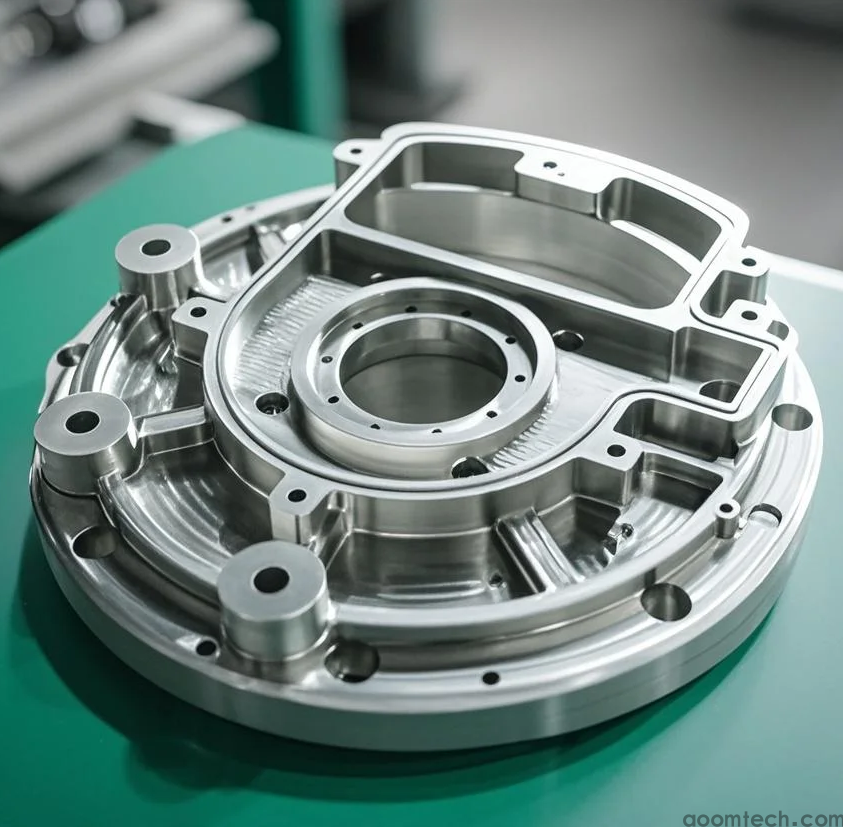
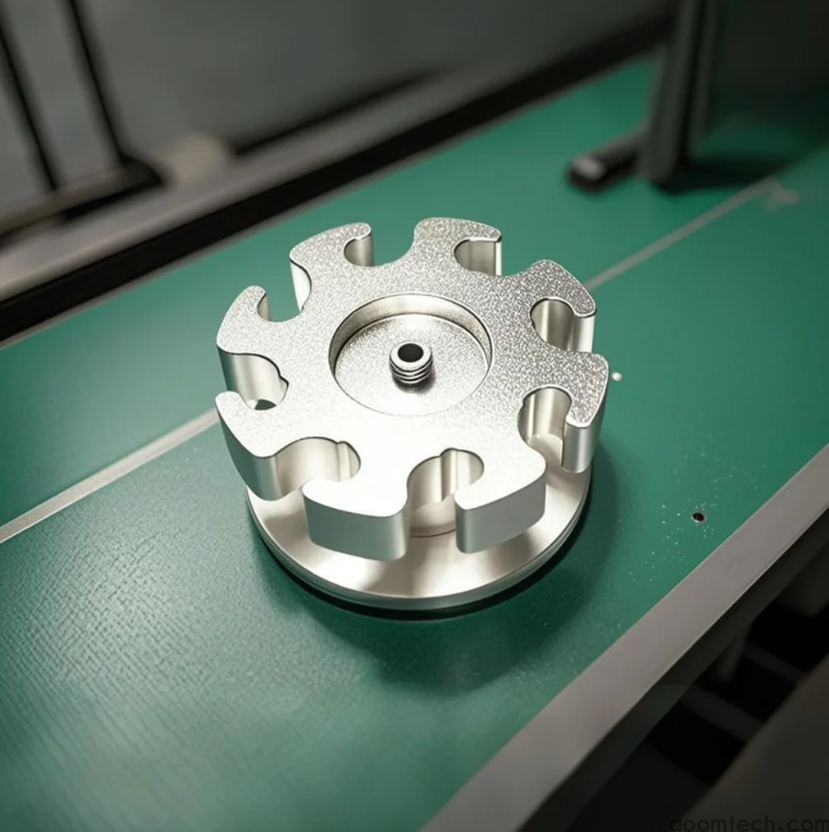
In modern manufacturing, industries such as aerospace, medical, automotive, and electronics depend heavily on highly precise and intricate components. These components are known as complex parts. A CNC Machining Service for Complex Parts plays a critical role in producing these parts with accuracy, repeatability, and efficiency. Without advanced CNC technology, many of today’s high-performance systems would not be possible.
Introduction to CNC Machining Service for Complex Parts
The Significance of Complex Parts
Complex parts are essential building blocks in high-tech industries. They are characterized by intricate shapes, tight tolerances, fine surface details, and sometimes internal geometries that are difficult or impossible to produce using traditional methods.
These parts are widely used in industries such as:
Aerospace – turbine blades, engine components, structural connectors
Medical – surgical instruments, orthopedic implants, dental components
Electronics – micro connectors, heat sinks, precision housings
Because these parts directly affect safety and performance, their manufacturing requires extremely high precision and strict quality control.
Importance of CNC Machining for Complex Parts
Precision Manufacturing
CNC machining enables the production of complex parts with extremely high accuracy. Tolerances can reach sub-millimeter levels and, in some industries, even micron-level precision. Computer-controlled machining ensures every movement of the tool is precise and repeatable.
This level of precision is essential because even small errors can lead to serious consequences. For example, in aerospace engines, an incorrectly machined turbine blade may cause vibration imbalance, reduced efficiency, or even catastrophic failure.
Customization for Unique Designs
One of the biggest advantages of CNC machining is its ability to produce fully customized parts. Many complex components are designed for specific applications or individual requirements.
Examples include:
Custom medical implants shaped according to patient anatomy
Specialized electronic housings with internal cooling channels
Prototype components for advanced machinery development
This flexibility allows engineers to innovate without being limited by standard manufacturing constraints.
Cost-effectiveness for Small-batch Production
For small to medium production runs, CNC machining is highly cost-effective. Once the digital program is created, the machine can produce identical parts repeatedly with minimal setup time.
This reduces labor costs, material waste, and production delays. It is especially useful during prototyping and product development, where design changes are frequent.
CNC Machining Processes for Complex Parts
Milling
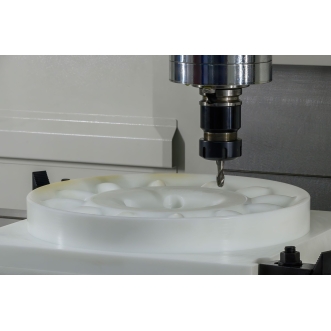
CNC milling for complex parts is one of the most commonly used processes. It uses a rotating cutting tool to remove material from a solid block and create detailed shapes such as pockets, slots, curves, and 3D surfaces.
Key factors in milling include:
Tool selection based on material hardness
Spindle speed and feed rate optimization
Depth of cut control for precision finishing
Milling is widely used for aerospace components, electronic housings, and mechanical structures that require complex geometries.
Turning
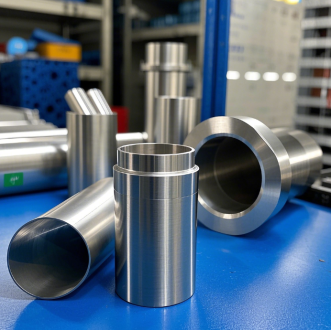
Turning is used mainly for cylindrical parts such as shafts, bushings, and threaded components. In this process, the workpiece rotates while the cutting tool removes material.
Precision is critical in turning operations, especially for ensuring concentricity and smooth surface finish. It is commonly used in motors, automotive systems, and industrial machinery.
EDM (Electrical Discharge Machining)
EDM is a specialized process used for extremely hard materials or highly detailed geometries. It removes material using controlled electrical discharges instead of mechanical cutting.
There are two main types:
Wire EDM – used for cutting precise 2D and 3D shapes
Die-sinking EDM – used for creating complex cavities and molds
EDM is commonly used in mold manufacturing, aerospace parts, and hardened steel components.
Materials Used in CNC Machining of Complex Parts
Metals
Metals are the most common materials used in complex part manufacturing due to their strength and durability.
Steel – strong and wear-resistant, ideal for heavy-duty applications
Aluminum – lightweight and corrosion-resistant, widely used in aerospace and electronics
Titanium – high strength-to-weight ratio and excellent corrosion resistance, used in medical and aerospace industries
Each metal requires specific machining parameters due to differences in hardness, thermal conductivity, and cutting behavior.
Ceramics and Composites
Ceramics and composite materials are used in specialized applications where traditional metals are not suitable.
Ceramics offer high hardness and heat resistance but are brittle
Composites such as carbon fiber reinforced polymers offer high strength with low weight
Machining these materials requires advanced tools such as diamond-coated cutters and carefully controlled cutting speeds to prevent damage.
Challenges in CNC Machining of Complex Parts
Tool Wear and Breakage
Complex geometries and hard materials can cause rapid tool wear. Small cutting tools are especially vulnerable to breakage.
Solutions include:
Using carbide or diamond-coated tools
Real-time tool wear monitoring systems
Optimized toolpath programming to reduce stress
Heat Generation
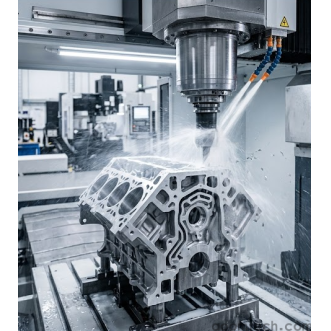
High-speed machining generates heat, which can affect both tool life and part accuracy. Excess heat may lead to thermal deformation.
To control heat:
Use effective coolant systems
Optimize cutting speed and feed rate
Select tools designed for heat resistance
Surface Finish and Dimensional Accuracy
Maintaining smooth surface finishes and tight tolerances is critical for complex parts. Poor surface quality can affect functionality, especially in medical or optical applications.
Common solutions include precision tooling, multi-stage finishing, and post-processing techniques such as polishing and grinding.
Choosing a CNC Machining Service Provider for Complex Parts
Technical Expertise
When selecting a provider, technical knowledge is essential. A reliable supplier should understand material behavior, advanced machining strategies, and complex design requirements.
It is recommended to evaluate their experience through case studies, sample parts, and industry certifications.
Quality Assurance Systems
A strong quality control system ensures that every part meets required specifications. Professional providers use advanced inspection tools such as:
Coordinate Measuring Machines (CMM)
Surface profilometers
Hardness testing equipment
In-process inspections help detect errors early and reduce production waste.
Cost-effectiveness and Lead Times
While cost is important, it should be balanced with quality and reliability. A professional provider should offer transparent pricing and realistic delivery timelines.
To evaluate providers effectively:
Compare multiple quotations
Review past delivery performance
Assess communication and engineering support
Conclusion
A professional CNC Machining Service for Complex Parts is essential for modern industries that demand precision, reliability, and innovation. From aerospace engines to medical implants, complex components require advanced machining technologies and expert engineering support.
By understanding the processes, materials, and challenges involved, businesses can make informed decisions when selecting a manufacturing partner. Whether you need materials for CNC-machined complex components or are focused on choosing a provider for CNC complex part machining, the right CNC partner ensures performance, safety, and long-term product success.
RELATED PRODUCTS
-
Medical Brass CNC Machining Parts
-
Precision CNC Machining PEEK Services
-
Precision Custom CNC Machined Car Parts
-
cnc machining optical housings
-
Precision CNC Casting Machining Services
-
Precision Gear CNC Machining Services
-
Precision Stainless Steel Parts CNC Mach
-
CNC Machining of Precision Aluminum Tube
-
CNC Machining of Large Precision Aluminu
-
CNC Machining & Manufacturing of Pre