CNC Machining Service for Motor Parts
Introduction to CNC Machining Service for Motor Parts
CNC Machining Service for Motor Parts refers to the precision manufacturing process used to produce essential components for electric and mechanical motors. These motors are widely used in household appliances, electric vehicles, industrial machines, robotics, and many other systems. Because motors must operate efficiently, reliably, and safely, every component inside them must be manufactured with high accuracy.
Motor parts such as rotors, stators, shafts, and housings all work together to convert electrical energy into mechanical motion. For example, the rotor rotates to generate mechanical energy, while the stator creates a magnetic field that drives this movement. Even small errors in these parts can affect the entire motor’s performance.
The Significance of Motor Parts
Motor parts are the heart of modern mechanical and electrical systems. Without them, machines cannot function properly. These parts must handle continuous motion, heat, vibration, and load stress.
Rotors: Convert electromagnetic energy into rotational motion.
Stators: Generate magnetic fields to drive the rotor.
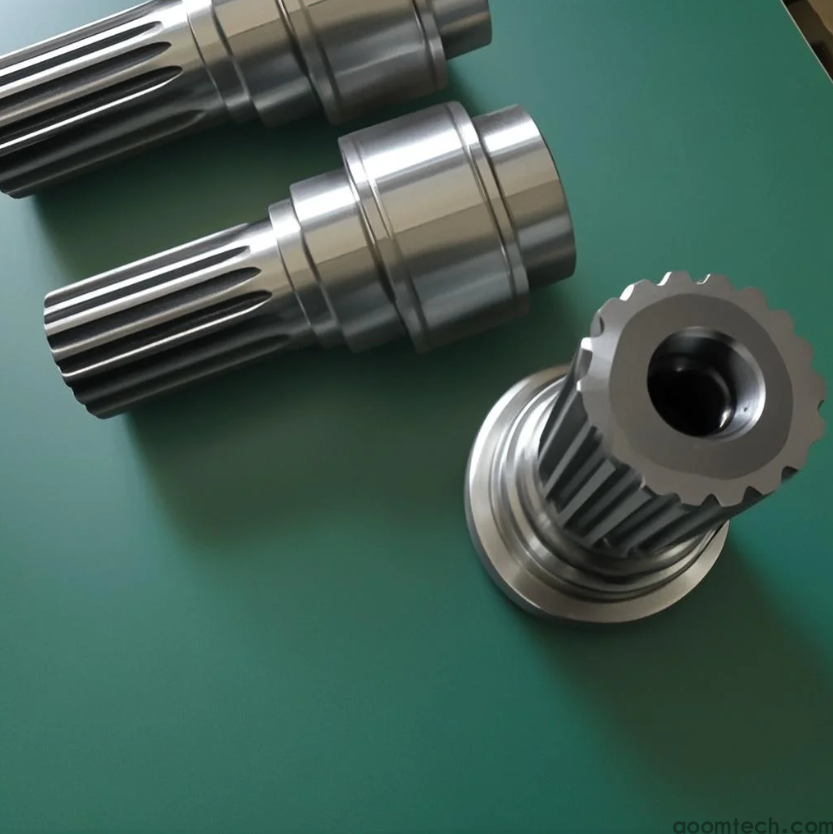
Shafts: Transfer mechanical power to external systems.
Housings: Protect internal components and support alignment.
Because these components directly affect motor performance, manufacturers rely on CNC machining to achieve consistent quality and precision.
Importance of CNC Machining for Motor Parts
Precision Manufacturing
CNC machining enables extremely high precision when producing motor components. Many motor parts require tight tolerances to ensure proper alignment, smooth rotation, and efficient energy transfer.
For example, in high-speed electric motors, even a small deviation in shaft dimensions can cause vibration, noise, and long-term damage. Precision CNC machining ensures that every part meets exact specifications, improving motor efficiency and lifespan.
Complex Geometries and Customization
Modern motors often require complex designs that cannot be achieved through traditional machining methods. CNC technology allows manufacturers to create intricate shapes and customized features.
Examples include:
Stators with optimized winding slots for better magnetic performance
Rotors with internal cooling channels to reduce heat buildup
Lightweight housings designed for compact motor systems
These advanced designs improve motor efficiency, heat management, and overall performance.
Cost-Effectiveness for Batch Production
Once a CNC program is created, it can be used to produce large quantities of identical motor parts. This makes CNC machining highly cost-effective for batch production.
Manufacturers benefit from reduced setup time, optimized material usage, and consistent quality across all parts. For example, producing thousands of motor shafts for industrial motors becomes more efficient and economical through CNC machining.
CNC Machining Processes for Motor Parts
Milling
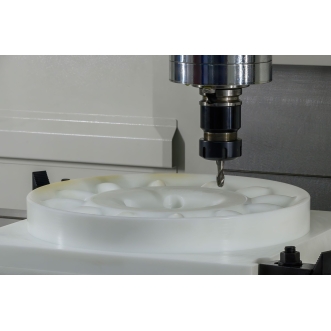
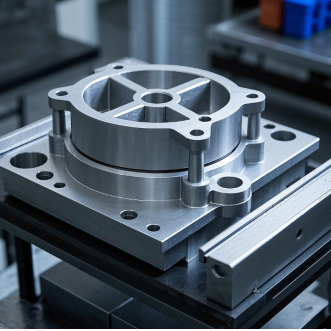
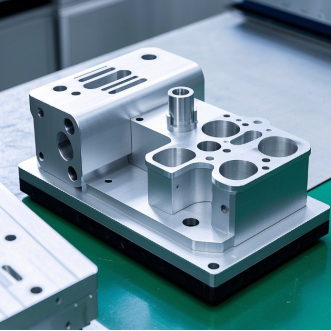
CNC milling for motor parts involves removing material using a rotating cutting tool. It is commonly used to create flat surfaces, grooves, mounting slots, and complex 3D shapes.
Key considerations include selecting the correct cutting tool and adjusting parameters such as spindle speed, feed rate, and cutting depth based on material type. Aluminum requires different settings than steel due to differences in hardness and heat resistance.
Turning
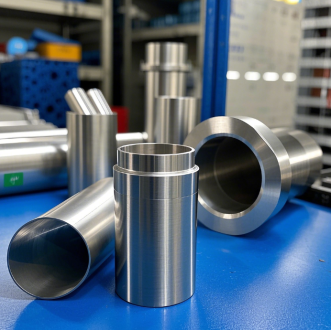
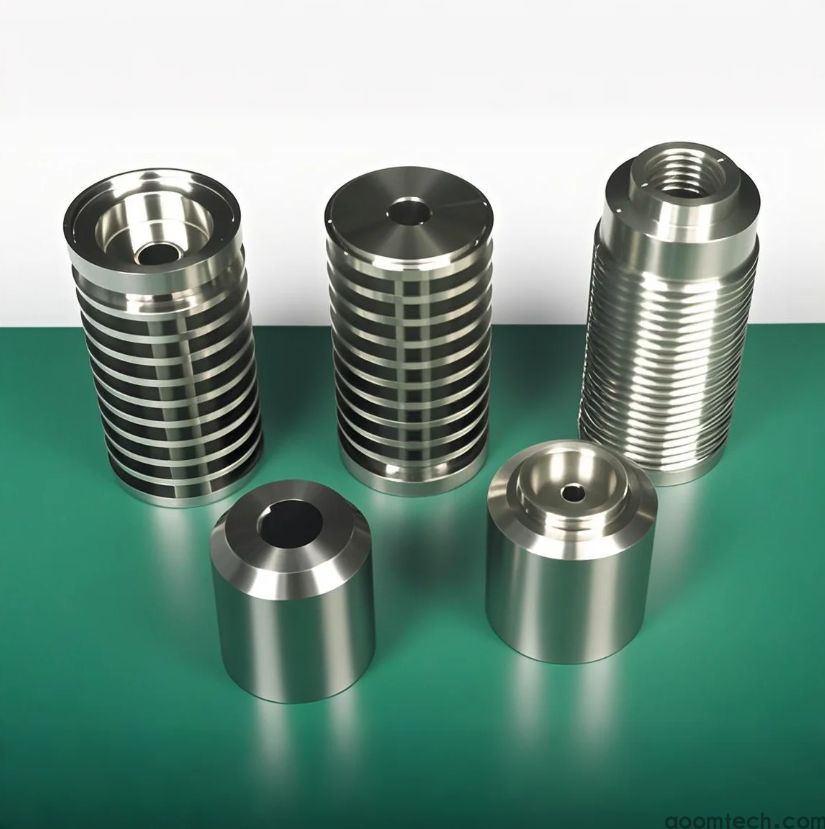
Turning is used to manufacture cylindrical components such as shafts and bushings. The workpiece rotates while a cutting tool shapes it into precise dimensions.
Achieving high concentricity and smooth surface finish is essential. Proper coolant usage and tool maintenance help prevent issues such as overheating, chip buildup, and tool wear.
Drilling and Boring
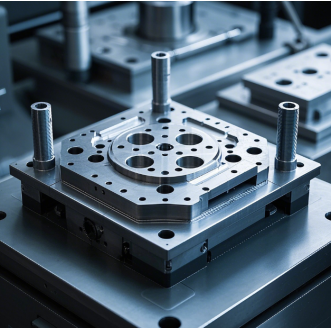
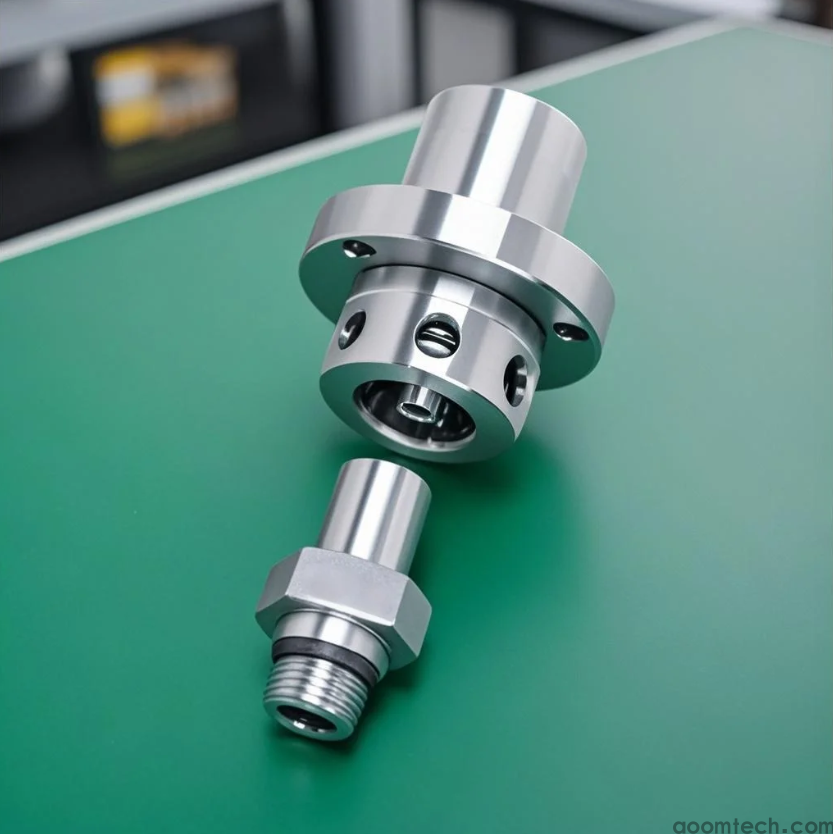
Drilling creates holes in motor parts for assembly, mounting, or ventilation. Boring is used to refine and enlarge these holes to achieve precise dimensions.
Accurate hole placement is critical for proper motor assembly. Even small deviations can cause misalignment, leading to performance issues or mechanical failure.
Materials Used in CNC Machining of Motor Parts
Metals
Different metals are selected based on performance requirements:
Steel: Used for shafts, structural parts, and housings due to its strength and durability.
Aluminum: Lightweight and thermally conductive, ideal for rotors and enclosures.
Copper: Excellent electrical conductivity, commonly used in motor windings.
Each material presents unique machining challenges. Steel requires strong cutting tools, while aluminum demands careful control to achieve a smooth surface finish.
Magnetic Materials
Materials such as iron, ferrite, and rare-earth magnets are essential for generating magnetic fields in motors. These materials can be brittle or difficult to machine, requiring specialized tools and careful handling.
Challenges in CNC Machining of Motor Parts
Work Hardening and Tool Wear
Some materials, especially steel, become harder during machining. This increases tool wear and reduces cutting efficiency. Using sharp tools, proper cutting fluids, and optimized parameters helps reduce these effects.
Heat Generation
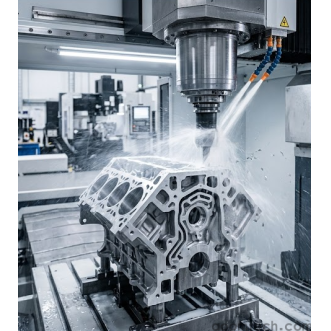
High-speed machining generates heat, which can affect both the tool and the workpiece. Excessive heat may cause dimensional changes or surface damage. Effective cooling systems and proper machining strategies help control temperature.
Surface Finish and Dimensional Accuracy
Motor parts require smooth surfaces and precise dimensions. Poor surface quality can increase friction and reduce efficiency. Post-processing techniques such as polishing and grinding are often used to improve final quality.
Choosing a CNC Machining Service Provider for Motor Parts
Technical Expertise
When selecting a provider, it is important to evaluate their experience in manufacturing motor components. A skilled provider should understand material behavior, machining techniques, and motor design requirements.
Reviewing past projects and sample parts can help assess their technical capability.
Quality Assurance
A reliable CNC machining provider should have strict quality control systems. This includes the use of advanced inspection tools such as CMM (Coordinate Measuring Machines), hardness testers, and surface measurement equipment.
Strong quality control ensures every part meets required standards for performance and durability.
Cost-Effectiveness and Lead Times
Cost is important, but it should be balanced with quality and reliability. Comparing multiple providers helps identify the best value.
Additionally, consistent on-time delivery is essential for maintaining production schedules in industries that depend on motors.
Conclusion
A professional CNC Machining Service for Motor Parts plays a critical role in modern manufacturing. It ensures high precision, supports complex designs, and enables efficient batch production of essential motor components.
Understanding materials for CNC-machined motor components, machining processes, and production challenges helps manufacturers choose better solutions. By working with an experienced provider and focusing on quality, companies can improve motor performance, reliability, and long-term efficiency.
RELATED PRODUCTS
-
Medical Brass CNC Machining Parts
-
Precision CNC Machining PEEK Services
-
Precision Custom CNC Machined Car Parts
-
cnc machining optical housings
-
Precision CNC Casting Machining Services
-
Precision Gear CNC Machining Services
-
Precision Stainless Steel Parts CNC Mach
-
CNC Machining of Precision Aluminum Tube
-
CNC Machining of Large Precision Aluminu
-
CNC Machining & Manufacturing of Pre