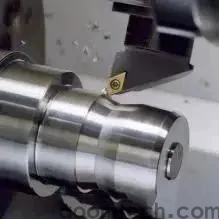
CNC Machining Service for Precision Metal Parts
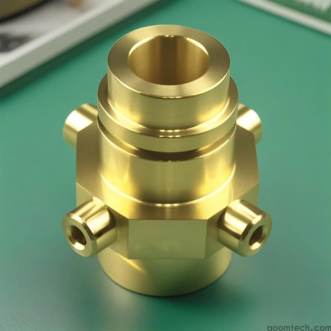
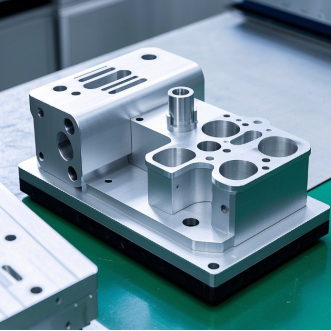
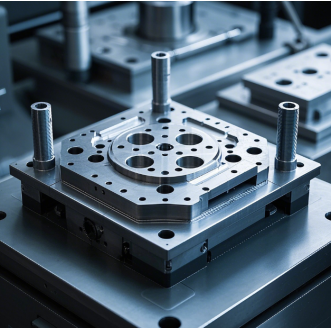
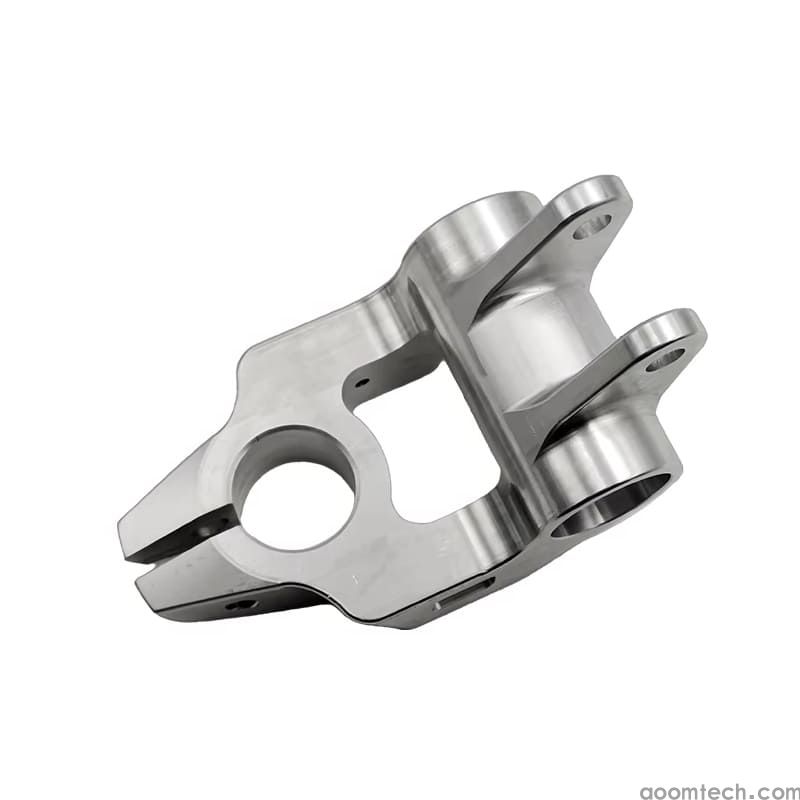
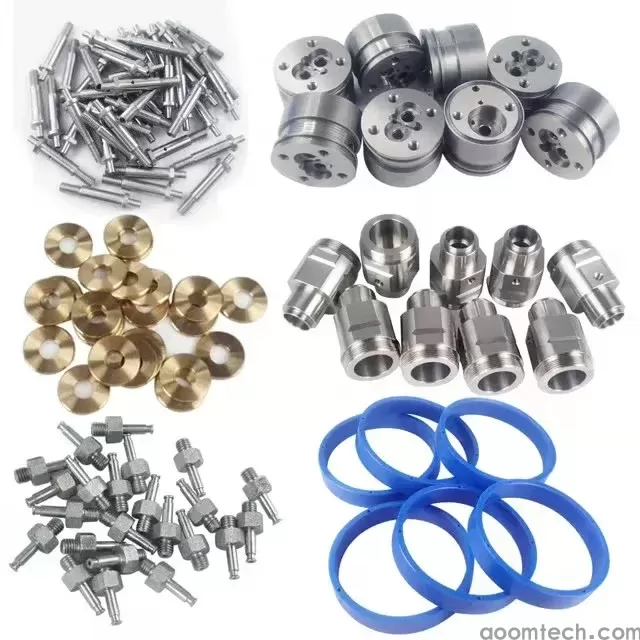
A CNC Machining Service for Precision Metal Parts is a modern manufacturing solution used to produce highly accurate and reliable metal components for critical industries. CNC (Computer Numerical Control) machines follow digital instructions to cut, shape, and finish metal materials with extreme precision. These services are essential for industries that require consistent quality, tight tolerances, and complex designs.
This article explains what CNC machining is, why it is important, the main processes involved, the types of metals used, common challenges, and how to choose the right service provider.
Introduction to CNC Machining Service for Precision Metal Parts
The Significance of Precision Metal Parts
Precision metal parts are the foundation of many advanced industries such as aerospace, automotive, medical, and electronics. These parts are not simple components; they are essential elements that ensure machines and systems work safely and efficiently.
For example:
Turbine blades in aerospace engines must withstand extreme temperatures and pressure.
Engine pistons in automotive systems must move smoothly under high stress.
Orthopedic implants in medical applications must be biocompatible and extremely accurate.
Electronic connectors must ensure stable electrical performance in compact spaces.
Without precision manufacturing, these components could fail, leading to system breakdowns or even safety risks.
Importance of CNC Machining for Precision Metal Parts
High-precision Manufacturing
CNC machining enables the production of precision metal parts with extremely tight tolerances, sometimes within microns. This level of accuracy ensures that each component fits perfectly into complex systems.
In industries like aerospace, even a small deviation can lead to serious consequences. For example, a slightly misaligned engine component can cause vibration, reduce efficiency, or damage the entire system. CNC technology eliminates these risks by ensuring consistent and repeatable accuracy.
Complex Geometries and Customization
One major advantage of CNC machining is its ability to create complex shapes and custom designs. Many modern applications require parts that cannot be produced using traditional methods.
Examples include:
Internal cooling channels inside automotive engine parts for better heat control
Custom mold inserts with fine surface details for electronics manufacturing
Lightweight structural components with optimized internal geometry for aerospace systems
This flexibility makes CNC machining ideal for both prototyping and full-scale production of specialized components.
Cost-effectiveness for Batch Production
Once a CNC program is created, it can be reused to produce large quantities of identical parts. This significantly reduces production costs per unit.
Factors that improve cost efficiency include reduced setup time, optimized tool paths, and minimal material waste. For example, producing thousands of metal fasteners for construction projects becomes far more economical with CNC machining compared to manual methods.
CNC Machining Processes for Precision Metal Parts
Milling
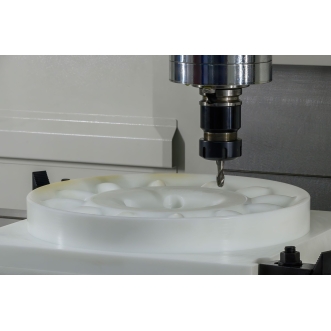
CNC milling uses a rotating cutting tool to remove material from a metal workpiece. It can create flat surfaces, holes, grooves, and complex 3D shapes.
Key considerations include tool selection, spindle speed, feed rate, and depth of cut. Hard metals like alloy steel require slower speeds and stronger carbide-coated tools, while aluminum allows faster cutting speeds.
Proper parameter control ensures accuracy and extends tool life, especially in CNC milling for precision metal parts.
Turning
Turning is used to produce cylindrical parts such as shafts, bushings, and piston rods. In this process, the workpiece rotates while a cutting tool removes material.
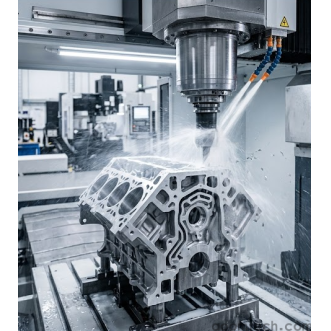
Precision in concentricity and surface finish is critical. Engineers must carefully control chip formation, tool wear, and vibration. Coolant systems and chip-breaking techniques help maintain stability during machining.
For example, a steel axle used in automotive systems must be perfectly smooth to ensure safe and efficient rotation.
Drilling and Boring
Drilling creates holes in metal parts, while boring is used to enlarge or refine existing holes for higher accuracy.
These processes are essential for parts that require assembly or mechanical fitting. Precision is crucial because even small errors in hole alignment can affect product performance.
Specialized tools such as cobalt drills are often used for hard metals to reduce breakage and improve durability during machining.
Types of Metals Used in CNC Machining of Precision Metal Parts
Steel
Steel is widely used due to its strength, durability, and affordability. Different types of steel serve different purposes:
Carbon steel: General-purpose applications
Alloy steel: High-strength and specialized performance parts
Stainless steel: Corrosion-resistant applications such as medical and food industries
Steel can be challenging to machine due to its hardness, but it provides excellent structural reliability.
Aluminum
Aluminum is lightweight, corrosion-resistant, and has good thermal conductivity. It is widely used in aerospace, automotive, and electronics industries.
However, aluminum can be soft and sticky during machining, leading to chip control issues. To solve this, manufacturers use sharp tools, high-quality coolant, and optimized cutting speeds.
Titanium
Titanium is known for its high strength-to-weight ratio and excellent corrosion resistance. It is widely used in aerospace, medical implants, and high-performance automotive parts.
However, titanium is difficult to machine because it generates heat and wears tools quickly. Special cutting strategies and advanced tooling are required to achieve high-quality results.
This makes titanium one of the most demanding types of metals in precision CNC machining.
Challenges in CNC Machining of Precision Metal Parts
Work-hardening
Some metals become harder during machining, a process known as work-hardening. This increases tool wear and makes further cutting more difficult.
Solutions include using sharp tools, proper cutting fluids, and optimized machining speeds to reduce surface hardening effects.
Tool Wear
High-strength metals can quickly wear out cutting tools, reducing accuracy and increasing production costs.
To manage this, manufacturers use carbide or diamond-coated tools, monitor tool condition regularly, and replace tools at the right time.
Heat Generation
Excessive heat during machining can affect both the tool and the workpiece, leading to dimensional errors.
Cooling systems, reduced cutting depth, and heat-resistant tools are commonly used to control temperature and maintain precision.
Choosing a CNC Machining Service Provider for Precision Metal Parts
Technical Expertise
A reliable provider must have strong technical knowledge in machining different metals and producing complex components. Experience with similar projects is a strong indicator of capability.
Customers should review case studies, inspect sample parts, and evaluate the engineering team’s qualifications before making a decision.
Quality Assurance
A strong quality control system is essential for precision manufacturing. Leading providers use advanced inspection tools such as Coordinate Measuring Machines (CMM), hardness testers, and surface profilometers.
Quality assurance typically includes in-process inspections and final checks to ensure every part meets strict design requirements. Defective parts should be identified and corrected immediately.
Cost-effectiveness and Lead Times
While cost is important, it should not compromise quality. A good supplier offers balanced pricing, reliable delivery schedules, and consistent performance.
When evaluating providers, it is helpful to compare quotes, review past delivery records, and assess their production capacity. This is especially important when selecting a partner for choosing a provider for CNC precision metal part machining.
Conclusion
A CNC Machining Service for Precision Metal Parts plays a vital role in modern manufacturing. It enables industries to produce accurate, durable, and complex components that power critical systems in aerospace, automotive, medical, and electronics fields.
By understanding machining processes, material properties, challenges, and supplier selection criteria, businesses can make better decisions and ensure long-term product reliability. Whether for prototypes or mass production, CNC machining remains one of the most important technologies in precision engineering today.
RELATED PRODUCTS
-
Medical Brass CNC Machining Parts
-
Precision CNC Machining PEEK Services
-
Precision Custom CNC Machined Car Parts
-
cnc machining optical housings
-
Precision CNC Casting Machining Services
-
Precision Gear CNC Machining Services
-
Precision Stainless Steel Parts CNC Mach
-
CNC Machining of Precision Aluminum Tube
-
CNC Machining of Large Precision Aluminu
-
CNC Machining & Manufacturing of Pre