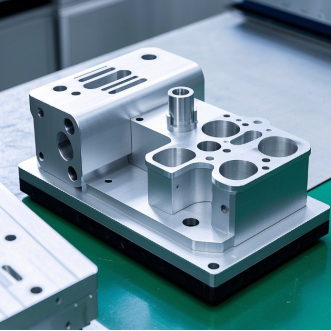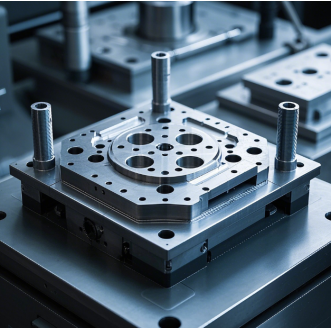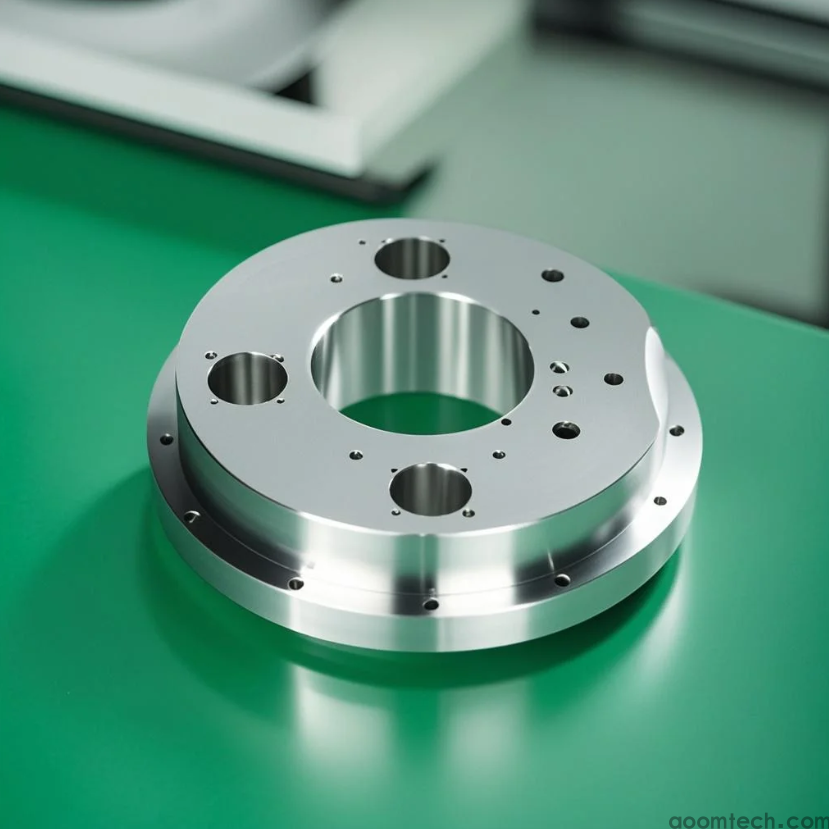
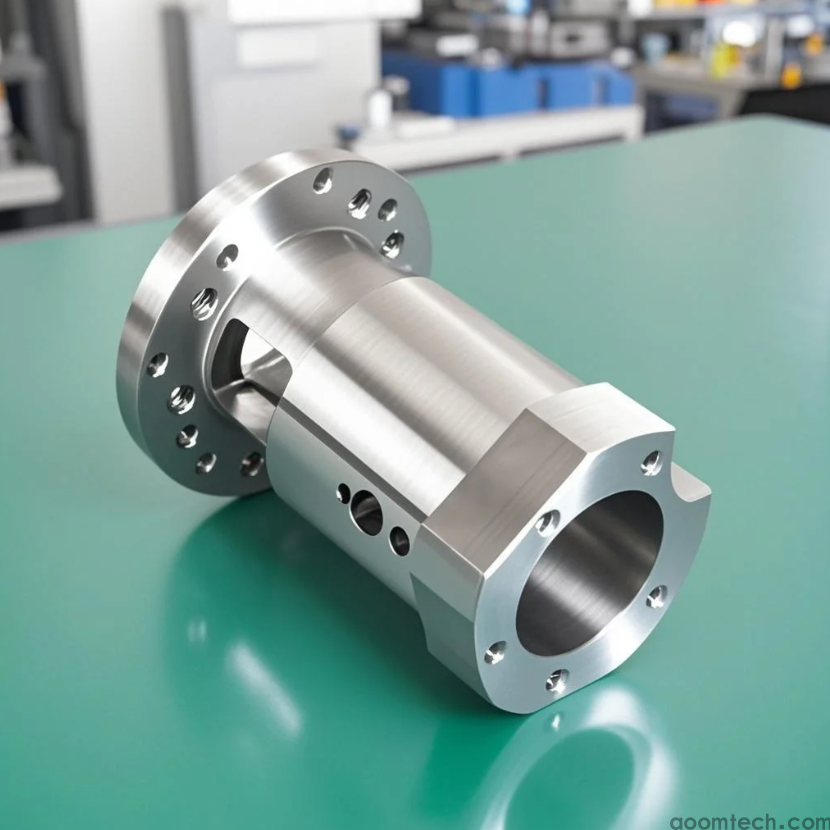
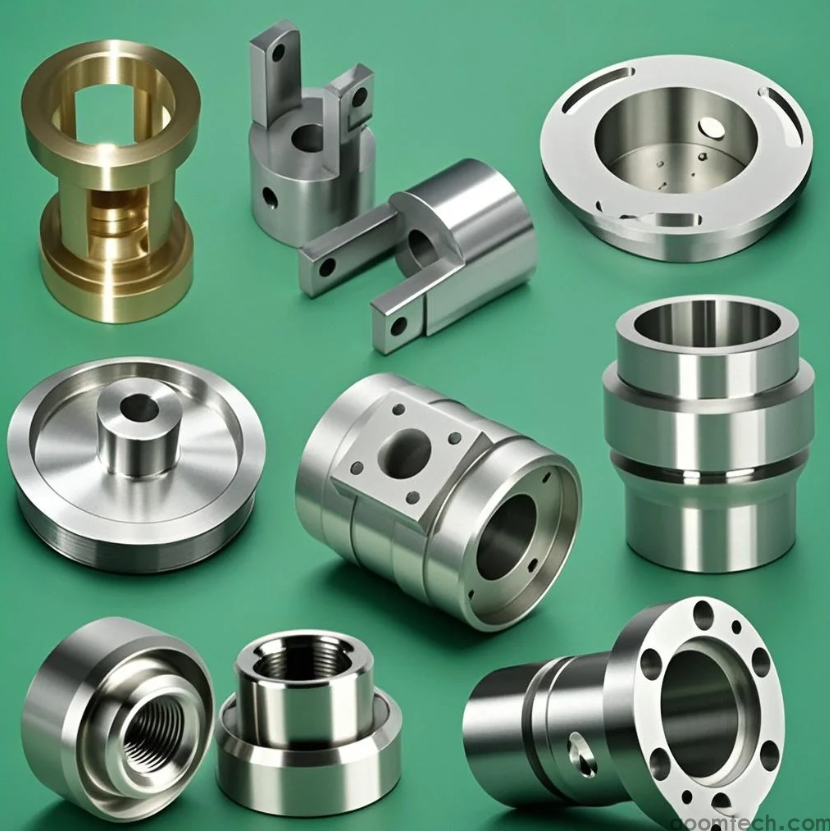
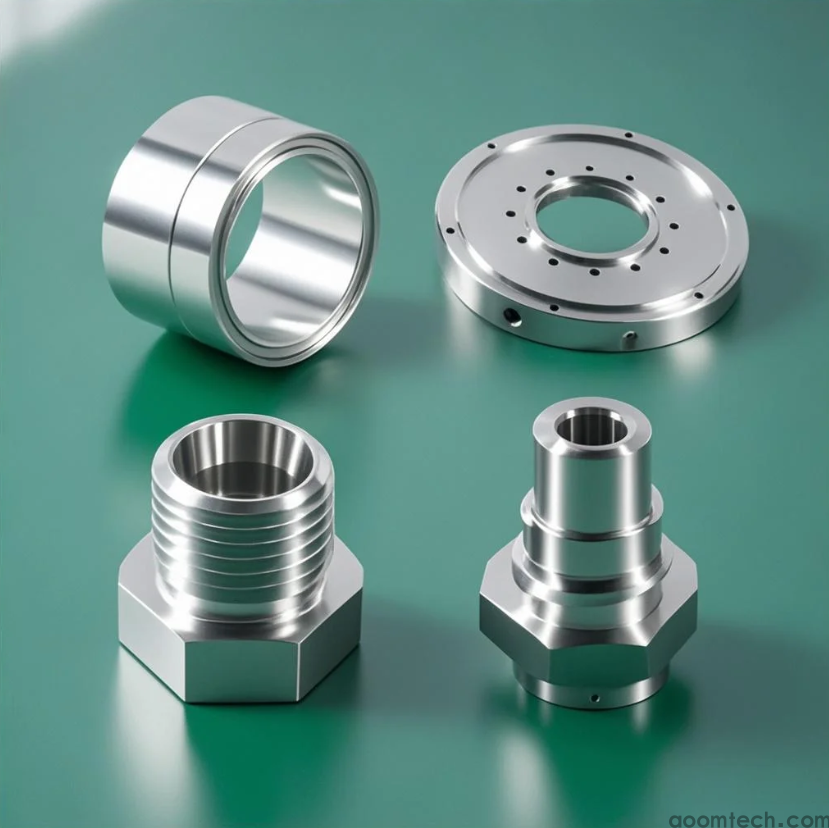
CNC Machining Service for Stainless Steel Parts
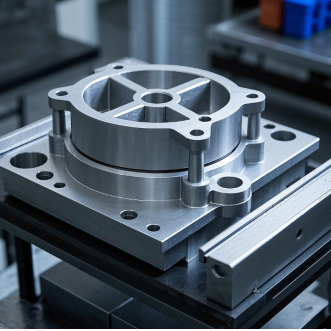
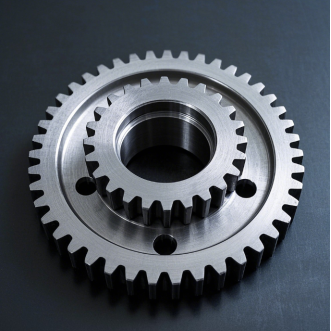
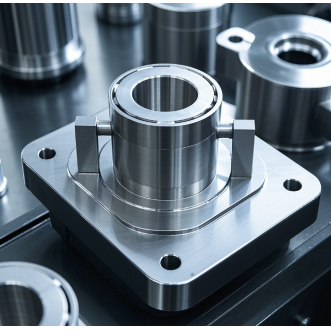
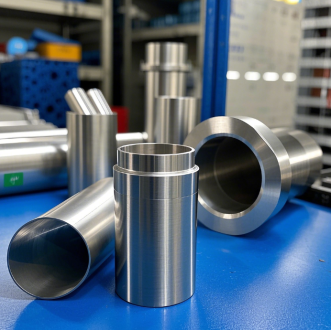
A CNC Machining Service for Stainless Steel Parts is a manufacturing process that uses computer-controlled machines to produce highly precise components made from stainless steel. These parts are widely used in many industries because stainless steel is strong, corrosion-resistant, and long-lasting. CNC (Computer Numerical Control) technology allows manufacturers to produce complex shapes with high accuracy and consistent quality.
Introduction to CNC Machining Service for Stainless Steel Parts
The Significance of Stainless Steel Parts
Stainless steel parts are used in many industries such as food processing, medical equipment, construction, automotive, and chemical processing. This is because stainless steel has excellent properties including corrosion resistance, durability, and hygiene safety.
For example, in the food industry, stainless steel pipes and containers help prevent contamination. In the medical field, surgical instruments and implants are made from stainless steel because they are safe, strong, and easy to sterilize. In construction, stainless steel fasteners and structural parts provide long-term stability.
Why CNC Machining Matters
CNC machining plays an important role in producing these parts with high precision and consistency. It ensures that every part meets strict design requirements and functions correctly in complex systems.
Importance of CNC Machining for Stainless Steel Parts
Precision Manufacturing
CNC machines can produce stainless steel parts with extremely tight tolerances. This precision is important for applications where even a small error can affect performance.
For example, in automotive heat exchangers, stainless steel components must be precisely shaped to ensure efficient heat transfer and prevent leakage. Without accurate machining, system performance may decrease significantly.
Customization for Diverse Applications
CNC machining allows manufacturers to create customized stainless steel parts based on specific requirements. Each industry may need different shapes, sizes, or surface finishes.
For instance, a construction project may require a specially shaped stainless steel bracket, while a chemical plant may need a custom filter housing designed for corrosive environments.
Cost-Effectiveness for Batch Production
Once the CNC program is created, the same stainless steel parts can be produced repeatedly with consistent quality. This makes batch production more cost-effective.
Lower setup time, efficient tool usage, and reduced waste help reduce overall production costs. This is especially useful for mass production of fasteners, fittings, and industrial components.
CNC Machining Processes for Stainless Steel Parts
Milling
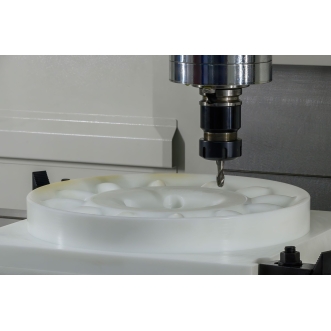
Milling uses a rotating cutting tool to remove material from stainless steel workpieces. It can create flat surfaces, grooves, and complex 3D shapes.
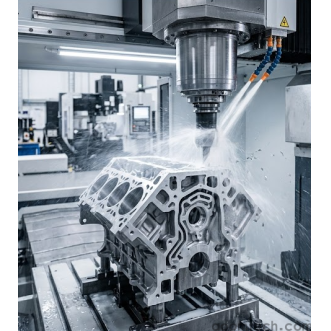
CNC milling for stainless steel parts requires careful selection of tools and cutting parameters. Stainless steel tends to harden during machining, so sharp tools, proper cooling, and controlled cutting speed are essential.
Turning
Turning is used to produce cylindrical parts such as shafts, bushings, and threaded components. The workpiece rotates while the cutting tool shapes it.
To achieve smooth surface finishes and accurate dimensions, proper coolant use and chip control are necessary. Stainless steel can produce long chips, so chip-breaking techniques are important.
Drilling and Boring
Drilling creates holes in stainless steel parts, while boring enlarges or refines existing holes. These processes require accuracy, especially for parts that must fit into assemblies.
Cobalt drills or carbide tools are often used to handle the hardness of stainless steel and reduce tool breakage.
Types of Stainless Steel Used in CNC Machining
Austenitic Stainless Steel
This is the most commonly used type. It offers excellent corrosion resistance and good flexibility. It is widely used in food processing and medical industries.
However, it tends to work-harden during machining, so sharp tools and proper cutting fluids are necessary.
Ferritic Stainless Steel
Ferritic stainless steel is more affordable and provides moderate corrosion resistance. It is often used in automotive exhaust systems and architectural applications.
It is less ductile than austenitic steel, so machining parameters must be adjusted carefully.
Martensitic Stainless Steel
This type offers high strength and hardness. It is commonly used in knives, surgical tools, and wear-resistant components.
Machining martensitic stainless steel can be challenging due to its hardness, often requiring heat treatment and specialized cutting tools.
Understanding types of stainless steel in CNC machining helps select the right material for each application.
Challenges in CNC Machining of Stainless Steel Parts
Work-Hardening
Stainless steel becomes harder when it is cut, which increases machining difficulty. This can lead to tool wear and reduced efficiency.
Solutions include using sharp tools, optimized cutting speeds, and proper lubrication.
Tool Wear
The strength of stainless steel causes faster tool wear compared to softer materials. Carbide-coated tools are often used to improve tool life.
Regular tool inspection is important to maintain precision.
Heat Generation
Stainless steel has low thermal conductivity, which means heat builds up during machining. This can affect tool life and part accuracy.
Using coolant systems and reducing cutting depth can help control heat.
Choosing a CNC Machining Service Provider for Stainless Steel Parts
Technical Expertise
A reliable provider should have strong experience in stainless steel machining. They should understand different materials, machining methods, and technical challenges.
Checking case studies and sample parts is a good way to evaluate expertise.
Quality Assurance
High-quality providers use advanced measuring tools such as micrometers, calipers, and surface testers to ensure accuracy.
A strong inspection system ensures that every part meets required standards for performance and durability.
Cost-Effectiveness and Lead Time
While cost is important, quality should not be compromised. Comparing multiple suppliers helps find a balanced solution.
A professional provider should also offer reliable delivery schedules and consistent production timelines.
Choosing a provider for CNC stainless steel parts machining requires careful evaluation of experience, quality control, and production efficiency.
Conclusion
A CNC Machining Service for Stainless Steel Parts is essential for producing strong, precise, and reliable components used across many industries. With advanced CNC technology, manufacturers can achieve high accuracy, customization, and efficient batch production.
By understanding machining processes, material types, and production challenges, businesses can make better decisions when selecting a manufacturing partner and ensure long-term product quality and performance.
RELATED PRODUCTS
-
Medical Brass CNC Machining Parts
-
Precision CNC Machining PEEK Services
-
Precision Custom CNC Machined Car Parts
-
cnc machining optical housings
-
Precision CNC Casting Machining Services
-
Precision Gear CNC Machining Services
-
Precision Stainless Steel Parts CNC Mach
-
CNC Machining of Precision Aluminum Tube
-
CNC Machining of Large Precision Aluminu
-
CNC Machining & Manufacturing of Pre