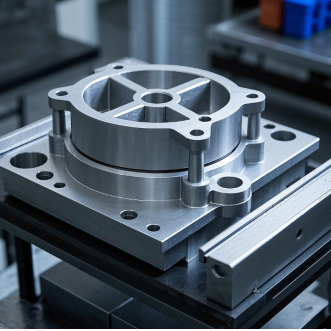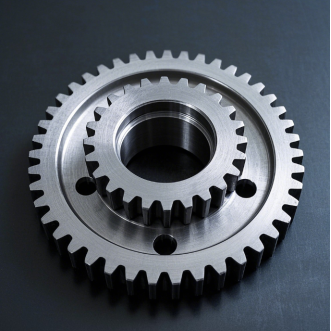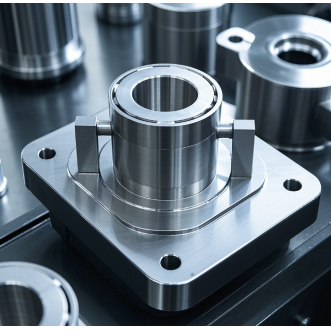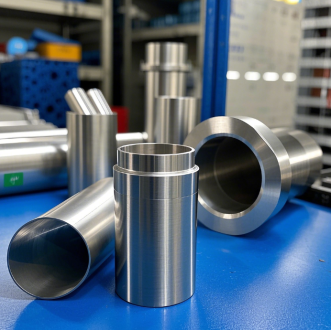
CNC Machining Service for Stainless Steel Valves
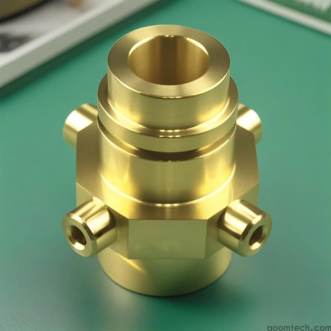
The CNC Machining Service for Stainless Steel Valves plays an important role in modern industrial manufacturing. Stainless steel valves are widely used to control the flow of liquids, gases, and steam in many industries. These include oil and gas, chemical processing, water treatment, food and beverage, and marine systems. Because these systems often work under high pressure, high temperature, or corrosive environments, valves must be strong, precise, and reliable.
This is where CNC (Computer Numerical Control) machining becomes essential. It allows manufacturers to produce high-precision stainless steel valves with consistent quality, complex shapes, and tight tolerances.
The Significance of Stainless Steel Valves
Stainless steel valves are critical components in flow control systems. They help start, stop, or regulate the movement of fluids in pipelines.
Ball valves are commonly used for quick on/off control in pipelines.
Gate valves are used to fully open or close fluid flow, often in water treatment systems.
Butterfly valves are used for large pipe systems where compact design and fast operation are needed.
Because stainless steel is corrosion-resistant, strong, and hygienic, it is ideal for harsh or sensitive environments. CNC machining ensures these valves meet strict industrial performance standards.
Importance of CNC Machining for Stainless Steel Valves
Precision Manufacturing
CNC machining allows extremely accurate production of valve components. Every detail matters, such as bore size, seat alignment, and stem diameter. Even small errors can lead to leakage, pressure loss, or system failure.
High precision ensures:
Tight sealing performance
Smooth valve operation
Long service life
Reduced risk of system failure
Imprecise valves may cause fluid leakage, safety risks, and expensive downtime in industrial systems.
Complex Geometries and Customization
CNC machining supports the production of complex valve structures that are difficult to achieve with traditional methods. Modern valve designs often include special internal channels, curved surfaces, or custom sealing structures.
For example:
A ball valve with a specially shaped ball can improve flow control efficiency.
A butterfly valve with a customized disc can enhance sealing performance under high pressure.
This flexibility makes CNC machining ideal for customized industrial valve solutions.
Cost-effectiveness for Batch Production
Once a CNC program is created, it can be used to produce large quantities of identical valves with consistent quality. This reduces production time and labor costs.
Benefits include:
Lower per-unit cost in mass production
Reduced setup time
Efficient material usage
Stable product quality across batches
For industries like oil refineries or water treatment plants, batch production helps reduce overall project costs.
CNC Machining Processes for Stainless Steel Valves
Milling
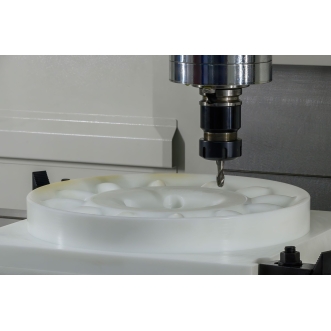
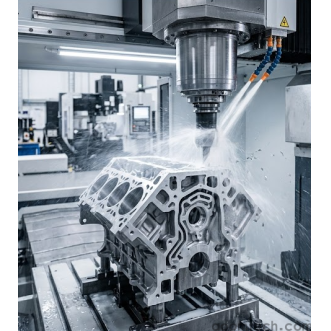
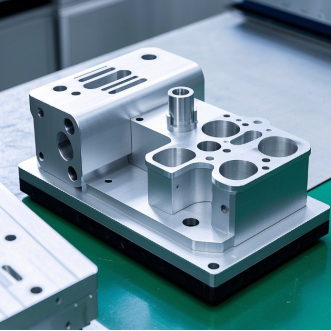
CNC milling for stainless-steel valves is used to shape flat surfaces, internal cavities, and complex 3D structures. A rotating cutting tool removes material from the workpiece.
Applications include:
Machining valve bodies
Creating sealing seats
Forming internal flow channels
Stainless steel is difficult to machine due to work-hardening. Therefore, sharp tools, correct cutting speed, and proper coolant are necessary to maintain accuracy and tool life.
Turning
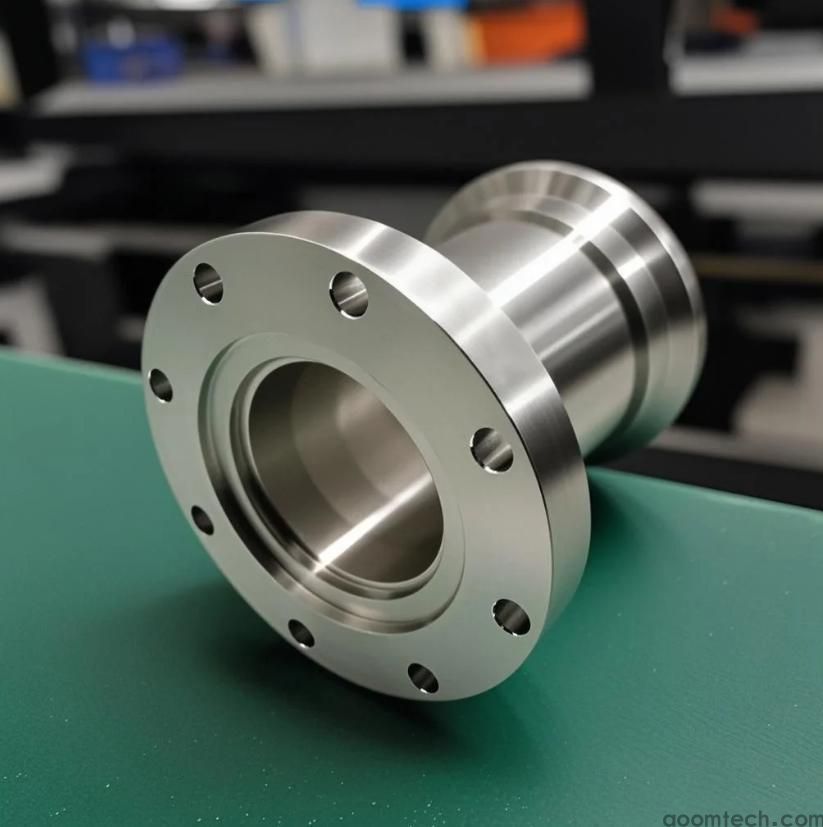
Turning is used to produce cylindrical parts such as valve stems and shafts. The workpiece rotates while the cutting tool removes material.
Key considerations include:
Maintaining concentricity for smooth operation
Achieving fine surface finishes
Using proper coolant to reduce heat and tool wear
Good turning ensures that valve components move smoothly without friction or sticking.
Drilling and Boring
Drilling creates holes in valve bodies for fluid passage or assembly. Boring improves hole accuracy and surface finish.
Challenges include drill breakage and inaccurate hole alignment. Using cobalt drills and stable machining setups helps improve performance and accuracy.
Types of Stainless Steel Used in Valve CNC Machining
Austenitic Stainless Steel
This is the most commonly used type in valve manufacturing due to its excellent corrosion resistance and high flexibility. However, it tends to work-harden during machining, requiring careful tool selection and cooling strategies.
Ferritic Stainless Steel
Ferritic stainless steel is cost-effective and offers good corrosion resistance in mild environments. It is often used in water systems and low-stress applications.
Martensitic Stainless Steel
This type provides high strength and hardness, making it suitable for high-pressure and wear-resistant valves. However, it is more difficult to machine and often requires heat treatment processes.
Understanding the types of stainless steel in valve CNC machining helps engineers select the right material for performance and cost balance.
Challenges in CNC Machining of Stainless Steel Valves
Work Hardening
Stainless steel becomes harder during cutting, which increases tool wear and reduces machining efficiency. Using sharp tools and optimized cutting parameters helps reduce this problem.
Tool Wear
Due to its hardness, stainless steel causes faster tool wear. Carbide-coated tools and regular tool monitoring are commonly used to maintain machining quality.
Heat Generation
Stainless steel has low thermal conductivity, causing heat buildup during machining. This can affect accuracy and surface quality. Proper coolant systems are essential to control temperature.
Choosing a CNC Machining Service Provider for Stainless Steel Valves
Technical Expertise
When selecting a partner for choosing a provider for CNC stainless-steel valve machining, technical experience is essential. A reliable provider should understand valve design, stainless steel behavior, and precision machining methods.
It is helpful to review:
Previous valve manufacturing projects
Industry experience (oil, gas, water, etc.)
Sample product quality
Quality Assurance
A strong quality control system ensures every valve meets strict standards. This includes inspections during and after production using tools such as micrometers, calipers, and surface testers.
Effective quality control helps prevent leaks, dimensional errors, and performance failures.
Cost-effectiveness and Lead Time
While cost is important, it should not compromise quality. A reliable provider offers transparent pricing and realistic delivery schedules.
To evaluate providers:
Compare multiple quotations
Check delivery performance history
Balance cost with precision and reliability
Conclusion
The CNC Machining Service for Stainless Steel Valves is essential for producing high-performance valves used in demanding industries. Through advanced CNC processes such as milling, turning, drilling, and boring, manufacturers can achieve high precision, complex designs, and consistent quality.
By understanding materials, machining challenges, and supplier selection criteria, businesses can ensure they choose the right solution for reliable and efficient valve production. This leads to safer systems, longer service life, and improved industrial performance.
RELATED PRODUCTS
-
Medical Brass CNC Machining Parts
-
Precision CNC Machining PEEK Services
-
Precision Custom CNC Machined Car Parts
-
cnc machining optical housings
-
Precision CNC Casting Machining Services
-
Precision Gear CNC Machining Services
-
Precision Stainless Steel Parts CNC Mach
-
CNC Machining of Precision Aluminum Tube
-
CNC Machining of Large Precision Aluminu
-
CNC Machining & Manufacturing of Pre