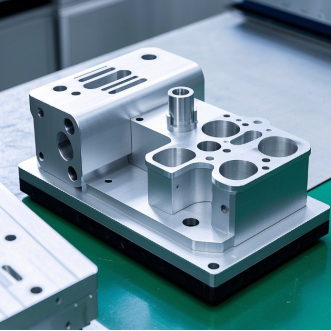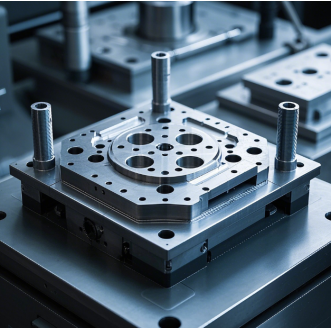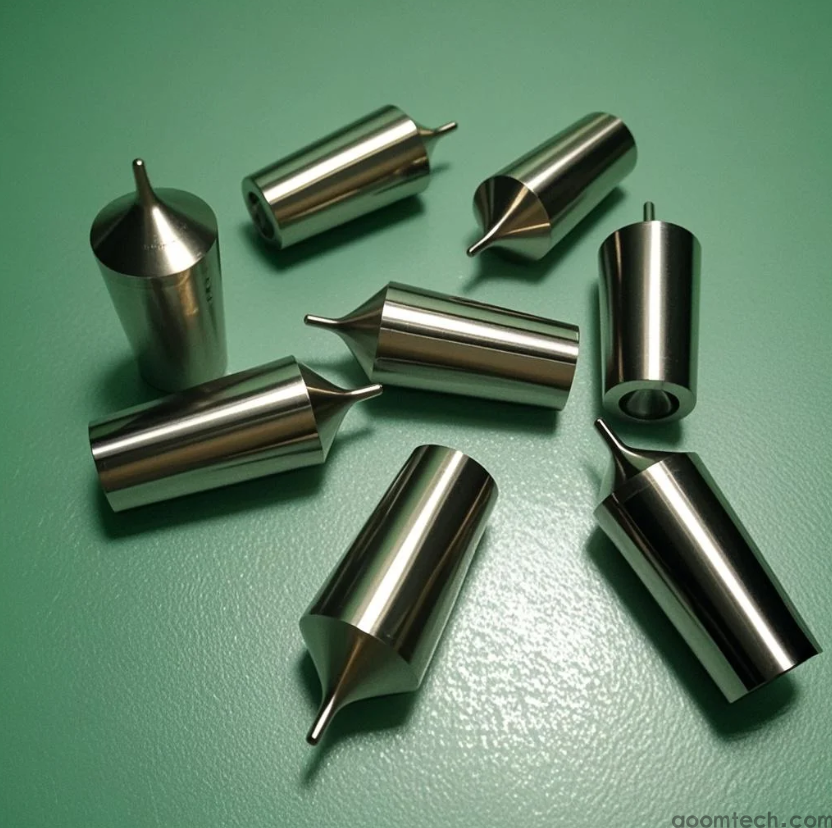
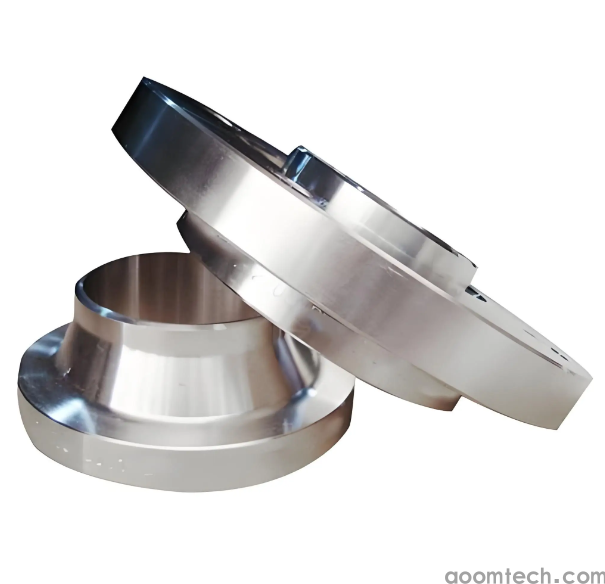
CNC Machining Service Provider for Tungsten Steel Parts
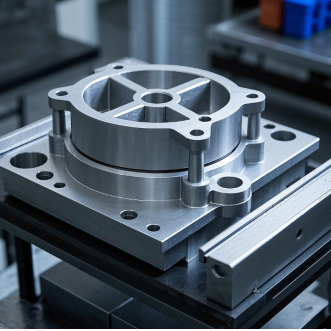
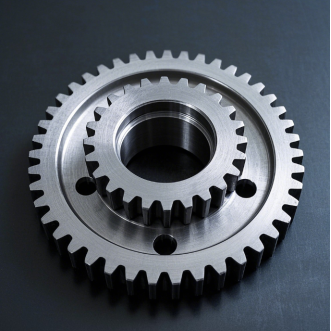
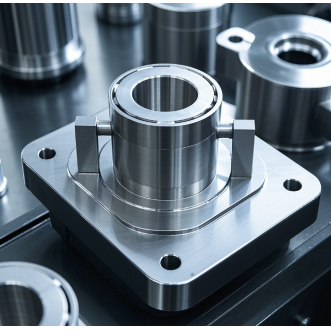
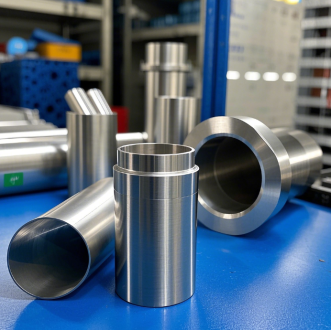
In modern manufacturing, precision and durability are essential for industrial performance. A CNC Machining Service Provider for Tungsten Steel Parts plays a key role in producing high-performance components used in extreme working environments. Tungsten steel (commonly known as tungsten carbide) is widely recognized for its exceptional hardness, wear resistance, and heat resistance, making it a preferred material in demanding industries such as mining, aerospace, and advanced machining.
Introduction to Tungsten Steel Parts
The Significance of Tungsten Steel Parts
Tungsten steel parts are highly valued because they can withstand extreme pressure, friction, and temperature. Unlike conventional metals, tungsten carbide maintains its strength even in harsh operating conditions.
These properties make it essential in multiple industries:
Mining industry: drill bits, cutting picks, and crushing tools
Machining industry: cutting inserts, end mills, and tool holders
Aerospace industry: high-temperature structural components and wear-resistant parts
For example, in mining operations, tungsten steel drill bits maintain sharpness for longer periods, improving drilling efficiency and reducing downtime. In machining systems, tungsten carbide cutting tools enable precise shaping of hard materials like stainless steel and titanium.
Importance of a CNC Machining Service Provider for Tungsten Steel Parts
Precision Machining
A professional CNC machining service provider ensures that tungsten steel parts are manufactured with extremely tight tolerances. CNC (Computer Numerical Control) systems use programmed instructions to achieve high accuracy and repeatability.
This precision is critical because even small dimensional errors can lead to serious performance issues. For instance, an incorrectly shaped mining drill bit may cause uneven wear, reduced penetration efficiency, and even equipment failure. In aerospace applications, poor precision can compromise safety and structural integrity.
Meeting Industry-Specific Requirements
Different industries require different performance characteristics from tungsten steel parts. A specialized CNC machining provider can customize machining strategies based on these requirements.
For example:
Aerospace components require optimized strength-to-weight ratios and strict dimensional control.
Mining tools require maximum wear resistance and impact strength.
Precision machining tools require extremely sharp cutting edges and smooth surface finishes.
By adjusting machining parameters, tool selection, and finishing processes, providers ensure each part meets its intended application standards.
Cost-Effectiveness for Batch Production
One major advantage of using a CNC machining service provider is cost efficiency in mass production. Once the CNC program is developed and validated, it can be reused for consistent production of identical parts.
Cost savings come from:
Reduced setup and programming time
Optimized tool usage and lifespan
Lower labor involvement in repetitive tasks
High production efficiency for large volumes
For example, producing thousands of tungsten carbide cutting inserts using CNC machining significantly reduces the cost per unit compared to manual machining methods.
CNC Machining Processes for Tungsten Steel Parts
Milling (CNC Milling for Tungsten Steel Parts)
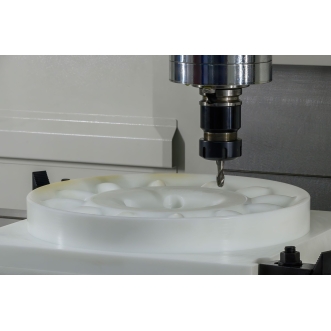
CNC milling for tungsten steel parts involves removing material using a rotating cutting tool to form precise shapes such as slots, holes, and 3D geometries.
Due to the extreme hardness of tungsten carbide, special tools are required:
Carbide-tipped tools
Diamond-coated cutting tools
Machining parameters must be carefully controlled:
Low spindle speed to reduce tool wear
Controlled feed rate for stability
Shallow depth of cut to prevent tool breakage
Proper milling ensures high accuracy and surface quality, which are essential for performance-critical applications.
Electrical Discharge Machining (EDM)
Machining processes for tungsten steel components often include EDM (Electrical Discharge Machining), which is highly effective for extremely hard materials.
EDM works by using controlled electrical sparks to erode material without physical contact. This makes it ideal for tungsten carbide parts that are difficult to machine using traditional cutting tools.
There are two main types:
Wire EDM: used for precise cutting of complex profiles
Die-sinking EDM: used for creating cavities and molds
Although EDM provides excellent precision, it is generally slower than mechanical machining processes.
Grinding
Grinding is used to achieve ultra-precise surface finishes and correct minor dimensional deviations in tungsten steel parts.
Diamond grinding wheels are commonly used due to tungsten carbide’s hardness. Proper control of grinding parameters is essential to avoid overheating and surface damage.
Grinding is especially important for cutting tools, where edge sharpness and surface smoothness directly affect performance and tool life.
Materials and Machining Characteristics
Tungsten Steel Grades
Tungsten carbide materials are available in different grades, typically defined by tungsten carbide grain size and cobalt binder content. These variations affect hardness, toughness, and machinability.
Key considerations include:
High carbide content: higher hardness but more difficult machining
Higher cobalt content: improved toughness but slightly reduced wear resistance
A skilled CNC machining provider selects appropriate machining strategies based on material grade to achieve optimal results.
Challenges in CNC Machining of Tungsten Steel Parts
Tool Wear and Breakage
Tungsten steel is extremely hard, which leads to rapid tool wear. In some cases, cutting tools may even break during machining of complex geometries.
Solutions include:
Using diamond-coated or high-performance carbide tools
Regular tool inspection and replacement schedules
Optimized toolpath programming to reduce cutting stress
Heat Generation
Heat is a major issue during machining. Tungsten carbide has low thermal conductivity, which means heat accumulates at the cutting zone.
Excessive heat can cause:
Dimensional distortion
Tool degradation
Surface damage
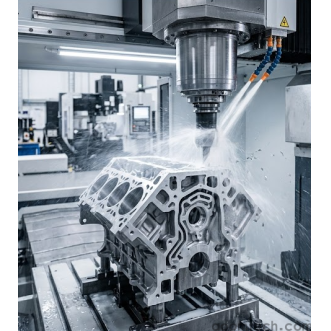
Effective cooling systems and optimized cutting parameters are essential to control temperature during machining.
Surface Integrity
Maintaining surface integrity is critical for performance and durability. Improper machining may cause micro-cracks, stress concentrations, or surface defects.
To ensure high quality:
Use stable machining conditions
Apply stress-relief heat treatment when necessary
Conduct detailed surface inspections after machining
Choosing the Right CNC Machining Service Provider for Tungsten Steel Parts
Technical Expertise
A reliable provider must have strong experience in tungsten steel machining. This includes knowledge of tool selection, machining strategies, and material behavior.
When evaluating a provider, consider:
Previous case studies involving tungsten carbide parts
Technical qualifications of engineers and machinists
Sample parts demonstrating precision and quality
Experienced providers understand how to handle complex geometries and avoid common machining issues.
Quality Assurance System
A strong quality control system ensures consistent product reliability. Leading providers use advanced inspection tools such as:
Coordinate Measuring Machines (CMM)
Surface profilometers
Hardness testers
Quality assurance typically includes in-process inspection, final inspection, and detailed documentation to ensure every part meets specifications.
Cost-Effectiveness and Lead Time
While cost is important, it should be balanced with quality and reliability. Tungsten steel is expensive, so poor machining efficiency can lead to significant waste.
To evaluate cost-effectiveness:
Compare multiple supplier quotations
Analyze production efficiency and scrap rates
Check on-time delivery performance
Reliable providers also offer clear lead times and consistent production schedules, ensuring project stability.
Conclusion
A CNC Machining Service Provider for Tungsten Steel Parts plays an essential role in producing high-performance components used in some of the most demanding industries. From mining tools to aerospace components, tungsten steel parts require advanced machining processes such as milling, EDM, and grinding.
By understanding machining processes for tungsten steel components, material properties, and production challenges, businesses can make informed decisions when selecting a provider. Choosing the right partner ensures better performance, longer tool life, and improved cost efficiency in both small-scale and batch production.
For companies seeking reliability and precision, working with an experienced CNC machining provider is not just a manufacturing decision—it is a long-term investment in product quality and operational efficiency.
RELATED PRODUCTS
-
Medical Brass CNC Machining Parts
-
Precision CNC Machining PEEK Services
-
Precision Custom CNC Machined Car Parts
-
cnc machining optical housings
-
Precision CNC Casting Machining Services
-
Precision Gear CNC Machining Services
-
Precision Stainless Steel Parts CNC Mach
-
CNC Machining of Precision Aluminum Tube
-
CNC Machining of Large Precision Aluminu
-
CNC Machining & Manufacturing of Pre