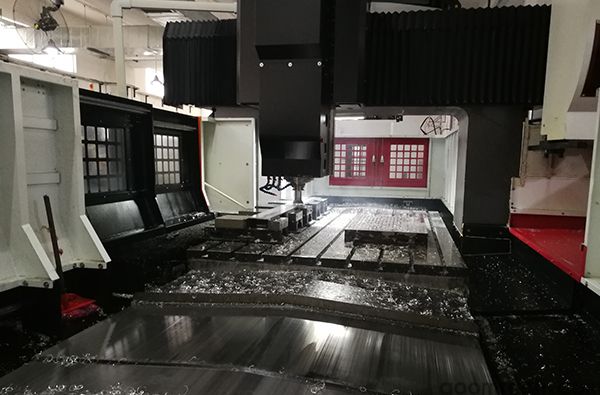
CNC Machining Service Provider Selection
Choosing the right partner for CNC machining is a key decision for any business involved in product design, engineering, or manufacturing. CNC Machining Service Provider Selection is not just about finding a supplier—it is about building a long-term partnership that affects product quality, cost, and delivery performance.
This article explains how to select the best CNC machining service provider in simple terms. It covers important factors, types of providers, real-world case studies, and practical tips to help you make a confident decision.
The Significance of Choosing the Right CNC Machining Service Provider
In modern manufacturing, CNC (Computer Numerical Control) machining is widely used to produce precise metal and plastic parts. The service provider you choose directly affects your final product.
A reliable provider can deliver:
High-quality and accurate parts
On-time delivery for production schedules
Cost-efficient manufacturing solutions
However, a poor choice may lead to serious problems such as defective parts, production delays, and increased project costs. This is why understanding the selection process is essential for engineers, procurement teams, and business owners.
Key Factors in Choosing a CNC Machining Service Provider
Experience and Expertise
Experience is one of the most important factors in CNC Machining Service Provider Selection. A company with many years in the industry is more likely to handle complex machining challenges successfully.
When evaluating experience, consider:
Years of operation in CNC machining
Industry focus (aerospace, automotive, medical, etc.)
Past project case studies
For example, aerospace components require extremely tight tolerances. A provider with aerospace experience will already understand strict safety and quality standards.
Equipment and Technology
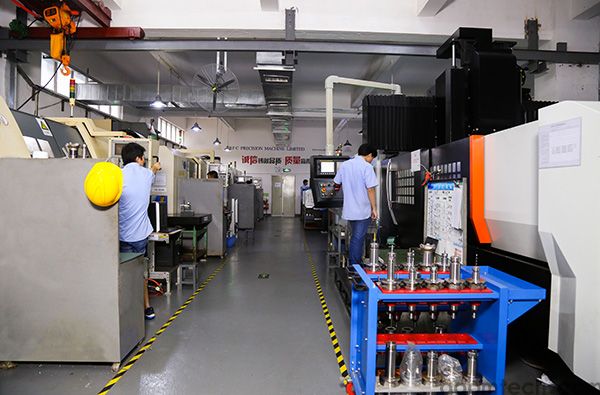
Modern CNC equipment plays a major role in production quality and efficiency. Advanced machines such as 5-axis CNC systems allow the production of complex shapes with high precision.
Key technologies to look for include:
Multi-axis CNC machines
High-speed spindles
Automated tool changers
Advanced CAD/CAM software
Better equipment often means fewer errors, faster production, and improved surface finish quality.
Skilled Workforce
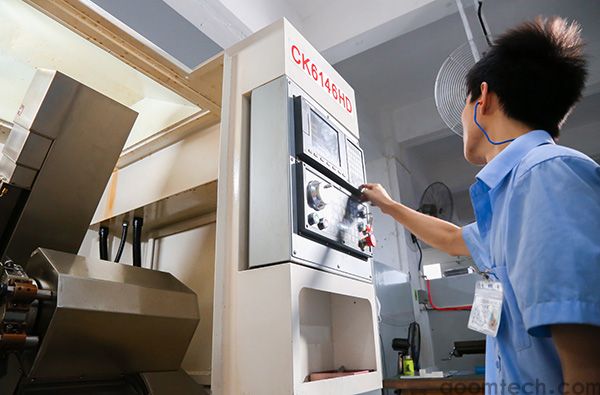
Even the best machines require skilled operators. A strong team is essential for successful machining results.
A qualified workforce includes:
Experienced CNC machinists
Skilled programmers
Trained quality inspection staff
You can evaluate their skills by asking about certifications, training systems, and technical background.
Quality Control Measures
Quality control ensures that every part meets required specifications. A strong CNC provider should have both in-process and final inspection systems.
Common quality tools include:
Calipers and micrometers
Surface roughness testers
Coordinate Measuring Machines (CMM)
Reliable providers also maintain inspection reports and regularly calibrate their tools.
Cost-Effectiveness
Cost is important, but it should not be the only decision factor. The cheapest option may lead to poor quality or delays.
When comparing providers, consider:
Material costs
Machining complexity
Lead time
Additional services (assembly, finishing, etc.)
Customer Service and Communication
Good communication helps prevent misunderstandings and ensures smooth project progress. A professional provider should respond quickly and provide clear updates.
Strong communication includes:
Fast response to inquiries
Regular production updates
Clear technical explanations
Types of CNC Machining Service Providers
Large-Scale Manufacturers
These companies have advanced equipment and high production capacity. They are ideal for large-volume orders and mass production. However, they may not be flexible for small custom projects.
Specialty Machining Shops
These providers focus on specific industries or part types. For example, some specialize in medical devices or aerospace components. Their expertise ensures very high precision and quality in niche applications.
Small-to-Medium-Sized Enterprises (SMEs)
SMEs offer flexibility and personalized service. They are often suitable for small batches, prototypes, and custom projects where communication and adaptability are important.
Case Studies of Successful CNC Machining Service Provider Selection
Case Study 1: Aerospace Component Manufacturer
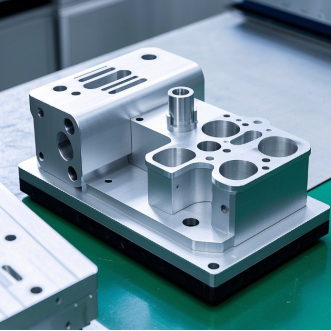
A mid-sized aerospace company needed high-precision aluminum parts. They compared several providers based on experience, equipment, and quality control systems.
They selected a provider with aerospace certification and 5-axis CNC machines. The result was improved part accuracy, reduced rework, and 15% cost savings due to fewer production errors.
Case Study 2: Automotive Prototype Development
An automotive startup needed rapid prototyping for a new engine design. Their challenge was fast turnaround and design flexibility.
They chose a small-to-medium CNC shop that offered fast communication and quick production cycles. This helped them reduce prototype development time by 40% and accelerate product testing.
Tips for a Successful CNC Machining Service Provider Selection
Request Quotes and Samples
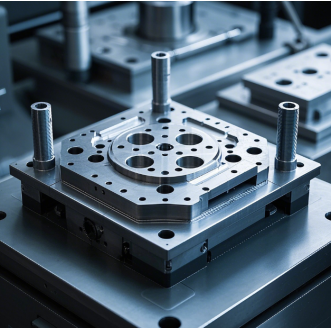
Always request multiple quotes to compare pricing and services. Samples are equally important because they show real machining quality.
When reviewing samples, check:
Surface finish quality
Dimensional accuracy
Material consistency
Long-tail keyword: tips for selecting a CNC machining provider
Check References and Reviews
Customer feedback helps you understand real performance. Ask for references and read online reviews to evaluate reliability, delivery performance, and service quality.
Visit the Provider’s Facility
If possible, visit the workshop to observe equipment, workflow, and staff professionalism. A facility visit gives strong insight into their real production capabilities.
Conclusion: Making an Informed Decision in CNC Machining Service Provider Selection
Successful CNC Machining Service Provider Selection requires careful evaluation of experience, technology, workforce, quality control, cost, and communication.
Key takeaways include:
Do not focus only on price—quality and reliability matter more
Always compare multiple providers before deciding
Use samples and case studies to verify capability
Maintain clear communication from the beginning
By following these steps and understanding the factors in choosing a CNC machining service provider and the types of CNC machining service providers, businesses can reduce risks and achieve better manufacturing results.
A well-planned selection process leads to stronger partnerships, stable production, and long-term success in manufacturing projects.
RELATED PRODUCTS
-
Medical Brass CNC Machining Parts
-
Precision CNC Machining PEEK Services
-
Precision Custom CNC Machined Car Parts
-
cnc machining optical housings
-
Precision CNC Casting Machining Services
-
Precision Gear CNC Machining Services
-
Precision Stainless Steel Parts CNC Mach
-
CNC Machining of Precision Aluminum Tube
-
CNC Machining of Large Precision Aluminu
-
CNC Machining & Manufacturing of Pre