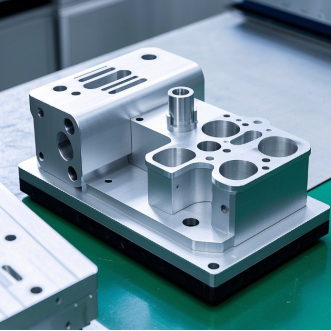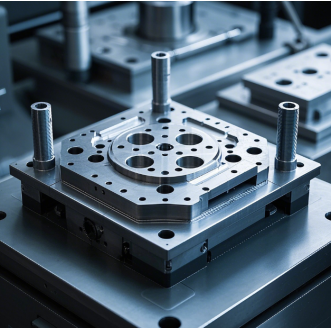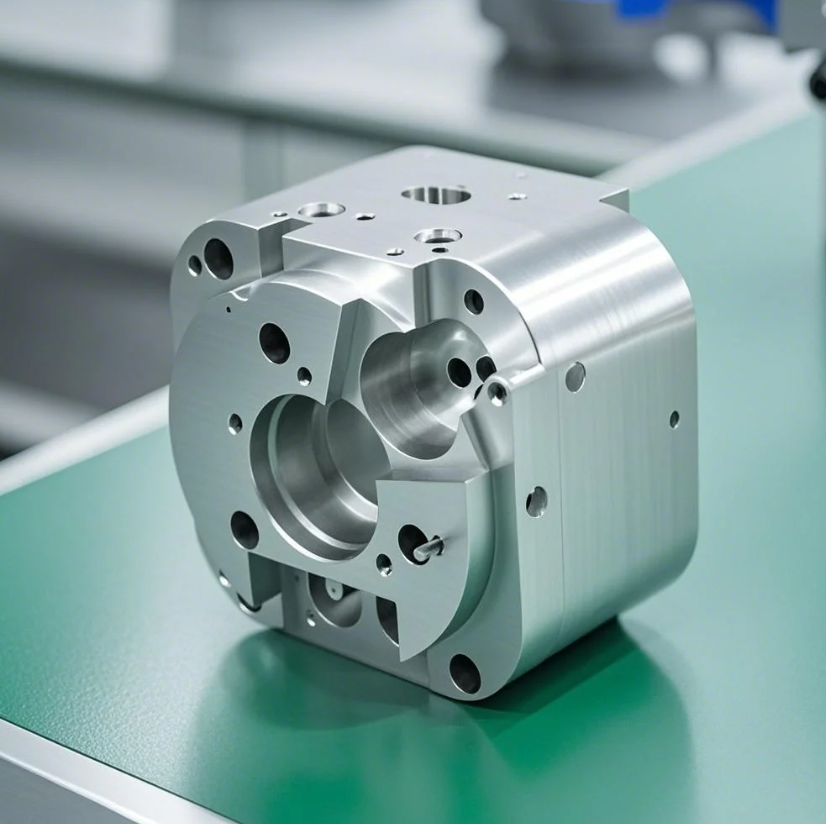
CNC Machining Services for Aluminum Alloy Parts
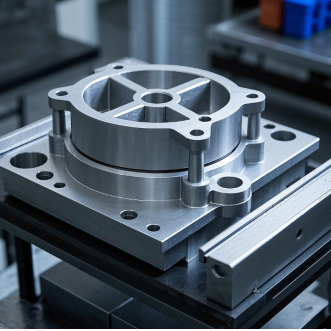
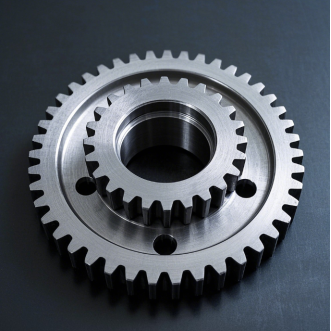
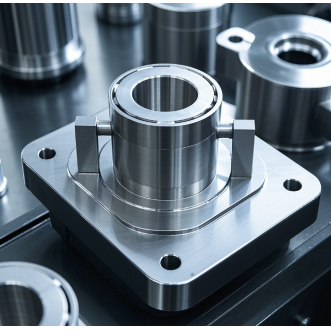
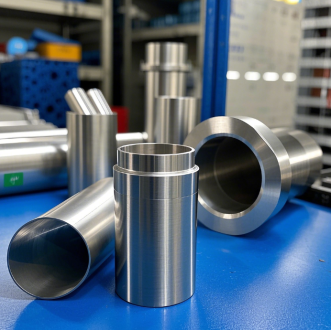
CNC Machining Services for Aluminum Alloy Parts play an important role in modern manufacturing. These services use Computer Numerical Control (CNC) machines to turn aluminum alloy materials into precise and high-quality parts. Today, many industries depend on these services to produce components that are strong, lightweight, and accurate.
In simple terms, CNC machining means using computer-controlled machines to cut, shape, drill, and finish metal parts. When applied to aluminum alloys, it allows manufacturers to create parts with excellent accuracy and repeatability. This is very important in industries where safety, performance, and efficiency matter.
Introduction to CNC Machining Services for Aluminum Alloy Parts
CNC machining services for aluminum alloy parts involve transforming raw aluminum alloy blocks or sheets into finished components using automated machines. These machines follow digital design files to produce exact shapes and sizes.
Aluminum alloys are widely used because they are lightweight, corrosion-resistant, and easy to machine. When combined with CNC technology, they become ideal for producing high-performance parts used in aerospace, automotive, electronics, and more.
This combination has become a key part of modern manufacturing, helping companies produce better products with faster production times and lower waste.
Advantages of CNC Machining for Aluminum Alloy Parts
High Precision Manufacturing
One of the biggest benefits of CNC Machining Services for Aluminum Alloy Parts is high precision. CNC machines follow digital instructions, which means every cut and shape is highly accurate.
For example, in aerospace manufacturing, even a small error in an aluminum part can affect safety and performance. CNC machining ensures tight tolerances and smooth surface finishes. This reduces errors, improves product quality, and lowers material waste.
This is one of the key advantages of CNC machining for aluminum alloy parts, especially in industries that require strict standards.
Cost-effectiveness
Aluminum alloys are relatively affordable materials, and CNC machining helps reduce production costs through efficiency and automation. Once the machine is set up, it can produce multiple identical parts with minimal manual work.
For small production runs, setup costs may be higher per part. However, for medium to large batches, the cost per unit decreases significantly. For example, producing 10 parts may cost more per piece than producing 1,000 parts because setup time is shared across all units.
Versatile Design Options
Another advantage is design flexibility. Aluminum alloys are easy to machine, and CNC systems can produce complex shapes and detailed structures.
This makes it possible to create custom parts such as curved automotive components, detailed electronic housings, or lightweight structural frames. Designers can turn creative ideas into real products without major limitations.
This is why CNC machining is widely used when manufacturers need both strength and design freedom.
Applications of Aluminum Alloy Parts in CNC Machining Services
Aerospace Industry
In aerospace, aluminum alloy parts are used in aircraft frames, wings, engine parts, and support structures. These components must be both strong and lightweight.
CNC machining ensures high precision, which is essential for safety and performance. Lighter aluminum parts also help reduce fuel consumption and improve flight efficiency.
These are important applications of aluminum alloy parts in CNC machining services in modern aviation.
Automotive Industry
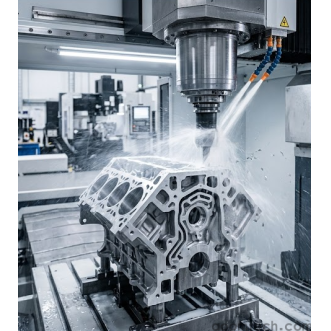
In the automotive industry, aluminum alloy parts are used in engine blocks, wheels, suspension systems, and transmission components.
CNC-machined aluminum parts help reduce vehicle weight, improve fuel efficiency, and increase performance. They are also used in electric vehicles to improve battery efficiency by reducing overall weight.
Automakers rely on CNC machining to meet strict safety and performance standards.
Electronics Industry
Aluminum alloy parts are widely used in electronics for heat sinks, device casings, and internal structures.
Aluminum is excellent for heat dissipation, which helps prevent overheating in devices like computers, smartphones, and power systems. CNC machining ensures these parts fit perfectly and function efficiently.
Common Aluminum Alloys for CNC Machining and Their Properties
6061 Aluminum Alloy
6061 aluminum is one of the most commonly used materials in CNC machining. It offers good strength, excellent corrosion resistance, and very good machinability.
It is often used in structural parts, automotive brackets, and electronic housings. Its balance of cost and performance makes it a popular choice for many industries.
7075 Aluminum Alloy
7075 aluminum is known for its very high strength. It is often used in aerospace and high-performance automotive parts.
However, it is harder to machine compared to other alloys, so it requires careful tool selection and optimized cutting conditions. Despite this, its strength makes it ideal for demanding applications.
2024 Aluminum Alloy
2024 aluminum has a high strength-to-weight ratio and good fatigue resistance. It is commonly used in aircraft structures and high-stress components.
It provides excellent performance in demanding environments, but it may require special surface protection due to lower corrosion resistance.
Choosing a CNC Machining Service Provider for Aluminum Alloy Parts
Experience and Expertise
When selecting a provider, experience is very important. A skilled manufacturer understands how to handle different aluminum alloys and machining challenges.
An experienced provider can avoid common problems such as tool wear, poor surface finish, or incorrect tolerances. This leads to more reliable and consistent results.
This is a key factor when choosing a CNC machining service provider for aluminum alloy parts.
Quality Control
A strong quality control system ensures that every part meets required standards. Good providers use tools like calipers, micrometers, and coordinate measuring machines (CMM).
They also inspect parts at different production stages to catch errors early. This improves reliability and reduces the risk of defective products reaching customers.
Cost and Pricing Transparency
It is important to understand how pricing is calculated. A reliable provider will clearly explain material costs, machining costs, and additional charges.
Comparing quotes from different suppliers helps ensure fair pricing. Always ask for a detailed cost breakdown to avoid hidden fees.
Delivery Time and Capacity
Delivery speed and production capacity are also important. A good provider should be able to meet deadlines and handle your required order size.
If a supplier cannot deliver on time, it may delay your entire production schedule and affect your business operations.
Conclusion: Making the Most of CNC Machining Services for Aluminum Alloy Parts
CNC Machining Services for Aluminum Alloy Parts offer many benefits, including high precision, cost efficiency, and flexible design options. These services are widely used in aerospace, automotive, and electronics industries due to the excellent properties of aluminum alloys.
Understanding material choices, production advantages, and supplier selection helps businesses make better decisions and improve product quality.
To get the best results, start by researching reliable CNC machining providers, comparing their capabilities, and choosing one that matches your technical and production needs.
RELATED PRODUCTS
-
Medical Brass CNC Machining Parts
-
Precision CNC Machining PEEK Services
-
Precision Custom CNC Machined Car Parts
-
cnc machining optical housings
-
Precision CNC Casting Machining Services
-
Precision Gear CNC Machining Services
-
Precision Stainless Steel Parts CNC Mach
-
CNC Machining of Precision Aluminum Tube
-
CNC Machining of Large Precision Aluminu
-
CNC Machining & Manufacturing of Pre