CNC Machining Services for Aluminum Parts
Introduction to CNC Machining Services for Aluminum Parts
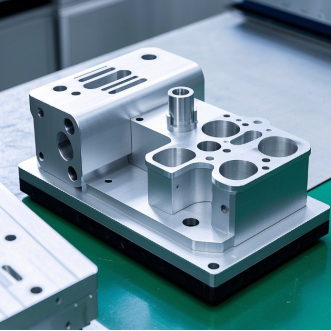
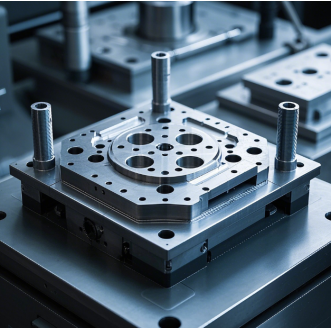
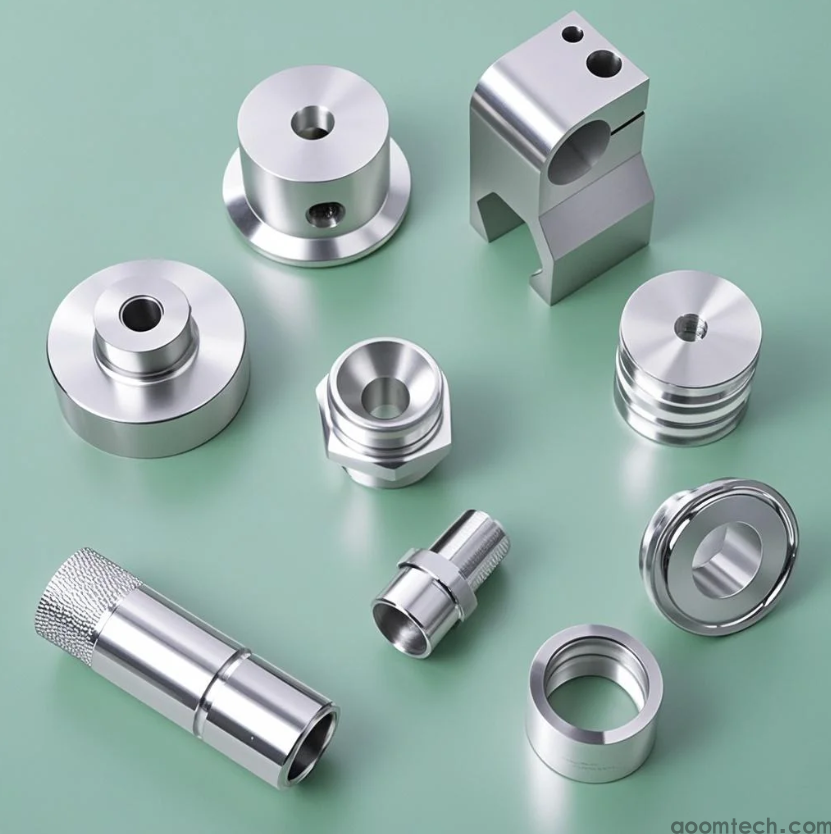
The CNC Machining Services for Aluminum Parts play an important role in modern manufacturing. Aluminum parts are widely used in industries such as automotive, aerospace, electronics, medical devices, and consumer products. This is because aluminum is lightweight, corrosion-resistant, and has good thermal conductivity.
CNC (Computer Numerical Control) machining provides a reliable and precise way to produce aluminum components. By using computer-controlled machines, manufacturers can create parts with high accuracy and consistent quality. These CNC-machined aluminum parts help improve product performance, durability, and innovation across many industries.
The Significance of CNC Machining in Aluminum Part Production
Aluminum parts are essential in many modern products. From aircraft structures to smartphone housings, aluminum helps reduce weight while maintaining strength. CNC machining services make it possible to produce these parts with high precision and repeatability.
Without CNC technology, achieving complex shapes and tight tolerances would be difficult and expensive. Today, CNC machining ensures that aluminum components meet strict industrial requirements and perform reliably in real-world applications.
Advantages of CNC Machining for Aluminum Parts
High Precision Manufacturing
CNC machining can achieve extremely high precision when producing aluminum parts. The computer-controlled system ensures tight tolerances and consistent results, which are essential for functional components.
For example, in aerospace applications, a wing-mounted aluminum bracket must fit perfectly with other structural parts. CNC machining ensures accurate dimensions, helping maintain safety and structural integrity.
Design Flexibility
CNC machining allows the production of complex and customized aluminum parts. It can create intricate shapes, detailed geometries, and internal features that are difficult to produce using traditional methods.
For instance, a consumer electronics company may use CNC machining to produce a custom aluminum housing for a new device. The result is a sleek, lightweight, and ergonomic design that improves user experience.
Cost-effectiveness for Small-Batch Production
For small production runs, CNC machining is highly cost-effective. There is no need for expensive molds or special tooling. The machine can be quickly reprogrammed for different designs, reducing setup time and cost.
A startup developing new products may use CNC-machined aluminum parts for prototypes. This approach helps reduce expenses while allowing fast design testing and improvements.
Process of CNC Machining Aluminum Parts
Design and CAD/CAM Programming
The process begins with CAD (Computer-Aided Design), where engineers create a 3D model of the aluminum part. This model defines shape, size, and functional requirements.
Next, CAM (Computer-Aided Manufacturing) software converts the design into machine instructions. Parameters such as tool paths, cutting speed, and feed rate are carefully set. For example, electric vehicle battery housings require special programming to ensure structural accuracy and heat management performance.
Material Selection and Preparation
Choosing the right aluminum grade is very important. Common grades include 6061, 7075, and 2024. Each grade has different strength, hardness, and machinability.
For example, 7075 aluminum is stronger but harder to machine, while 6061 is easier to cut and widely used. Proper material selection directly affects machining efficiency and final product quality.
Machining Operations
Milling
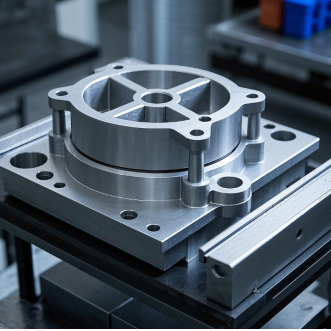
Milling is used to create flat surfaces, slots, and complex 3D shapes. Carbide tools are commonly used for durability and precision. Cutting speed and feed rate must be carefully controlled to avoid chip buildup and ensure smooth surfaces.
Turning
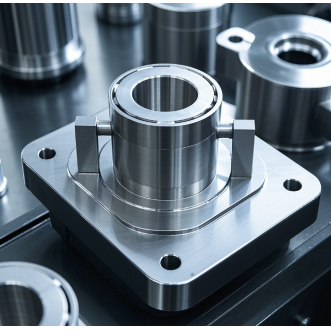
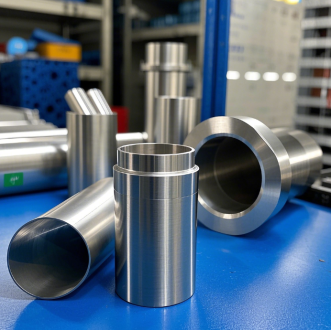
Turning is used for cylindrical aluminum parts such as shafts and bushings. The workpiece rotates while the cutting tool shapes it. Precision control is necessary to ensure roundness and surface quality.
Drilling
Drilling creates holes for screws, fasteners, or fluid channels. High-speed steel or carbide drills are commonly used. Proper cooling and pressure control help prevent tool damage and improve accuracy.
Finishing Operations
After machining, finishing processes may be applied. These include polishing, anodizing, and coating. Anodizing improves corrosion resistance and allows color customization.
For example, anodized aluminum outdoor furniture parts are more durable and resistant to weather conditions.
Benefits of CNC-Machined Aluminum Parts
Enhanced Product Performance
The benefits of CNC-machined aluminum parts include improved performance due to high precision and smooth surfaces. This reduces friction and improves efficiency in mechanical systems.
For example, CNC-machined engine components can help reduce energy loss and improve fuel efficiency in vehicles.
Quick Turnaround Times
CNC machining allows fast production once programming is complete. This is ideal for urgent projects and rapid prototyping.
A company preparing for a product launch may rely on CNC machining to quickly produce critical aluminum parts and meet deadlines.
Versatility in Applications
Aluminum parts made by CNC machining are used in many industries. They can be found in aerospace structures, medical tools, electronics housings, and even household appliances.
A single aluminum part design can often be adapted for both consumer electronics and industrial equipment with minor adjustments.
Challenges in CNC Machining Aluminum Parts Services
Chip Management
One of the main challenges is chip control. Aluminum chips can be long and sticky, which may interfere with cutting tools and surface quality.
In some cases, production must be paused to remove chip buildup, which can reduce efficiency.
Surface Finish Requirements
Achieving a smooth surface finish can be difficult. Aluminum is soft and can easily scratch or tear during machining. Proper tool selection and cutting parameters are essential.
Adjustments in speed, feed rate, and cooling are often required to improve surface quality.
Tool Wear
Although aluminum is relatively soft, high-speed machining can still cause tool wear. Carbide tools may need frequent replacement during large production runs.
This increases maintenance cost and requires careful monitoring of tool conditions.
Choosing a CNC Machining Service for Aluminum Parts
Experience in Aluminum Machining
When selecting a provider, experience is very important. A skilled manufacturer understands aluminum behavior and can optimize machining parameters for better results.
Experienced providers may also suggest design improvements to make parts easier and more cost-effective to produce.
Quality Assurance
A reliable CNC service should have strong quality control systems. This includes in-process inspection, final testing, and use of calibrated measuring tools.
This ensures that every part meets required standards and reduces the risk of defects.
Cost-effectiveness and Pricing Transparency
Price is important, but it should be balanced with quality. A good service provider offers clear pricing without hidden costs.
When comparing providers, consider material cost, machining time, finishing processes, and delivery speed to make a fair decision.
Conclusion: Selecting the Right CNC Machining Service for Aluminum Parts
In summary, CNC Machining Services for Aluminum Parts provide high precision, flexibility, and efficiency for modern manufacturing needs. They offer many advantages, including design freedom, fast production, and strong performance benefits.
However, challenges such as chip management, surface finishing, and tool wear must also be considered. Understanding the full process helps businesses make better decisions.
When choosing a service provider, focus on experience, quality assurance, and transparent pricing. By carefully evaluating these factors, you can ensure successful production of high-quality aluminum parts for your applications.
RELATED PRODUCTS
-
Medical Brass CNC Machining Parts
-
Precision CNC Machining PEEK Services
-
Precision Custom CNC Machined Car Parts
-
cnc machining optical housings
-
Precision CNC Casting Machining Services
-
Precision Gear CNC Machining Services
-
Precision Stainless Steel Parts CNC Mach
-
CNC Machining of Precision Aluminum Tube
-
CNC Machining of Large Precision Aluminu
-
CNC Machining & Manufacturing of Pre