CNC Machining Services for Bar Stock
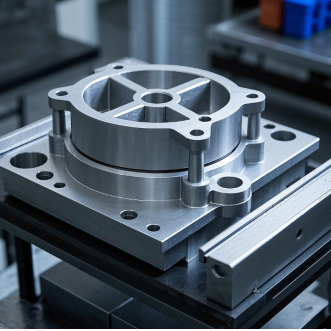
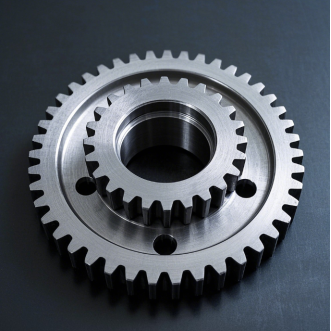
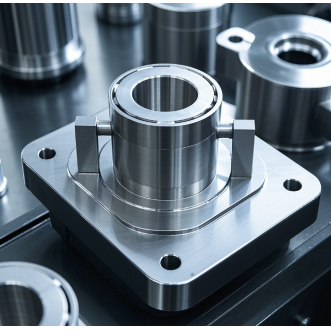
CNC Machining Services for Bar Stock play a key role in today’s manufacturing industry. They help turn raw metal or plastic bars into precise, functional parts used in machines, vehicles, medical devices, electronics, and many other products. For engineers, manufacturers, and procurement professionals, understanding how this process works is important for making better production decisions, reducing costs, and improving product quality.
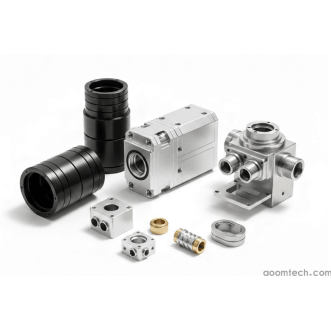
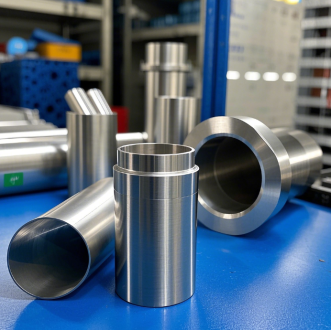
Bar stock is one of the most common raw materials in manufacturing. It comes in long, solid shapes such as round, square, or rectangular bars. With the help of CNC (Computer Numerical Control) machining, these simple raw materials can be transformed into highly accurate and complex components that meet strict design requirements.
The Importance of CNC Machining Services for Bar Stock
CNC machining allows manufacturers to produce parts with high precision, repeatability, and efficiency. When working with bar stock, this process becomes even more valuable because it reduces waste and supports both small and large production runs.
The main importance of CNC Machining Services for Bar Stock lies in their ability to deliver consistent quality. Each part is produced according to a digital design, meaning every cut, hole, and surface follows exact specifications. This is essential for industries like aerospace, automotive, robotics, and medical equipment, where even small errors can lead to serious problems.
Understanding these services also helps companies choose better suppliers, improve product design, and control manufacturing costs more effectively.
The CNC Machining Process for Bar Stock
Design and Programming
The CNC machining process for bar stock begins with product design. Engineers use CAD (Computer-Aided Design) software to create a detailed 3D model of the part. This model defines the shape, size, and functional features of the final product.
Next, CAM (Computer-Aided Manufacturing) software converts the design into a CNC program. This program controls the machine’s movements, including toolpaths, cutting speed, feed rate, and cutting depth.
A well-prepared CNC program is essential. For example, a simple cylindrical shaft may require basic turning operations, while a complex aerospace bracket may need multi-axis machining with advanced toolpath strategies.
Bar Stock Selection and Preparation
Choosing the right bar stock is a critical step. Common materials include steel, aluminum, brass, and plastics. Each material has different properties such as strength, weight, corrosion resistance, and machinability.
Steel: Strong and durable, suitable for heavy-duty applications.
Aluminum: Lightweight and easy to machine, ideal for aerospace and automotive parts.
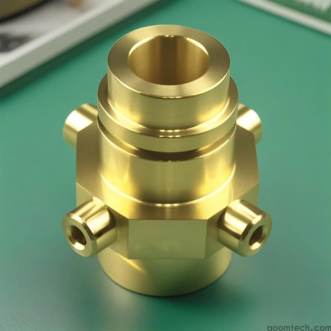
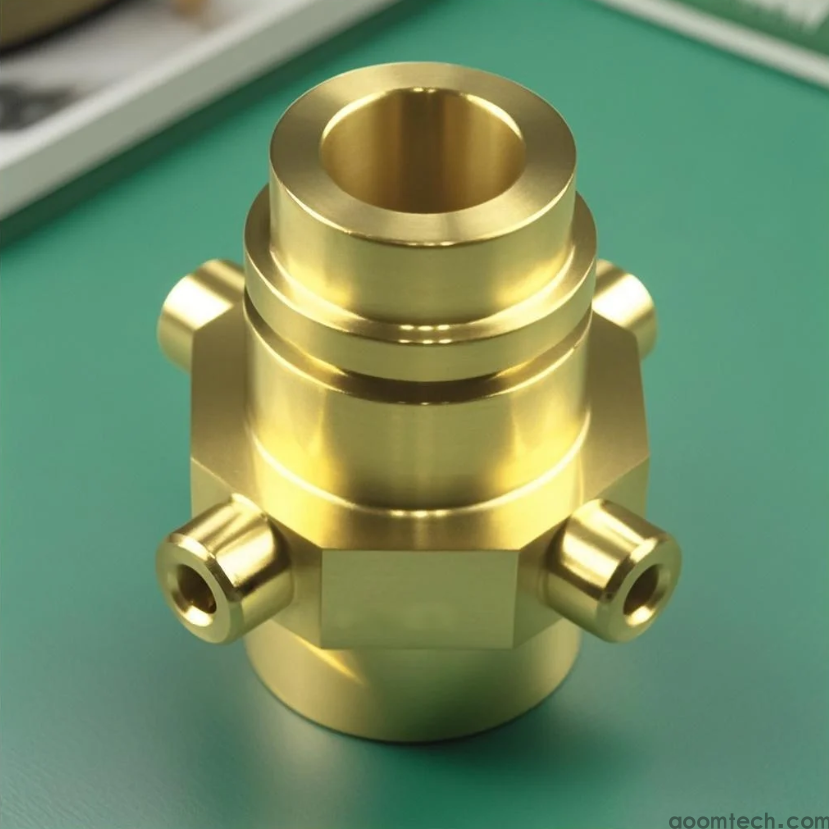
Brass: Good corrosion resistance and electrical conductivity.
Plastics: Lightweight, chemical-resistant, and cost-effective.
Before machining, bar stock is usually cut to length and checked for straightness to ensure stable processing.
Machine Setup and Tooling
In CNC machining services for bar stock, proper machine setup is essential. The bar stock is securely held using a chuck or collet to prevent movement during machining.
Tool selection depends on the operation:
End mills for milling flat surfaces and slots
Drills for creating holes
Turning tools for cylindrical shaping
Machine settings such as spindle speed, feed rate, and depth of cut are adjusted based on the material type and design requirements.
Machining Operations
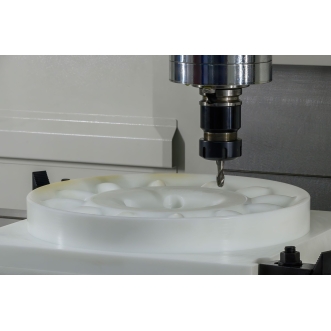
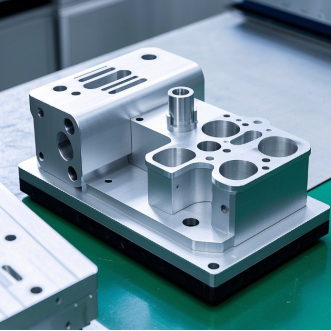
Milling: Milling removes material to create flat surfaces, grooves, and complex shapes. Tool selection and cutting speed must be carefully controlled to achieve smooth finishes and accurate dimensions.
Turning: In turning operations, the bar stock rotates while the cutting tool shapes it into cylindrical forms like shafts or bushings. Precision is important to maintain concentricity and surface quality.
Drilling: Drilling creates holes in bar stock. Proper drill selection and cutting speed help avoid tool breakage and ensure accurate hole placement.
Finishing and Inspection
After machining, parts often require finishing processes such as deburring, polishing, or surface treatment like anodizing or plating.
Inspection is then performed using tools like calipers, micrometers, and surface testers. This ensures that the final part meets all design requirements and quality standards.
Benefits of CNC Machining for Bar Stock
High Precision
One of the biggest advantages of CNC machining is high precision. Tight tolerances can be achieved consistently, which is essential for parts that must fit together perfectly in assemblies.
Efficiency
CNC machines can operate continuously once programmed. This makes production faster and more cost-effective, especially for medium and large production volumes. Automated tool changes further improve efficiency.
Design Flexibility
CNC machining allows complex designs that would be difficult or impossible with manual methods. This includes intricate geometries, internal channels, and detailed surface features.
Overall, the benefits of CNC for bar stock machining include reduced waste, improved accuracy, and faster production cycles.
Types of Bar Stock Materials
Steel Bar Stock
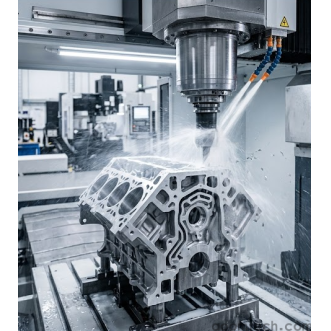
Steel is widely used due to its strength and durability. Stainless steel is especially popular because of its corrosion resistance. Machining steel requires strong cutting tools and proper cooling to manage heat and tool wear.
Aluminum Bar Stock
Aluminum is lightweight and easy to machine. It is commonly used in aerospace, automotive, and electronics industries. However, it requires careful handling to avoid surface damage due to its softness.
Plastic Bar Stock
Plastics like nylon, polyethylene, and polypropylene are used for low-cost and non-metal applications. They require sharp tools and controlled cutting speeds to prevent melting or deformation.
Quality Control in CNC Machining of Bar Stock
In-Process Inspection
During machining, measurements are taken regularly to ensure accuracy. If any deviation is detected, adjustments are made immediately to prevent defective parts.
This step helps reduce waste and ensures stable production quality.
Final Inspection
After machining and finishing, each part is carefully inspected. Coordinate Measuring Machines (CMMs) may be used for high-precision measurement.
Non-conforming parts may be reworked or rejected depending on the severity of the issue. This ensures only high-quality parts reach the customer.
How to Choose a CNC Machining Service for Bar Stock
Experience and Expertise
When choosing a CNC machining provider, experience matters. A company with a strong background in bar stock machining is more likely to handle different materials and complex designs successfully.
Reviewing case studies, certifications, and customer feedback can help evaluate their expertise.
Equipment and Technology
Modern CNC machines with multi-axis capability and advanced software are important for producing complex and precise parts.
A good provider should also invest in updated CAD/CAM systems and high-performance cutting tools.
Quality Assurance and Customer Service
A strong quality system ensures consistent results. This includes regular machine calibration, inspection procedures, and compliance with industry standards.
Good customer service is equally important. Clear communication, fast response times, and technical support help ensure smooth project execution.
These factors are essential when choosing a CNC service for bar stock.
Conclusion: Leveraging CNC Machining for Bar Stock
CNC machining services for bar stock provide a reliable and efficient way to produce high-quality precision parts. From design and programming to machining, finishing, and inspection, each step plays an important role in achieving the final result.
By understanding the CNC machining process for bar stock, manufacturers can make better decisions, improve product quality, and reduce production costs. The key benefits include high precision, design flexibility, and efficient production.
To achieve the best results, businesses should carefully select experienced service providers, use suitable materials, and maintain clear communication throughout the project. With the right approach, CNC machining becomes a powerful solution for modern manufacturing needs.
RELATED PRODUCTS
-
Medical Brass CNC Machining Parts
-
Precision CNC Machining PEEK Services
-
Precision Custom CNC Machined Car Parts
-
cnc machining optical housings
-
Precision CNC Casting Machining Services
-
Precision Gear CNC Machining Services
-
Precision Stainless Steel Parts CNC Mach
-
CNC Machining of Precision Aluminum Tube
-
CNC Machining of Large Precision Aluminu
-
CNC Machining & Manufacturing of Pre