CNC Machining Services for Communication Parts
In modern digital life, communication systems are everywhere. From smartphones and Wi-Fi routers to 5G base stations and satellite devices, all of them rely on small but highly important components. These components are known as communication parts. To manufacture them with high accuracy and stability, CNC Machining Services for Communication Parts play a key role in today’s electronics and telecom industries.
This article explains what these services are, why they matter, how the process works, their benefits, common challenges, and how to choose the right provider.
The Significance of Communication Parts
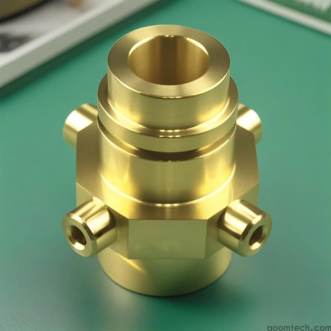
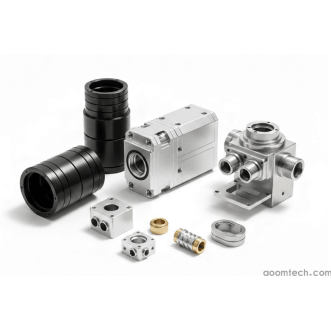
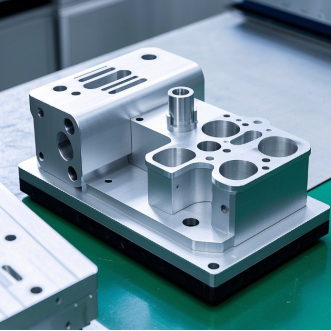
Communication parts are the building blocks of modern communication systems. They include connectors, antenna housings, heat sinks, shielding enclosures, and precision mounting components. These parts are used in smartphones, routers, base stations, and satellite communication equipment.
Because communication devices must transmit signals quickly and accurately, even a very small defect in a part can affect performance. CNC machining services help solve this problem by producing parts with high precision and stable quality.
CNC-machined communication parts improve reliability, support device miniaturization, and ensure stable signal transmission in complex electronic systems.
Advantages of CNC Machining for Communication Parts
High Precision Manufacturing
One of the main advantages of CNC machining for communication parts is extremely high precision. CNC machines are controlled by computers, which allows them to create parts with very tight tolerances.
This is very important for electrical connections and signal transmission. For example, in a PCB connector, CNC machining ensures accurate pin alignment. This prevents signal loss and improves the overall performance of the communication device.
Design Flexibility
CNC machining allows engineers to design complex and customized communication parts. This is especially useful for new communication technologies like 5G.
For example, a custom antenna housing for a 5G device can be CNC machined with optimized internal structures to improve signal reception while maintaining a sleek and compact external design.
Material Compatibility
CNC machining works with many materials used in communication parts, including metals and engineering plastics. Metals are often used for shielding and heat dissipation, while plastics are used for insulation and lightweight structures.
For example, a metal alloy heat sink for a communication module can be CNC machined to match thermal conductivity needs, helping the device stay cool during operation.
Process of CNC Machining Communication Parts
Design and CAD/CAM Programming
The process of CNC machining communication parts starts with CAD (Computer-Aided Design). Engineers create a 3D model of the part based on its function and performance requirements.
Then CAM (Computer-Aided Manufacturing) software converts the design into machine instructions. These include tool paths, cutting speed, feed rate, and spindle speed.
For example, a high-speed data transfer connector requires careful programming to ensure every micro-feature is accurately machined for stable signal performance.
Material Selection and Preparation
Choosing the right material is very important. The selection depends on conductivity, thermal performance, strength, and cost.
Before machining, materials may be cut into suitable sizes and treated to improve stability. Metals may be annealed, while some plastics may require stress relief.
For example, high-conductivity metals may need slower cutting speeds compared to plastics, which require different machining settings to avoid melting or deformation.
Machining Operations
Milling
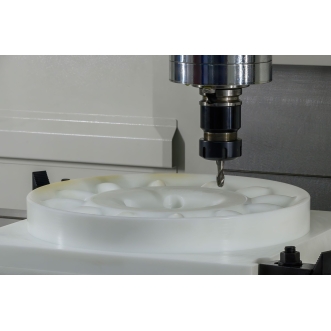
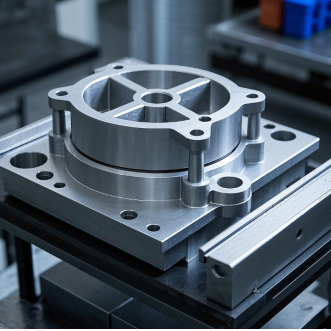
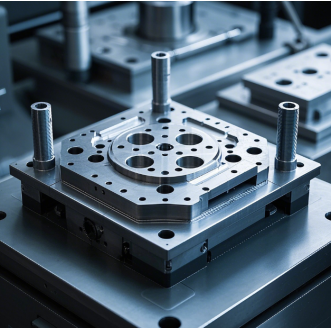
Milling is used to create grooves, slots, and mounting holes in communication parts. Carbide tools are commonly used for durability.
Cutting speed and feed rate must be adjusted carefully. Hard materials often require slower speeds to maintain accuracy and reduce tool wear.
Turning
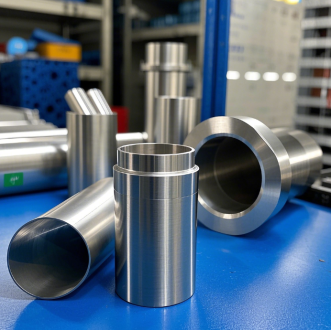
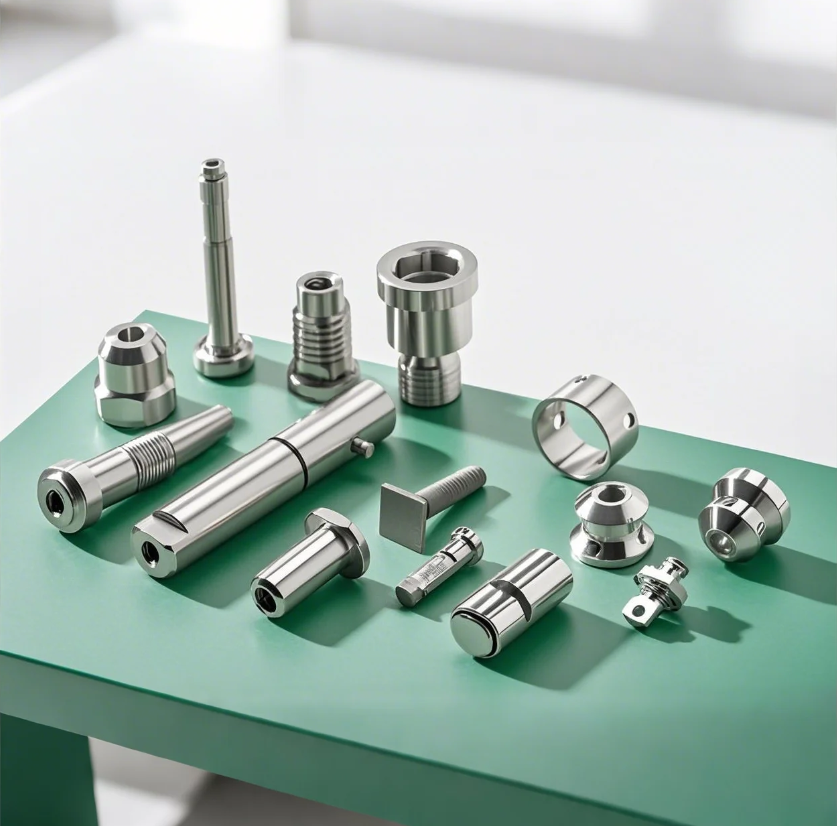
Turning is used for cylindrical communication parts. The material rotates while the cutting tool shapes it into the required diameter and surface finish.
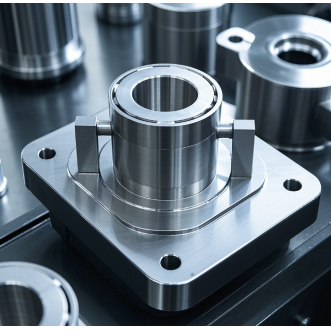
This process is important for parts that require perfect roundness and alignment, such as connector housings.
Drilling and Boring
Drilling creates holes, while boring improves hole accuracy. These steps require careful control to ensure correct positioning and smooth edges.
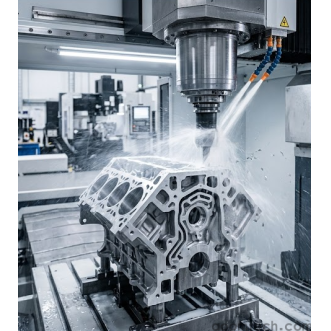
Coolant is often used to reduce heat and prevent tool damage during high-speed drilling operations.
Finishing Operations
After machining, finishing processes such as polishing, coating, or plating are applied. These improve corrosion resistance, electrical conductivity, and surface appearance.
For example, a plated communication connector can offer better signal stability and longer service life in harsh environments.
Benefits of CNC Machined Communication Parts
Enhanced Performance
Benefits of CNC-machined communication parts include improved signal quality, reduced interference, and better heat control. High precision ensures that all components work together smoothly.
For example, a CNC-machined heat sink can prevent overheating in communication devices, ensuring stable long-term performance.
Cost-Effectiveness for Medium to Large Production
CNC machining becomes cost-effective for medium and large production runs. Once the setup is complete, production is efficient and material waste is reduced.
Many manufacturers use CNC machining to produce large quantities of communication connectors at lower overall cost.
Quick Turnaround for Prototyping
CNC machining is ideal for prototypes and small batches. It allows fast changes in design and quick production.
Startups often use CNC-machined prototypes to test communication devices and improve designs before mass production.
Challenges in CNC Machining Communication Parts
Meeting Tight Tolerances Consistently
Challenges in CNC machining communication parts include maintaining tight tolerances over long production runs. Tool wear, heat, and vibration can affect accuracy.
For example, a worn cutting tool may cause small dimension errors, requiring adjustments or tool replacement to maintain quality.
Tool Wear and Breakage
Hard materials can cause rapid tool wear. This increases production cost and may delay delivery schedules.
For example, machining high-strength plastic communication parts may require frequent replacement of carbide tools.
Electromagnetic Compatibility (EMC) Issues
Communication parts must meet EMC standards to prevent signal interference. Machining processes can sometimes affect shielding performance.
Additional testing and adjustments may be needed to ensure the final part meets strict communication industry requirements.
Choosing a CNC Machining Service for Communication Parts
Experience in Communication Part Manufacturing
When choosing a CNC machining service for communication parts, experience is very important. A skilled provider understands signal integrity, miniaturization, and EMC requirements.
An experienced company can also suggest design improvements that enhance performance and reduce production issues.
Quality Assurance System
A reliable provider should have strong quality control processes. This includes inspections during production and final testing before delivery.
Accurate measuring tools and certifications help ensure that every part meets required standards.
Cost and Pricing Transparency
Clear pricing is also important. Customers should understand material costs, machining fees, and finishing charges.
Comparing multiple suppliers and understanding quotation details can help achieve better value without sacrificing quality.
Conclusion: Selecting the Right CNC Machining Service for Communication Parts
CNC machining plays a vital role in modern communication technology. It ensures high precision, strong performance, and reliable production of essential communication components.
From design and material selection to machining and finishing, every step affects the final product quality. However, challenges such as tight tolerances, tool wear, and EMC requirements must also be carefully managed.
By understanding the process of CNC machining communication parts, the advantages of CNC machining for communication parts, and the key selection factors, businesses can make better decisions when choosing suppliers.
Carefully evaluating providers based on experience, quality control, and transparency will help ensure long-term success in communication device manufacturing.
RELATED PRODUCTS
-
Medical Brass CNC Machining Parts
-
Precision CNC Machining PEEK Services
-
Precision Custom CNC Machined Car Parts
-
cnc machining optical housings
-
Precision CNC Casting Machining Services
-
Precision Gear CNC Machining Services
-
Precision Stainless Steel Parts CNC Mach
-
CNC Machining of Precision Aluminum Tube
-
CNC Machining of Large Precision Aluminu
-
CNC Machining & Manufacturing of Pre