CNC Machining Services for Dust Removal Equipment Parts
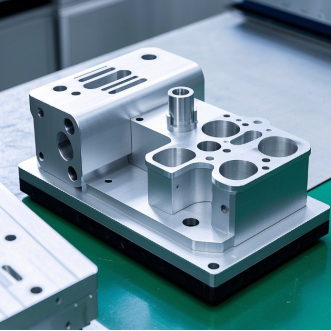
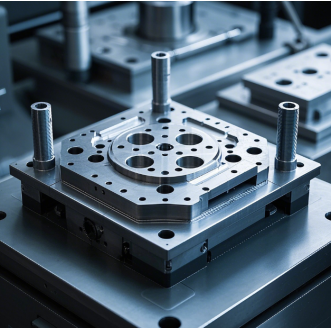
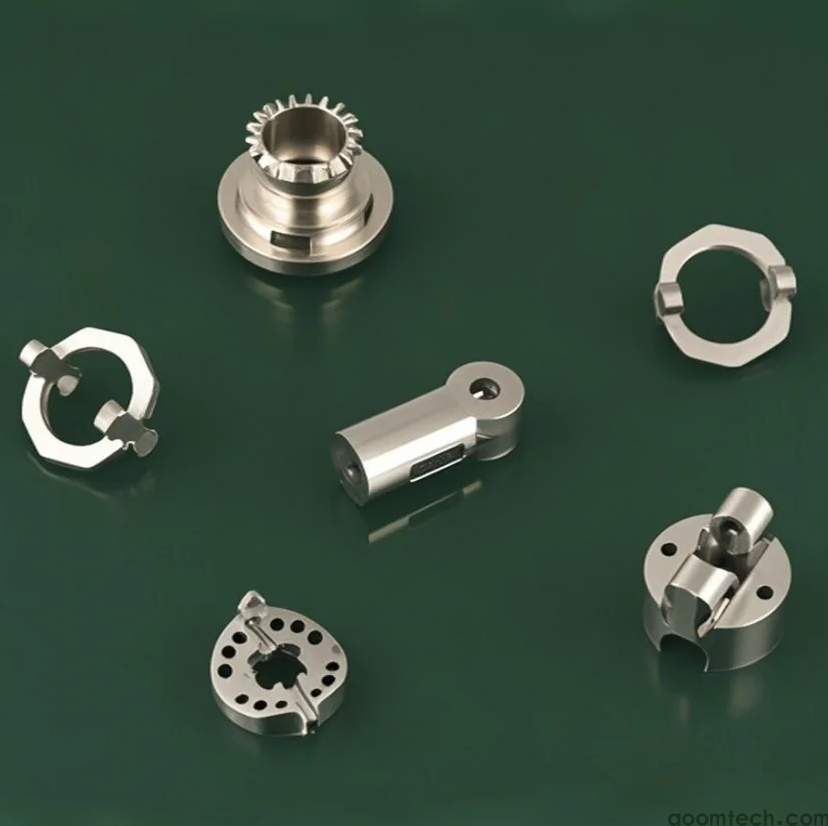
CNC Machining Services for Dust Removal Equipment Parts play a key role in modern industrial manufacturing. Dust removal systems are essential for keeping workplaces clean, safe, and compliant with environmental standards. These systems rely on many precisely made components, and CNC machining helps produce those parts with high accuracy, consistency, and durability.
This article explains what these services are, why they matter, how the machining process works, what materials are used, and how to choose a reliable supplier in a practical and easy-to-understand way.
Understanding Dust Removal Equipment and Its Parts
Dust removal equipment is widely used in industries such as manufacturing, mining, woodworking, cement production, and construction. Its main job is to collect and filter dust particles from the air, improving air quality and protecting both workers and machines.
Common types of dust removal systems include:
Bag filter systems – use fabric filter bags to trap dust particles
Cyclone separators – use centrifugal force to separate dust from air
Electrostatic precipitators – use electrical charge to capture fine particles
Each system contains many important parts such as housings, ducts, fan shafts, filter frames, inlet cones, and collection hoppers. Even small errors in these parts can reduce system efficiency or cause breakdowns. This is where CNC machining becomes essential.
Importance of CNC Machining for Dust Removal Equipment Parts
Precision Manufacturing
Dust removal systems require tight tolerances to ensure smooth airflow and proper sealing. CNC machining allows manufacturers to produce parts with extremely high precision based on digital designs.
When parts are not accurate, problems may occur such as:
Air leakage in ducts or housings
Reduced dust collection efficiency
Vibration or imbalance in rotating components
Premature equipment wear or failure
With CNC machining, every part is produced exactly as designed, improving the overall performance and reliability of the system.
Customization
Different industries require different dust control solutions. CNC machining makes it possible to create fully customized components based on specific working environments.
For example:
A mining site may need a reinforced cyclone inlet designed for heavy dust loads
A factory with limited space may require a compact filter housing design
A chemical plant may need corrosion-resistant duct fittings
These custom solutions are made possible through flexible programming and precise machining control. This is one of the biggest advantages of CNC Machining Services for Dust Removal Equipment Parts.
Consistent Quality
Once a CNC program is created, it can be used repeatedly to produce identical parts. This ensures stable quality across large production batches.
Consistent quality leads to:
Longer equipment service life
Lower maintenance costs
More stable dust collection performance
This consistency is especially important for large industrial dust removal systems where multiple identical parts must work together.
CNC Machining Processes for Dust Removal Equipment Parts
Milling
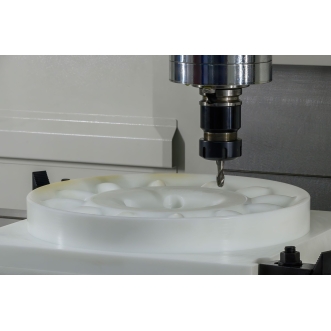
Milling is one of the most common processes used in manufacturing dust removal parts. A rotating cutting tool removes material from a solid block to create complex shapes.
Typical applications include:
Flat sealing surfaces for air-tight connections
Slots for filter installation
Complex 3D shapes such as fan housings or inlet cones
In CNC milling for dust removal parts, cutting speed, tool selection, and feed rate must be carefully adjusted depending on the material. For example, aluminum requires higher speeds, while stainless steel needs slower, stronger cutting conditions.
Turning
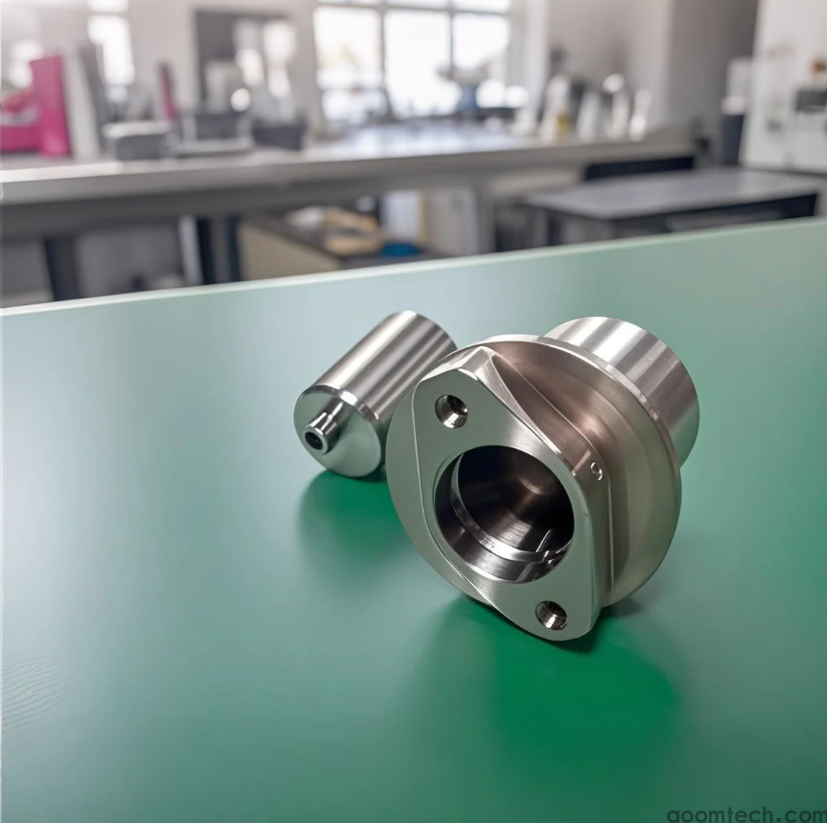
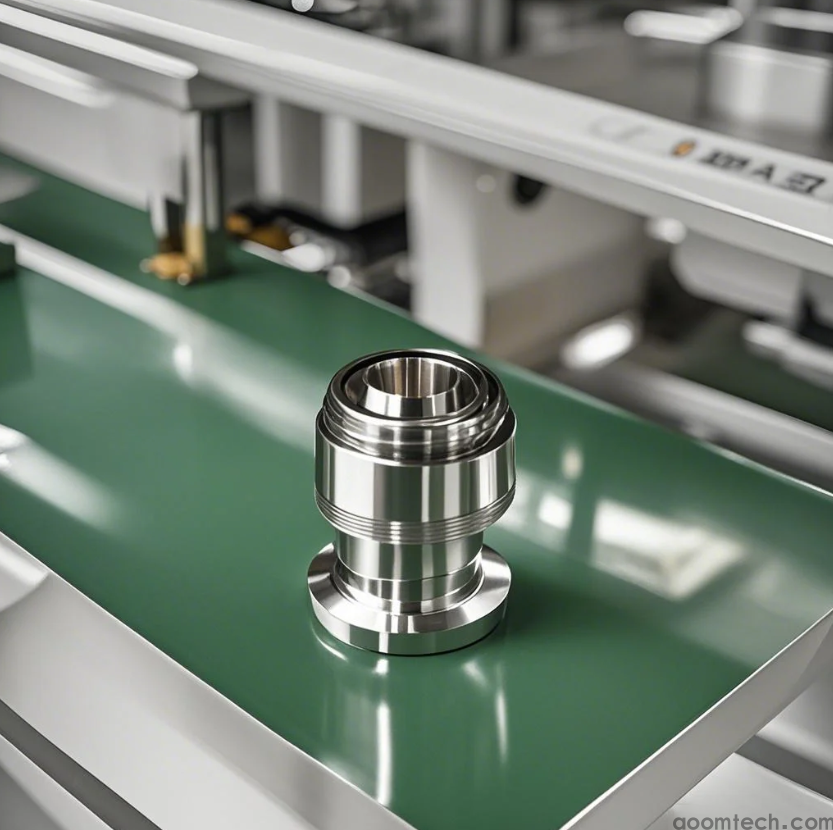
Turning is used to produce cylindrical components such as shafts, rollers, and rotating fan parts. The material rotates while the cutting tool shapes it into the required form.
This process is important for parts that require perfect balance and smooth rotation, such as fan shafts used in dust extraction systems.
Key factors in turning include:
High concentricity for smooth operation
Fine surface finishing to reduce friction
Precise diameter control for proper fitting
Drilling and Boring
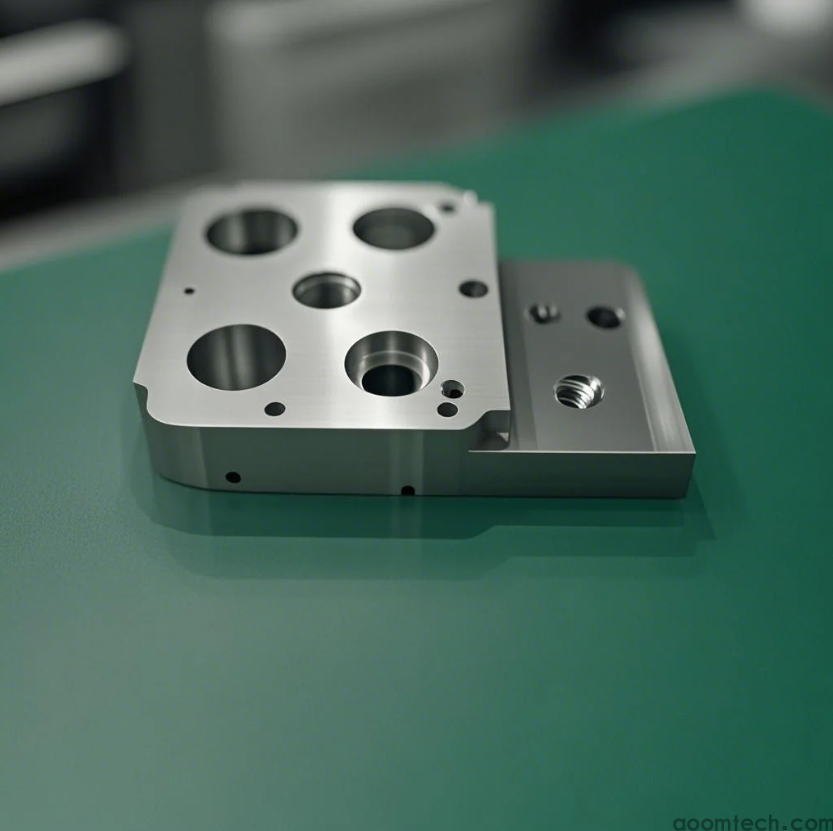
Drilling creates holes for bolts, fasteners, or airflow passages. Boring is used to enlarge and refine existing holes to precise dimensions.
These processes are critical in dust removal equipment because incorrect hole placement can lead to poor assembly or air leakage.
For example, accurate drilling ensures proper alignment of filter frames and structural supports in large dust collectors.
Materials Used in CNC Machining Dust Removal Equipment Parts
Metals
Metals are widely used because they provide strength, durability, and heat resistance.
Steel: Used for structural frames and heavy-duty components due to its strength
Stainless steel: Ideal for corrosive environments such as chemical plants or humid conditions
Aluminum: Lightweight material often used for fan components and housings
Each metal has unique machining characteristics. Stainless steel is harder to cut but highly durable, while aluminum is easier to machine and allows faster production.
Plastics
Plastics are also used in some dust removal components because they are lightweight, cost-effective, and corrosion-resistant.
Polypropylene (PP): Commonly used in filter-related parts due to chemical resistance
Polyethylene (PE): Offers good impact resistance for ducts and housings
PVC: Used in air ducts and connectors due to low cost and easy machining
When machining plastics, lower cutting speeds are often required to avoid melting or deformation. This ensures a smooth surface finish and accurate dimensions.
Understanding materials for CNC-machined dust equipment components is important for selecting the right design and machining strategy.
Choosing a CNC Machining Service Provider
Technical Expertise
A reliable provider should have strong experience in producing industrial components, especially for dust removal systems. They should understand airflow design, sealing requirements, and material behavior.
Good ways to evaluate expertise include:
Reviewing past projects and case studies
Checking engineering and machining qualifications
Inspecting sample parts for precision and finish quality
Experienced suppliers are more likely to deliver reliable CNC Machining Services for Dust Removal Equipment Parts that meet industrial requirements.
Quality Assurance
Strong quality control systems are essential. A professional manufacturer will inspect parts during and after production using precision instruments such as calipers, micrometers, and airflow testing tools.
A good quality assurance system includes:
In-process inspections to detect errors early
Final dimensional verification before delivery
Strict handling of non-conforming parts
This ensures every part meets design specifications and performs reliably in real working conditions.
Cost-Effectiveness and Lead Time
While cost is important, it should not compromise quality. A low-cost but inaccurate part may lead to system failure and higher long-term expenses.
When evaluating suppliers, consider:
Comparing multiple quotations
Checking production capacity and delivery speed
Reviewing on-time delivery history
A reliable partner offering choosing a provider for CNC dust removal equipment part machining services should balance price, quality, and delivery time effectively.
Conclusion
CNC Machining Services for Dust Removal Equipment Parts are essential for producing accurate, durable, and high-performance components used in industrial dust collection systems. From milling and turning to drilling and boring, CNC technology ensures precision and repeatability across all parts.
By selecting the right materials, applying proper machining processes, and choosing a skilled service provider, industries can significantly improve the efficiency and reliability of their dust removal systems.
In modern industrial environments where clean air and safety are critical, CNC machining is not just a manufacturing method—it is a foundation for better performance and sustainability.
RELATED PRODUCTS
-
Medical Brass CNC Machining Parts
-
Precision CNC Machining PEEK Services
-
Precision Custom CNC Machined Car Parts
-
cnc machining optical housings
-
Precision CNC Casting Machining Services
-
Precision Gear CNC Machining Services
-
Precision Stainless Steel Parts CNC Mach
-
CNC Machining of Precision Aluminum Tube
-
CNC Machining of Large Precision Aluminu
-
CNC Machining & Manufacturing of Pre