CNC Machining Services for High-Precision parts
Introduction to CNC Machining Services for High-Precision Parts
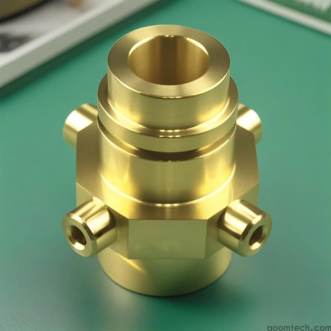
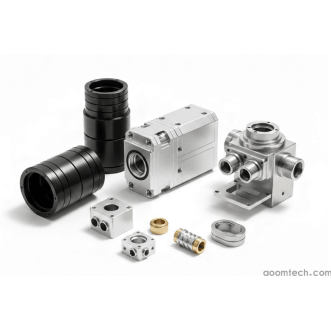
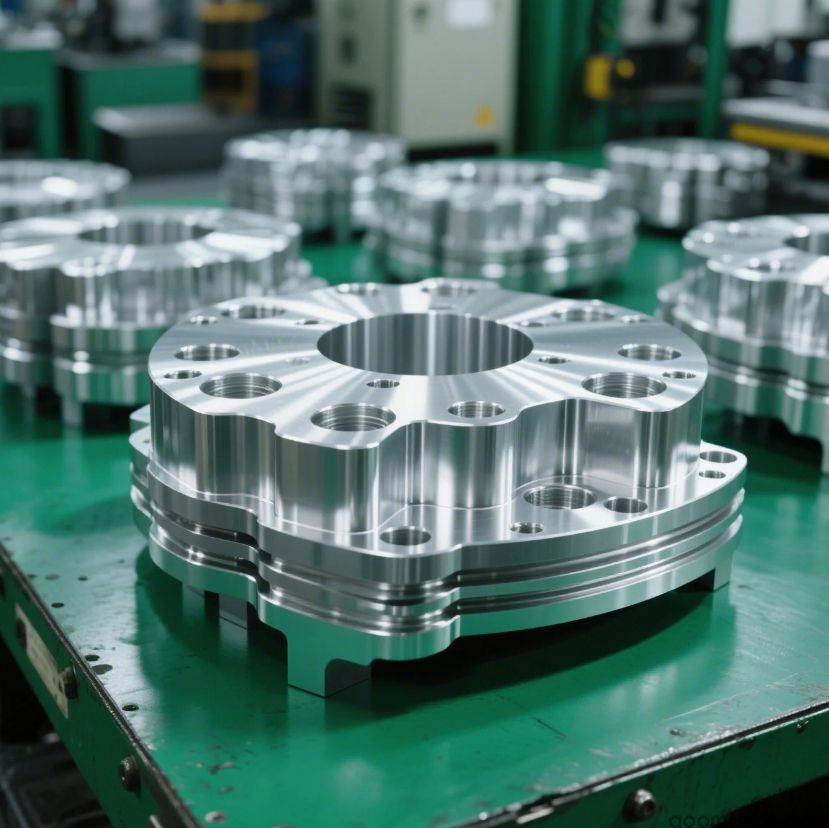
CNC Machining Services for High-Precision Parts are advanced manufacturing solutions used to produce components with extremely tight tolerances and excellent repeatability. These parts are essential in industries where even the smallest dimensional error can affect performance, safety, or reliability.
High-precision parts are widely used in aerospace systems, medical devices, electronics, robotics, and scientific instruments. For example, aircraft engines rely on precisely machined turbine components to ensure efficient combustion and safe operation. In medical equipment such as surgical tools or implantable devices, accuracy is directly linked to patient safety and treatment success.
Without high-precision manufacturing, modern technology would not function reliably. This is why CNC (Computer Numerical Control) machining has become a core process in producing these critical components.
The Significance of High-Precision Parts
High-precision parts are the backbone of many advanced engineering systems. They are designed to meet strict dimensional requirements, often within microns (0.001 mm). These tight tolerances ensure that parts fit together perfectly and perform their intended functions without failure.
In aerospace engineering, a small deviation in a fuel system component or turbine blade can lead to reduced efficiency or system failure. In the medical industry, surgical instruments and implants must meet exact specifications to avoid complications during procedures.
In electronics, miniaturized components such as connectors, sensors, and housings require precise machining to maintain signal integrity and thermal stability. These examples highlight why precision is not optional but essential.
Importance of CNC Machining for High-Precision Parts
Precision Manufacturing
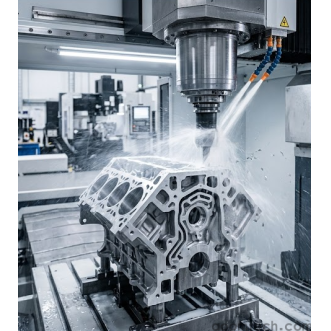
CNC machining enables extremely accurate production by using computer-controlled cutting tools. Once a design is programmed, the machine follows exact coordinates to replicate the part consistently.
This level of precision allows manufacturers to achieve tolerances in the micron range. Such accuracy is crucial for ensuring that parts integrate seamlessly into complex systems.
If precision is not maintained, it can lead to mechanical failure, vibration issues, energy loss, or safety risks in critical applications.
Complex Geometries and Customization
CNC technology makes it possible to manufacture parts with complex shapes that would be impossible using traditional methods. Internal cavities, curved surfaces, micro-features, and multi-axis geometries can all be achieved with CNC systems.
For example, semiconductor manufacturing tools require micro-machined components with extremely fine structures. Similarly, custom orthopedic implants must match a patient’s unique anatomy for proper fit and performance.
This flexibility allows engineers to innovate without being limited by manufacturing constraints.
Consistent Quality
Once a CNC program is validated, it can produce identical parts repeatedly with minimal variation. This ensures consistent quality across mass production runs.
Consistency reduces assembly time, lowers rejection rates, and improves overall product reliability. It is especially important in industries where large batches of identical precision parts are required.
CNC Machining Processes for High-Precision Parts
Milling
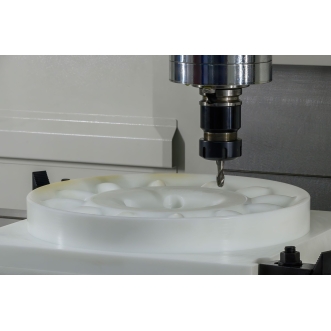
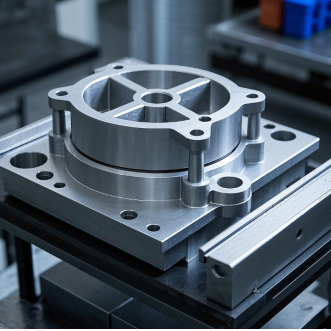
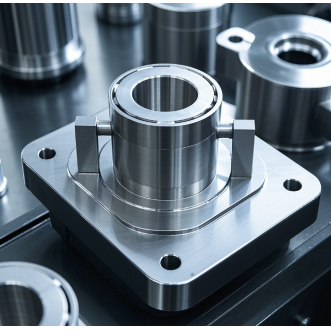
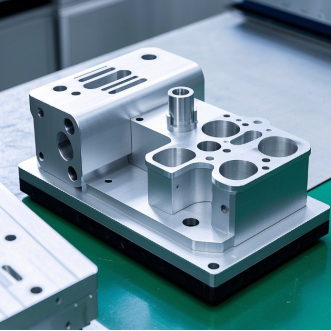
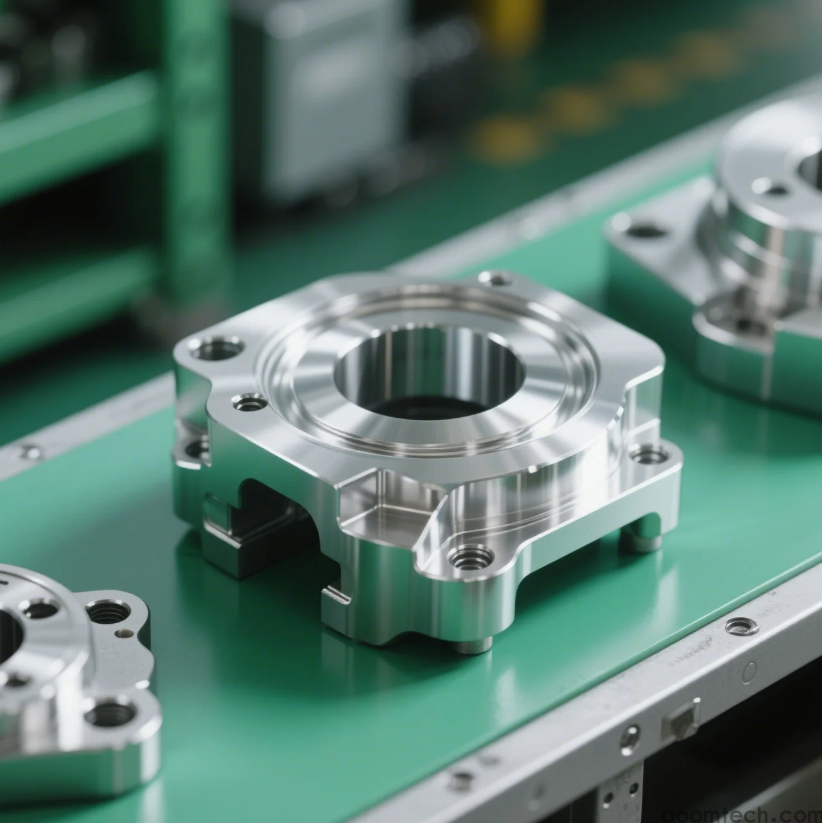
CNC milling for high-precision parts involves a rotating cutting tool that removes material from a workpiece. It is used to create flat surfaces, slots, holes, and complex 3D shapes.
Tool selection depends on material type and required geometry. For example, carbide tools are often used for hardened steel, while high-speed steel tools may be used for softer metals like aluminum.
Key parameters such as spindle speed, feed rate, and depth of cut must be carefully controlled. Improper settings can affect surface finish and dimensional accuracy.
Milling is widely used in aerospace brackets, electronic housings, and precision mechanical components.
Turning
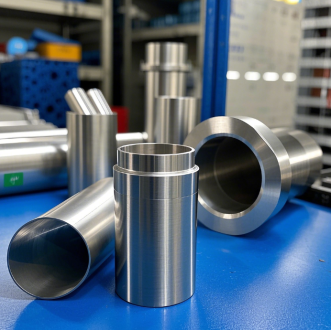
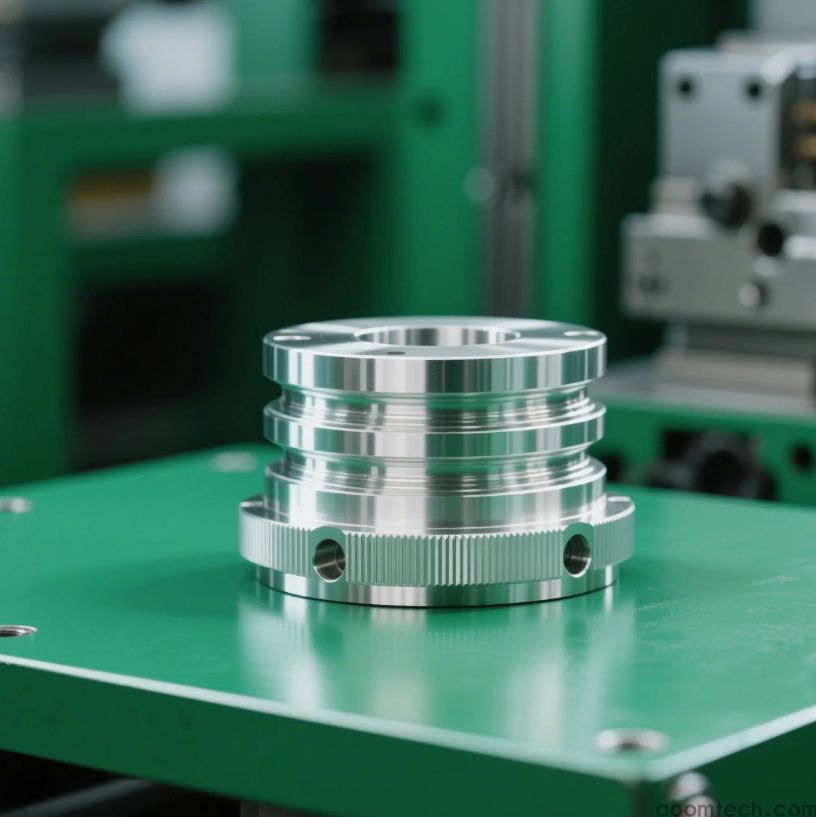
Turning is a CNC process used to produce cylindrical parts. The workpiece rotates while a cutting tool removes material to form the desired shape.
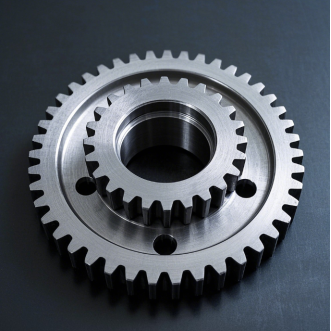
This process is commonly used for shafts, bushings, threaded components, and rotational parts. Maintaining concentricity is critical to ensure smooth operation in high-speed systems.
For example, a motor shaft must be perfectly balanced and smooth to avoid vibration and wear during operation.
Electrical Discharge Machining (EDM)
Electrical Discharge Machining (EDM) is used for extremely hard materials or intricate geometries that cannot be achieved through traditional cutting.
It works by using controlled electrical sparks to erode material from the workpiece. There are two main types: wire EDM and die-sinking EDM.
Wire EDM is commonly used for cutting precise profiles, while die-sinking EDM is used for creating complex cavities and molds.
Although EDM is slower than conventional machining, it provides unmatched precision for specialized applications.
Materials Used in CNC Machining of High-Precision Parts
Metals
Metals are the most commonly used materials in precision machining due to their strength and durability.
Stainless Steel: Offers corrosion resistance and strength, widely used in medical and industrial applications.
Titanium: Known for its high strength-to-weight ratio and biocompatibility, commonly used in aerospace and medical implants.
Aluminum Alloys: Lightweight and easy to machine, ideal for electronics and automotive components.
High-Strength Alloys: Designed for extreme environments such as aerospace engines and racing systems.
Each material requires different cutting strategies, tool selection, and machining parameters to ensure accuracy and surface quality.
Ceramics and Composites
Ceramics offer high hardness, wear resistance, and thermal stability. They are often used in electronics, insulation systems, and high-temperature environments.
Composites such as carbon-fiber-reinforced polymers combine strength and low weight, making them ideal for aerospace and automotive applications.
However, these materials are more difficult to machine due to brittleness or fiber structure, requiring specialized CNC techniques and tooling.
Choosing a CNC Machining Service Provider for High-Precision Parts
Technical Expertise
When selecting a provider, technical expertise is one of the most important factors. A reliable manufacturer should understand complex geometries, material behavior, and precision machining strategies.
You can evaluate expertise by reviewing case studies, examining sample parts, and checking the qualifications of engineering and machining teams.
A strong provider should also be able to advise on design optimization for manufacturability.
Quality Assurance
A robust quality control system ensures that every part meets strict specifications. Professional CNC machining companies use advanced inspection tools such as Coordinate Measuring Machines (CMM), optical comparators, and surface profilometers.
Quality assurance typically includes in-process inspection, final inspection, and documentation of measurement results.
Non-conforming parts should be identified early and corrected to prevent production issues. This ensures reliability and consistency across all outputs.
Cost-Effectiveness and Lead Times
While cost is important, it should not compromise quality. The cheapest option may not always deliver the required precision or reliability.
A good provider offers transparent pricing, stable production capacity, and realistic lead times. On-time delivery is especially important in industries with strict project schedules.
Comparing multiple suppliers and reviewing their delivery performance history can help ensure the best balance between cost and quality.
When evaluating suppliers, consider choosing a provider for CNC high-precision part machining who demonstrates consistency, technical strength, and strong communication.
Conclusion
CNC Machining Services for High-Precision Parts play a critical role in modern manufacturing. They enable the production of highly accurate, complex, and reliable components used in some of the most advanced industries in the world.
From CNC milling for high-precision parts to EDM processes and advanced material machining, CNC technology ensures unmatched precision and repeatability. The choice of materials for CNC-machined high-precision components also plays a key role in performance and durability.
By selecting an experienced and quality-focused manufacturer, businesses can ensure product reliability, reduce production risks, and improve long-term performance in demanding applications.
Key Long-Tail Keywords Covered
CNC milling for high-precision parts
materials for CNC-machined high-precision components
choosing a provider for CNC high-precision part machining
high-precision CNC turning services
custom CNC machining for tight tolerance components
RELATED PRODUCTS
-
Medical Brass CNC Machining Parts
-
Precision CNC Machining PEEK Services
-
Precision Custom CNC Machined Car Parts
-
cnc machining optical housings
-
Precision CNC Casting Machining Services
-
Precision Gear CNC Machining Services
-
Precision Stainless Steel Parts CNC Mach
-
CNC Machining of Precision Aluminum Tube
-
CNC Machining of Large Precision Aluminu
-
CNC Machining & Manufacturing of Pre