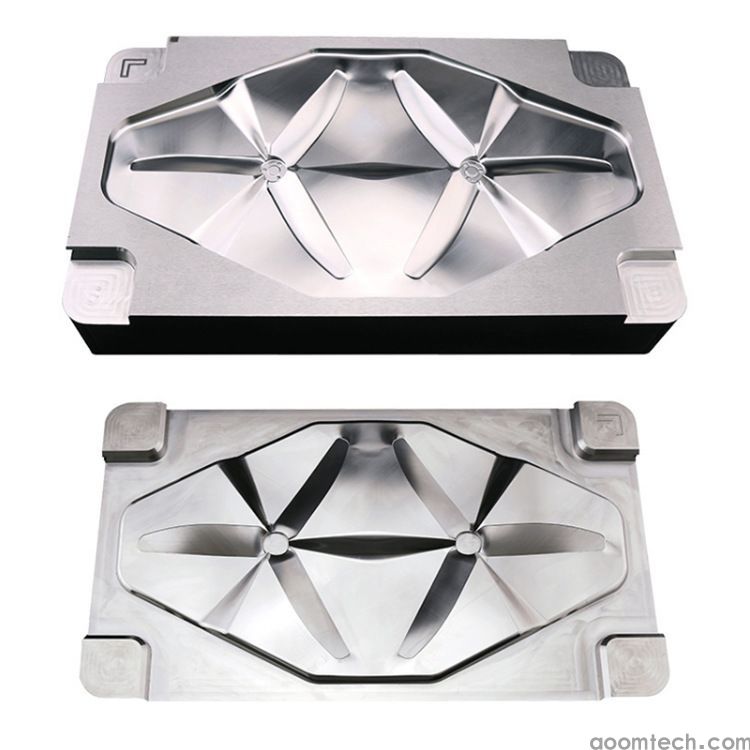
CNC Machining Services for Mold parts
Introduction to CNC Machining Services for Mold Parts
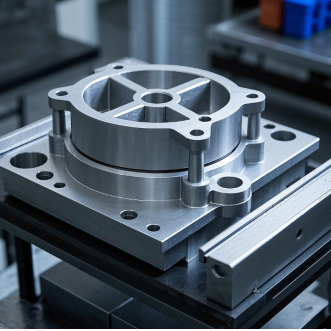
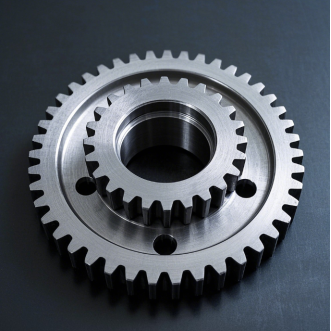
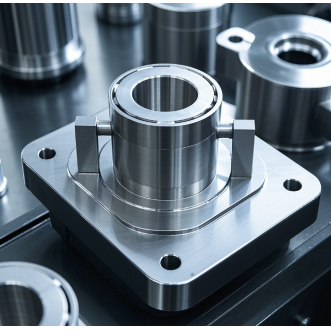
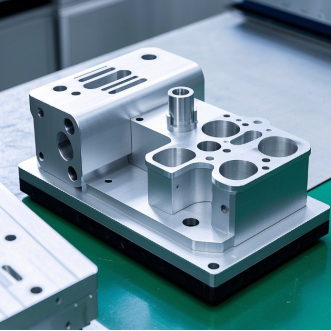
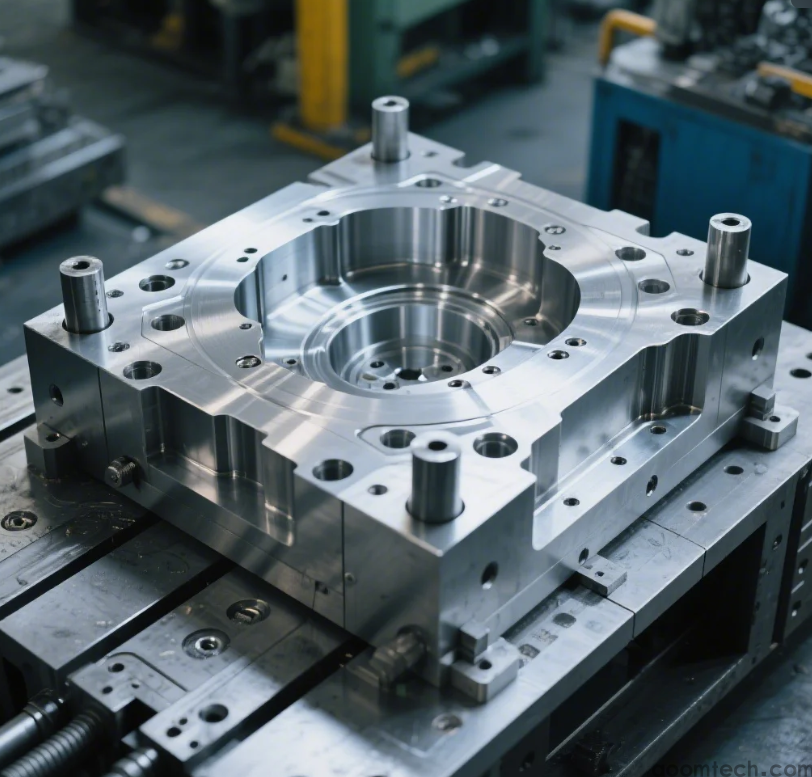
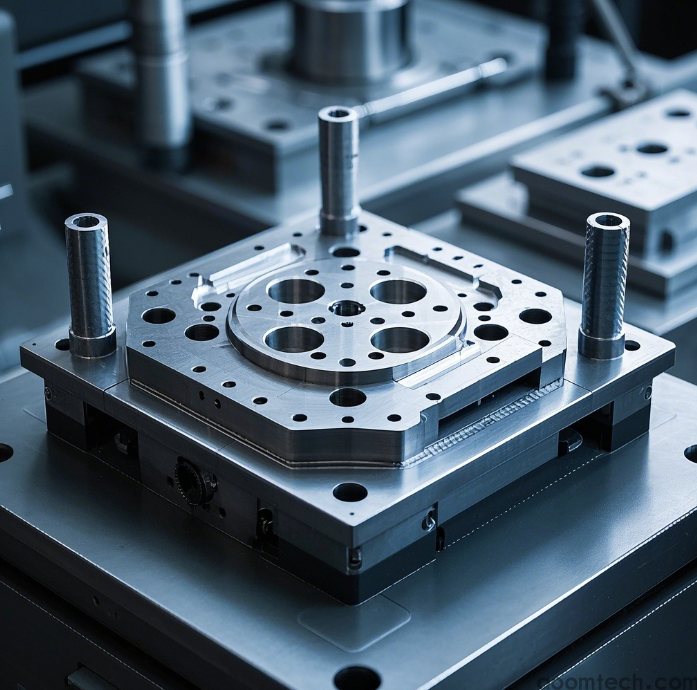
CNC Machining Services for Mold Parts play a key role in modern manufacturing. Mold parts are the core elements used to shape products we see and use every day. From plastic bottles and toy parts to car components and electronic device housings, nearly all mass-produced items depend on molds to achieve consistent shape and quality.
These molds must be extremely precise and durable. This is where CNC (Computer Numerical Control) machining becomes essential. It allows manufacturers to produce mold components with high accuracy, repeatability, and efficiency, ensuring that every finished product meets strict design requirements.
The Significance of Mold Parts
Mold parts determine the final shape, size, and surface finish of manufactured products. Without well-designed and well-machined mold components, production would suffer from defects, waste, and inconsistent quality.
Different industries rely on different types of molds:
Injection molds – used for plastic products such as bottles, containers, and electronic housings.
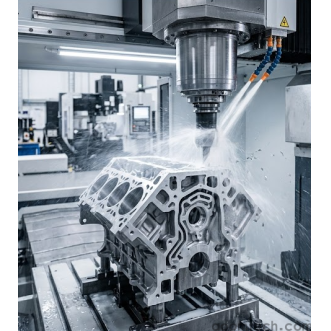
Die-casting molds – used for metal parts such as aluminum engine blocks and industrial components.
Blow molds – used for hollow plastic products like bottles and tanks.
In all these cases, mold parts must be manufactured with extreme precision to ensure smooth production and long service life.
Importance of CNC Machining for Mold Parts
Precision Manufacturing
One of the biggest advantages of CNC machining is its ability to achieve extremely tight tolerances. Mold parts must match design specifications exactly; even a small deviation can lead to serious production problems.
For example, if a mold cavity is not machined correctly, the final product may have:
Incorrect dimensions
Surface defects
Assembly issues
Mold wear or failure
CNC technology ensures that every cut is controlled by computer programming, reducing human error and improving consistency.
Complex Geometries and Customization
Modern products often require complex shapes and fine details. CNC machining allows manufacturers to produce mold parts with highly complex geometries that would be difficult or impossible using traditional methods.
For example, CNC milling for mold parts can create:
Intricate cavity shapes
Fine surface textures for product appearance
Internal cooling channels for faster production cycles
These features improve both the performance of the mold and the quality of the final product.
Cost-effectiveness for Mass Production
Although CNC machining requires initial programming and setup, it becomes highly cost-effective for producing mold parts in batches. Once the program is created, it can be reused to manufacture identical components with consistent quality.
This reduces production costs per unit and is especially beneficial for industries that require large-scale manufacturing, such as automotive, electronics, and consumer goods.
CNC Machining Processes for Mold Parts
Milling
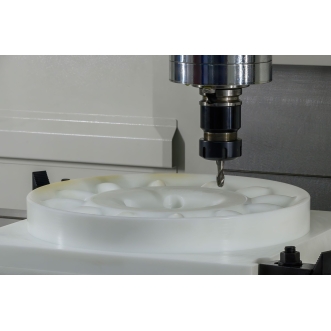
Milling is one of the most common CNC processes used in mold manufacturing. A rotating cutting tool removes material from a solid workpiece to form the desired shape.
It is widely used for:
Flat surfaces
Mold cavities
3D contour shaping
Tool selection and cutting parameters such as spindle speed, feed rate, and depth of cut are carefully adjusted depending on the material. For example, hardened steel requires slower speeds and stronger cutting tools compared to aluminum.
EDM (Electrical Discharge Machining)
EDM is a highly precise process used for hard materials and complex shapes. It removes material using controlled electrical discharges rather than physical cutting.
There are two main types:
Wire EDM – used for cutting detailed 2D profiles and sharp shapes
Die-sinking EDM – used for creating deep cavities and complex 3D structures
EDM is especially useful for mold parts requiring sharp internal corners or very fine details. However, it is generally slower than milling.
Drilling and Boring
Drilling and boring processes are essential for creating precise holes in mold parts. These holes are used for cooling channels, ejector pins, and assembly components.
Accurate hole placement is critical. Even a small error can affect mold alignment and product quality. Boring is often used after drilling to enlarge and refine holes to exact dimensions.
Materials Used in CNC Machining of Mold Parts
Metals
Metals are the most commonly used materials in mold manufacturing. Each metal offers different advantages depending on the application.
Tool Steel – high hardness, excellent wear resistance, ideal for long production cycles.
Aluminum – lightweight, easy to machine, and offers good thermal conductivity for faster cooling.
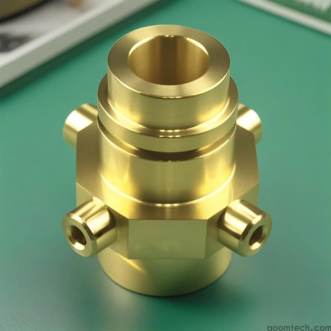
Copper – excellent heat and electrical conductivity, often used in EDM electrodes.
When selecting materials for CNC-machined mold components, engineers consider durability, thermal performance, and machining difficulty.
Ceramics and Composites
In some specialized applications, ceramics and composite materials are used. Ceramics offer high hardness and resistance to heat and wear, making them suitable for extreme environments.
Composites combine strength and lightweight properties, but they can be more difficult to machine due to their layered structure. Specialized tools and techniques are required to avoid damage during processing.
Choosing a CNC Machining Service Provider for Mold Parts
Technical Expertise
When selecting a provider for CNC mold part machining, technical expertise is one of the most important factors. A reliable manufacturer should have experience working with different mold types, materials, and CNC technologies.
You can evaluate expertise by:
Reviewing past project case studies
Checking engineering qualifications and experience
Inspecting sample mold components
Providers with industry experience in automotive, electronics, or industrial molds are often better equipped to handle complex requirements.
Quality Assurance
A strong quality control system ensures that every mold part meets strict standards. Professional providers use advanced inspection tools such as:
Coordinate Measuring Machines (CMM)
Surface roughness testers
Hardness testing equipment
Quality control includes in-process inspection and final inspection. This helps detect errors early and ensures consistent accuracy throughout production.
Cost-effectiveness and Lead Times
Cost and delivery time are also important considerations when choosing a provider for CNC mold part machining. However, the lowest price does not always mean the best value.
A good service provider should offer:
Transparent and competitive pricing
Reliable production schedules
Consistent on-time delivery
Comparing multiple suppliers helps manufacturers find the right balance between cost, quality, and delivery speed.
Conclusion
CNC Machining Services for Mold Parts are essential in modern manufacturing industries. They ensure high precision, enable complex designs, and support cost-effective mass production. From milling and EDM to drilling and boring, each process contributes to creating reliable and accurate mold components.
By understanding materials, machining methods, and supplier selection criteria, manufacturers can improve product quality and reduce production risks. Choosing the right partner for choosing a provider for CNC mold part machining ensures long-term success in competitive global markets.
RELATED PRODUCTS
-
Medical Brass CNC Machining Parts
-
Precision CNC Machining PEEK Services
-
Precision Custom CNC Machined Car Parts
-
cnc machining optical housings
-
Precision CNC Casting Machining Services
-
Precision Gear CNC Machining Services
-
Precision Stainless Steel Parts CNC Mach
-
CNC Machining of Precision Aluminum Tube
-
CNC Machining of Large Precision Aluminu
-
CNC Machining & Manufacturing of Pre