CNC Machining Services for Molds
Introduction to CNC Machining Services for Molds
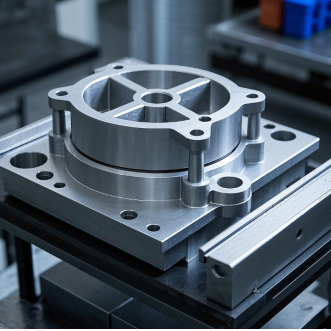
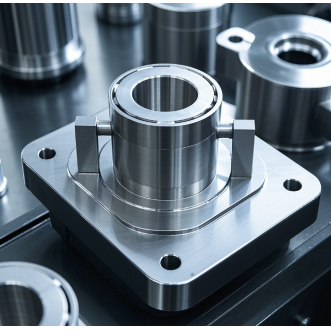
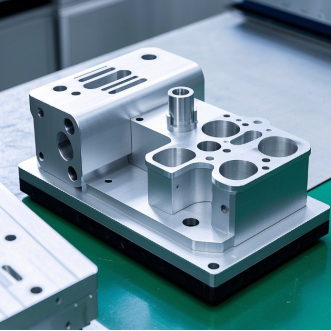
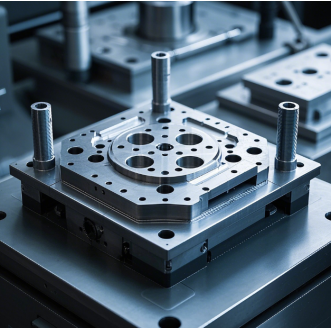
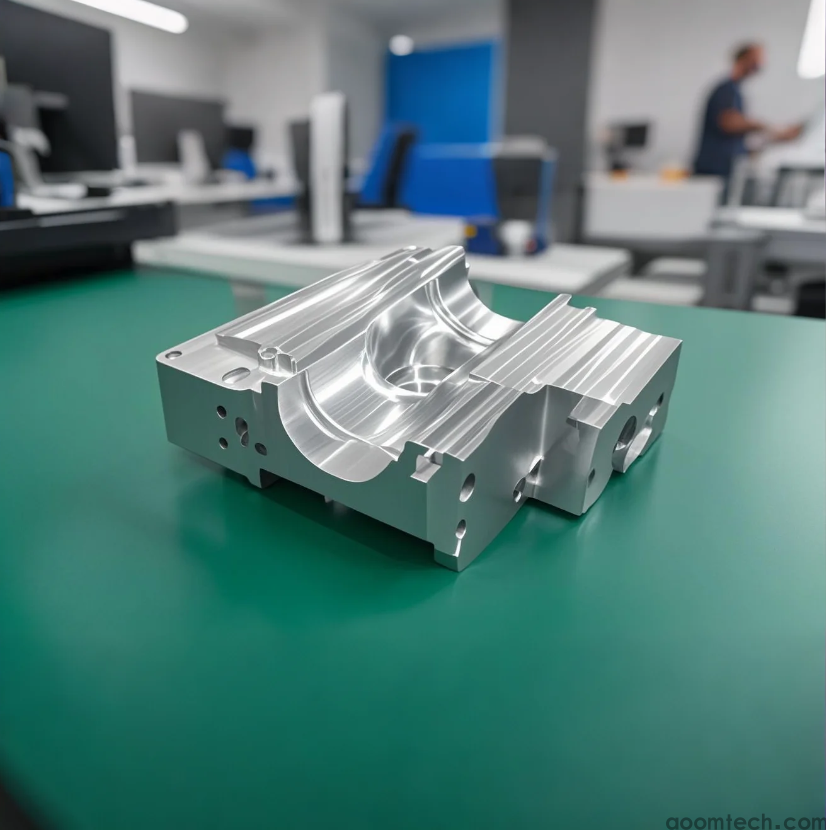
CNC Machining Services for Molds play an important role in modern manufacturing. Molds are used in many industries such as plastics, automotive, medical, and electronics. They are essential tools for producing large quantities of identical parts with stable quality.
CNC machining provides a precise and efficient way to manufacture molds. With computer-controlled cutting tools, manufacturers can create highly accurate mold shapes, reduce production time, and improve repeatability. This leads to better product consistency, faster production cycles, and lower defect rates in mass production.
The Significance of CNC Machining in Mold Manufacturing
Molds are the foundation of mass production. Whether producing plastic phone cases, automotive components, or electronic housings, the quality of the mold directly affects the final product.
CNC-machined molds ensure that each cavity and core is accurately formed. This improves production stability and reduces variation between parts. As a result, manufacturers can produce thousands or even millions of consistent products with fewer errors and less waste.
Advantages of CNC in Mold Machining
High Precision
One of the main advantages of CNC in mold machining is high precision. CNC machines follow digital instructions, which means every detail of the mold is cut exactly as designed.
This is especially important in industries like electronics, where plastic enclosures for devices such as smartphones require tight tolerances. A high-precision CNC-machined mold ensures the final product fits perfectly without gaps or misalignment.
For example, a smartphone case mold produced with CNC machining can achieve smooth edges and perfect alignment, resulting in a seamless final product with no visible parting lines.
Complex Geometry Capability
CNC machining can create highly complex mold shapes that would be difficult or impossible with manual methods. This includes undercuts, fine textures, and 3D surface designs.
In the automotive industry, molds often include internal cooling channels and complex structures. CNC machines can accurately produce these internal features based on digital models.
For instance, a decorative plastic panel mold with a detailed 3D embossed surface can be fully realized using CNC machining, ensuring every pattern is sharp and consistent.
Consistency in Production
Another key benefit is repeatability. Once the CNC program is created, the machine can produce identical molds with consistent quality.
This is extremely important for mass production. A manufacturer producing thousands of plastic components can rely on CNC-machined molds to ensure every part has the same dimensions and quality standards.
Process Steps of CNC Machining for Molds
Design and CAD/CAM Programming
The process begins with CAD (Computer-Aided Design). Engineers create a detailed 3D model of the mold, including cavities, cores, and cooling channels.
Next, CAM (Computer-Aided Manufacturing) software converts the design into machine instructions. These instructions define toolpaths, cutting speeds, feed rates, and spindle speeds.
For complex molds such as multi-cavity medical device molds, programming must carefully control tool movement to ensure precision and avoid collisions.
Material Selection and Preparation
Choosing the right material is critical in mold manufacturing. Common materials include steel, aluminum, and alloy steels.
Steel is often used for high-volume production due to its durability, while aluminum is preferred for prototyping because it is easier to machine.
Before machining, materials are cut to size and may undergo heat treatment to improve hardness and strength. Harder materials require stronger cutting tools and slower machining speeds.
Machining Operations
Milling
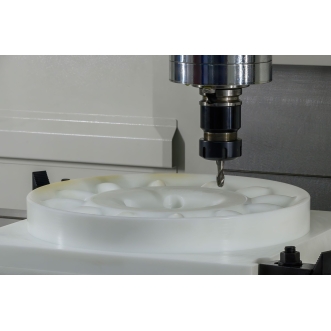
Milling is the main process used in mold machining. It shapes cavities, cores, and surfaces using different cutting tools such as end mills and ball-nose mills.
Ball-nose mills are commonly used for smooth curved surfaces, while flat end mills are used for flat areas and rough cutting.
Drilling
Drilling creates holes for cooling channels, ejector pins, and fasteners. Precision is important to ensure correct alignment and depth.
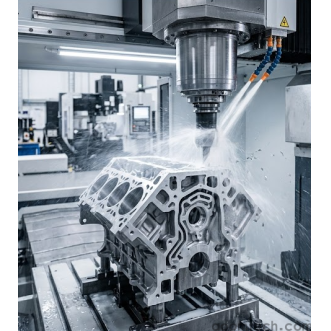
Coolant is often used to reduce heat and improve tool life during drilling operations.
Electrical Discharge Machining (EDM)
EDM is used when features are too complex or too deep for standard cutting tools. It removes material using electrical sparks instead of physical contact.
For example, EDM can create sharp internal corners or deep undercuts in injection molds that milling tools cannot reach.
Finishing Operations
After machining, molds often require finishing processes such as polishing, heat treatment, or coating.
Polishing improves surface smoothness, which helps molded parts release easily. Coatings such as chrome plating improve wear resistance and corrosion protection, extending mold life.
Tooling for CNC Mold Machining
Milling Tools
Milling tools are essential in mold production. Carbide end mills are widely used because they are strong and wear-resistant.
Ball-nose cutters are used for curved surfaces, while face mills are used for fast removal of material on flat surfaces.
For example, a carbide ball-nose tool can create a smooth finish on a complex mold cavity surface.
Drill Bits
Drill bits are selected based on material hardness and hole size. High-speed steel (HSS) and carbide drills are commonly used.
Special drill designs, such as split-point drills, improve accuracy and reduce tool wandering during drilling.
EDM Electrodes
In EDM processes, electrodes are used to shape the mold. Common materials include copper and graphite.
The electrode must match the desired mold shape precisely. For example, a graphite electrode can be used to form detailed internal features in a plastic injection mold.
Challenges in CNC Machining for Molds
Complex Geometry Machining
One of the main challenges in CNC machining for molds is handling complex geometries. Thin walls, sharp edges, and deep cavities require advanced programming and careful tool selection.
Small errors can lead to defects in both the mold and final products, especially in high-precision industries like medical devices.
Heat Generation and Tool Wear
High-speed cutting generates heat, which can reduce tool life and affect accuracy. Without proper cooling and cutting strategies, tools may wear quickly.
To solve this, manufacturers use coolant systems, optimized cutting speeds, and wear-resistant tools.
Cost-Effectiveness in Small-Batch Production
For small production runs, CNC mold manufacturing can be expensive due to setup and programming costs.
Manufacturers often reduce costs by reusing tooling designs or optimizing machining strategies for multiple projects.
Choosing a CNC Mold Machining Service Provider
Experience and Expertise
When choosing a CNC mold machining service provider, experience is very important. Skilled providers understand material behavior, machining strategies, and industry requirements.
A company with proven experience in automotive or electronics molds is more likely to deliver reliable results.
Quality Assurance
A strong quality control system ensures that every mold meets required standards. This includes inspections during machining and final measurement checks using precision instruments.
Certified providers can reduce the risk of defects and improve production reliability.
Cost-Effectiveness
Cost is always an important factor. However, the lowest price is not always the best choice. It is better to balance cost with quality and service reliability.
Comparing multiple providers and reviewing their capabilities can help businesses make better decisions. In some cases, ordering in larger quantities can also reduce overall costs.
Conclusion: Making the Right Choice for CNC Mold Machining Services
CNC Machining Services for Molds are essential for modern manufacturing industries that require precision, efficiency, and consistency. From design to finishing, every step plays an important role in mold quality.
Understanding the process steps of CNC machining for molds, tooling options, benefits, and challenges helps businesses make informed decisions. Whether focusing on precision, complexity, or cost, choosing the right service provider is key to long-term success.
By carefully evaluating experience, quality systems, and production capabilities, manufacturers can ensure reliable mold performance and stable mass production results.
RELATED PRODUCTS
-
Medical Brass CNC Machining Parts
-
Precision CNC Machining PEEK Services
-
Precision Custom CNC Machined Car Parts
-
cnc machining optical housings
-
Precision CNC Casting Machining Services
-
Precision Gear CNC Machining Services
-
Precision Stainless Steel Parts CNC Mach
-
CNC Machining of Precision Aluminum Tube
-
CNC Machining of Large Precision Aluminu
-
CNC Machining & Manufacturing of Pre