CNC Machining Services for Motorcycle Parts
Modern motorcycles rely on strong, precise, and lightweight components to deliver safe and smooth performance. CNC Machining Services for Motorcycle Parts play an important role in producing these high-quality components with accuracy and consistency. From engine parts to custom accessories, CNC machining helps manufacturers meet strict performance and safety requirements while also supporting design innovation.
This article explains the importance, advantages, processes, challenges, and selection tips for CNC machining in motorcycle part production in simple and clear language.
Introduction to CNC Machining Services for Motorcycle Parts
The Significance of CNC Machining in Motorcycle Parts Production
The motorcycle industry demands parts that must work under high speed, vibration, and heat conditions. Even a small error in size or shape can affect safety and performance. CNC machining solves this problem by producing parts with high precision and repeatability.
CNC-machined motorcycle parts improve riding comfort, engine efficiency, durability, and appearance. Whether it is a commuter bike or a high-performance racing motorcycle, precision parts are essential for reliable operation.
Advantages of CNC Machining for Motorcycle Parts
Precision and Consistency
One of the biggest advantages of CNC machining for motorcycle parts is high precision. CNC machines follow computer instructions to produce identical parts with very tight tolerances.
For example, engine components like pistons and valves must fit perfectly inside the engine. A CNC-machined piston ensures smooth movement, better combustion, and improved fuel efficiency. In real applications, improved piston accuracy can increase engine power output while reducing fuel waste.
Customization Options
CNC machining allows manufacturers and riders to create custom motorcycle parts based on personal design ideas. This includes unique exhaust systems, handlebar designs, engine covers, and decorative components.
For example, a CNC-machined alloy wheel with a special spoke pattern can significantly improve the motorcycle’s visual appeal while maintaining strength and balance. Custom parts help riders personalize their motorcycles without losing performance quality.
Material Compatibility
CNC machining works well with many materials used in motorcycle production, including aluminum, steel, and titanium. Each material serves a different purpose depending on strength, weight, and durability needs.
For example, aluminum is commonly used for lightweight frames and engine covers. CNC machining allows aluminum to be shaped into strong yet lightweight structures, improving fuel efficiency and handling. Steel is often used for heavy-duty parts like axles, while titanium is used in high-performance racing components.
Process of CNC Machining Motorcycle Parts
Design and CAD/CAM Programming
The process of CNC machining motorcycle parts starts with digital design. Engineers use CAD (Computer-Aided Design) software to create a 3D model of the part. This model includes exact dimensions and functional requirements.
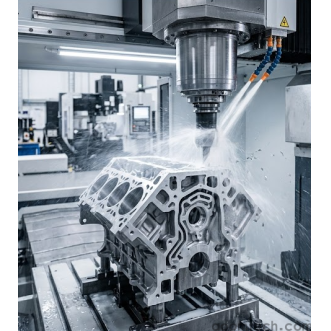
Next, CAM (Computer-Aided Manufacturing) software converts the design into machine instructions. These instructions define tool paths, cutting speed, and movement direction. For example, a complex engine block design may require multiple tool paths to achieve internal channels and precise surfaces.
Material Selection and Preparation
Choosing the right material is important for performance and safety. The material must match the part’s function, such as heat resistance for engine parts or strength for structural components.
Before machining, raw materials are cut, inspected, and sometimes heat-treated. For example, machining a steel crankshaft requires slower cutting speeds and stronger tools due to hardness, while aluminum can be machined faster but needs care to avoid deformation.
Machining Operations
Milling
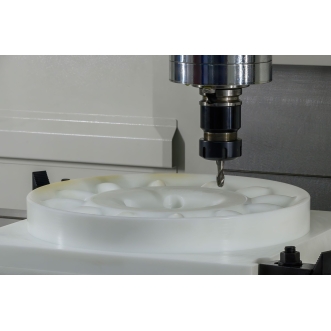
Milling is used to create complex shapes, flat surfaces, and detailed structures. It is commonly used for engine cylinder heads, where precise combustion chamber shapes are required. Proper cutting speed and tool selection help achieve smooth surfaces and accurate dimensions.
Turning
Turning is used for cylindrical parts like shafts, axles, and engine components. The workpiece rotates while a cutting tool shapes it. High precision is needed to ensure balance and smooth operation in moving parts.
Drilling and Boring
Drilling creates holes for bolts and connectors, while boring improves hole accuracy. For example, engine cylinders require precise boring to ensure correct piston movement and compression performance.
Finishing Operations
After machining, finishing processes improve appearance and performance. Common methods include polishing, anodizing, and painting.
For example, anodizing aluminum motorcycle parts improves corrosion resistance and gives a clean, attractive surface finish. This is especially useful for outdoor and high-exposure components.
Challenges in CNC Machining Motorcycle Parts
High-Precision Requirements
The challenges in CNC machining motorcycle parts include strict accuracy requirements. Even tiny measurement errors can affect safety and performance.
For example, a poorly machined brake caliper may cause uneven braking force, increasing stopping distance and reducing safety.
Material-Specific Challenges
Different materials behave differently during machining. Aluminum may deform due to heat, while steel requires stronger tools and slower cutting speeds.
For example, during aluminum frame machining, heat control is important to prevent warping and maintain correct geometry.
Cost-Effectiveness in Small-Batch Production
Motorcycle parts are often produced in small batches, especially for custom or premium models. CNC setup costs can be high, making cost control important.
Manufacturers often reduce costs by optimizing tool paths, improving material usage, and standardizing designs where possible without affecting quality.
Choosing a CNC Service Provider for Motorcycle Parts
Experience in Motorcycle Part Machining
When choosing a CNC service provider for motorcycle parts, experience is very important. Providers familiar with motorcycle components understand performance requirements and industry standards.
For example, an experienced manufacturer can solve issues like vibration resistance in transmission parts by improving machining accuracy and material selection.
Quality Assurance System
A strong quality control system ensures each part meets safety and performance standards. This includes inspection during production and final testing before delivery.
Regular measurement checks help detect errors early, reducing waste and ensuring consistency across all parts.
Technology and Equipment
Modern CNC machines with multi-axis capabilities can produce more complex and accurate motorcycle parts. Advanced equipment improves speed, precision, and surface quality.
For example, a 5-axis CNC machine can produce complex engine components in fewer setups, reducing errors and production time.
Cost-Effectiveness and Pricing Transparency
A reliable supplier should provide clear pricing, including material, machining, and finishing costs. Comparing multiple quotes helps ensure fair pricing.
Cost savings can also be achieved through design optimization or bulk production discounts without reducing quality.
Conclusion: Making the Right Choice in CNC Machining Services for Motorcycle Parts
Understanding CNC machining helps manufacturers and buyers make better decisions for motorcycle production. The benefits of using CNC for motorcycle part production include high precision, customization, material flexibility, and improved product quality.
At the same time, challenges such as tight tolerances, material behavior, and production costs must be managed carefully. Selecting the right supplier with experience, modern equipment, and strong quality control is essential for success.
If you are planning motorcycle part production, start by evaluating suppliers based on quality, experience, and transparency. A good CNC partner can significantly improve your product performance and market competitiveness.
RELATED PRODUCTS
-
Medical Brass CNC Machining Parts
-
Precision CNC Machining PEEK Services
-
Precision Custom CNC Machined Car Parts
-
cnc machining optical housings
-
Precision CNC Casting Machining Services
-
Precision Gear CNC Machining Services
-
Precision Stainless Steel Parts CNC Mach
-
CNC Machining of Precision Aluminum Tube
-
CNC Machining of Large Precision Aluminu
-
CNC Machining & Manufacturing of Pre