CNC Machining Services for Non-standard Parts
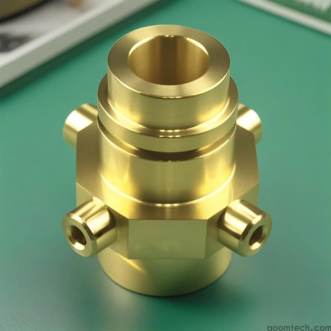
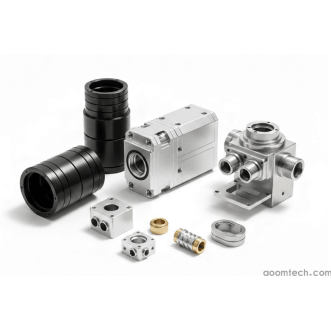
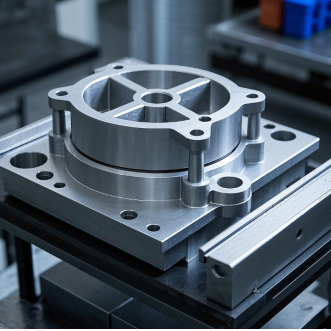
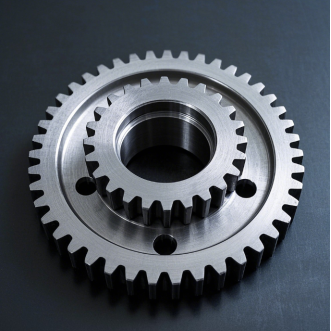
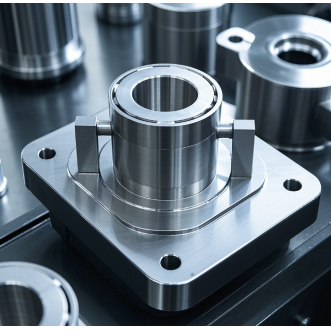
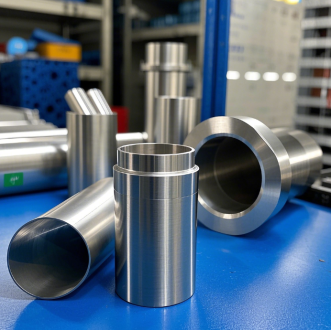
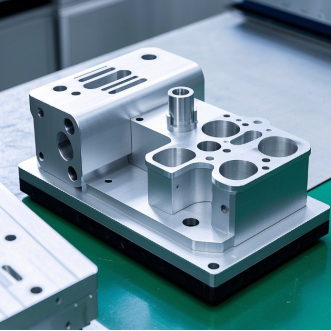
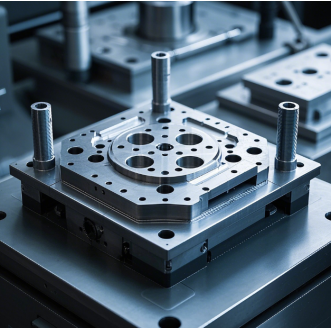
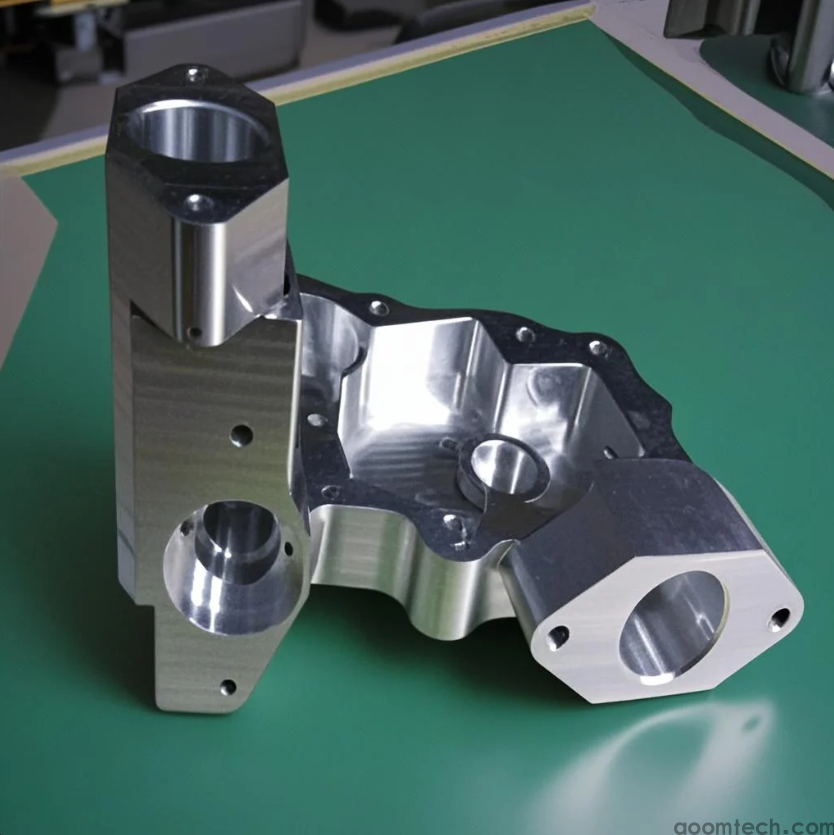
CNC Machining Services for Non-standard Parts play a critical role in modern manufacturing industries where standard components cannot meet specific design or performance requirements. From aerospace engineering to medical devices, these services make it possible to create highly customized, precise, and functional components that support innovation and product development.
This article explains the CNC machining process for non-standard parts, its benefits, challenges, material selection, and how to choose a reliable service provider in simple and practical terms.
Introduction to CNC Machining Services for Non-standard Parts
Non-standard parts are components designed for unique applications where off-the-shelf products are not suitable. These parts often require specific shapes, sizes, tolerances, or performance characteristics.
CNC (Computer Numerical Control) machining services help produce these custom parts with high precision and repeatability. By using computer-controlled machines, manufacturers can transform digital designs into real, functional components.
Understanding these services is important for engineers, product designers, and manufacturers because they directly impact product performance, cost efficiency, and innovation capability.
The Process of CNC Machining for Non-standard Parts
Design and Engineering
The process begins with product design using CAD (Computer-Aided Design) software. Engineers create a 3D model based on the part’s function, load requirements, and operating environment.
For example, aerospace components must meet strict weight and strength requirements, while medical parts must ensure safety, precision, and biocompatibility. Engineering analysis is often performed to confirm that the design can withstand real-world conditions.
CNC Programming
After design approval, the CAD model is converted into machine instructions using CAM (Computer-Aided Manufacturing) software. This step defines toolpaths, cutting speeds, feed rates, and machining depth.
For complex non-standard parts, CNC programming must be highly precise. A small error in toolpath planning can affect dimensional accuracy and surface quality.
Material Selection and Preparation
Choosing the right material is essential for performance and durability. Common materials include steel, aluminum, titanium, plastics, and composites.
Each material has unique properties. For example, aluminum is lightweight and easy to machine, while titanium offers high strength and corrosion resistance. Materials are often cut, treated, or pre-processed before machining begins.
Machine Setup and Tooling
CNC machines must be properly configured before production. Since non-standard parts often have unique shapes, custom fixtures may be required to secure the workpiece.
Tool selection is also important. Different tools are used for milling, drilling, or finishing. Machine settings such as spindle speed and feed rate are adjusted according to material and design requirements.
Machining Operations and Quality Control
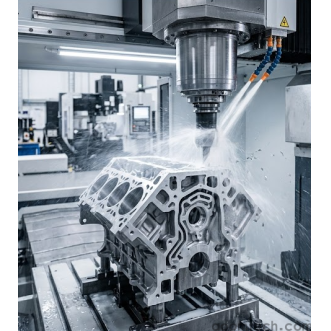
Common machining operations include milling, turning, drilling, and grinding. These processes gradually shape the raw material into the final part.
Quality control is performed throughout production. Measuring tools such as calipers, micrometers, and Coordinate Measuring Machines (CMM) ensure accuracy. Any deviation is corrected immediately to meet design specifications.
Benefits of CNC Machining for Non-standard Parts
Customization and Precision
One of the biggest advantages is the ability to produce highly customized parts with tight tolerances. This ensures perfect fitting and reliable performance in specialized applications.
Design Flexibility
CNC machining allows designers to create complex and innovative shapes without being limited by traditional manufacturing constraints. Internal structures and unique geometries can be produced with high accuracy.
Short Lead Times for Prototyping
CNC machining is ideal for rapid prototyping. Once a design is ready, parts can be produced quickly, helping companies test and improve products faster.
This reduces development time and supports faster product launches in competitive industries.
Challenges in CNC Machining for Non-standard Parts
Complex Geometries and Programming
Non-standard parts often have complex shapes that require advanced CNC programming skills. Creating accurate toolpaths can be time-consuming and technically demanding.
Using modern CAM software and skilled programmers helps overcome these challenges.
Tooling and Setup Complexity
Special fixtures and tools are often needed for unique designs, increasing setup time and cost. Multi-axis CNC machines can help reduce fixture complexity and improve efficiency.
Cost-effectiveness for Low-volume Production
Small production runs may have higher per-unit costs due to setup and programming expenses. Manufacturers often optimize costs by grouping similar parts or improving production planning.
Material Selection for Non-standard Parts
Metals
Steel is widely used for strength and durability. Aluminum is preferred for lightweight applications, especially in aerospace and automotive industries. Titanium is chosen for extreme environments due to its high strength-to-weight ratio and corrosion resistance.
Plastics
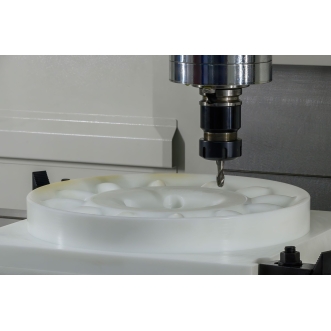
Plastics such as PEEK, polypropylene, and polyethylene are used for chemical resistance, electrical insulation, and cost efficiency. Special care is required during machining to avoid melting or deformation.
Composites
Composites offer high strength and low weight but require careful machining to avoid damage such as delamination. Specialized cutting tools and controlled processes are necessary.
How to Choose a CNC Machining Service Provider for Non-standard Parts
Experience and Expertise
Select a provider with proven experience in machining non-standard parts. Companies with industry-specific knowledge are better equipped to handle complex requirements.
Case studies, client reviews, and years of experience are useful indicators of capability.
Equipment and Technology
Advanced CNC machines, including multi-axis systems, improve accuracy and efficiency. Modern CAD/CAM software also plays a key role in producing complex designs.
A capable provider should continuously invest in updated technology.
Quality Assurance and Customer Service
A strong quality control system ensures consistent results. This includes in-process inspections, final testing, and calibrated measuring equipment.
Good customer service is equally important. Clear communication and timely updates help avoid misunderstandings and ensure smooth project execution.
Conclusion: Leveraging CNC Machining for Non-standard Parts
CNC machining provides a reliable and efficient solution for producing customized components across many industries. By understanding the CNC machining process for non-standard parts, businesses can improve product quality, reduce development time, and achieve better design flexibility.
Key benefits of CNC for non-standard parts include precision, customization, and fast prototyping. However, challenges such as complex programming, tooling requirements, and cost management must also be considered.
When choosing a CNC service for non-standard parts, always evaluate experience, equipment, and quality assurance systems. Clear communication and well-defined requirements are essential for successful results.
With the right approach, CNC Machining Services for Non-standard Parts can significantly enhance innovation and manufacturing efficiency in modern industries.
RELATED PRODUCTS
-
Medical Brass CNC Machining Parts
-
Precision CNC Machining PEEK Services
-
Precision Custom CNC Machined Car Parts
-
cnc machining optical housings
-
Precision CNC Casting Machining Services
-
Precision Gear CNC Machining Services
-
Precision Stainless Steel Parts CNC Mach
-
CNC Machining of Precision Aluminum Tube
-
CNC Machining of Large Precision Aluminu
-
CNC Machining & Manufacturing of Pre