CNC Machining Services for Parts & Accessories
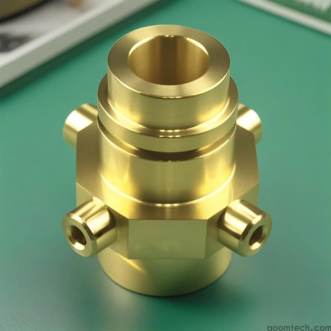
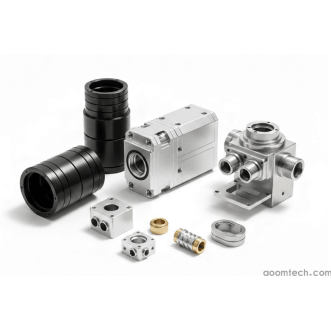
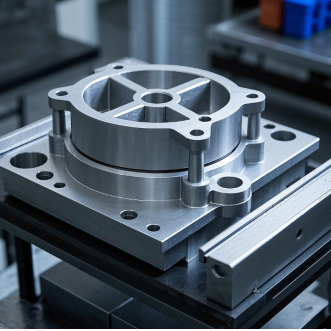
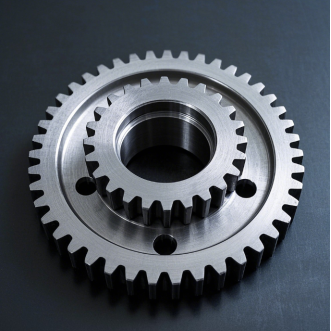
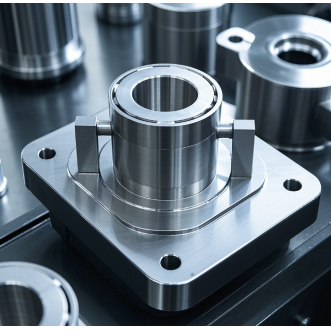
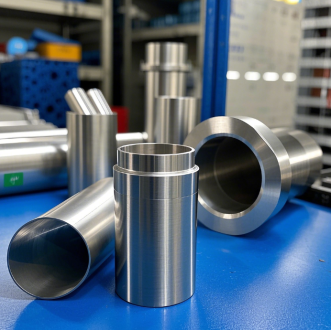
CNC (Computer Numerical Control) machining services play an important role in modern manufacturing. They provide a precise, efficient, and reliable way to produce parts and accessories used in many industries. From aerospace and automotive to electronics and medical equipment, CNC machining helps create components that meet strict quality and performance requirements.
Understanding CNC Machining Services for Parts & Accessories is essential for businesses and consumers who need high-quality, custom-made, and durable components. This knowledge helps in selecting the right manufacturing method and choosing the best service provider for specific project needs.
The Significance of CNC Machining Services
CNC machining is a computer-controlled manufacturing process that uses pre-programmed software to control cutting tools. This allows manufacturers to produce complex and accurate parts with minimal human error.
These services are widely used because they improve production speed, reduce waste, and ensure consistent quality. Whether producing a single prototype or large production batches, CNC machining offers flexibility and reliability.
Benefits of Using CNC Machining Services for Parts & Accessories
Precision and Accuracy
One of the biggest advantages of CNC machining is its high level of precision. Machines follow exact digital instructions, ensuring every part matches the design specifications.
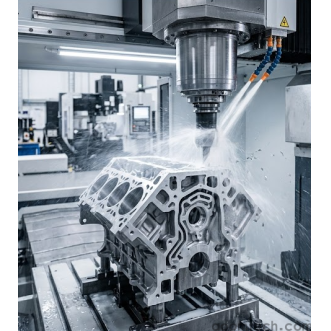
This is especially important in industries like aerospace and automotive, where even a small error can affect safety and performance. For example, engine components and electronic connectors must be manufactured with extremely tight tolerances to function correctly.
Benefits of CNC machining for parts and accessories include consistent accuracy, reduced human error, and improved product reliability.
Customization Options
CNC machining allows full customization of parts and accessories. Engineers can design unique shapes, sizes, and features using CAD software, and the machine will produce exactly what is programmed.
This is ideal for businesses developing new products, prototypes, or specialized components for niche markets. Custom accessories such as branded mechanical parts or tailored electronic enclosures are common examples.
Production Efficiency
CNC machines can operate continuously with minimal supervision once programmed. This increases production speed and reduces labor costs.
Automated tool changes and high-speed cutting also improve efficiency, making CNC machining suitable for both small and large production runs.
Types of Parts and Accessories Commonly Machined
Aerospace Parts
CNC machining is widely used to produce aerospace components such as turbine blades, structural frames, and landing gear parts. These components must withstand extreme pressure, heat, and stress.
Advanced multi-axis machining allows manufacturers to create highly complex shapes with precise accuracy.
Automotive Accessories
The automotive industry uses CNC machining for engine parts, custom wheels, suspension components, and interior accessories.
These parts often require both strength and lightweight design. CNC machining helps improve performance, fuel efficiency, and visual design quality.
Electronic Components
CNC machining is essential in electronics manufacturing for producing heat sinks, connectors, and protective enclosures.
High precision ensures proper fitting and reliable electrical performance. For example, accurate heat sink design improves cooling efficiency in electronic devices.
CNC Machining Process for Parts & Accessories
Design and Programming
The process begins with CAD (Computer-Aided Design), where engineers create a 3D model of the part. Then CAM (Computer-Aided Manufacturing) software converts the design into machine instructions.
These instructions include tool paths, cutting speeds, and feed rates. Accurate programming is essential for achieving the desired final product.
Machine Setup and Tooling
Before machining begins, the workpiece is securely fixed using specialized fixtures. The correct cutting tools are selected based on material type and design complexity.
Proper setup ensures stability, accuracy, and safety during machining operations.
Machining Operations
Milling
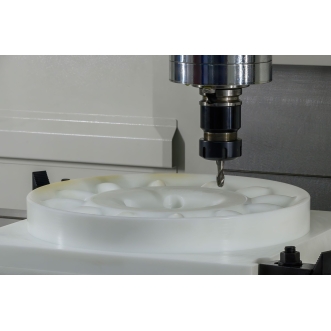
Milling is used to create flat surfaces, grooves, and complex 3D shapes. Different tools such as ball-end or flat-end mills are used depending on the design requirements.
Correct speed, feed rate, and chip removal are essential for smooth surface quality.
Turning
Turning is used for cylindrical parts. The material rotates while the cutting tool shapes it into the required form.
This process is commonly used for shafts, bolts, and precision rods.
Drilling
Drilling creates precise holes in parts and accessories. Selecting the correct drill size and speed helps prevent damage and ensures accuracy.
Quality Control Measures in CNC Machining
In-Process Inspection
During machining, operators regularly check dimensions and surface quality using tools like micrometers and calipers.
If any deviation occurs, adjustments are made immediately to maintain accuracy and prevent defects.
Final Inspection
After production, parts undergo final quality checks. Coordinate Measuring Machines (CMM) are often used to verify exact dimensions.
Surface finish, tolerance levels, and overall functionality are carefully evaluated. Non-conforming parts are either reworked or rejected.
How to Choose a Reliable CNC Machining Service Provider
Experience and Reputation
Choose a provider with proven experience in CNC machining. Companies with long-term industry presence usually offer more stable and reliable results.
Customer reviews and project history can help evaluate their reputation and service quality.
Range of Services and Capabilities
A good provider should offer multiple machining services, including milling, turning, and multi-axis machining.
If your project requires complex designs, ensure the company has advanced equipment and skilled engineers.
Quality Assurance and Certifications
Reliable companies follow strict quality control systems and often hold certifications such as ISO 9001.
These certifications ensure that the manufacturer follows international standards for quality and consistency.
Choosing a CNC machining service for parts and accessories should always include evaluating quality systems, technical ability, and communication support.
Conclusion
CNC Machining Services for Parts & Accessories provide a powerful solution for producing precise, durable, and custom-made components across many industries.
Key takeaways include the importance of precision, customization, efficiency, and strict quality control. Understanding the CNC machining process for parts and accessories helps businesses make better decisions and improve product outcomes.
When selecting a service provider, always consider experience, capabilities, and quality certifications. Clear communication and well-defined requirements are essential for achieving the best results.
By applying these principles, companies can fully benefit from modern CNC machining technology and achieve reliable manufacturing success.
RELATED PRODUCTS
-
Medical Brass CNC Machining Parts
-
Precision CNC Machining PEEK Services
-
Precision Custom CNC Machined Car Parts
-
cnc machining optical housings
-
Precision CNC Casting Machining Services
-
Precision Gear CNC Machining Services
-
Precision Stainless Steel Parts CNC Mach
-
CNC Machining of Precision Aluminum Tube
-
CNC Machining of Large Precision Aluminu
-
CNC Machining & Manufacturing of Pre