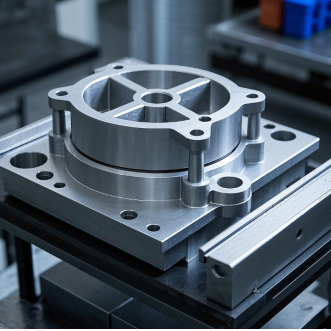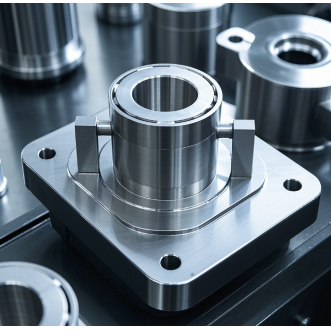
CNC Machining Services for Parts
Introduction to Batch Custom CNC Machining Services for Parts
In modern manufacturing, many industries need multiple custom-designed parts at the same time. Batch Custom CNC Machining Services for Parts provide a practical solution by combining custom design flexibility with efficient batch production.
This approach is widely used in automotive, electronics, machinery, and industrial equipment manufacturing. It helps companies reduce cost, improve production speed, and maintain stable product quality while still meeting custom design needs.
The process of batch custom CNC machining parts is especially important when companies need repeatable precision across many identical or similar components.
Advantages of Batch Custom CNC Machining for Parts
Cost-effectiveness
One of the main advantages of batch custom CNC machining for parts is lower cost per unit. After the CNC program is created, producing multiple parts becomes faster and more efficient.
Unlike traditional manufacturing, there is no need for expensive custom molds for every design. For example, an automotive supplier producing engine brackets in batches reduced overall production cost and offered more competitive pricing in the market.
Consistent Quality
CNC machines follow digital instructions with high precision, ensuring every part in the batch is identical. This reduces defects and improves product reliability.
For example, an electronics company producing custom enclosures benefited from stable dimensions across thousands of units, improving final product assembly and reducing rework.
Design Flexibility within Batch
Batch production does not mean limited design. Different parts can be produced in the same production cycle by updating CNC programs.
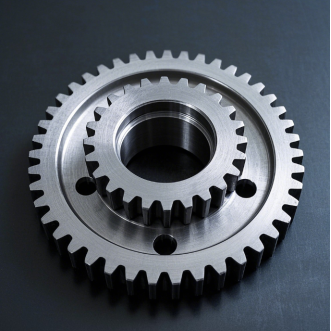
A machinery manufacturer, for instance, produced multiple gear types with different sizes and tooth profiles in one batch production cycle, supporting various machine models efficiently.
Process of Batch Custom CNC Machining Parts
Design and CAD/CAM Programming
The process begins with CAD (Computer-Aided Design), where engineers create detailed 3D models. Then CAM (Computer-Aided Manufacturing) software converts these designs into machine instructions.
Parameters such as toolpath, cutting speed, and spindle rotation are carefully set to ensure accuracy and efficiency. For example, robotic arm components often require complex toolpath programming to achieve precise movement functions across batch production.
Material Selection and Preparation
Choosing the right material is critical. Metals, plastics, or composites are selected based on strength, durability, and cost requirements.
Materials may also be pre-treated, such as heat treatment or cutting into blanks, to improve machining performance and consistency during batch production.
Machining Operations
Milling
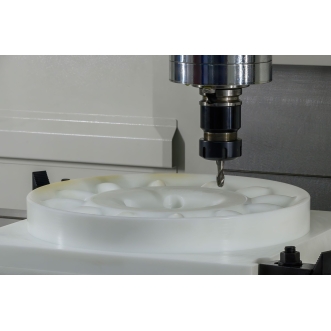
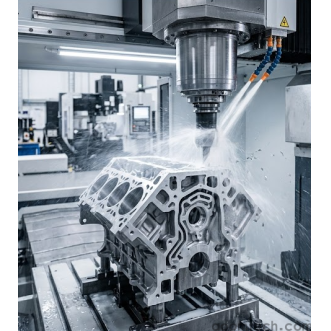
Milling is used for shaping flat surfaces, slots, and complex 3D structures. Tool selection and cutting speed must be controlled carefully to ensure consistent results across all parts in the batch.
Turning
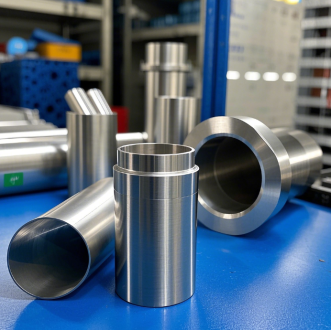
Turning is used for cylindrical parts. The material rotates while the cutting tool shapes it. This process ensures accuracy in diameter and surface finish for every piece in the batch.
Drilling
Drilling creates precise holes. Proper feed rate, coolant use, and tool selection are important to avoid defects and maintain uniform hole quality across all parts.
Quality Inspection for the Batch
Quality control ensures that all parts meet design requirements. Tools such as calipers, micrometers, and CMM (Coordinate Measuring Machines) are used.
Sampling inspections during production help detect issues early, preventing large-scale defects and reducing waste.
Benefits of Batch-Produced Custom CNC-Machined Parts
Accelerated Production Cycles
Once setup is complete, CNC machines can run continuously, producing large quantities in a short time. This is ideal for industries with urgent delivery needs.
Enhanced Productivity
Batch production reduces downtime between setups and improves machine utilization, helping manufacturers increase overall output.
Competitive Market Advantage
Companies using batch CNC machining can respond quickly to customer demands, reduce costs, and deliver consistent quality products faster than competitors.
Challenges in Batch Custom CNC Machining Services for Parts
Initial Setup Costs
Programming, tooling setup, and testing require time and cost investment before production begins, especially for complex designs.
Maintaining Consistency in Long Batches
Tool wear, heat changes, and material variations can affect part quality over long production runs. Regular monitoring is required.
Inventory Management
Balancing material supply and storage of finished parts can be challenging. Poor planning may lead to delays or excess inventory costs.
Choosing a Batch Custom CNC Machining Service for Parts
Reputation and Experience
When selecting a provider, experience is critical. A reliable supplier with proven batch production history is more likely to deliver stable results.
Quality Assurance System
A strong quality system with in-process inspection and final testing ensures that all parts meet required standards consistently.
Cost-effectiveness and Transparency
Clear pricing and detailed quotations help avoid hidden costs. Comparing multiple providers can help businesses find the best balance between cost and quality.
CNC Machining Services for Parts
Introduction to CNC Machining Services for Parts
CNC Machining Services for Parts play a key role in modern manufacturing. From automotive systems to aerospace and electronics, CNC machining enables the production of precise and durable components.
The process of CNC machining parts ensures that designs are transformed into real products with high accuracy and repeatability.
Advantages of CNC Machining Services for Parts
High Precision
CNC machines can produce parts with extremely tight tolerances, making them ideal for industries where accuracy is critical, such as aerospace engineering.
Design Flexibility
Complex shapes and custom designs can be produced easily, including internal channels and detailed geometries that are difficult to achieve with traditional methods.
Consistent Quality
Once programmed, CNC machines produce identical parts repeatedly, ensuring stable quality across production runs.
Benefits of CNC-Machined Parts
Enhanced Product Performance
Accurate machining improves the performance and reliability of final products, reducing failure rates and increasing lifespan.
Cost-effective for Small Batches
CNC machining does not require expensive molds, making it suitable for prototypes and small production runs.
Fast Turnaround Time
Once programming is completed, production can start quickly, allowing companies to meet tight deadlines efficiently.
Challenges in CNC Machining Services for Parts
Complex Programming
Advanced designs require skilled programming. Errors in code can lead to production defects and material waste.
Tool Wear
Hard materials can cause tools to wear or break, increasing maintenance costs and affecting production schedules.
Tight Tolerance Control
Maintaining extremely precise measurements requires stable machines, proper calibration, and controlled environments.
Choosing a CNC Machining Service for Parts
Experience and Technical Skill
Experienced manufacturers are better equipped to handle complex designs and material requirements.
Quality Assurance
Reliable providers use strict inspection systems and certified measuring tools to ensure product accuracy.
Pricing Transparency
Clear cost breakdowns for materials, machining, and finishing help customers make informed decisions and avoid unexpected expenses.
Conclusion
CNC machining and batch custom CNC machining both provide powerful solutions for modern part manufacturing. They offer high precision, flexibility, and efficiency across many industries.
By understanding the benefits of CNC-machined parts, the challenges in CNC machining services for parts, and the advantages of batch custom CNC machining for parts, businesses can make better production decisions.
Choosing the right provider ensures better quality, lower cost, and more reliable production results in both small and large-scale manufacturing needs.
RELATED PRODUCTS
-
Medical Brass CNC Machining Parts
-
Precision CNC Machining PEEK Services
-
Precision Custom CNC Machined Car Parts
-
cnc machining optical housings
-
Precision CNC Casting Machining Services
-
Precision Gear CNC Machining Services
-
Precision Stainless Steel Parts CNC Mach
-
CNC Machining of Precision Aluminum Tube
-
CNC Machining of Large Precision Aluminu
-
CNC Machining & Manufacturing of Pre