CNC Machining Services for Roller Shafts
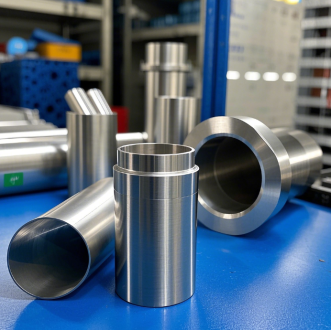
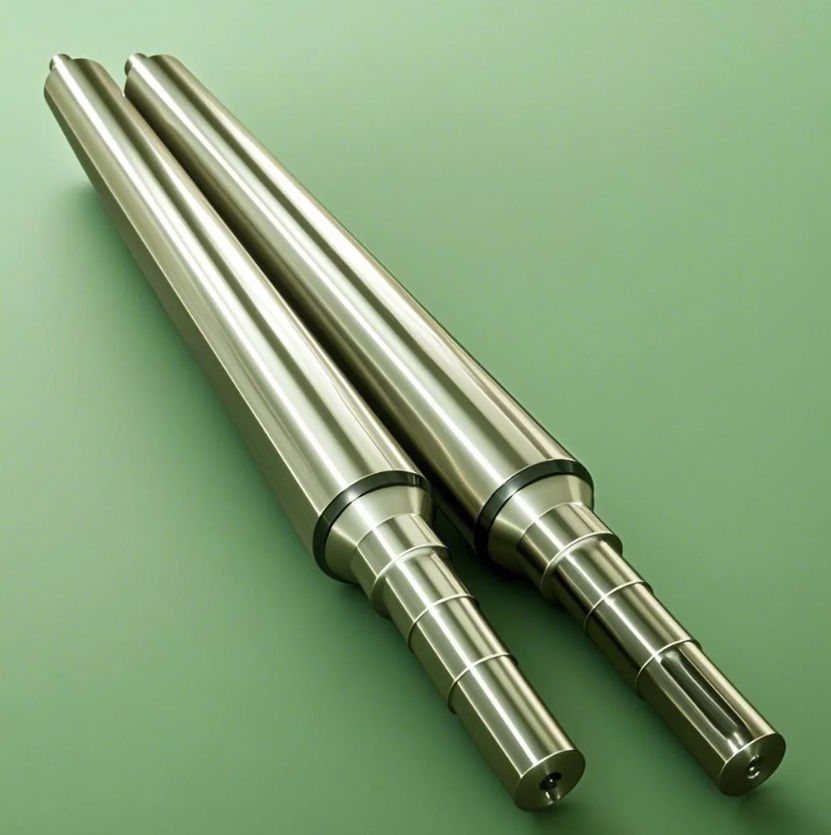
CNC Machining Services for Roller Shafts play an important role in modern industrial production. Roller shafts are key parts used in machines that need smooth and stable rotation, such as conveyor systems, printing machines, packaging equipment, and many types of industrial machinery. These shafts support rollers and help them move smoothly under load.
With CNC (Computer Numerical Control) machining, roller shafts can be made with high accuracy, strong consistency, and reliable quality. This helps machines run better, last longer, and reduce unexpected breakdowns.
The Significance of Roller Shafts
Roller shafts are essential components in many mechanical systems. Their main function is to support rotating rollers and ensure smooth movement during operation. In systems like conveyor belts, they help transport goods efficiently. In printing presses, they ensure stable and even rotation for accurate printing results.
Because roller shafts work under continuous load and rotation, they must be strong, precise, and durable. This is where CNC machining becomes very important. CNC-machined roller shafts improve system stability and reduce wear, vibration, and maintenance costs.
Advantages of CNC Machining for Roller Shafts
High Precision Manufacturing
One of the biggest advantages of CNC machining for roller shafts is high precision. CNC machines follow computer-controlled instructions, allowing very tight tolerances and accurate dimensions.
For example, in a conveyor system, a CNC-machined roller shaft ensures perfect concentricity. This prevents uneven wear on both the rollers and the belt, improving system stability and extending service life.
Customization Capability
CNC machining allows full customization of roller shafts. Designers can create different diameters, lengths, grooves, keyways, and special shapes based on application needs.
For example, a printing press may require a roller shaft with special groove patterns. CNC machining can produce these features accurately, improving ink transfer and printing quality.
Material Compatibility
CNC machining supports many types of materials, including carbon steel, alloy steel, stainless steel, aluminum, and some engineering plastics.
For example, heavy-duty industrial machines may require high-strength steel roller shafts. CNC machining can be adjusted with suitable cutting tools and speeds to handle the hardness of the material while maintaining quality.
Process of CNC Machining Roller Shafts
Design and CAD/CAM Programming
The process begins with CAD (Computer-Aided Design), where engineers create a detailed 3D model of the roller shaft. The design considers load, speed, size, and connection requirements.
Then CAM (Computer-Aided Manufacturing) software converts the design into a CNC program. This includes tool paths, cutting speed, feed rate, and spindle settings.
For example, a complex multi-functional roller shaft may require different machining paths for grooves, holes, and surfaces. CNC programming ensures all features are produced accurately in sequence.
Material Selection and Preparation
Choosing the right material is critical. The selection depends on load requirements, working environment, cost, and durability needs.
Materials may be cut to size and pre-treated using processes like annealing or normalizing to improve machinability.
For example, heat-treated steel is harder and stronger but may require slower cutting speeds compared to normal steel to avoid tool wear and ensure accuracy.
Machining Operations
Turning: Turning is the main process for forming the cylindrical shape of roller shafts. Carbide tools are commonly used. Cutting speed and feed rate must be adjusted based on material hardness to ensure smooth surface finish and accuracy.
Drilling and Boring: These processes create internal holes such as lubrication channels or mounting holes. Proper coolant use and controlled feed rates help avoid tool damage and ensure clean hole surfaces.
Milling: Milling is used for features like keyways and flat surfaces. Tool selection and machining setup must match the material and required precision.
Finishing Operations
After machining, finishing processes improve performance and durability. These may include grinding, heat treatment, polishing, and protective coating.
For example, a ground and heat-treated roller shaft offers better wear resistance, smoother surface finish, and improved fitting accuracy in mechanical assemblies.
Benefits of CNC-Machined Roller Shafts
Enhanced Performance
Benefits of CNC-machined roller shafts include improved machine performance. Accurate dimensions and strong materials help machines run smoothly, reduce vibration, and increase efficiency.
For example, in a conveyor system, CNC-machined shafts help reduce friction and improve overall transport speed and reliability.
Cost-Effectiveness for Medium to Large Production
CNC machining becomes cost-effective for medium and large production batches. Once the program is set, production becomes faster and more consistent, reducing waste and labor cost.
Quick Turnaround for Prototyping and Small Batches
CNC machining is ideal for prototypes and small batch production. Changes in design can be quickly applied without needing new tools.
For example, a startup developing a new machine can quickly test different roller shaft designs before final production.
Challenges in CNC Machining Roller Shafts
Meeting Tight Tolerances Consistently
Challenges in CNC machining roller shafts include maintaining consistent accuracy. Tool wear, heat, and vibration can affect final dimensions.
For example, worn cutting tools may cause slight diameter changes. Regular inspection and tool replacement are needed to maintain quality.
Tool Wear and Breakage
Hard materials like alloy steel can cause fast tool wear. This increases cost and may slow production.
For example, carbide inserts may need frequent replacement when machining high-strength steel shafts.
Balancing the Shaft
Proper balance is essential for smooth operation. If a shaft is not balanced, it may cause vibration and damage surrounding components.
Additional balancing processes are often required to ensure stable performance after machining.
Choosing a CNC Machining Service for Roller Shafts
Experience in Roller Shaft Production
When selecting a provider, experience is very important. A skilled manufacturer understands precision requirements, material behavior, and industry standards.
Choosing a CNC machining service for roller shafts with proven experience ensures better design support and higher product reliability.
Quality Assurance System
A reliable service provider should have strict quality control processes, including in-process inspection and final measurement checks.
This ensures every roller shaft meets required standards before delivery, reducing the risk of failure in real applications.
Cost and Pricing Transparency
Clear pricing is also important. A good supplier explains material costs, machining fees, and finishing costs clearly.
Comparing multiple quotes helps customers find the best balance between cost and quality without sacrificing performance.
Conclusion: Selecting the Right CNC Machining Service for Roller Shafts
In summary, CNC machining plays a key role in producing high-quality roller shafts used in many industrial systems. It offers precision, customization, material flexibility, and efficient production.
At the same time, challenges such as tool wear, tolerance control, and balancing must be carefully managed.
When choosing a provider, consider experience, quality assurance, and pricing transparency. By understanding these factors, you can make a better decision and ensure reliable performance of your machinery.
Start evaluating CNC machining providers today to find the best solution for your roller shaft manufacturing needs.
RELATED PRODUCTS
-
Medical Brass CNC Machining Parts
-
Precision CNC Machining PEEK Services
-
Precision Custom CNC Machined Car Parts
-
cnc machining optical housings
-
Precision CNC Casting Machining Services
-
Precision Gear CNC Machining Services
-
Precision Stainless Steel Parts CNC Mach
-
CNC Machining of Precision Aluminum Tube
-
CNC Machining of Large Precision Aluminu
-
CNC Machining & Manufacturing of Pre