CNC Machining Services for Stainless Steel Connectors
Introduction to CNC Machining Services for Stainless Steel Connectors
The Significance of Stainless Steel Connectors
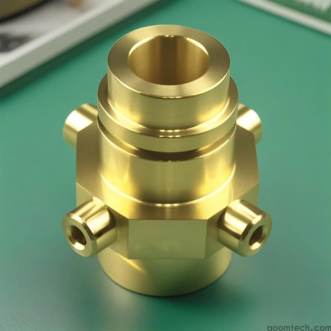
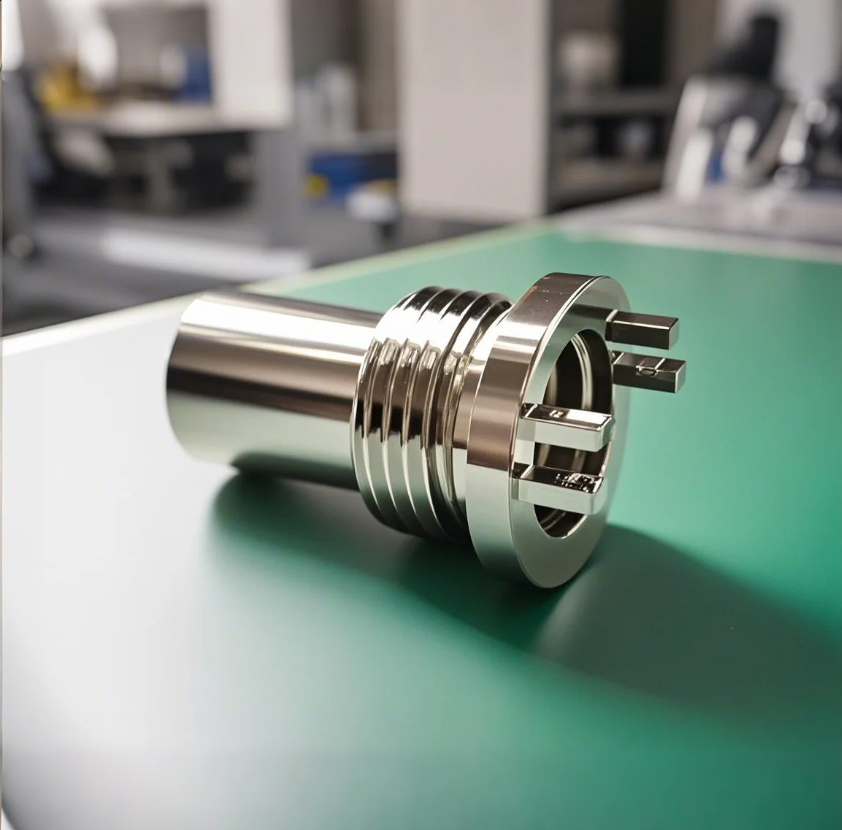
Stainless steel connectors are important parts used in many industries such as plumbing, electronics, automotive systems, construction, and industrial equipment. They help join pipes, cables, or mechanical components securely and safely. Because stainless steel is strong and resistant to rust, it is widely used in demanding environments where reliability is essential.
CNC Machining Services for Stainless Steel Connectors provide a precise and efficient way to manufacture these critical parts. CNC machining uses computer-controlled tools to shape metal with high accuracy, ensuring each connector fits perfectly and performs reliably. These CNC-machined stainless steel connectors help improve system stability, reduce leakage risks, and increase overall safety in real-world applications.
Computer Numerical Control () technology plays a key role in modern manufacturing by enabling consistent and repeatable production of complex metal parts.
Advantages of CNC Machining for Stainless Steel Connectors
High Precision Manufacturing
One of the main advantages of CNC machining for stainless steel connectors is high precision. CNC machines follow programmed instructions to produce parts with very tight tolerances. This is very important for connectors that must fit perfectly and prevent leaks or mechanical failure.
For example, in a plumbing system, a CNC-machined stainless steel connector can ensure accurate threading. This precision prevents water leakage and improves system reliability. Even small errors in traditional manufacturing can lead to failures, but CNC machining greatly reduces this risk.
Customization Capability
CNC machining allows manufacturers to create highly customized stainless steel connectors. Engineers can design unique shapes, internal channels, or locking features based on specific application needs.
For example, in an electronic device, a custom connector may require a special locking mechanism to prevent disconnection under vibration. CNC machining makes it possible to produce such complex designs accurately without needing expensive molds.
Material Compatibility with Stainless Steel
Stainless steel is strong, durable, and resistant to corrosion, but it is also harder to machine than softer metals. CNC machining is well-suited for this material because it can adjust cutting speed, tool paths, and cooling methods precisely.
For example, CNC processes can improve the surface finish of stainless steel connectors. A smoother surface reduces corrosion risk and improves the connector’s lifespan, especially in harsh environments such as marine or chemical industries.
Process of CNC Machining Stainless Steel Connectors
Design and CAD/CAM Programming
The process of CNC machining stainless steel connectors begins with design. Engineers use CAD (Computer-Aided Design) software to create a 3D model of the connector. This model includes all important details such as size, shape, threading, and load requirements.
Next, CAM (Computer-Aided Manufacturing) software converts the design into machine instructions. These instructions define tool paths, cutting speeds, and feed rates based on stainless steel properties. For example, a high-pressure hydraulic connector requires precise programming to ensure strength and sealing performance under extreme conditions.
Material Preparation
Before machining begins, stainless steel material must be properly prepared. The correct grade is selected based on the application, and the material is checked for defects. In some cases, heat treatment such as annealing may be used to improve machinability.
Proper preparation ensures stable machining and high-quality results. A defect-free stainless steel bar helps prevent machining errors and improves the final connector’s strength and appearance.
Machining Operations
Turning
Turning is used to create cylindrical shapes, such as the body of a connector. Cutting tools remove material while the workpiece rotates. Because stainless steel is hard, carbide tools are commonly used.
To achieve high accuracy, slower cutting speeds and controlled feed rates are often applied. This reduces tool wear and ensures smooth surface finishing.
Milling
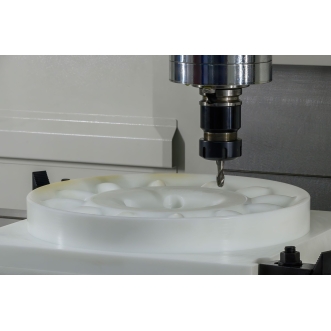
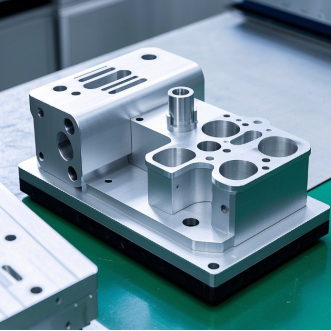
Milling is used to create flat surfaces, grooves, or complex shapes on connectors. CNC milling machines use rotating cutting tools to remove material precisely. Tool selection and speed control are very important for maintaining accuracy and surface quality.
Thread Cutting
Thread cutting is essential for connectors that must screw into pipes or other parts. CNC machines carefully control thread pitch and depth to ensure proper sealing and mechanical strength. Even small threading errors can lead to leakage or poor assembly.
Finishing Operations
After machining, finishing processes improve quality and durability. These may include polishing, cleaning, or passivation. Passivation helps strengthen the natural corrosion resistance of stainless steel by forming a protective layer on the surface.
For example, a polished and passivated connector used in marine environments will last longer and resist rust more effectively than an untreated one.
Benefits of CNC - Machined Stainless Steel Connectors
Enhanced Performance
Benefits of CNC - machined stainless steel connectors include improved performance and reliability. Because CNC machining ensures high accuracy, connectors fit better and reduce the risk of system failure.
For example, in industrial pipelines, CNC-machined connectors help maintain stable fluid flow and reduce maintenance downtime.
Cost-Effectiveness for Medium-to-Large Batches
Although CNC machining requires setup time, it becomes cost-effective for medium and large production volumes. Once the program is set, production is fast and consistent, reducing waste and labor costs.
Many manufacturing companies choose CNC machining for large connector orders because it balances quality and production efficiency.
Quick Turnaround for Prototyping
CNC machining is also ideal for prototyping new connector designs. Engineers can quickly produce samples and test performance before mass production.
For example, a startup developing a new industrial system may use CNC-machined stainless steel connector prototypes to test sealing performance and mechanical strength, speeding up product development.
Challenges in CNC Machining Stainless Steel Connectors
Tool Wear and Breakage
One of the main challenges in CNC machining stainless steel connectors is tool wear. Stainless steel is hard and can quickly dull cutting tools. This increases production costs and may cause delays due to frequent tool replacement.
Heat Generation and Distortion
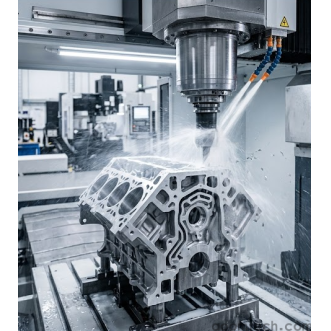
Machining stainless steel generates heat, which can lead to thermal distortion. If not controlled, this may affect dimensional accuracy. Manufacturers often use coolant systems and optimized cutting speeds to reduce heat buildup and maintain stability.
Meeting Stringent Quality Standards
Industries such as aerospace, medical, and automotive require strict quality control. Even small defects in connectors can lead to system failure. For example, a machining error in threading may cause leakage or improper assembly, requiring rework or rejection.
Choosing a CNC Machining Service for Stainless Steel Connectors
Experience in Stainless Steel Machining
When choosing a CNC machining service for stainless steel connectors, experience is very important. Providers with strong experience understand how to control cutting speed, tool selection, and cooling methods for stainless steel.
Experienced manufacturers can solve complex problems, such as improving surface finish or achieving tight tolerances in high-pressure systems.
Quality Assurance and Certifications
A reliable service provider should have strong quality control systems and certifications. One important standard is ISO 9001, issued by . This certification shows that the company follows strict quality management practices.
With proper inspection systems and calibrated tools, manufacturers can ensure consistent product quality and customer confidence.
Cost-Effectiveness and Pricing Transparency
Cost is also an important factor. A good CNC machining service should provide clear pricing, including material costs, machining fees, and finishing processes. Transparent pricing helps customers compare suppliers and make informed decisions.
It is recommended to request multiple quotes and evaluate both price and quality before choosing a supplier.
Conclusion: Selecting the Right CNC Machining Service for Stainless Steel Connectors
In summary, CNC machining plays a key role in producing high-quality stainless steel connectors used in many industries. It offers high precision, customization, and strong material compatibility. The process of CNC machining stainless steel connectors includes design, material preparation, machining, and finishing, all of which contribute to reliable performance.
At the same time, challenges such as tool wear, heat generation, and strict quality requirements must be carefully managed. Understanding the advantages of CNC machining for stainless steel connectors, benefits of CNC - machined stainless steel connectors, and challenges in CNC machining stainless steel connectors helps businesses make better decisions.
When selecting a supplier, focus on experience, quality certification, and transparent pricing. Making the right choice ensures long-term performance, safety, and cost efficiency for your stainless steel connector applications.
RELATED PRODUCTS
-
Medical Brass CNC Machining Parts
-
Precision CNC Machining PEEK Services
-
Precision Custom CNC Machined Car Parts
-
cnc machining optical housings
-
Precision CNC Casting Machining Services
-
Precision Gear CNC Machining Services
-
Precision Stainless Steel Parts CNC Mach
-
CNC Machining of Precision Aluminum Tube
-
CNC Machining of Large Precision Aluminu
-
CNC Machining & Manufacturing of Pre