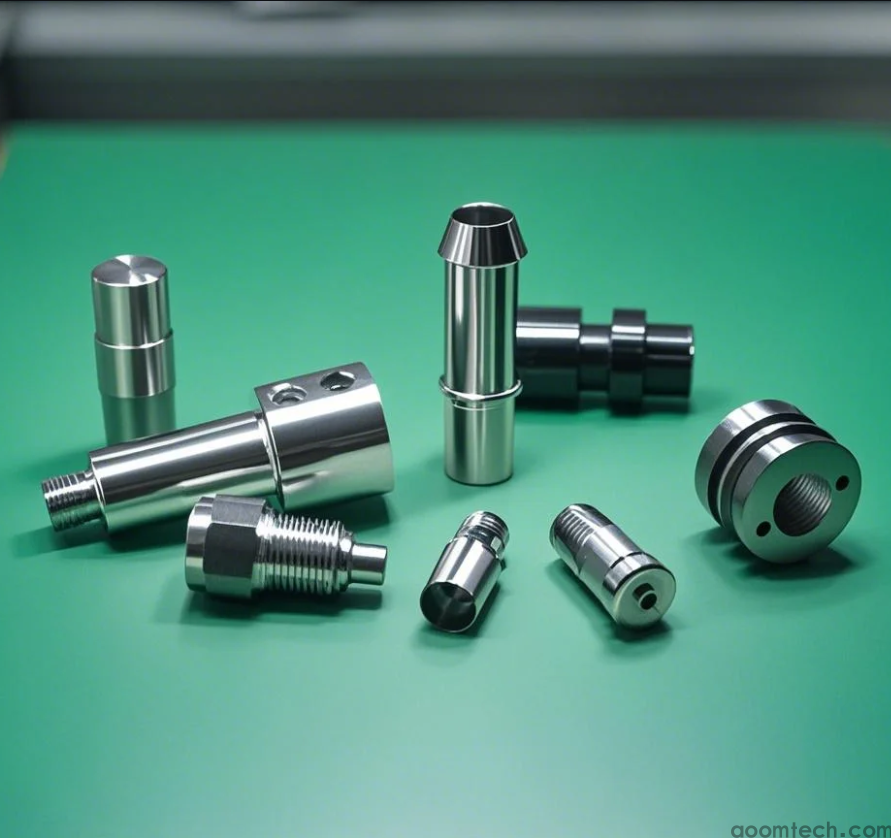
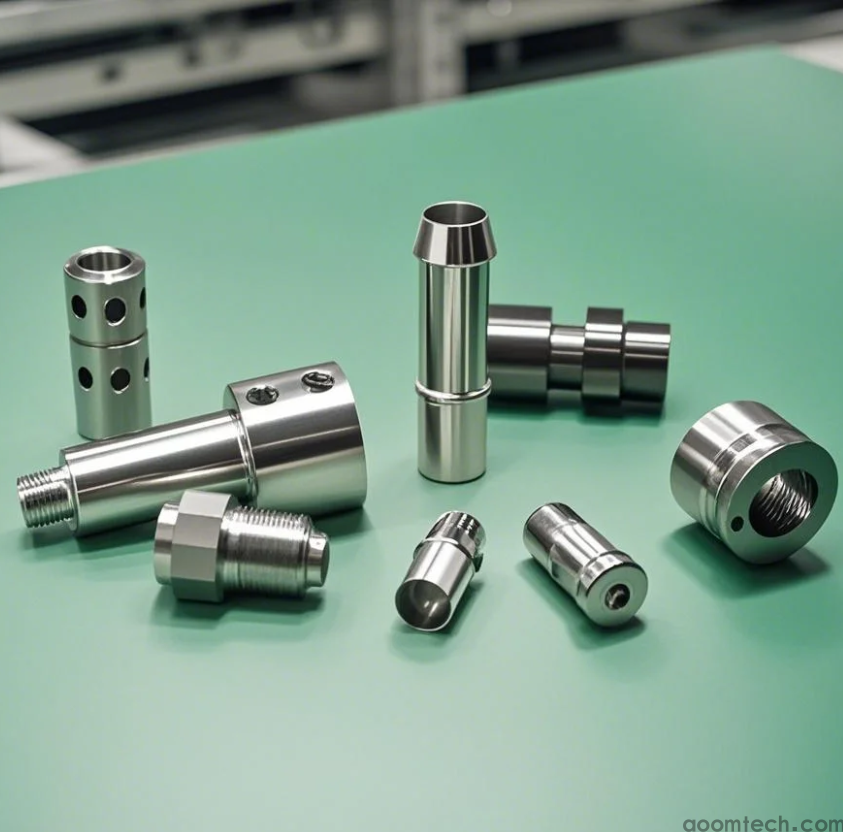
CNC Machining Services for Steel Parts
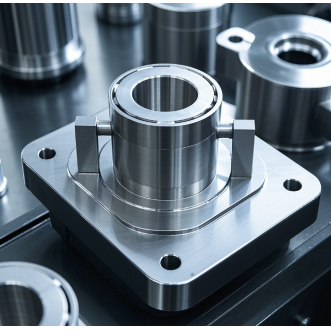
CNC Machining Services for Steel Parts play a critical role in modern manufacturing industries. Steel is one of the most widely used engineering materials due to its strength, durability, and versatility. With CNC (Computer Numerical Control) technology, manufacturers can produce steel components with high accuracy, repeatability, and efficiency for a wide range of applications.
Introduction to CNC Machining Services for Steel Parts
The Significance of Steel Parts
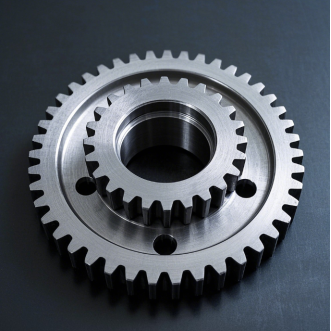
Steel parts are essential in many industries such as construction, automotive, energy, aerospace, and general manufacturing. In construction, steel components provide structural strength for buildings and bridges. In the automotive industry, steel is used for engine components, suspension systems, and transmission parts. In manufacturing equipment, steel parts are used in gears, shafts, frames, and tooling systems because they can withstand heavy loads and harsh operating conditions.
Importance of CNC Machining for Steel Parts
Precision Manufacturing
CNC machining enables extremely precise production of steel parts. Many steel components must fit perfectly within complex assemblies. Even a small dimensional error can lead to system failure. High-precision machining ensures tight tolerances, which is essential for reliable performance. For example, inaccurate steel parts in construction can affect structural stability, while poorly machined automotive components can lead to engine malfunction or reduced efficiency.
Complex Geometries and Customization
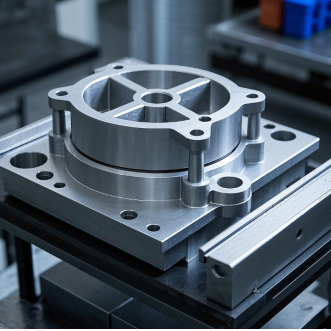
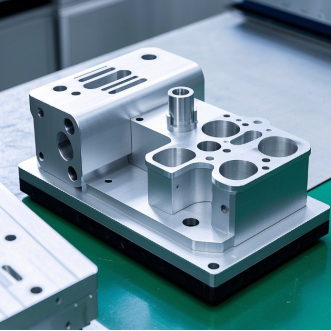
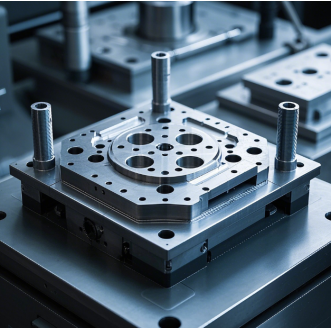
CNC machining allows the creation of steel parts with complex geometries that would be difficult or impossible to produce using traditional methods. This includes internal cavities, fine surface details, and irregular shapes. Custom-designed steel molds used in plastic injection molding are a good example, where precision and complexity directly affect product quality and manufacturing efficiency.
Consistent Quality
One of the key advantages of CNC machining is consistent quality. Once the program is set, every part produced will match the same specifications. This uniformity is especially important in mass production, where interchangeable parts are required. Consistent quality reduces assembly time, improves reliability, and lowers long-term maintenance costs.
CNC Machining Processes for Steel Parts
Different machining methods are used depending on the design and function of the steel part. The most common processes include milling, turning, drilling, and boring.
Milling
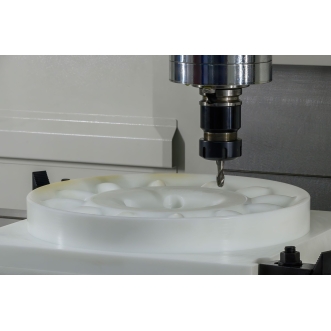
CNC milling for steel parts involves a rotating cutting tool that removes material from a stationary steel workpiece. It is used to create flat surfaces, grooves, slots, and complex 3D shapes. Proper tool selection is important because different types of steel require different cutting tools and parameters.
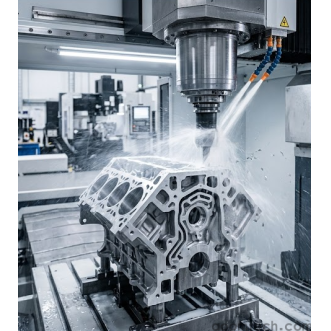
For example, high-carbon steel requires slower cutting speeds and stronger tools compared to stainless steel. Key parameters such as spindle speed, feed rate, and cutting depth must be carefully adjusted. Coolant is often used to reduce heat and improve tool life.
Turning
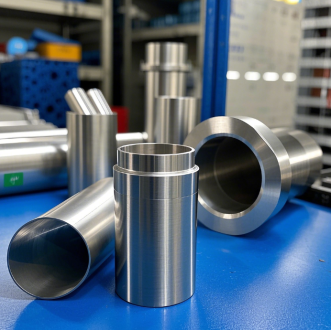
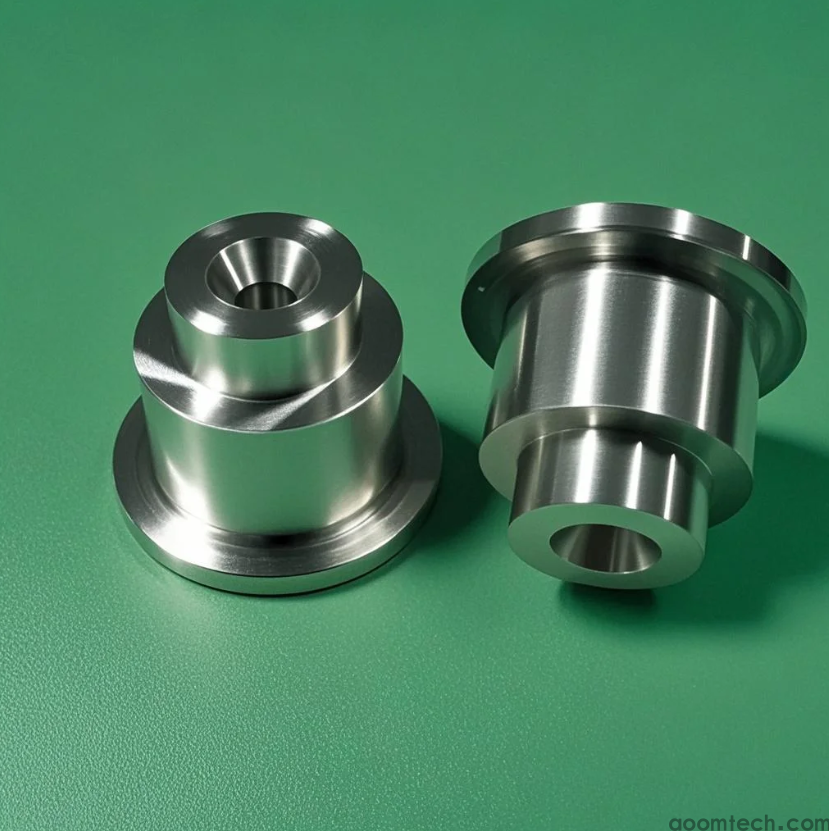
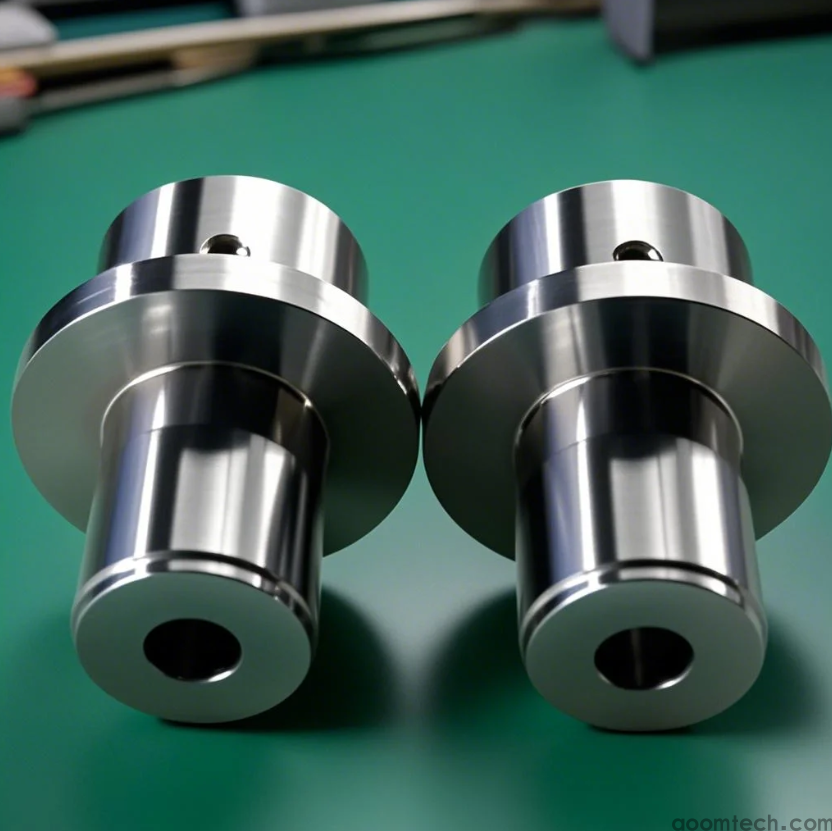
Turning is used to produce cylindrical steel components such as shafts, pins, and bushings. In this process, the steel workpiece rotates while the cutting tool removes material. Achieving high concentricity and smooth surface finish is essential for rotating parts. Proper chip control and coolant application help reduce tool wear and improve machining stability.
Drilling and Boring
Drilling creates new holes in steel parts, while boring enlarges or refines existing holes. These processes are critical for assembly accuracy and fluid passage systems. Using appropriate drill types, such as cobalt or carbide drills, helps prevent breakage when working with harder steels. Precise hole positioning ensures proper fit and function in final assemblies.
Types of Steel Used in CNC Machining
Understanding the types of steel in CNC machining is essential for selecting the right material for each application.
Carbon Steel
Carbon steel is widely used due to its affordability and good mechanical strength. Low-carbon steel is easier to machine and more ductile, while high-carbon steel offers greater hardness and wear resistance. However, carbon steel can work-harden during machining, so sharp tools and proper coolant are necessary.
Alloy Steel
Alloy steel contains elements such as chromium, nickel, and molybdenum, which improve strength, hardness, and corrosion resistance. It is commonly used in automotive gears, heavy machinery, and aerospace components. Due to its hardness, machining alloy steel requires durable cutting tools and optimized machining strategies.
Stainless Steel
Stainless steel is known for excellent corrosion resistance, making it ideal for medical, food processing, and marine applications. However, it is more difficult to machine because of its strength and tendency to work-harden. Carbide tools, stable cutting conditions, and effective cooling systems are essential for achieving high-quality results.
Challenges in CNC Machining of Steel Parts
Work-Hardening
Some steels become harder during machining, which increases tool wear and makes cutting more difficult. This can be controlled by using sharp tools, proper feed rates, and effective cooling systems.
Tool Wear
Steel materials can cause rapid tool wear due to their hardness and strength. Carbide-coated tools and regular tool inspection help maintain machining accuracy and reduce downtime.
Heat Generation
Heat buildup during machining can affect dimensional accuracy and surface quality. Using flood coolant, optimizing cutting speed, and selecting heat-resistant tools help manage temperature effectively.
Choosing a CNC Machining Service Provider for Steel Parts
Technical Expertise
When choosing a provider for CNC steel parts machining, technical knowledge is essential. A reliable provider should understand different steel materials, machining processes, and production challenges. Reviewing past projects, certifications, and sample parts can help evaluate their capabilities.
Quality Assurance
A strong quality control system ensures that every part meets required specifications. This includes in-process inspection and final testing using tools like calipers, micrometers, hardness testers, and surface roughness testers. Proper quality assurance reduces defects and ensures consistent performance.
Cost-Effectiveness and Lead Times
While cost is important, it should not compromise quality. A good CNC machining provider balances competitive pricing with reliable performance. On-time delivery is also critical, especially for industries with strict production schedules. Comparing multiple suppliers can help identify the best value.
Conclusion
CNC machining has become an essential technology for producing high-quality steel components used across multiple industries. With precise control, flexible design capabilities, and consistent output, CNC Machining Services for Steel Parts ensure reliable performance in demanding applications. By understanding materials, processes, and supplier selection criteria, businesses can achieve better efficiency, durability, and product quality in their manufacturing operations.
RELATED PRODUCTS
-
Medical Brass CNC Machining Parts
-
Precision CNC Machining PEEK Services
-
Precision Custom CNC Machined Car Parts
-
cnc machining optical housings
-
Precision CNC Casting Machining Services
-
Precision Gear CNC Machining Services
-
Precision Stainless Steel Parts CNC Mach
-
CNC Machining of Precision Aluminum Tube
-
CNC Machining of Large Precision Aluminu
-
CNC Machining & Manufacturing of Pre