CNC Machining Small Parts Services
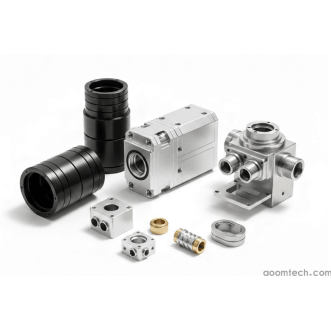
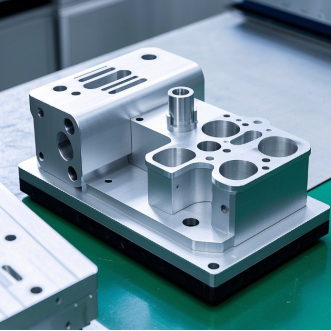
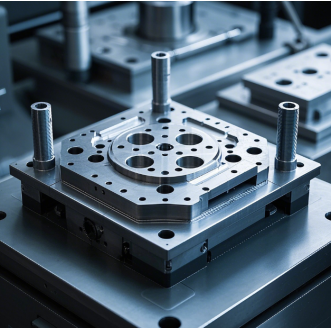
CNC Machining Small Parts Services play an important role in modern manufacturing. Many industries depend on small, precise components to build larger and more complex systems. These small parts must be accurate, reliable, and consistent. CNC (Computer Numerical Control) machining makes it possible to produce such parts with high precision and repeatability.
This article explains the significance, benefits, processes, applications, selection tips, and cost factors of CNC machining small parts in a simple and practical way.
The Significance of CNC Machining Small Parts Services
Small parts are the foundation of many products we use every day. From electronics to medical devices, these components must fit and function perfectly. Even a tiny error can affect the performance of the whole system.
CNC Machining Small Parts Services help solve this problem by ensuring high accuracy and consistent production quality. These services improve efficiency, reduce errors, and support innovation in industries that rely on compact and detailed components.
Advantages of CNC Machining for Small Parts
High Precision Manufacturing
CNC machines are controlled by computer programs, which allow extremely accurate production. Tight tolerances can be achieved, even for very small components.
For example, in the electronics industry, connectors and micro components must match exact dimensions to ensure proper electrical performance. High precision reduces defects and improves product reliability, supporting the advantages of CNC machining for small parts.
Complex Design Realization
CNC machining can produce very detailed and complex shapes that are difficult to achieve manually. This includes internal channels, fine structures, and micro-level features.
In the medical industry, small surgical tools often require complex geometry for safe and effective use. CNC technology makes it possible to manufacture such designs accurately, including miniature devices with internal fluid channels.
Consistent Quality Output
Once a CNC program is created, it can produce identical parts repeatedly. This ensures stable quality across large production runs.
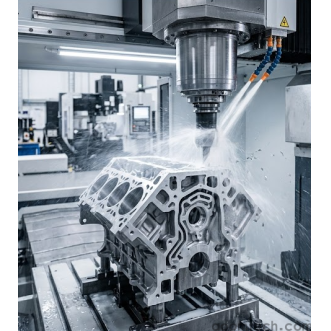
For example, in automotive systems, small engine components must be uniform to maintain performance and safety. Consistent output reduces maintenance issues and increases product lifespan.
Process of CNC Machining Small Parts
Design and CAD/CAM Programming
The process begins with a digital design using CAD (Computer-Aided Design) software. Engineers create a 3D model based on functional and material requirements.
Then CAM (Computer-Aided Manufacturing) software converts the model into machine instructions. This includes tool paths, cutting speeds, and feed rates. Special care is taken for small parts because they require delicate and precise machining control.
This stage defines the process of CNC machining small parts and ensures production accuracy before manufacturing begins.
Material Selection and Preparation
Choosing the right material is essential. Different materials behave differently during machining.
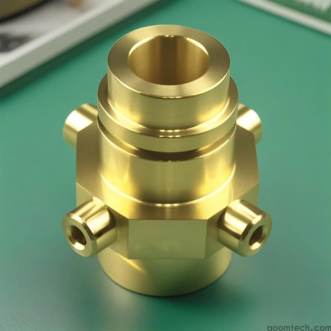
Metals like stainless steel and brass offer strength and durability
Plastics are lightweight and cost-effective
Ceramics provide heat and wear resistance
Materials are cut and prepared before machining to ensure stability and reduce defects during production.
Machining Operations
Milling
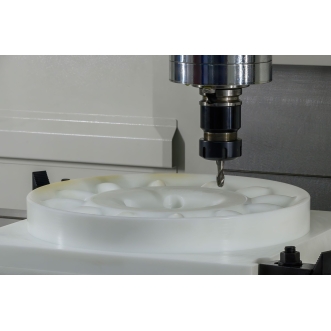
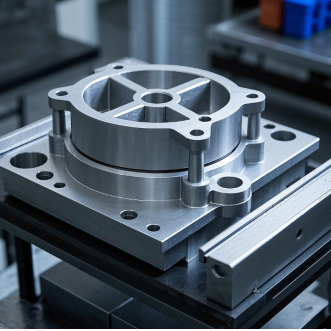
Milling is used to shape flat surfaces, grooves, and complex 3D structures. Small cutting tools are used for precision work.
For small parts, slower feed rates and controlled cutting speeds help avoid damage and improve surface quality.
Turning
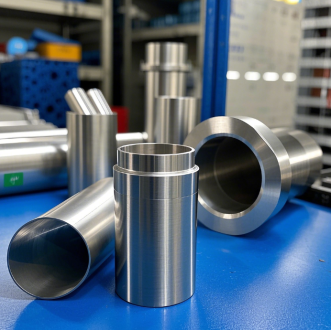
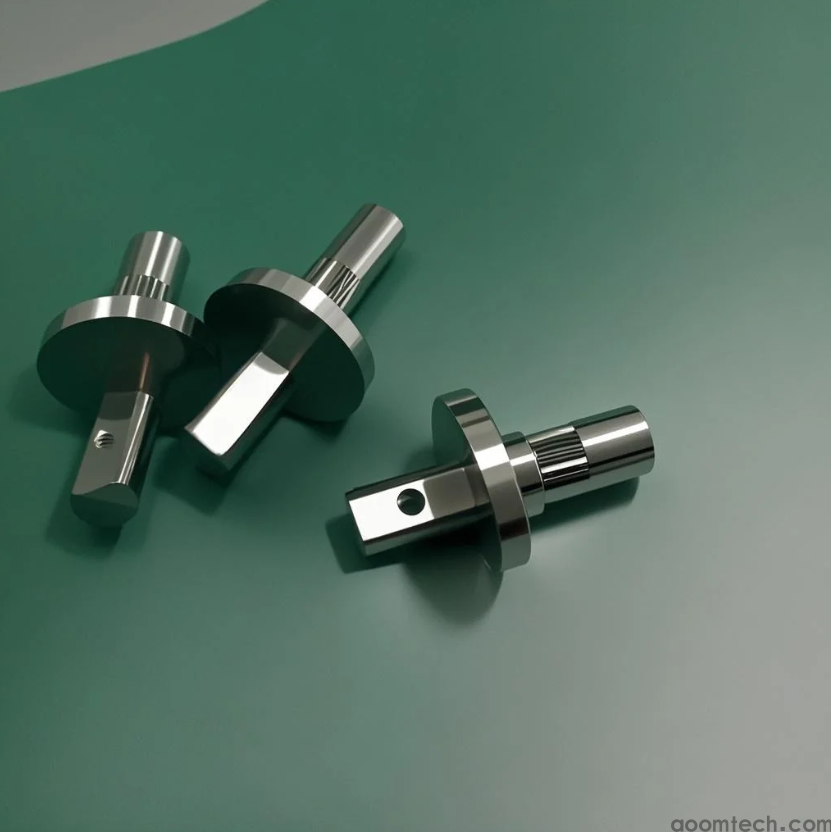
Turning is used for cylindrical parts such as shafts and bushings. The material rotates while the cutting tool removes excess material.
Precision is important to maintain symmetry and smooth surface finishes.
Drilling and Micro-Machining
Drilling creates small holes, sometimes at micro-scale levels. Micro-drilling requires high-speed tools and careful control to prevent breakage.
Additional micro-machining processes may include engraving or fine detailing for identification or functional purposes.
Finishing and Quality Control
After machining, finishing processes such as polishing, deburring, or coating improve the final appearance and performance of the parts.
Quality control is essential. Tools like micrometers and optical microscopes are used to verify dimensions and surface quality. This ensures defective parts are detected early and removed from production.
Applications of CNC-Machined Small Parts
Electronics Industry
Small components such as connectors, heat sinks, and circuit mounts require high precision. CNC machining ensures accurate dimensions for reliable electrical performance.
These uses demonstrate the applications of CNC-machined small parts in modern electronic systems.
Medical Device Industry
Medical tools and devices must meet strict safety and precision standards. CNC machining is used to create surgical instruments, implants, and diagnostic components.
Accurate machining ensures proper fit and safe operation inside the human body.
Watchmaking and Jewelry Industry
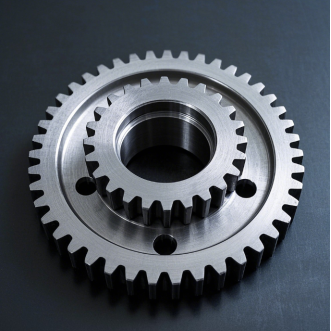
In watchmaking, small gears and mechanical parts require extremely fine precision. Jewelry designs also rely on CNC machining for detailed and complex patterns.
This technology allows consistent production of high-quality decorative and functional micro components.
Choosing a CNC Small Parts Machining Service Provider
Experience and Expertise
Experienced manufacturers understand the challenges of machining small parts, such as tool wear and tight tolerances. Choosing a skilled provider ensures better results and fewer production issues.
This is a key factor when choosing a CNC small parts machining service provider.
Quality Assurance
A reliable provider should have strong inspection systems and use precise measuring equipment. Regular testing during and after production ensures consistent quality.
Cost and Pricing Transparency
Clear pricing helps avoid unexpected costs. A good supplier will explain material costs, machining fees, and additional charges clearly.
Comparing multiple quotes helps achieve fair pricing while maintaining quality.
Delivery Time and Customer Service
Fast and reliable delivery is important for production schedules. Good communication and support ensure smooth project execution and quick problem-solving when needed.
Cost Factors in CNC Machining of Small Parts
Part Complexity
Complex designs require more machining time and advanced tools. Tight tolerances and detailed structures increase production difficulty and cost.
Material Cost
Material selection significantly affects pricing. High-performance or specialty materials cost more and may require special machining techniques.
Volume of Production
Larger production volumes usually reduce cost per unit. Setup costs are distributed across more parts, making mass production more cost-effective.
These elements are known as key cost factors in CNC machining of small parts.
Conclusion: Making the Right Choice in CNC Machining Small Parts Services
CNC Machining Small Parts Services are essential for producing precise, reliable, and high-quality components used across many industries. Understanding the advantages, processes, applications, and cost factors helps businesses make better decisions.
Whether you are working in electronics, medical devices, automotive systems, or precision instruments, choosing the right machining partner is key to product success. Careful evaluation of service providers ensures better performance, lower risk, and long-term value.
Start by researching qualified manufacturers and comparing their capabilities to find the best solution for your small part production needs.
CNC Machining Small Parts Services
CNC Machining Small Parts Services play an important role in modern manufacturing. Many industries depend on small, precise components to build larger and more complex systems. These small parts must be accurate, reliable, and consistent. CNC (Computer Numerical Control) machining makes it possible to produce such parts with high precision and repeatability.
This article explains the significance, benefits, processes, applications, selection tips, and cost factors of CNC machining small parts in a simple and practical way.
The Significance of CNC Machining Small Parts Services
Small parts are the foundation of many products we use every day. From electronics to medical devices, these components must fit and function perfectly. Even a tiny error can affect the performance of the whole system.
CNC Machining Small Parts Services help solve this problem by ensuring high accuracy and consistent production quality. These services improve efficiency, reduce errors, and support innovation in industries that rely on compact and detailed components.
Advantages of CNC Machining for Small Parts
High Precision Manufacturing
CNC machines are controlled by computer programs, which allow extremely accurate production. Tight tolerances can be achieved, even for very small components.
For example, in the electronics industry, connectors and micro components must match exact dimensions to ensure proper electrical performance. High precision reduces defects and improves product reliability, supporting the advantages of CNC machining for small parts.
Complex Design Realization
CNC machining can produce very detailed and complex shapes that are difficult to achieve manually. This includes internal channels, fine structures, and micro-level features.
In the medical industry, small surgical tools often require complex geometry for safe and effective use. CNC technology makes it possible to manufacture such designs accurately, including miniature devices with internal fluid channels.
Consistent Quality Output
Once a CNC program is created, it can produce identical parts repeatedly. This ensures stable quality across large production runs.
For example, in automotive systems, small engine components must be uniform to maintain performance and safety. Consistent output reduces maintenance issues and increases product lifespan.
Process of CNC Machining Small Parts
Design and CAD/CAM Programming
The process begins with a digital design using CAD (Computer-Aided Design) software. Engineers create a 3D model based on functional and material requirements.
Then CAM (Computer-Aided Manufacturing) software converts the model into machine instructions. This includes tool paths, cutting speeds, and feed rates. Special care is taken for small parts because they require delicate and precise machining control.
This stage defines the process of CNC machining small parts and ensures production accuracy before manufacturing begins.
Material Selection and Preparation
Choosing the right material is essential. Different materials behave differently during machining.
Metals like stainless steel and brass offer strength and durability
Plastics are lightweight and cost-effective
Ceramics provide heat and wear resistance
Materials are cut and prepared before machining to ensure stability and reduce defects during production.
Machining Operations
Milling
Milling is used to shape flat surfaces, grooves, and complex 3D structures. Small cutting tools are used for precision work.
For small parts, slower feed rates and controlled cutting speeds help avoid damage and improve surface quality.
Turning
Turning is used for cylindrical parts such as shafts and bushings. The material rotates while the cutting tool removes excess material.
Precision is important to maintain symmetry and smooth surface finishes.
Drilling and Micro-Machining
Drilling creates small holes, sometimes at micro-scale levels. Micro-drilling requires high-speed tools and careful control to prevent breakage.
Additional micro-machining processes may include engraving or fine detailing for identification or functional purposes.
Finishing and Quality Control
After machining, finishing processes such as polishing, deburring, or coating improve the final appearance and performance of the parts.
Quality control is essential. Tools like micrometers and optical microscopes are used to verify dimensions and surface quality. This ensures defective parts are detected early and removed from production.
Applications of CNC-Machined Small Parts
Electronics Industry
Small components such as connectors, heat sinks, and circuit mounts require high precision. CNC machining ensures accurate dimensions for reliable electrical performance.
These uses demonstrate the applications of CNC-machined small parts in modern electronic systems.
Medical Device Industry
Medical tools and devices must meet strict safety and precision standards. CNC machining is used to create surgical instruments, implants, and diagnostic components.
Accurate machining ensures proper fit and safe operation inside the human body.
Watchmaking and Jewelry Industry
In watchmaking, small gears and mechanical parts require extremely fine precision. Jewelry designs also rely on CNC machining for detailed and complex patterns.
This technology allows consistent production of high-quality decorative and functional micro components.
Choosing a CNC Small Parts Machining Service Provider
Experience and Expertise
Experienced manufacturers understand the challenges of machining small parts, such as tool wear and tight tolerances. Choosing a skilled provider ensures better results and fewer production issues.
This is a key factor when choosing a CNC small parts machining service provider.
Quality Assurance
A reliable provider should have strong inspection systems and use precise measuring equipment. Regular testing during and after production ensures consistent quality.
Cost and Pricing Transparency
Clear pricing helps avoid unexpected costs. A good supplier will explain material costs, machining fees, and additional charges clearly.
Comparing multiple quotes helps achieve fair pricing while maintaining quality.
Delivery Time and Customer Service
Fast and reliable delivery is important for production schedules. Good communication and support ensure smooth project execution and quick problem-solving when needed.
Cost Factors in CNC Machining of Small Parts
Part Complexity
Complex designs require more machining time and advanced tools. Tight tolerances and detailed structures increase production difficulty and cost.
Material Cost
Material selection significantly affects pricing. High-performance or specialty materials cost more and may require special machining techniques.
Volume of Production
Larger production volumes usually reduce cost per unit. Setup costs are distributed across more parts, making mass production more cost-effective.
These elements are known as key cost factors in CNC machining of small parts.
Conclusion: Making the Right Choice in CNC Machining Small Parts Services
CNC Machining Small Parts Services are essential for producing precise, reliable, and high-quality components used across many industries. Understanding the advantages, processes, applications, and cost factors helps businesses make better decisions.
Whether you are working in electronics, medical devices, automotive systems, or precision instruments, choosing the right machining partner is key to product success. Careful evaluation of service providers ensures better performance, lower risk, and long-term value.
Start by researching qualified manufacturers and comparing their capabilities to find the best solution for your small part production needs.
RELATED PRODUCTS
-
Medical Brass CNC Machining Parts
-
Precision CNC Machining PEEK Services
-
Precision Custom CNC Machined Car Parts
-
cnc machining optical housings
-
Precision CNC Casting Machining Services
-
Precision Gear CNC Machining Services
-
Precision Stainless Steel Parts CNC Mach
-
CNC Machining of Precision Aluminum Tube
-
CNC Machining of Large Precision Aluminu
-
CNC Machining & Manufacturing of Pre