CNC Machining Stainless Steel Flanges
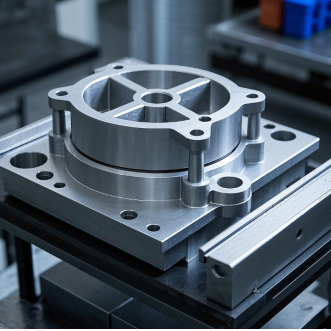
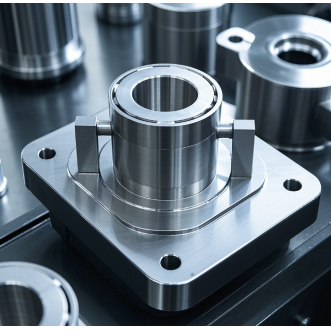
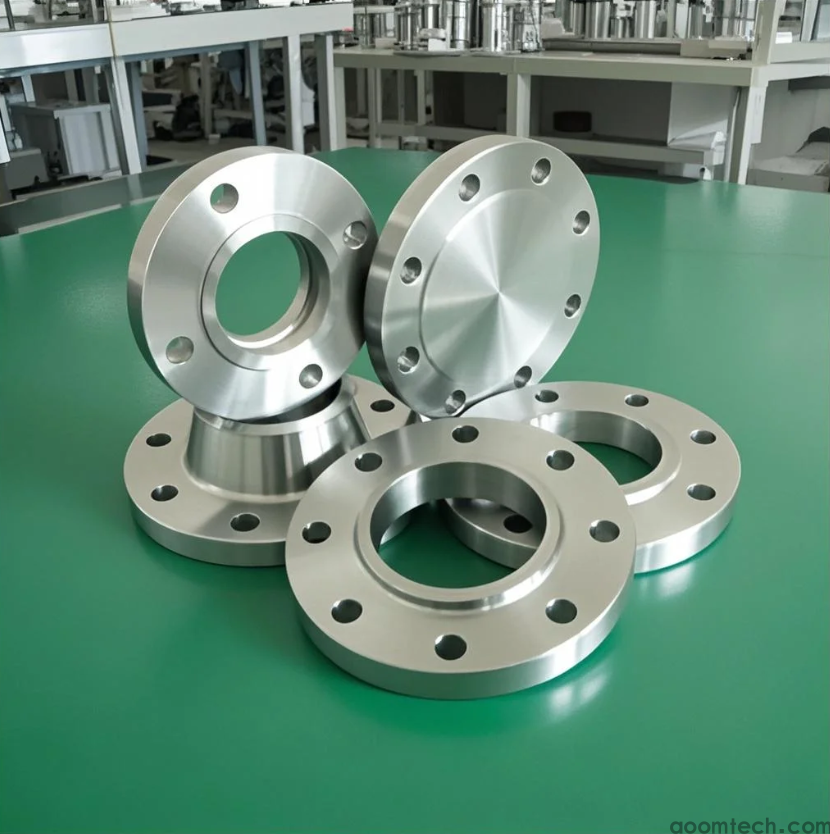
CNC Machining Stainless Steel Flanges is a modern manufacturing process used to produce high-precision components for piping systems. Stainless steel flanges are widely used in industries such as oil and gas, chemical processing, water treatment, and plumbing. They connect pipes, valves, pumps, and other equipment, ensuring a strong, safe, and leak-proof system.
With CNC (Computer Numerical Control) technology, manufacturers can achieve high accuracy, repeatability, and efficiency. This is especially important for critical applications where even small errors can cause leaks, system failure, or safety risks. CNC-machined stainless steel flanges improve reliability, durability, and overall system performance.
The Significance of CNC in Stainless Steel Flange Production
Stainless steel flanges play a key role in industrial piping systems. They must handle high pressure, temperature changes, and corrosive environments. The significance of CNC for stainless steel flange production lies in its ability to produce consistent and precise parts that meet strict industrial standards.
CNC machining ensures that every flange matches exact specifications, which helps prevent leaks and improves safety. Compared with manual machining, CNC reduces human error and improves production speed. This makes it ideal for both small-batch and large-scale manufacturing.
In real-world use, CNC-machined flanges contribute to safer oil pipelines, more stable chemical plants, and longer-lasting water distribution systems.
Processes in CNC Machining Stainless Steel Flanges
Design and CAD/CAM Programming
The process begins with CAD (Computer-Aided Design), where engineers create a detailed 3D model of the flange. This model includes critical details such as diameter, bolt hole pattern, thickness, pressure rating, and sealing surface type.
Next, CAM (Computer-Aided Manufacturing) software converts the design into machine instructions. Programmers define toolpaths, cutting speeds, feed rates, and spindle speeds based on stainless steel grade and part complexity.
For example, in a high-pressure oil pipeline flange design, engineers may reduce cutting speeds and use multi-step machining paths to prevent heat buildup and maintain dimensional accuracy. Complex sealing surfaces may also require fine finishing passes to ensure leak-proof performance.
Material Selection and Preparation
Material choice is critical in processes in CNC machining stainless steel flanges. Common grades include 304, 316, and 316L stainless steel.
304 stainless steel: general use, good corrosion resistance
316 stainless steel: better resistance to chemicals and saltwater
316L stainless steel: low carbon, better welding and corrosion performance
After selecting the material, it is cut into suitable blanks. In some cases, annealing is used to reduce hardness and improve machinability. Stronger grades may require slower cutting speeds and more durable tooling.
Machining Operations
Milling
Milling is used to create flat surfaces, raised faces, and structural features of the flange. Carbide-tipped tools are commonly used due to the hardness of stainless steel.
To improve tool life and surface quality, machining parameters must be carefully controlled. Lower cutting speeds and controlled feed rates help reduce heat and tool wear.
For example, when machining a flange sealing face, a carbide end mill with optimized feed control can produce a smooth finish that improves sealing performance.
Drilling
Drilling is used to create bolt holes in precise positions. High-speed steel (HSS) or carbide drill bits are commonly used, often with protective coatings such as titanium nitride (TiN).
Proper coolant use is important to reduce heat and prevent drill failure. Stable feed pressure also ensures accurate hole placement and reduces the risk of tool breakage.
Finishing Operations
Finishing improves both appearance and performance. Polishing is often applied to sealing surfaces to improve corrosion resistance and sealing quality.
In some cases, heat treatment may be used to improve mechanical strength. A well-finished stainless steel flange can last longer in corrosive environments such as chemical plants.
Tooling for CNC Stainless Steel Flange Machining
Milling Tools
In tooling for CNC stainless steel flange machining, carbide end mills are widely used due to their hardness and wear resistance. Face mills are used for machining large flat surfaces efficiently.
For example, a carbide-tipped end mill can produce a smooth sealing surface on a flange, reducing leakage risk in high-pressure systems.
Drill Bits
Drill bit selection is critical for accuracy and tool life. TiN-coated HSS drill bits reduce friction and improve durability. Carbide drills are used for more demanding or high-volume production.
For instance, a TiN-coated drill bit can maintain accuracy when drilling bolt holes in 316 stainless steel, even under high resistance conditions.
Quality Control in CNC Machining Stainless Steel Flanges
Dimensional Inspection
Quality control in CNC machining stainless steel flanges starts with dimensional inspection. Tools such as calipers, micrometers, and coordinate measuring machines (CMMs) are used to verify accuracy.
For example, if a flange diameter is found slightly out of tolerance during in-process inspection, operators can adjust tool offsets immediately, preventing defective production.
Surface Finish Inspection
Surface quality affects sealing performance and corrosion resistance. Surface roughness testers and visual inspection are used to ensure standards are met.
If tool marks or rough surfaces are detected, additional polishing or finishing passes are applied to improve quality and ensure proper sealing.
Material Integrity Inspection
Non-destructive testing (NDT) methods such as ultrasonic testing and magnetic particle inspection are used to detect internal defects.
For example, ultrasonic testing may reveal hidden cracks inside a flange, preventing its use in critical pipelines where failure could be dangerous.
Challenges in CNC Machining Stainless Steel Flanges
Tool Wear
One of the main challenges in CNC machining stainless steel flanges is tool wear. Stainless steel is hard and causes cutting tools to dull quickly.
For example, carbide end mills may need frequent replacement during large production runs, increasing cost and downtime.
Heat Generation
Machining stainless steel produces high heat, which can cause thermal expansion and dimensional errors.
In some cases, a flange may expand slightly during machining and later fail to fit properly during assembly once it cools down.
Chip Evacuation
Stainless steel chips are often long and stringy, making them difficult to remove. Poor chip evacuation can damage tools or scratch the workpiece.
For example, chip buildup during machining may cause tool breakage or surface defects, requiring improved chip-breaking strategies and better coolant flow.
Conclusion: Mastering CNC Machining for Stainless Steel Flanges
CNC Machining Stainless Steel Flanges is a highly precise and essential manufacturing process for modern industries. It ensures strong, safe, and reliable connections in piping systems.
Key factors such as design, material selection, machining processes, tooling, quality control, and challenge management all play important roles in production success. Understanding these elements helps manufacturers improve efficiency and product quality.
By applying proper techniques and careful process control, companies can achieve better performance, lower costs, and longer service life for stainless steel flanges. Continuous improvement in CNC machining practices is essential for meeting modern industrial demands.
RELATED PRODUCTS
-
Medical Brass CNC Machining Parts
-
Precision CNC Machining PEEK Services
-
Precision Custom CNC Machined Car Parts
-
cnc machining optical housings
-
Precision CNC Casting Machining Services
-
Precision Gear CNC Machining Services
-
Precision Stainless Steel Parts CNC Mach
-
CNC Machining of Precision Aluminum Tube
-
CNC Machining of Large Precision Aluminu
-
CNC Machining & Manufacturing of Pre