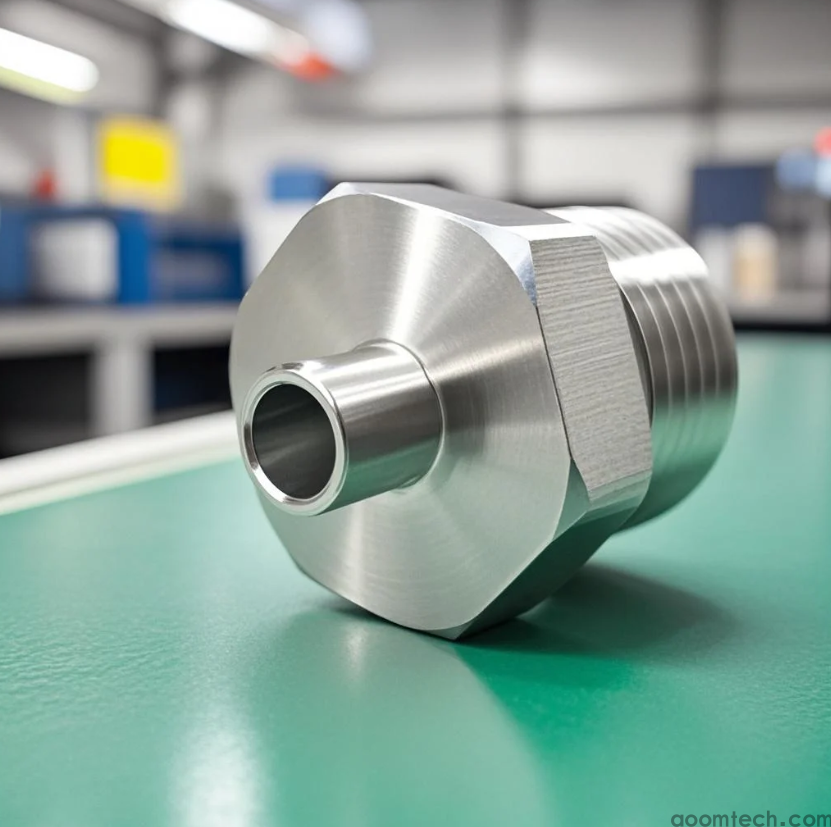
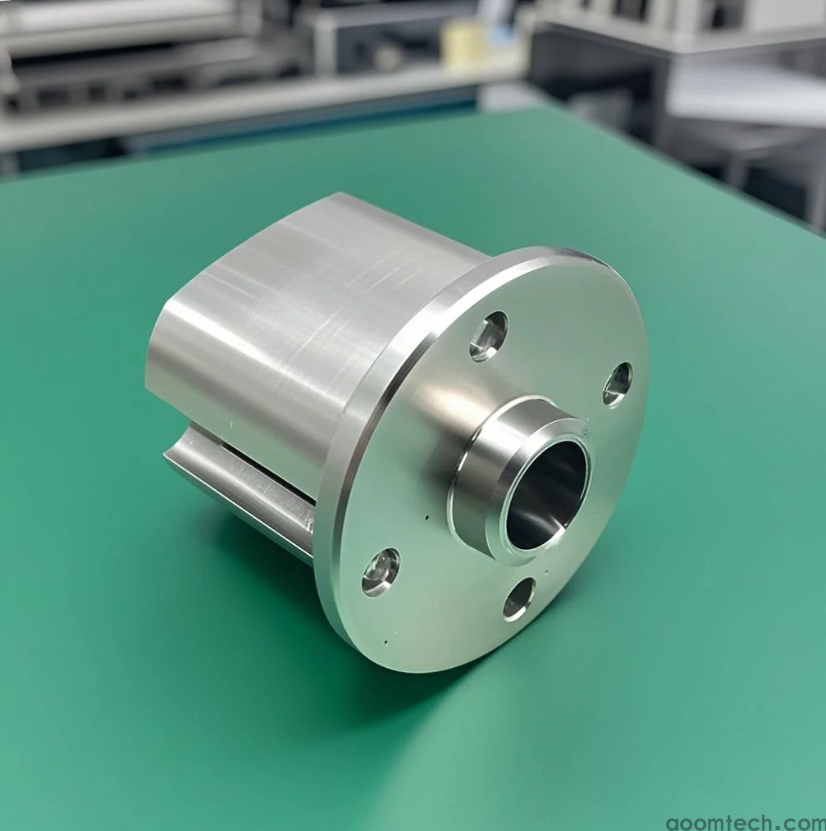
CNC Machining Stainless Steel Parts Services
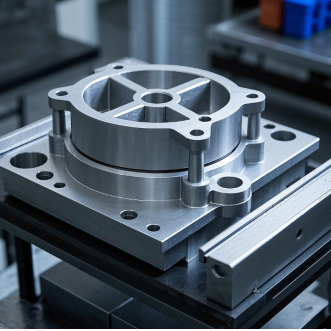
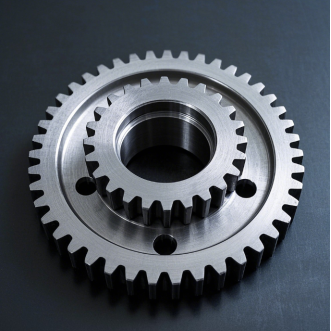
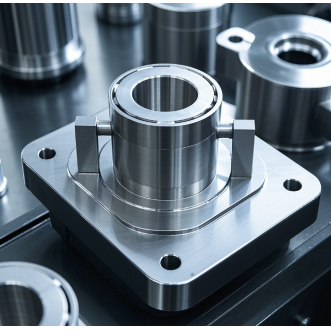
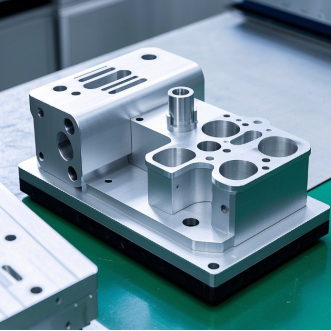
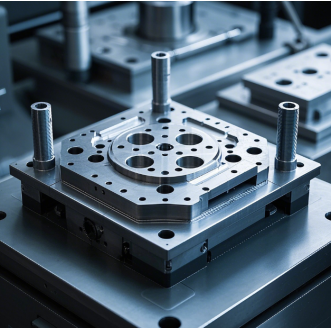
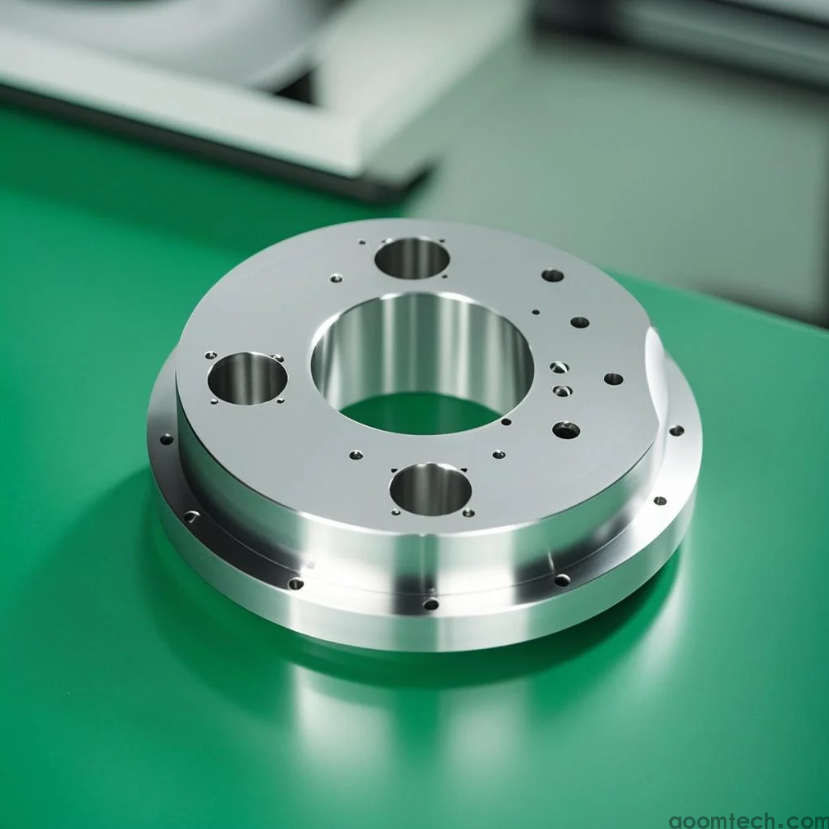
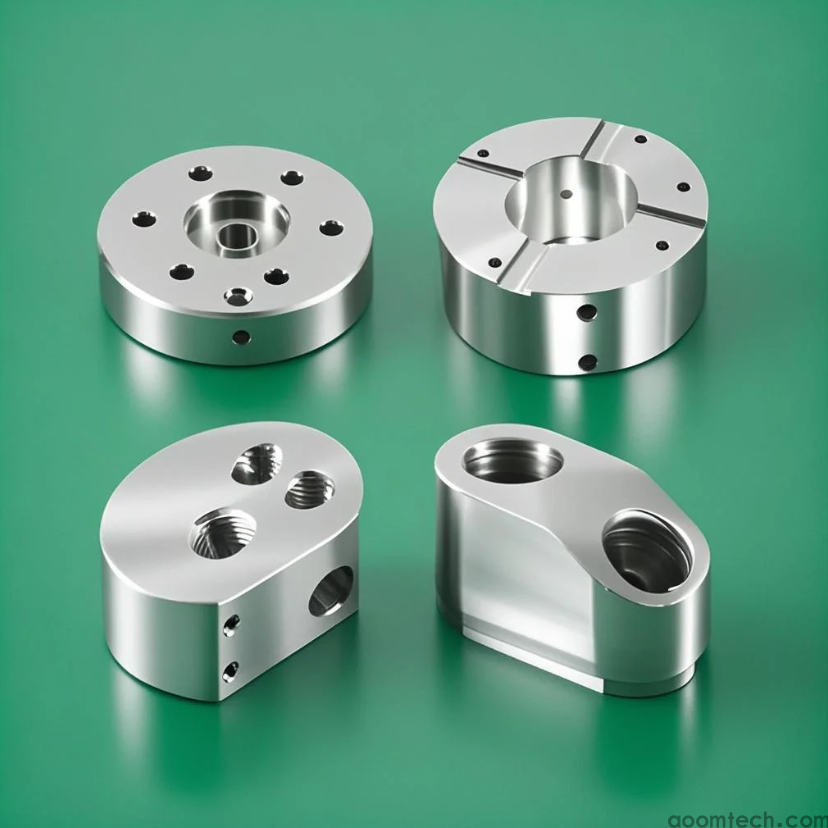
CNC Machining Stainless Steel Parts Services play a key role in modern manufacturing industries where precision, strength, and corrosion resistance are required. Stainless steel parts are used in demanding environments such as food processing, medical devices, construction, marine systems, and industrial machinery. CNC (Computer Numerical Control) machining makes it possible to produce these parts with high accuracy, repeatability, and complex geometries.
This article explains what CNC machining stainless steel parts services are, why they matter, the machining processes involved, types of stainless steel used, key challenges, and how to choose a reliable service provider.
Importance of CNC Machining Stainless Steel Parts Services
Stainless steel parts in real industries
Stainless steel is widely used because of its excellent corrosion resistance, strength, and clean appearance. In the food industry, stainless steel is used for mixing tanks, conveyor components, and processing equipment to maintain hygiene and prevent contamination. In the medical field, surgical tools and implants rely on stainless steel for safety and biocompatibility. In construction, it is used for structural supports, fasteners, and architectural components exposed to weather conditions.
Without precise manufacturing, these parts may fail to perform correctly. That is why CNC machining stainless steel parts services are essential for ensuring product safety and long-term reliability.
Precision manufacturing
CNC machining ensures extremely high precision when producing stainless steel parts. Many components must fit tightly within complex assemblies. Even a small dimensional error can lead to system failure, such as leaks in pipelines, malfunctioning medical tools, or instability in mechanical structures.
By using computer-controlled machines, manufacturers can achieve tight tolerances and consistent accuracy across every part.
Complex geometries and customization
Modern industries often require parts with unique shapes and detailed internal structures. CNC technology allows manufacturers to produce complex designs that would be impossible with traditional machining methods.
For example, a custom-designed heat exchanger may require intricate internal channels to improve heat transfer efficiency. CNC machining stainless steel parts services make such advanced designs possible while maintaining structural strength and precision.
Consistent quality
Once a CNC program is created, the machine can produce identical parts repeatedly. This ensures consistent quality across large production batches. Consistency reduces assembly errors, improves product performance, and lowers long-term production costs.
CNC Machining Processes for Stainless Steel Parts
Milling
Milling is one of the most common processes used in CNC machining stainless steel parts services. A rotating cutting tool removes material from a stainless steel workpiece to create flat surfaces, grooves, holes, and complex 3D shapes.
In CNC milling for stainless steel parts, tool selection is critical. Stainless steel has high strength and a tendency to work-harden, so sharp and durable cutting tools are required. Cutting parameters such as spindle speed, feed rate, and depth of cut must be carefully controlled.
For example, austenitic stainless steel requires slower cutting speeds and effective coolant use to prevent overheating and tool wear.
Turning
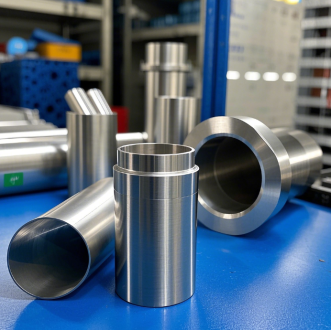
Turning is used to produce cylindrical parts such as shafts, rods, and bushings. In this process, the stainless steel workpiece rotates while a cutting tool shapes its outer surface.
Maintaining concentricity and surface finish is important in turning operations. Proper tool selection and cutting fluid usage help reduce heat buildup and improve surface quality. Chip control is also important to avoid damage to the tool or part.
Drilling and boring
Drilling creates holes in stainless steel parts, while boring enlarges or refines existing holes to achieve precise dimensions. These processes are essential for assembly components and fluid systems.
Using the right drill type, such as cobalt-based or carbide drills, helps reduce tool breakage. Proper alignment and stable cutting conditions are necessary to ensure accuracy and avoid dimensional errors.
Types of Stainless Steel Used in CNC Machining
Austenitic stainless steel
Austenitic stainless steel is the most commonly used type in CNC machining stainless steel parts services. It offers excellent corrosion resistance, high ductility, and good formability. It is widely used in food processing, medical, and chemical industries.
However, it has a tendency to work-harden during machining. To manage this, manufacturers use sharp cutting tools, proper coolant, and optimized cutting speeds.
Ferritic stainless steel
Ferritic stainless steel provides good corrosion resistance in mild environments and is more cost-effective. It is often used in automotive exhaust systems and architectural applications.
Compared to austenitic steel, it has lower ductility, so machining parameters must be adjusted to prevent cracking or surface damage.
Martensitic stainless steel
Martensitic stainless steel is known for its high strength and hardness. It is commonly used in cutting tools, surgical instruments, and wear-resistant mechanical parts.
However, it is more difficult to machine due to its hardness. Heat treatment and specialized cutting techniques are often required to achieve desired results.
Types of stainless steel in CNC machining directly affect tool selection, cutting strategy, and final product performance.
Challenges in CNC Machining Stainless Steel Parts
Work-hardening
One of the biggest challenges in machining stainless steel is work-hardening. As the tool cuts the material, the surface becomes harder, making further cutting more difficult and increasing tool wear.
To reduce this issue, manufacturers use sharp tools, stable cutting speeds, and proper cooling systems.
Tool wear
Stainless steel is strong and abrasive, which leads to faster tool wear compared to other materials. Carbide-coated tools and regular tool inspection help maintain machining accuracy and reduce production errors.
Heat generation
Stainless steel has low thermal conductivity, meaning heat builds up in the cutting zone. Excess heat can damage tools and affect dimensional accuracy.
Coolant systems, optimized cutting speeds, and efficient chip removal are essential to control temperature during machining.
Choosing a CNC Machining Service Provider for Stainless Steel Parts
Technical expertise
A reliable provider should have strong experience in stainless steel machining. They should understand different grades of stainless steel and how each behaves during machining.
When evaluating a provider, check their past projects, technical capabilities, and sample parts. Experienced engineers can significantly improve product quality and reduce production risks.
Quality assurance system
A strong quality control system is essential in CNC machining stainless steel parts services. High-quality providers use precision measuring tools such as calipers, micrometers, hardness testers, and surface roughness testers.
Quality checks should be performed during and after production. Non-conforming parts must be identified and corrected quickly to ensure consistency.
Many professional manufacturers follow international standards such as ISO 9001 to ensure process stability and product reliability.
Cost-effectiveness and lead times
While cost is important, it should not be the only factor. Low-cost services may result in poor quality or delays. A good provider balances cost, quality, and delivery time.
When comparing suppliers, request detailed quotes, evaluate production capacity, and check their on-time delivery record.
Choosing a provider for CNC stainless steel parts machining requires careful evaluation of technical skill, quality control, and production reliability.
Conclusion
CNC machining stainless steel parts services are essential for industries that require high precision, durability, and corrosion resistance. From medical devices to industrial machinery, stainless steel components must meet strict quality and performance standards.
Understanding machining processes, material types, and production challenges helps businesses make better decisions when selecting manufacturing partners. With the right service provider, companies can achieve consistent quality, improved efficiency, and long-term product reliability.
RELATED PRODUCTS
-
Medical Brass CNC Machining Parts
-
Precision CNC Machining PEEK Services
-
Precision Custom CNC Machined Car Parts
-
cnc machining optical housings
-
Precision CNC Casting Machining Services
-
Precision Gear CNC Machining Services
-
Precision Stainless Steel Parts CNC Mach
-
CNC Machining of Precision Aluminum Tube
-
CNC Machining of Large Precision Aluminu
-
CNC Machining & Manufacturing of Pre