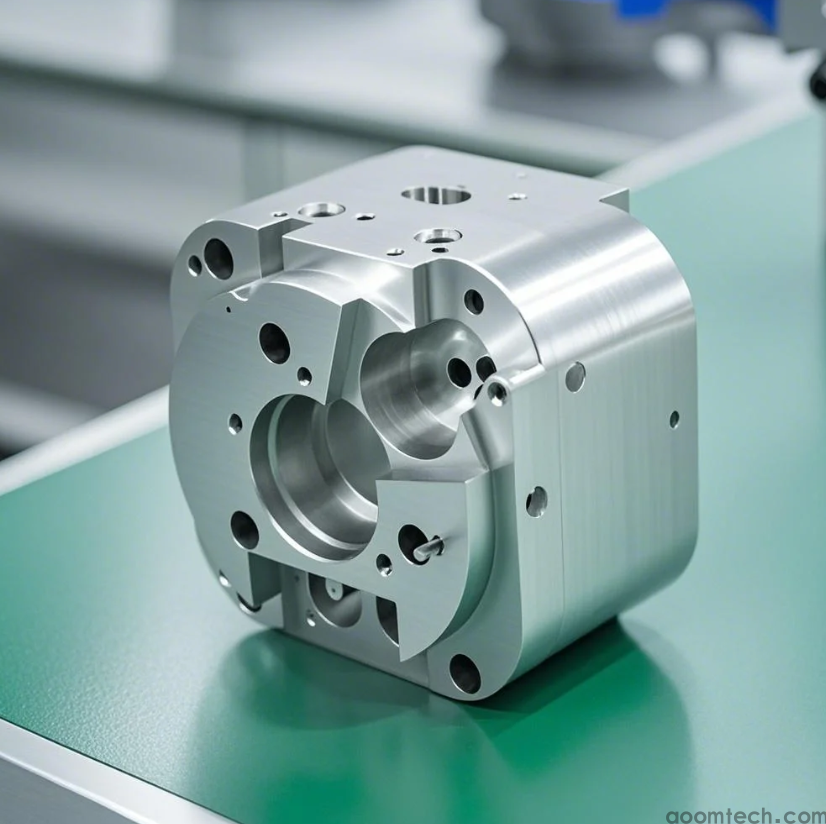
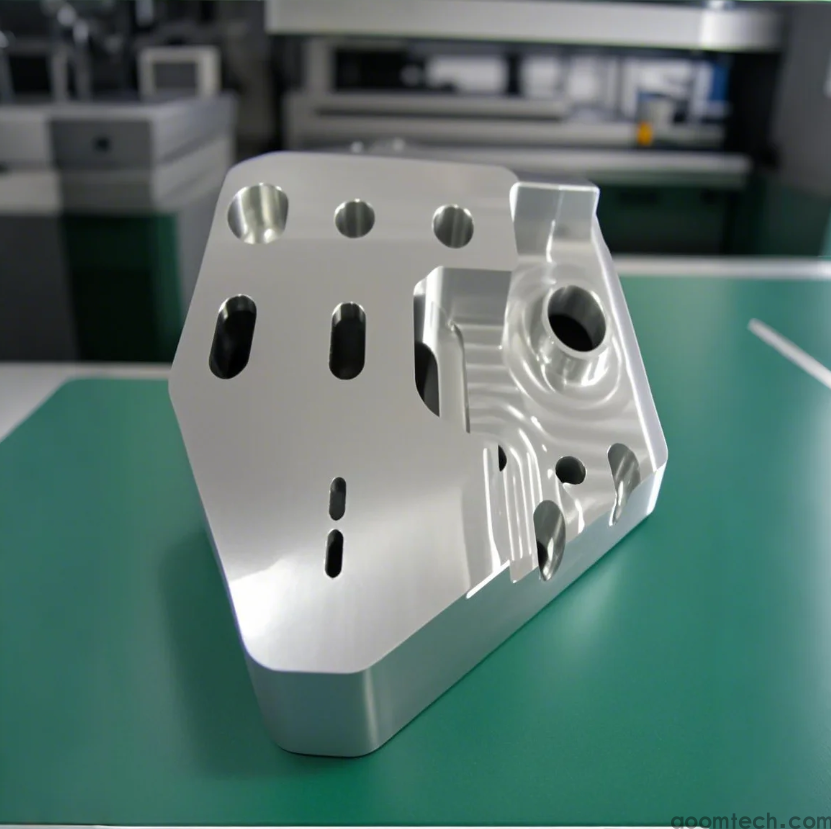
CNC Milling Service for Precision Parts
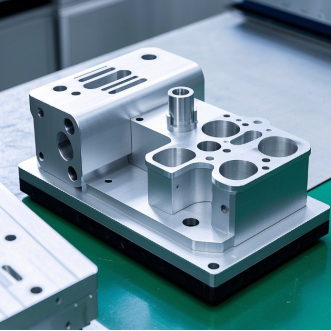
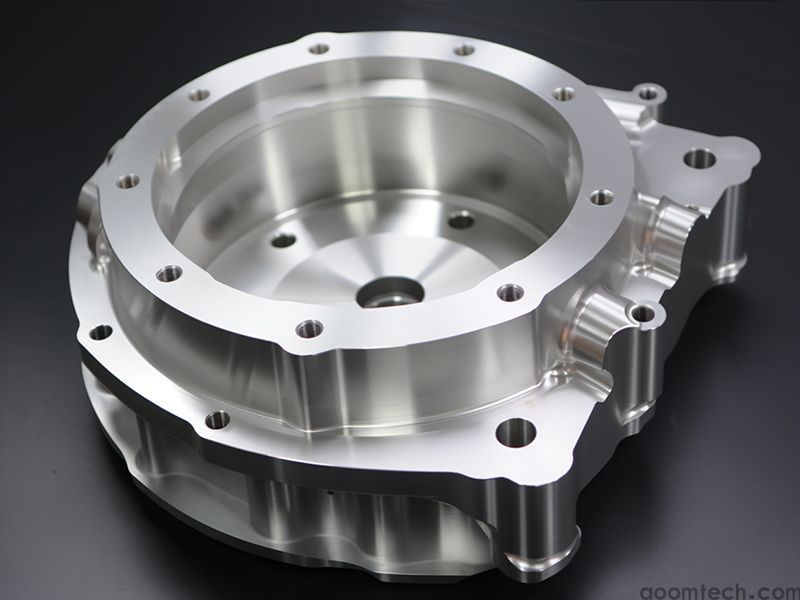
A CNC Milling Service for Precision Parts plays a key role in modern manufacturing industries where accuracy, consistency, and performance are critical. From aerospace systems to medical devices and high-tech electronics, precision parts must meet strict design requirements. CNC milling technology makes it possible to produce these parts with high reliability and repeatability.
Introduction to CNC Milling Service for Precision Parts
The Significance of Precision Parts
Precision parts are essential components used in advanced industries such as aerospace, medical technology, electronics, and industrial automation. These parts must follow exact measurements to ensure machines and systems work safely and efficiently.
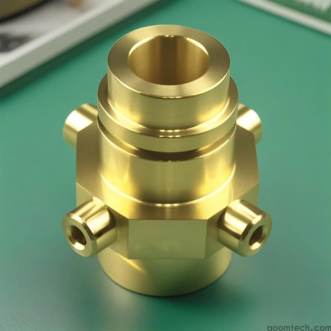
Examples include micro-machined components in medical implants, turbine blades in aerospace engines, and connectors in electronic devices. Even a very small error in these parts can affect the performance of the entire system.
Importance of CNC Milling for Precision Parts
High-precision Manufacturing
CNC milling machines are controlled by computer programs, allowing manufacturers to achieve extremely tight tolerances, often in the micron range. This level of accuracy ensures that each part fits perfectly within complex assemblies.
If a part is not precise, it may cause system failure, vibration, or safety risks. For example, in electronic devices, poor alignment of precision components can lead to signal interference or short circuits.
Complex Geometries and Customization
CNC milling can produce complex shapes that are difficult or impossible to make using traditional methods. This includes internal channels, fine surface details, and multi-dimensional structures.
For example, a cooling component in a high-performance computer may require internal channels for heat dissipation, while medical tools may need custom-shaped surfaces for better function and safety.
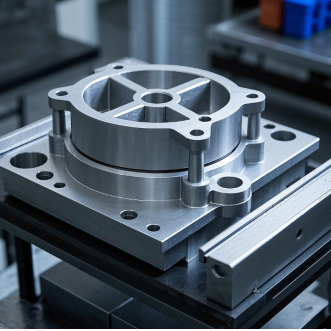
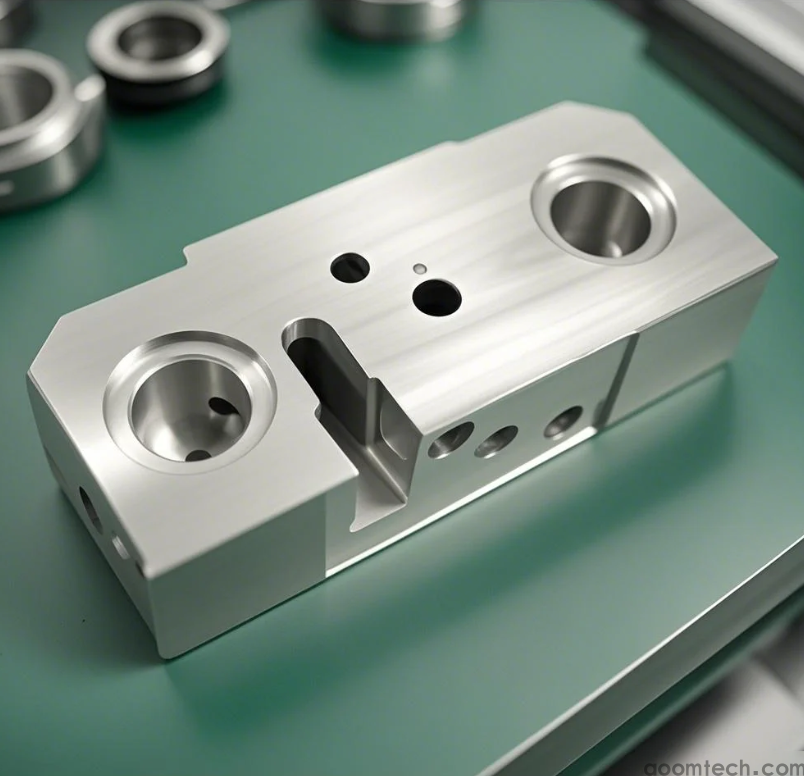
Long-tail keyword: CNC face milling for precision parts is often used to achieve flat and accurate surfaces required in base structures and mounting components.
Cost-effectiveness for Small-batch Production
Once a CNC program is created, it can be reused to produce multiple identical parts with consistent quality. This reduces production costs, especially for small batches or prototypes.
This is highly useful in product development, research projects, and maintenance of specialized equipment where only a limited number of parts are needed.
CNC Milling Processes for Precision Parts
Face Milling
Face milling uses a rotating cutter with multiple teeth to create flat surfaces on a workpiece. It is commonly used for preparing base surfaces before further machining steps.
Cutting parameters such as spindle speed, feed rate, and depth of cut must be carefully selected depending on the material. For example, aluminum requires different settings compared to hardened steel to achieve the same smooth surface quality.
End Milling
End milling is used to create slots, pockets, and complex 3D shapes. It is one of the most flexible CNC milling processes.
Different types of end mills are used depending on the material and design requirements. Accurate control of tool movement is essential to ensure correct dimensions and surface quality.
Long-tail keyword: choosing a provider for CNC precision part milling often requires evaluating their capability in advanced end milling operations for complex designs.
Profile Milling
Profile milling is used to machine the outer or inner shape of a part. It requires accurate tool path planning to ensure the final geometry matches the design.
Tool deflection and vibration must be controlled carefully to maintain precision. This process is commonly used in medical devices and aerospace components where exact profiles are critical.
Materials Used in CNC Milling of Precision Parts
Metals
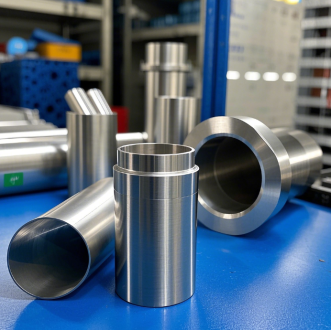
Common metals include stainless steel, titanium, and aluminum.
Stainless steel: strong, corrosion-resistant, widely used in industrial and medical applications.
Titanium: lightweight, high strength, and biocompatible, ideal for aerospace and medical implants.
Aluminum: lightweight and easy to machine, commonly used in electronics and automotive parts.
Long-tail keyword: materials for CNC-milled precision components often depend on strength, weight, corrosion resistance, and application requirements.
Ceramics and Composites
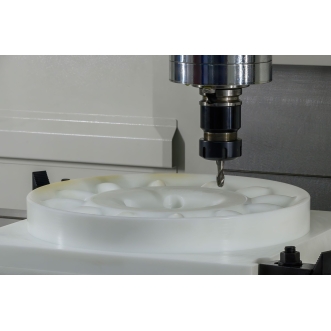
Ceramics provide high hardness, wear resistance, and thermal stability, making them suitable for electronics and high-temperature environments. However, they are brittle and require careful machining.
Composite materials such as carbon-fiber-reinforced polymers offer high strength with low weight. Machining them requires special tools to avoid fiber damage and delamination.
Challenges in CNC Milling of Precision Parts
Tool Wear
Hard materials can cause rapid tool wear, affecting accuracy and surface quality. To solve this, manufacturers use coated carbide tools and monitor tool condition regularly.
Heat Generation
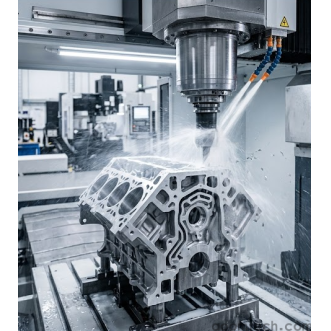
Heat produced during machining can affect both the tool and the workpiece. Proper coolant use and optimized cutting speeds help control temperature and maintain dimensional accuracy.
Surface Finish
Surface quality is very important for precision parts, especially in optical, medical, and aerospace applications. Smooth surfaces improve performance and reduce friction.
Polishing and fine finishing processes are often used after CNC milling to achieve the required surface quality.
Choosing a CNC Milling Service Provider for Precision Parts
Technical Expertise
A reliable provider must have strong experience in CNC milling and precision engineering. They should understand different materials, machining strategies, and tight tolerance requirements.
Checking case studies, sample parts, and engineering capabilities helps evaluate their technical strength.
Quality Assurance
A strong quality control system is essential. Advanced inspection tools such as CMM (Coordinate Measuring Machines), surface testers, and profilometers are used to ensure accuracy.
Good providers also maintain detailed inspection records and handle non-conforming parts through strict correction processes.
Cost-effectiveness and Lead Times
While cost is important, it should not compromise quality. A professional provider offers balanced pricing with reliable delivery schedules.
Comparing quotes, checking past delivery performance, and understanding production capacity can help in making the right decision.
Long-tail keyword: choosing a provider for CNC precision part milling is crucial for ensuring both quality and production efficiency in demanding industries.
Conclusion
A CNC Milling Service for Precision Parts is essential for producing high-quality components used in modern industries. With advanced machining processes, a wide range of materials, and strict quality control systems, CNC milling ensures precision, reliability, and efficiency.
Understanding the processes, materials, and selection criteria helps businesses choose the right manufacturing partner and achieve better product performance in competitive markets.
RELATED PRODUCTS
-
Medical Brass CNC Machining Parts
-
Precision CNC Machining PEEK Services
-
Precision Custom CNC Machined Car Parts
-
cnc machining optical housings
-
Precision CNC Casting Machining Services
-
Precision Gear CNC Machining Services
-
Precision Stainless Steel Parts CNC Mach
-
CNC Machining of Precision Aluminum Tube
-
CNC Machining of Large Precision Aluminu
-
CNC Machining & Manufacturing of Pre