CNC Mold Processing Customization
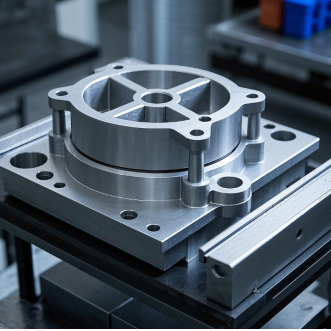
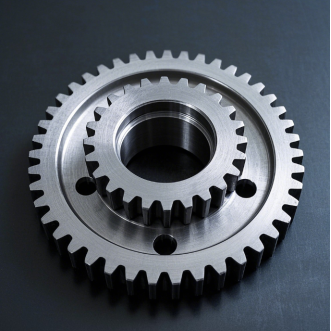
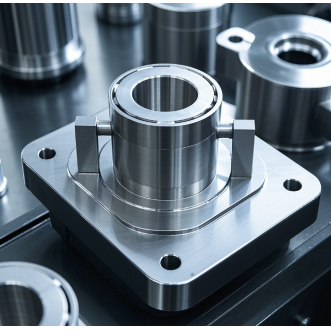
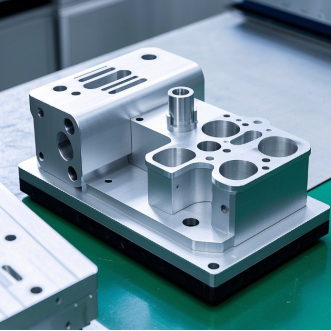
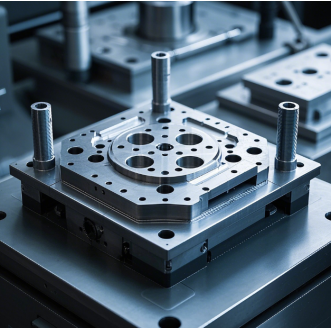
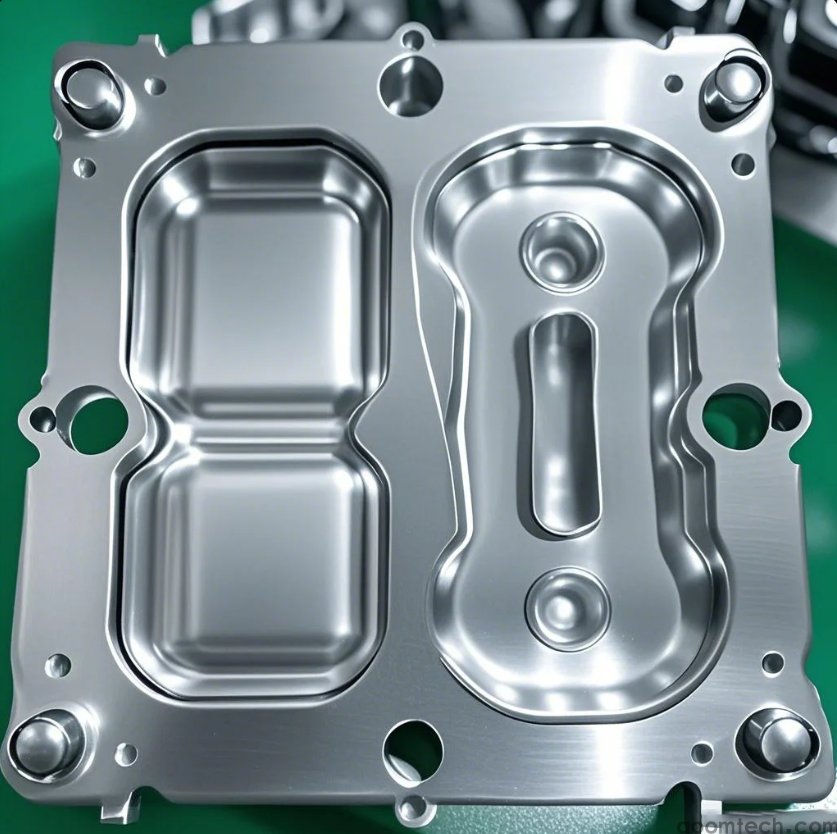
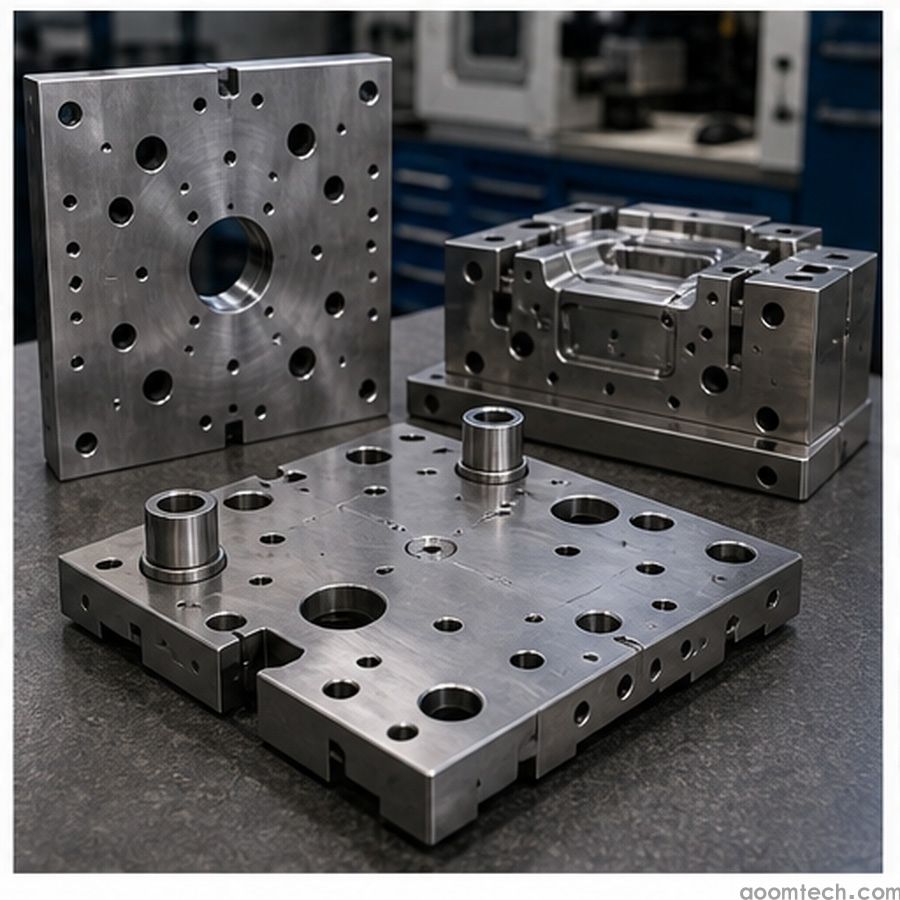
CNC Mold Processing Customization plays a critical role in today’s manufacturing industry. It enables companies to design and produce highly precise molds that are used to create everything from plastic consumer products to complex automotive and medical components. With the help of CNC (Computer Numerical Control) technology, manufacturers can achieve high accuracy, repeatability, and efficiency in mold production.
Introduction to CNC Mold Processing Customization
The Significance of Custom-made CNC Molds
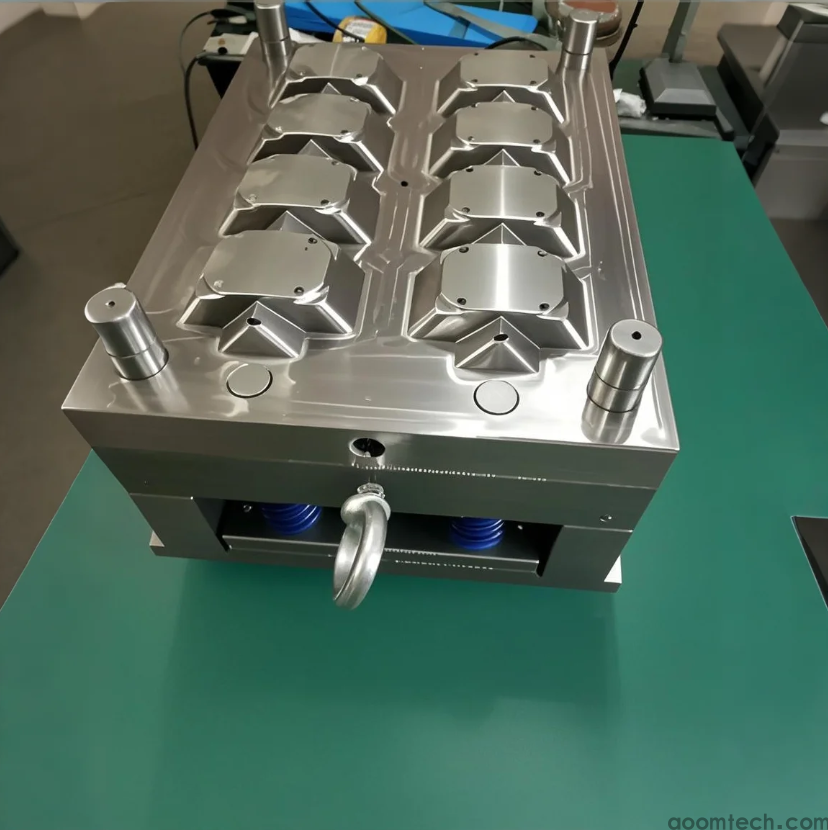
Custom-made molds are essential in many industries because they determine the final shape, quality, and performance of mass-produced products. CNC Mold Processing Customization allows manufacturers to build molds specifically designed for unique product requirements.
For example, smartphone cases require smooth surfaces and precise fitment, automotive interior components demand durability and accuracy, and medical device parts need extreme precision and safety compliance. Without customized CNC molds, it would be difficult to maintain consistent quality in mass production.
These molds ensure that every product produced in a batch maintains the same dimensions, appearance, and functionality.
Importance of CNC Technology in Mold Processing
High-precision manufacturing is one of the biggest advantages of CNC Mold Processing Customization. CNC machines follow digital instructions with extreme accuracy, often within microns. This ensures mold cavities and features meet tight tolerances.
If a mold is not precise, it can cause product defects such as misalignment, surface deformation, or inconsistent sizing. For instance, a poorly made injection mold for consumer electronics may produce warped plastic housings that cannot be assembled correctly.
Complex geometries and design flexibility are also major strengths of CNC technology. Modern molds often include intricate internal structures, fine textures, or multi-layered shapes. CNC machining can accurately reproduce these complex designs.
For example, an automotive lightweight component may use a honeycomb internal structure to reduce weight while maintaining strength. Decorative consumer products may require detailed surface textures that only CNC precision can achieve.
Cost-effectiveness for batch production is another benefit. Once programming is completed, CNC systems can produce consistent molds efficiently with reduced human error. This lowers long-term production costs, especially for large-scale manufacturing.
CNC Mold Processing Methods
CNC Milling for Mold Processing Customization
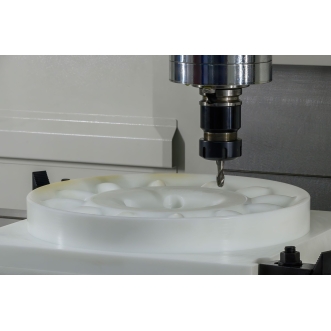
Milling is one of the most common methods in CNC mold production. It uses a rotating cutting tool to remove material and shape the mold.
This process can create flat surfaces, deep cavities, slots, and complex 3D shapes. Tool selection is important and depends on mold material and design complexity. Cutting parameters such as spindle speed, feed rate, and depth of cut must be carefully adjusted.
For steel molds, slower cutting speeds and stronger tools are required, while aluminum molds allow faster machining. High-quality cutting tools ensure better surface finish and accuracy, which directly affects mold performance.
Electrical Discharge Machining (EDM)
EDM is widely used in CNC Mold Processing Customization for hard materials and complex shapes. Instead of mechanical cutting, EDM uses electrical discharges to erode material.
There are two main types:
Wire EDM: Used for precise cutting of complex profiles in hardened steel.
Die-sinking EDM: Used to create deep cavities and detailed mold shapes.
EDM is especially useful for molds with very fine details, but it is slower compared to traditional milling.
Turning
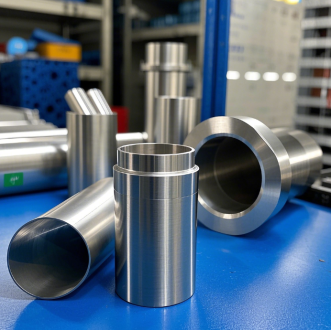
Turning is used to produce cylindrical mold components such as cores, sleeves, and inserts. The workpiece rotates while the cutting tool shapes it into the required form.
Maintaining concentricity and surface finish is essential in this process. Proper tool selection and chip control help improve efficiency and reduce wear during machining.
Materials Used in CNC Mold Processing
Steel
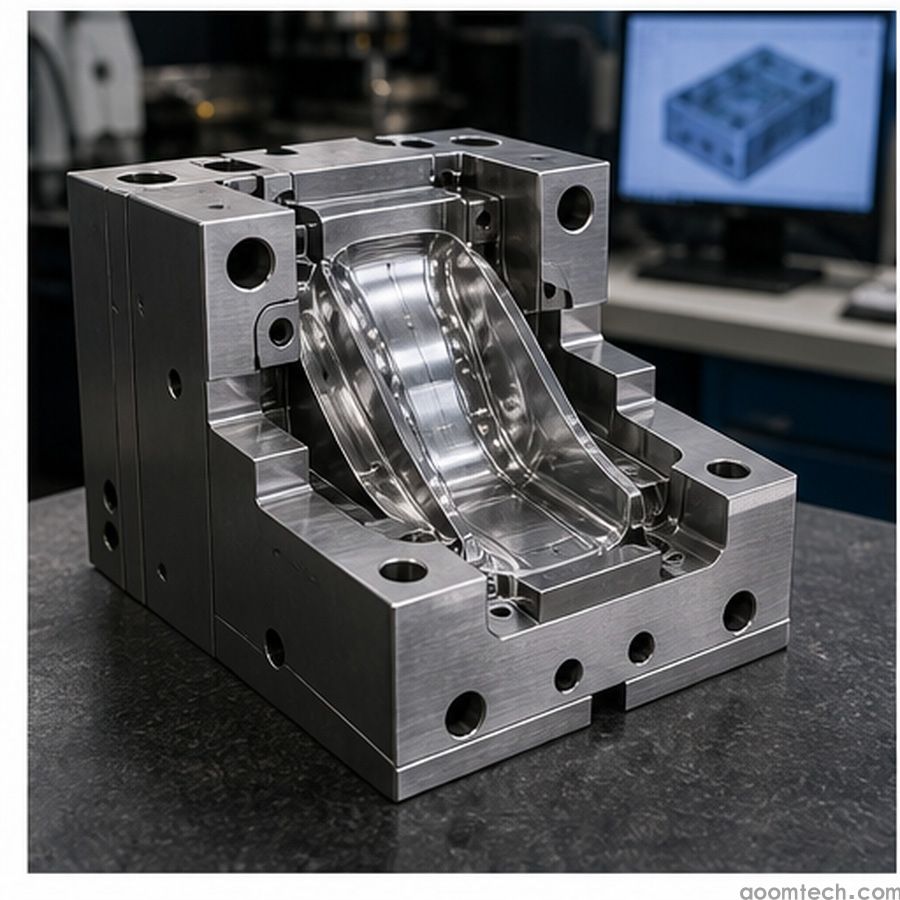
Steel is the most widely used material in CNC Mold Processing Customization due to its strength, durability, and heat resistance. It is suitable for high-volume production molds.
Different types include carbon steel, alloy steel, and stainless steel. However, steel is harder to machine and requires strong tools and slower cutting speeds.
Aluminum
Aluminum is lightweight and easy to machine, making it ideal for prototypes and low-volume molds. It also offers excellent thermal conductivity, helping with heat dissipation during molding processes.
However, due to its softness, careful tool selection is required to avoid deformation or poor surface quality.
Copper and Copper Alloys
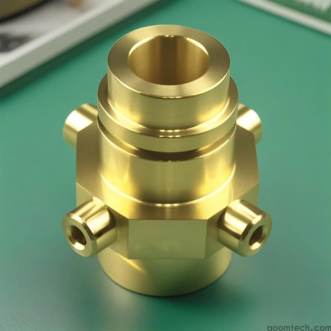
Copper materials are often used in EDM electrodes and specialized mold components due to their excellent electrical and thermal conductivity. However, they may work-harden during machining, requiring careful parameter control.
Understanding materials for CNC-processed custom molds is essential for selecting the right balance between performance, cost, and durability.
Challenges in CNC Mold Processing Customization
Tool Wear and Breakage
Mold machining often involves hard materials and complex shapes, which leads to rapid tool wear. Small cutting tools are especially vulnerable to breakage.
Solutions include using carbide or diamond-coated tools, monitoring tool wear in real time, and optimizing tool paths to reduce stress.
Heat Generation
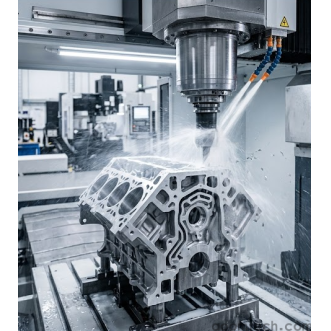
Heat is a major issue in CNC machining. Excessive heat can damage tools and affect dimensional accuracy.
Proper coolant usage, optimized cutting parameters, and heat-resistant tools help reduce thermal problems during processing.
Meeting Tight Tolerances
Molds require extremely high precision. Even small deviations can affect final product quality.
Manufacturers often use coordinate measuring machines (CMM), regular calibration, and strict quality control systems to ensure accuracy throughout production.
Choosing a CNC Mold Processing Service Provider
Technical Expertise
When selecting a partner for CNC Mold Processing Customization, technical expertise is the most important factor. A qualified provider should understand different materials, machining methods, and mold design principles.
Reviewing past case studies and checking engineering capabilities can help evaluate their experience.
Quality Assurance
A reliable provider must have a strong quality control system. This includes in-process inspections and final testing using advanced tools such as CMM machines and hardness testers.
Good quality assurance ensures that molds meet required tolerances and perform consistently in production.
Cost-effectiveness and Lead Times
Cost is important, but it should not compromise quality. Comparing multiple providers helps identify fair pricing.
Reliable providers also offer clear lead times and consistent delivery performance, which is crucial for maintaining production schedules.
This is especially important when applying choosing a provider for CNC mold processing customization strategies in global supply chains.
Conclusion
CNC Mold Processing Customization is a foundation of modern manufacturing. It enables the production of precise, durable, and complex molds that support industries such as automotive, electronics, and medical technology.
By understanding CNC milling for mold processing customization, selecting suitable materials, and choosing the right manufacturing partner, companies can significantly improve product quality and production efficiency.
As technology continues to advance, CNC mold processing will become even more accurate, efficient, and essential in global manufacturing systems.
RELATED PRODUCTS
-
Medical Brass CNC Machining Parts
-
Precision CNC Machining PEEK Services
-
Precision Custom CNC Machined Car Parts
-
cnc machining optical housings
-
Precision CNC Casting Machining Services
-
Precision Gear CNC Machining Services
-
Precision Stainless Steel Parts CNC Mach
-
CNC Machining of Precision Aluminum Tube
-
CNC Machining of Large Precision Aluminu
-
CNC Machining & Manufacturing of Pre