CNC Non-Standard Custom Machining Services
Introduction to CNC Non-Standard Custom Machining Services
Understanding Non-Standard Custom Machining
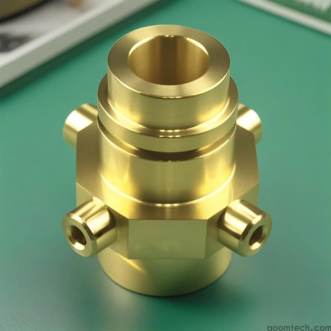
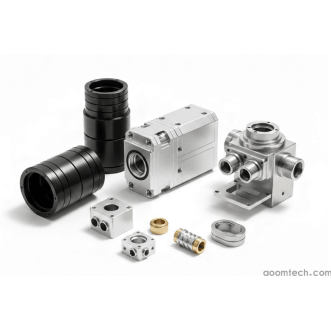
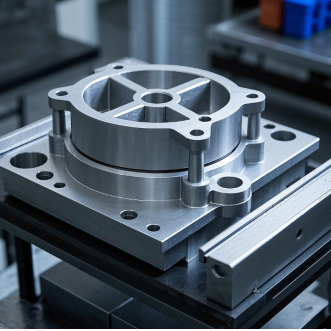
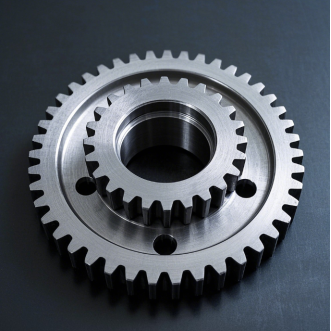
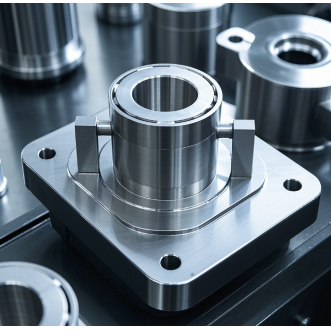
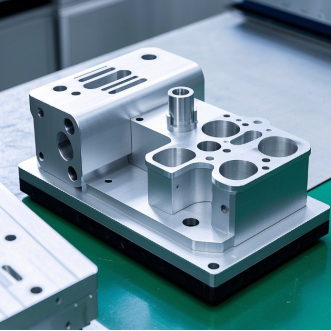
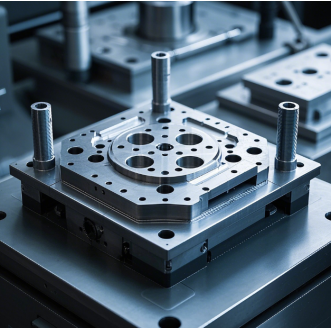
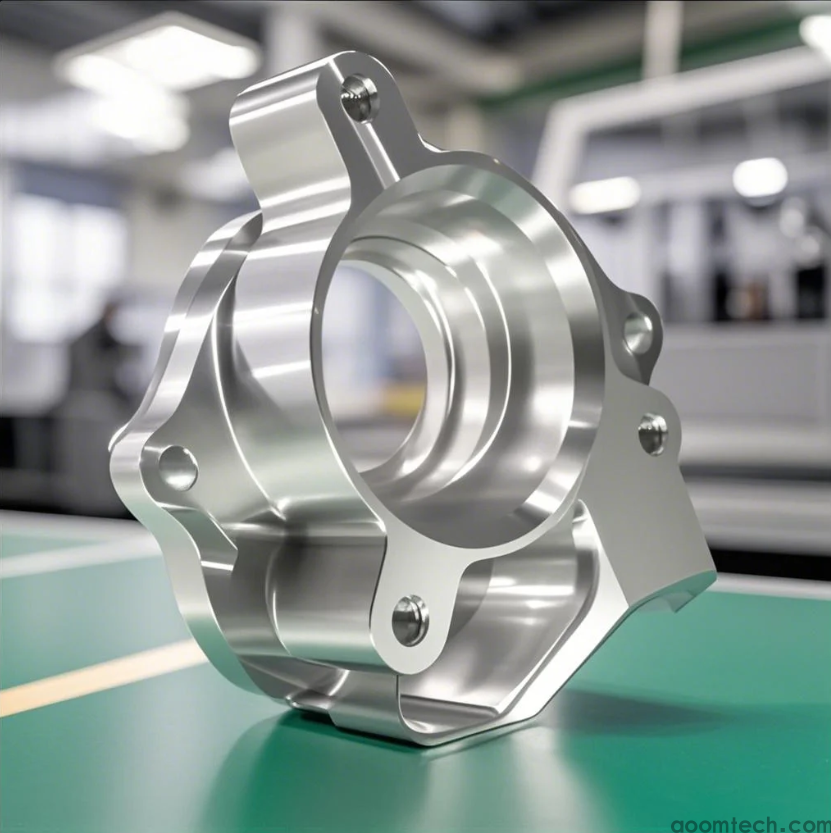
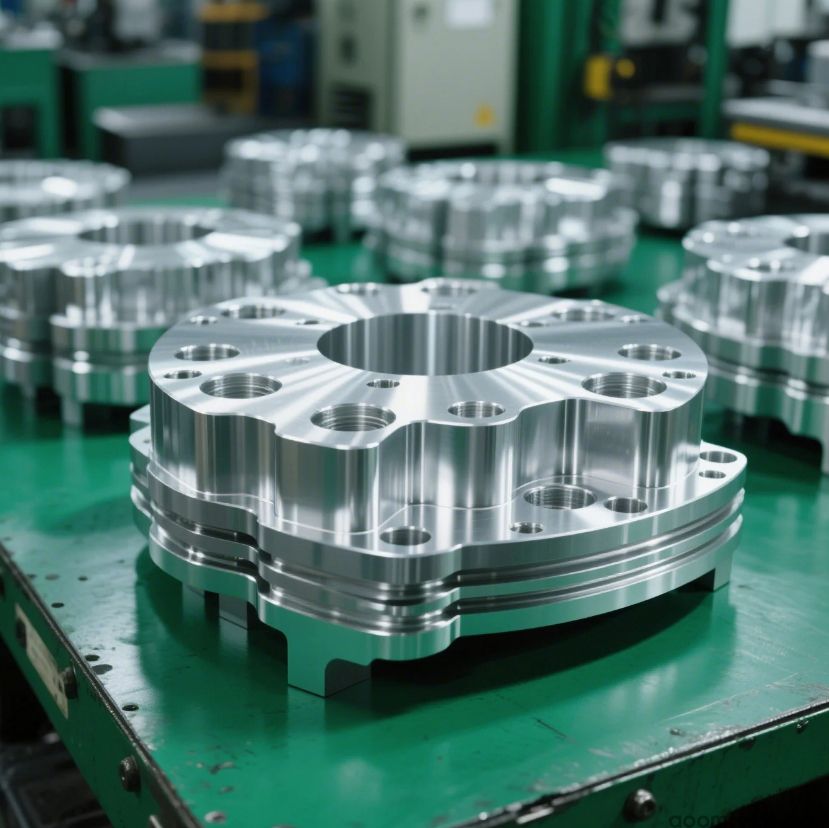
CNC Non-Standard Custom Machining Services are used to produce parts that are not available as standard, off-the-shelf products. These parts are designed for special functions, unique shapes, or specific working environments where normal components cannot meet the requirements.
Many industries depend on these services. For example, in the medical device industry, custom surgical tools must be designed for precise operations. In the energy sector, special equipment parts are often needed for complex machines working in extreme conditions. These parts cannot be replaced by standard components, so custom machining becomes essential.
Importance of CNC in Non-Standard Custom Machining
Precision for Unique Designs
CNC technology allows extremely high precision in manufacturing non-standard parts. Since these components often have complex shapes and tight tolerance requirements, CNC machines follow digital instructions to produce accurate results.
Even a very small deviation in size can cause system failure or reduce efficiency. With computer-controlled machining, every detail of the design is replicated exactly, ensuring reliable performance.
Flexibility in Design Realization
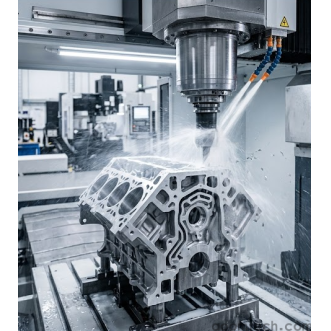
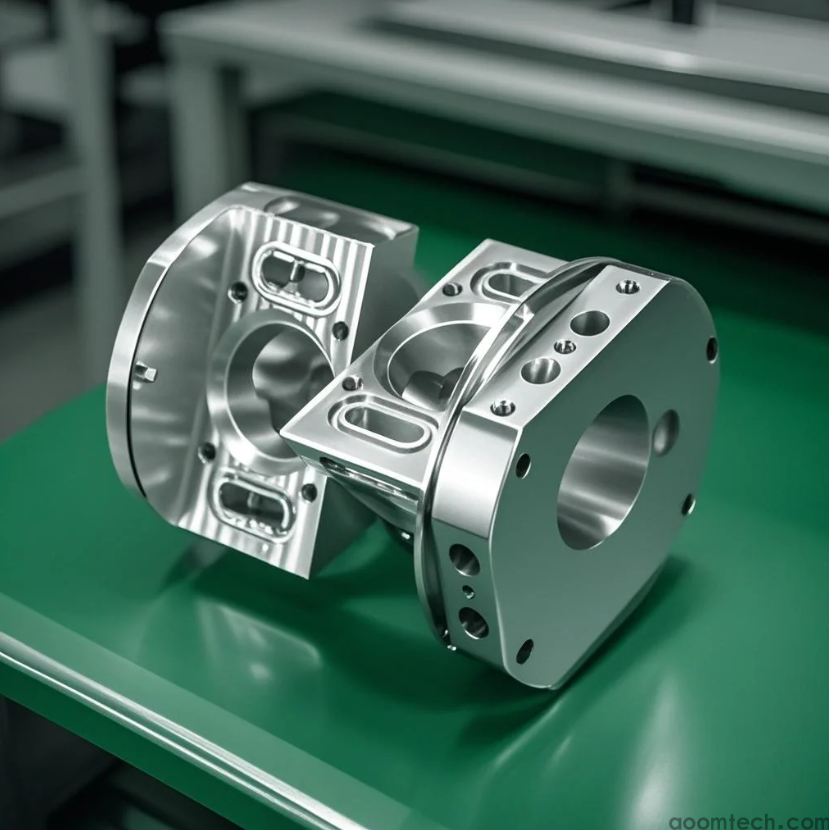
CNC machining offers great flexibility in producing complex designs. It can create parts with curved surfaces, deep internal cavities, fine details, and irregular geometries.
This flexibility allows engineers and designers to develop innovative products without worrying about manufacturing limits. For example, custom robotic components or specialized aerospace brackets can be successfully produced using CNC technology.
Cost-Effective for Small-Batch Production
For non-standard parts, production volume is often low. CNC machining becomes cost-effective in such cases because once the program is created, the same part can be reproduced with consistent quality.
This is especially useful for prototypes, experimental equipment, and special industrial machines where only a small number of parts are required.
CNC Machining Processes for Non-Standard Custom Parts
CNC Milling Operations
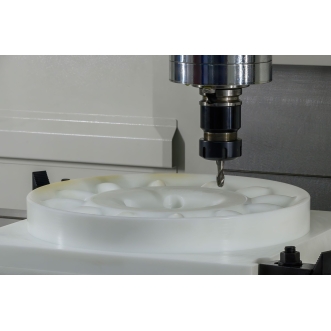
CNC milling for non-standard custom parts is one of the most common processes. In this method, rotating cutting tools remove material from a solid block to create the desired shape.
Milling is suitable for creating:
Complex outer shapes
Precision slots and grooves
Irregular surfaces
Detailed structural features
Tool selection depends on material type and design complexity. Cutting speed, feed rate, and depth of cut must be carefully controlled to ensure accuracy and smooth surface finish.
CNC Turning Processes
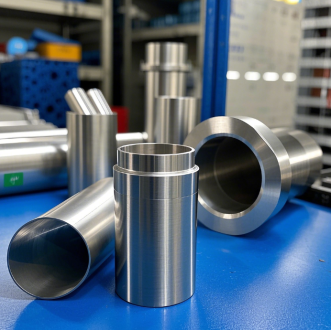
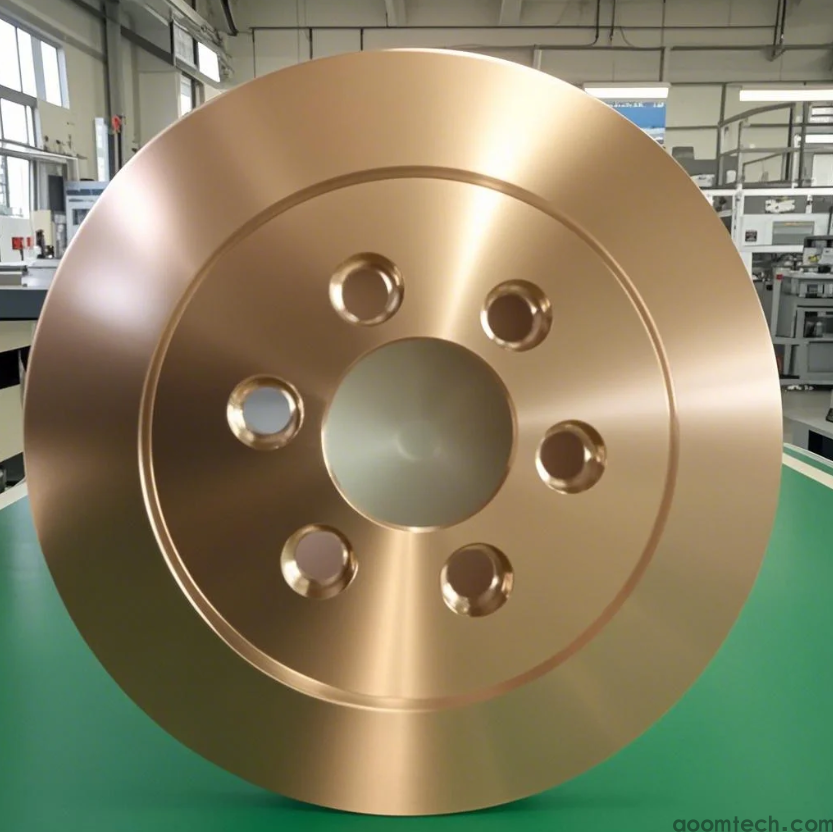
Turning is used for producing cylindrical or round non-standard parts. The workpiece rotates while the cutting tool shapes it into the required form.
This process is commonly used for:
Custom shafts
Threaded components
Tapered parts
Grooved cylindrical parts
High accuracy in concentricity and diameter is important. Proper tool selection and machining parameters ensure smooth and precise results.
Specialized Machining for Non-Standard Features
Some non-standard parts require advanced machining techniques. For example:
Deep hole drilling: Used for long internal channels in hydraulic or cooling systems.
Thin-wall machining: Requires careful control to avoid deformation.
Micro-machining: Used for extremely small components in electronics or medical tools.
These processes require skilled operators and advanced CNC systems to ensure structural stability and accuracy.
Materials Used in CNC Non-Standard Custom Machining
Metals
Metals are widely used in materials for CNC non-standard machining due to their strength and durability.
Aluminum: Lightweight, corrosion-resistant, and easy to machine. Common in aerospace and automotive parts.
Steel: Strong and durable. Used for heavy-duty industrial components.
Titanium: High strength-to-weight ratio and excellent corrosion resistance. Common in medical and high-performance applications.
Each metal has different machining requirements. For example, titanium is harder to cut and requires slower speeds and specialized tools.
Plastics
Engineering plastics are also widely used because of their flexibility and low weight.
Polycarbonate: High impact resistance, used in protective components.
Nylon: Good wear resistance, suitable for moving parts.
PEEK: High temperature and chemical resistance, used in advanced engineering applications.
When machining plastics, temperature control is important to avoid melting, warping, or surface defects.
Ceramics and Composites
Ceramics and composite materials are used in special applications requiring extreme properties.
Ceramics: High hardness, heat resistance, and electrical insulation. However, they are brittle and require careful machining.
Composites: Combine strength and lightweight properties but can be difficult to machine due to fiber structures.
Special cutting tools and techniques are required to prevent cracking or delamination.
Choosing a CNC Non-Standard Custom Machining Service Provider
Technical Expertise
When selecting a provider for choosing a provider for CNC non-standard custom machining, technical experience is very important. A reliable company should understand different materials, machining methods, and complex design requirements.
You can evaluate expertise by:
Reviewing past project case studies
Checking engineering team qualifications
Inspecting sample parts for quality and precision
Quality Assurance System
A strong quality control system ensures that every part meets strict standards. Professional providers use advanced inspection tools such as:
Coordinate Measuring Machines (CMM)
Surface profilometers
Hardness testers
Quality inspection is usually done during production and after completion. Non-conforming parts are identified and corrected to maintain consistency and reliability.
Cost-Effectiveness and Lead Time
Cost is important, but it should be balanced with quality and precision. Low-cost services may result in poor accuracy or material waste.
To evaluate a supplier:
Compare quotations from multiple providers
Check their delivery history and reliability
Ask about production capacity and turnaround time
A good service provider should offer both reasonable pricing and stable delivery schedules.
Conclusion
CNC Non-Standard Custom Machining Services play a vital role in modern manufacturing. They allow industries to produce highly specialized parts that cannot be replaced by standard components.
With advanced CNC technology, manufacturers can achieve high precision, design flexibility, and cost-effective small-batch production. By understanding machining processes, materials, and supplier selection, businesses can make better decisions and improve product performance.
Whether for medical tools, aerospace components, or industrial equipment, CNC custom machining continues to be a key solution for complex engineering challenges.
RELATED PRODUCTS
-
Medical Brass CNC Machining Parts
-
Precision CNC Machining PEEK Services
-
Precision Custom CNC Machined Car Parts
-
cnc machining optical housings
-
Precision CNC Casting Machining Services
-
Precision Gear CNC Machining Services
-
Precision Stainless Steel Parts CNC Mach
-
CNC Machining of Precision Aluminum Tube
-
CNC Machining of Large Precision Aluminu
-
CNC Machining & Manufacturing of Pre