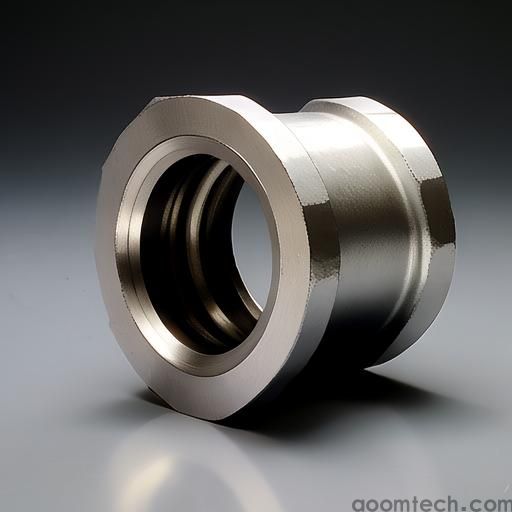
CNC Non-Standard part Machining Services
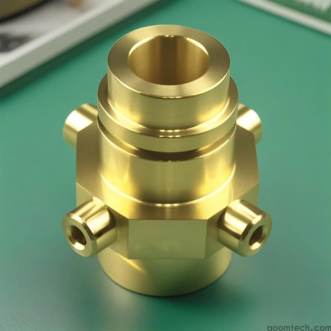
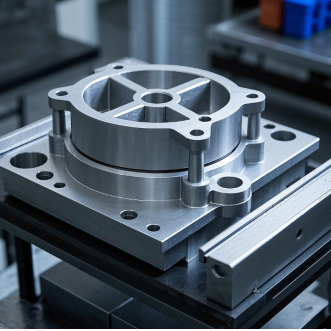
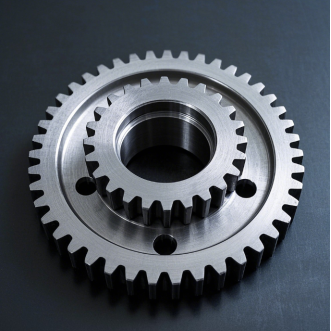
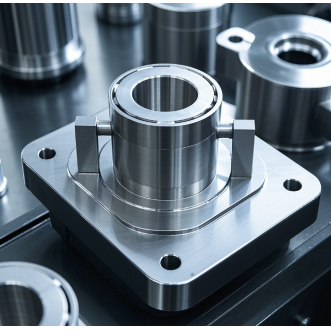
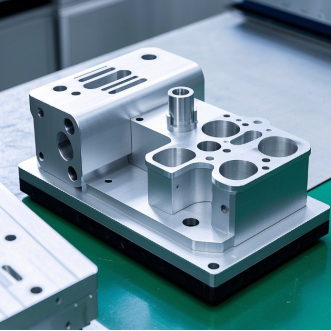
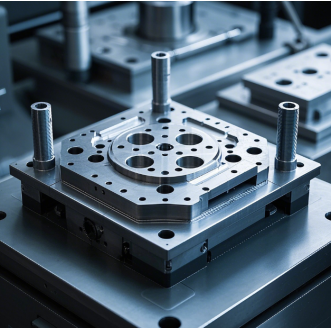
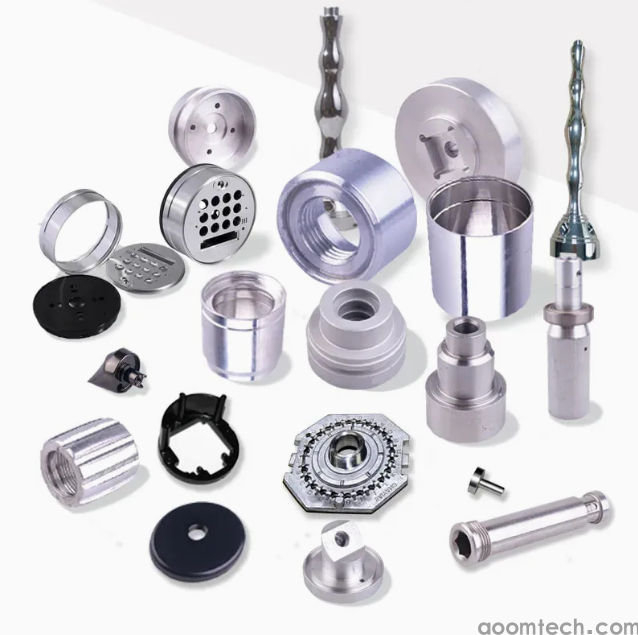
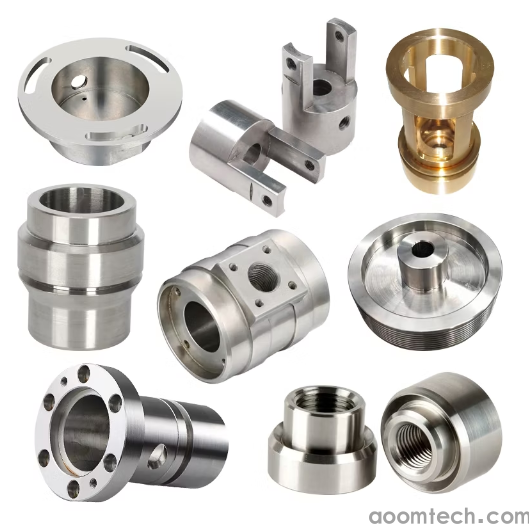
CNC Non - Standard Part Machining Services refer to professional manufacturing solutions that use computer-controlled machines to produce custom, one-of-a-kind components. These parts are not mass-produced or available as standard catalog items. Instead, they are designed for specific applications where standard parts cannot meet functional, dimensional, or performance requirements.
Understanding Non - Standard Parts
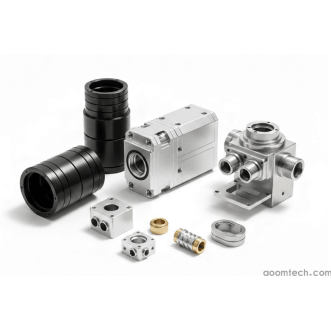
Non-standard parts are components made for unique engineering needs. Unlike standard parts such as common bolts or bearings, these parts are customized according to special designs, sizes, or functions.
These parts are widely used in industries such as robotics, custom machinery, aerospace testing systems, and high-tech research equipment. For example, in robotics, a non-standard part may be designed to support a unique robotic arm movement. In custom machinery, they may be required to fit special production processes or experimental systems.
Because of their unique nature, non-standard parts often require high precision and careful engineering to ensure proper performance in real-world applications.
Importance of CNC Machining for Non - Standard Parts
Precision for Unique Designs
CNC machining allows manufacturers to produce highly accurate components based on digital designs. This is essential for non-standard parts, which often require tight tolerances and complex geometries.
Even a small dimensional error can cause system failure or reduced efficiency. With computer-controlled programming, CNC machining ensures every part matches exact specifications, improving reliability and performance.
Design Flexibility
One of the biggest advantages of CNC machining is its flexibility. It can produce parts with complex curves, deep cavities, fine textures, and irregular shapes.
This makes it possible for engineers to develop innovative designs without being limited by traditional manufacturing constraints. Many advanced industrial systems rely on CNC technology to turn complex ideas into functional components.
Cost-Effectiveness for Small-Batch Production
For industries that only need a small number of custom parts, CNC machining is highly cost-effective. Once the digital program is created, the machine can repeatedly produce identical parts with stable quality.
This reduces per-unit cost and is especially useful for prototyping, research projects, and specialized equipment manufacturing.
CNC Machining Processes for Non - Standard Parts
Milling Operations
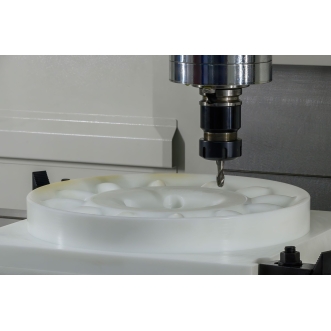
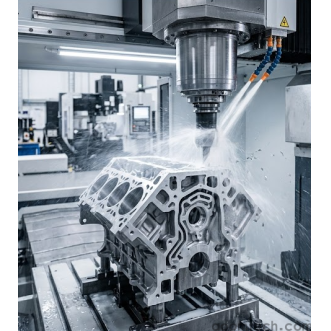
Milling is one of the most common processes in CNC milling for non-standard parts. It uses rotating cutting tools to remove material and shape the workpiece.
This process can create complex surfaces, slots, pockets, and external contours. Tool selection depends on the material and design requirements. Cutting parameters such as spindle speed, feed rate, and depth of cut must be carefully adjusted to achieve accuracy and surface quality.
Turning Processes
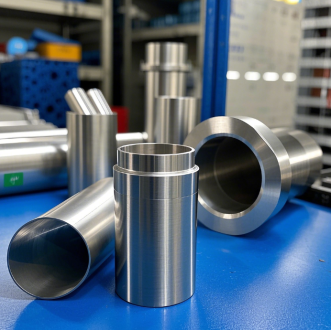
Turning is used for cylindrical components. The workpiece rotates while a cutting tool removes material to create the desired shape.
This process is ideal for producing shafts, threaded components, tapers, and grooves. Maintaining concentricity and dimensional accuracy is essential, especially for precision mechanical systems.
Specialized Machining for Unique Features
Some non-standard parts require advanced machining techniques. For example, deep-hole drilling may use gun drilling technology, while thin-walled parts require careful control to prevent deformation.
Micro-structured or high-precision components may also require specialized tooling and slower cutting speeds to ensure stability and accuracy during machining.
Materials Used in CNC Non - Standard Part Machining
Metals
Common metals include aluminum, steel, and titanium.
Aluminum: Lightweight, easy to machine, and widely used in aerospace and electronics.
Steel: Strong and durable, suitable for heavy-duty mechanical applications.
Titanium: High strength-to-weight ratio and corrosion resistance, commonly used in aerospace and medical components.
Each metal requires different machining strategies to control heat, tool wear, and surface finish quality.
Plastics
Engineering plastics such as polycarbonate, nylon, and PEEK are also widely used in non-standard parts.
Polycarbonate: High impact resistance and transparency.
Nylon: Excellent wear resistance and mechanical strength.
PEEK: High-temperature resistance and chemical stability.
When machining plastics, temperature control is critical to avoid melting, warping, or poor surface finish.
Ceramics and Composites
Ceramics offer high hardness, wear resistance, and electrical insulation, while composites combine multiple material properties such as strength and low weight.
However, ceramics are brittle and require careful machining, while composites need specialized tools to manage fiber reinforcement structures. These materials are often used in advanced engineering and aerospace applications.
Choosing a CNC Machining Service Provider for Non - Standard Parts
Technical Expertise
A reliable provider should have strong experience in handling complex designs and different materials. When evaluating a supplier, it is helpful to review past case studies, technical capabilities, and sample parts.
A skilled team ensures that even highly complex non-standard designs are manufactured accurately and consistently.
Quality Assurance
High-quality materials for CNC non-standard part machining and strict inspection systems are essential. Professional manufacturers use advanced tools such as coordinate measuring machines (CMM), hardness testers, and surface measurement devices.
A strong quality control system includes in-process inspections, final inspections, and clear handling procedures for non-conforming parts to ensure consistent product reliability.
Cost-Effectiveness and Lead Times
When selecting a supplier, balancing cost, quality, and delivery time is important. The cheapest option is not always the best if it compromises accuracy or reliability.
A trustworthy provider should offer transparent pricing, realistic lead times, and a proven record of on-time delivery. This is especially important for industries that depend on precise scheduling.
Conclusion
CNC Non - Standard Part Machining Services play a critical role in modern manufacturing. They enable the production of highly customized components that support innovation across industries such as robotics, aerospace, and advanced machinery.
By understanding machining processes, material options, and supplier selection criteria, businesses can make informed decisions and ensure high-quality results for their custom engineering needs. For companies looking for choosing a provider for CNC non-standard part machining, focusing on expertise, quality control, and manufacturing capability is key to long-term success.
RELATED PRODUCTS
-
Medical Brass CNC Machining Parts
-
Precision CNC Machining PEEK Services
-
Precision Custom CNC Machined Car Parts
-
cnc machining optical housings
-
Precision CNC Casting Machining Services
-
Precision Gear CNC Machining Services
-
Precision Stainless Steel Parts CNC Mach
-
CNC Machining of Precision Aluminum Tube
-
CNC Machining of Large Precision Aluminu
-
CNC Machining & Manufacturing of Pre