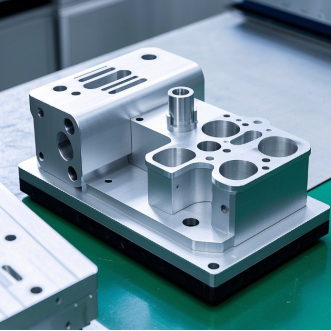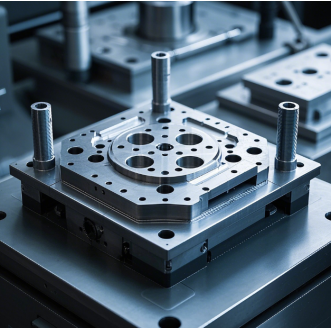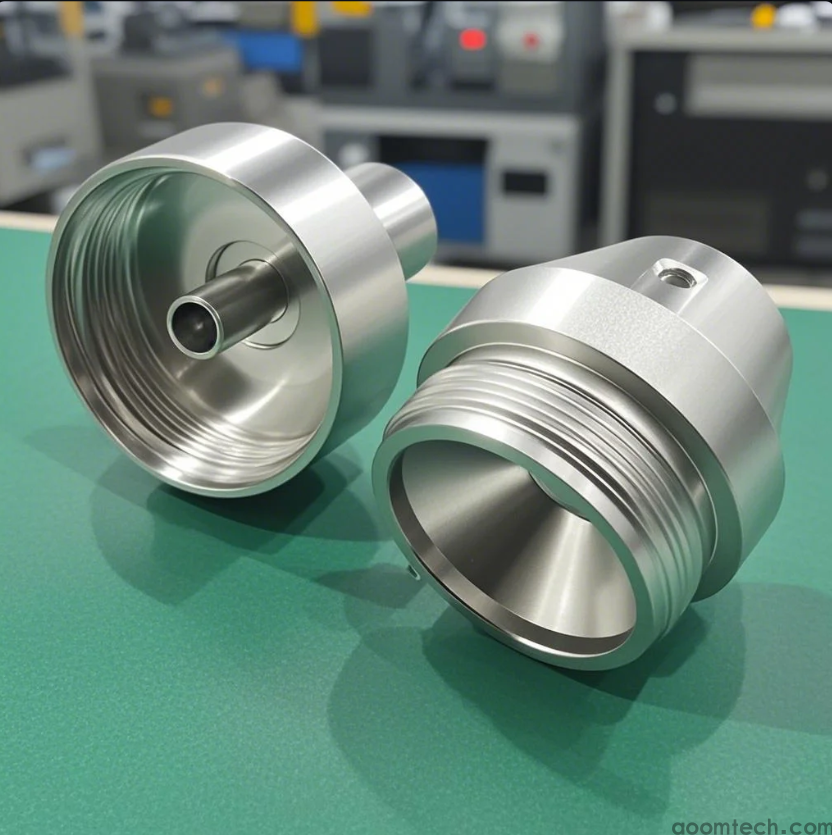
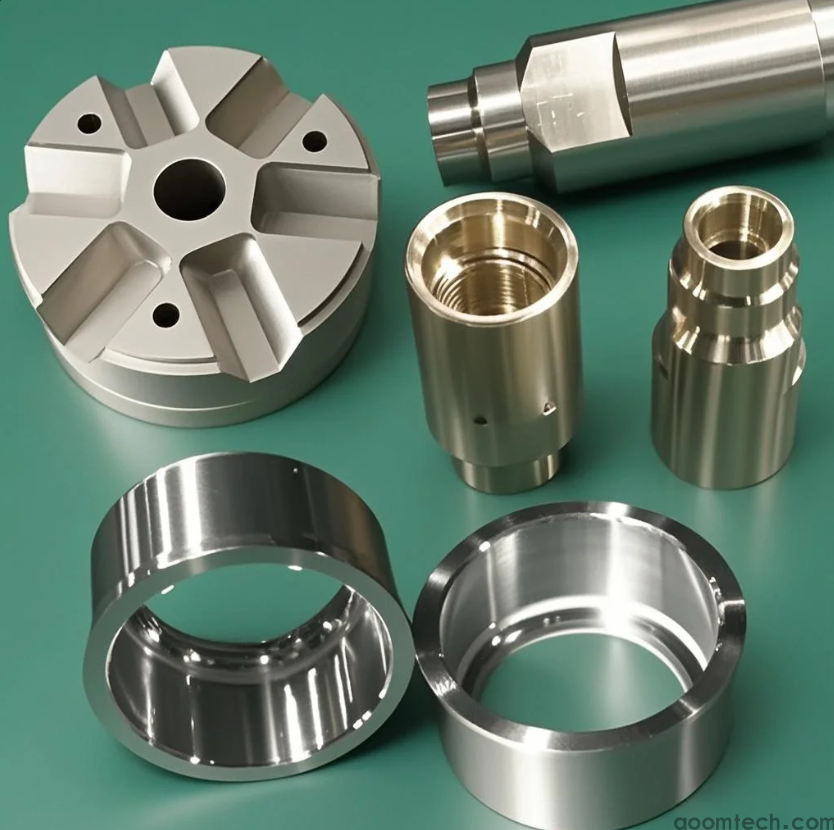
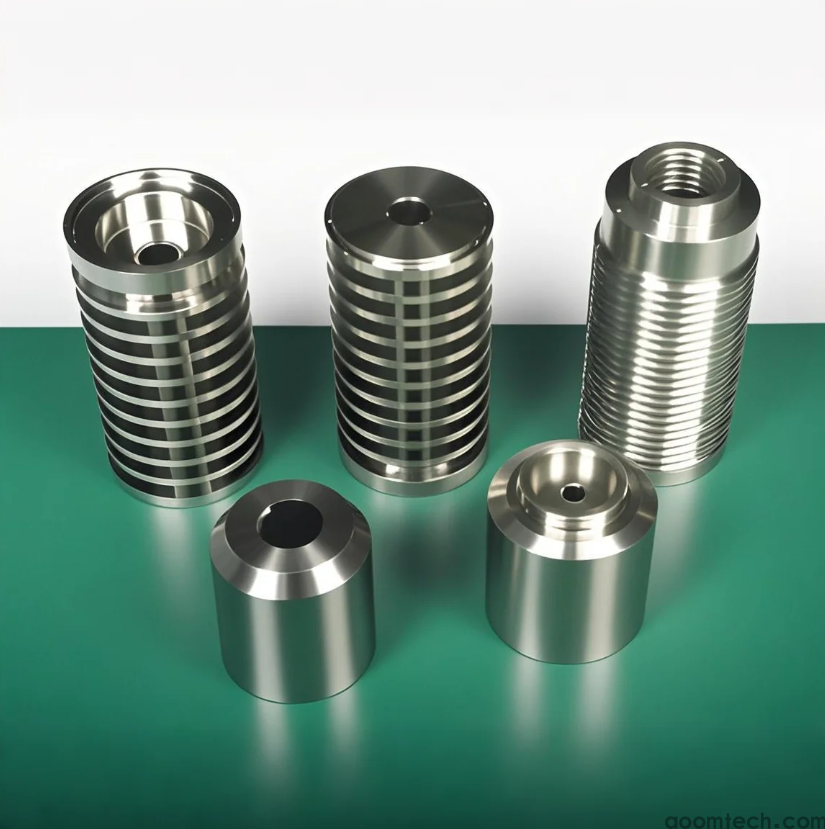
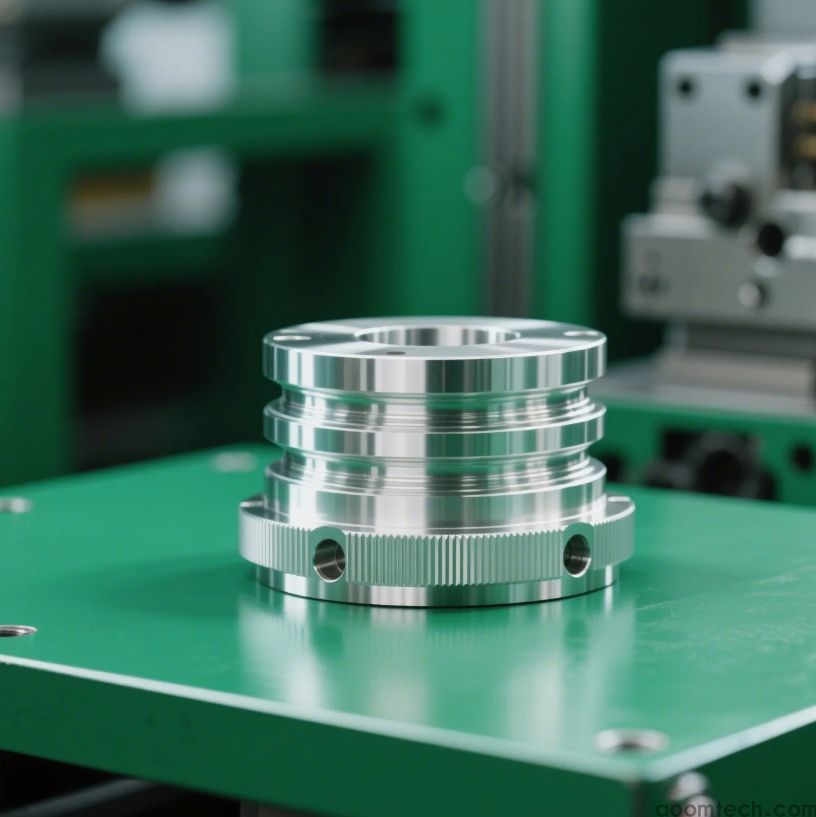
CNC Non-Standard Parts Machining Services
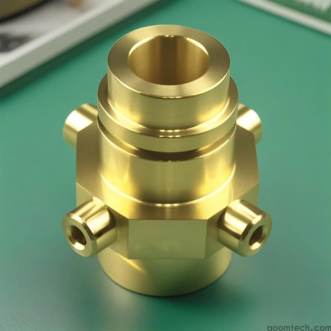
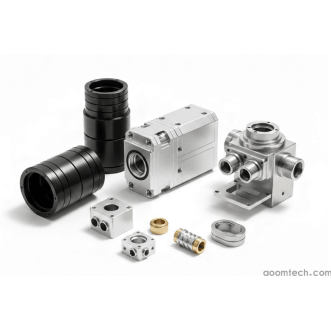
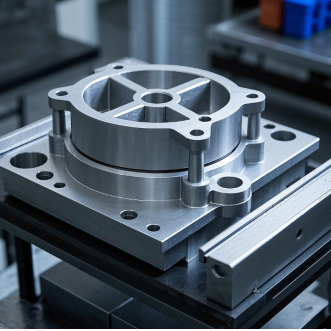
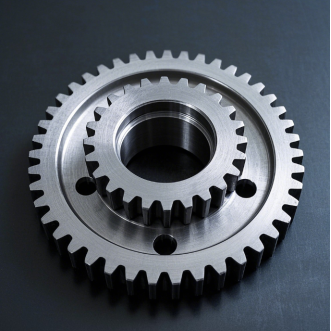
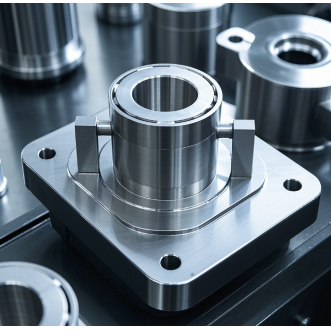
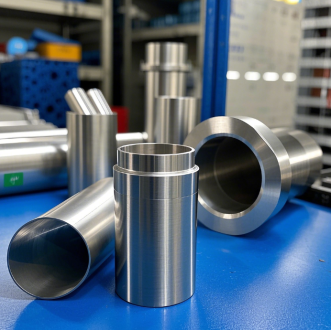
CNC Non-Standard Parts Machining Services refer to professional manufacturing solutions that produce custom-designed components which cannot be found as standard, off-the-shelf products. These services rely on advanced technology to create highly precise, complex, and application-specific parts used across industries such as aerospace, medical devices, robotics, and custom machinery.
Introduction to CNC Non-Standard Parts Machining Services
Understanding Non-Standard Parts
Non-standard parts are components designed to meet unique engineering requirements that standard parts cannot satisfy. These parts are essential when products demand special dimensions, unusual shapes, or specific performance characteristics.
For example, in the aerospace industry, a new aircraft design may require a uniquely shaped structural bracket that does not exist in mass production catalogs. In the medical device manufacturing field, a patient-specific implant may be needed to match individual anatomy for better safety and performance.
Because of these specialized needs, CNC Non-Standard Parts Machining Services play a critical role in modern manufacturing.
Importance of CNC Machining for Non-Standard Parts
Precision for Complex Designs
One of the biggest advantages of CNC machining is its ability to produce extremely precise parts. Non-standard components often feature complex geometries and tight tolerances that cannot be achieved through manual machining.
With computer-controlled programming, CNC systems ensure every cut, hole, and surface matches the design specifications exactly. This level of accuracy is especially important in industries like medical devices, where even a small deviation can affect performance or safety.
Long-tail keyword example: CNC milling for non-standard parts ensures high dimensional accuracy and repeatability in complex geometries.
Design Flexibility
CNC technology provides engineers and designers with complete freedom to create innovative shapes and structures. Whether a part includes internal channels, micro-features, curved surfaces, or irregular geometries, CNC machines can translate digital models into physical components.
This flexibility encourages innovation in product development. For instance, custom robotics components often require unconventional designs that only CNC machining can reliably produce.
Cost-Effectiveness for Small-Batch Production
Non-standard parts are often produced in small quantities, especially during prototyping or specialized equipment manufacturing. Once the CNC program is created, the same design can be reproduced consistently without additional design costs.
This reduces per-unit cost and makes CNC machining highly efficient for low-volume production runs. It is particularly useful in industries that require custom solutions rather than mass production.
CNC Machining Processes for Non-Standard Parts
Milling
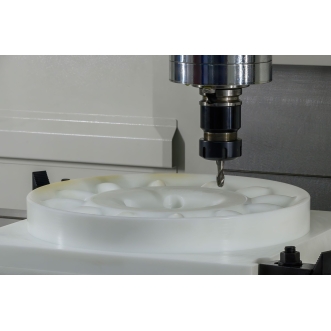
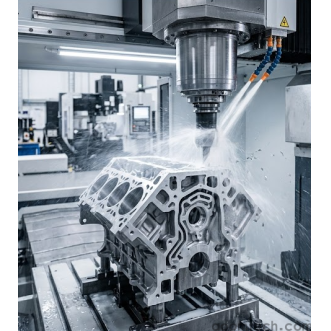
Milling is one of the most common processes in CNC machining. A rotating cutting tool removes material from a solid workpiece to form complex shapes.
This process can create flat surfaces, slots, cavities, and intricate 3D contours. The selection of cutting tools depends on material type and part complexity.
Key machining parameters include:
Spindle speed
Feed rate
Depth of cut
For example, machining titanium aerospace parts requires slower cutting speeds and specialized tooling compared to machining aluminum or plastic components.
Long-tail keyword example: CNC milling for non-standard parts is widely used for producing high-precision industrial components.
Turning
Turning is used for cylindrical parts. The workpiece rotates while a cutting tool removes material to form shapes such as shafts, grooves, tapers, and threads.
This process is essential for components requiring perfect symmetry and smooth surface finishes, such as motor shafts or precision connectors.
Maintaining concentricity and surface quality is critical in turning operations, especially for high-speed mechanical systems.
Drilling and Boring
Drilling is used to create holes, while boring refines and enlarges existing holes to achieve precise dimensions.
These processes are vital when non-standard parts require exact hole alignment for assembly or mechanical function.
Accurate drilling ensures proper fitting in complex assemblies, such as fluid systems or electronic housings.
Materials Used in CNC Machining of Non-Standard Parts
Metals
Common metals used include aluminum, steel, and titanium.
Aluminum: Lightweight, corrosion-resistant, and easy to machine. Common in aerospace and automotive applications.
Steel: High strength and durability. Suitable for structural and heavy-duty applications.
Titanium: Excellent strength-to-weight ratio and corrosion resistance. Widely used in medical implants and aerospace components.
Each metal presents different machining challenges. For example, titanium requires specialized tools due to its hardness and heat resistance.
Plastics
Engineering plastics are widely used in non-standard parts due to their versatility and cost efficiency.
Polycarbonate: High impact resistance, ideal for protective covers.
Nylon: Excellent wear resistance for moving parts.
PEEK: High temperature resistance for advanced engineering applications.
Proper cooling and machining parameters are necessary to prevent deformation or melting during processing.
Ceramics and Composites
Ceramics offer extreme hardness and heat resistance but are brittle, requiring specialized machining tools such as diamond cutters.
Composite materials combine strength and lightweight properties but require careful handling due to fiber structure and layered composition.
Materials for CNC-machined non-standard components must always be selected based on performance requirements, environmental conditions, and cost considerations.
Choosing a CNC Machining Service Provider for Non-Standard Parts
Technical Expertise
A reliable provider should have strong experience in handling complex and custom designs. Their engineering team should understand different materials, machining strategies, and industry requirements.
When evaluating expertise, consider:
Previous case studies of similar projects
Engineering qualifications and experience
Sample parts and machining quality
For example, a provider experienced in medical-grade components is more likely to deliver high-precision results for critical applications.
Quality Assurance
Quality control is essential in non-standard part manufacturing. Reliable providers use advanced inspection tools such as:
Coordinate Measuring Machines (CMM)
Profilometers
Hardness testers
These tools ensure every part meets strict tolerances and functional requirements. A strong inspection process reduces defects and ensures long-term reliability.
Cost-Effectiveness and Lead Time
While cost is important, it should not compromise quality. Comparing multiple quotes helps identify a balanced solution between price and performance.
Equally important is delivery time. A reliable manufacturer should provide realistic production schedules and maintain consistent on-time delivery performance.
Choosing a provider for CNC non-standard parts machining requires evaluating both technical capability and production reliability.
Conclusion
CNC Non-Standard Parts Machining Services are essential for industries that require highly customized, precise, and reliable components. With advanced CNC technology, manufacturers can produce complex geometries, work with a wide range of materials, and deliver cost-effective solutions for small-batch production.
By understanding machining processes, material selection, and supplier evaluation criteria, businesses can make informed decisions and achieve better product performance and reliability.
RELATED PRODUCTS
-
Medical Brass CNC Machining Parts
-
Precision CNC Machining PEEK Services
-
Precision Custom CNC Machined Car Parts
-
cnc machining optical housings
-
Precision CNC Casting Machining Services
-
Precision Gear CNC Machining Services
-
Precision Stainless Steel Parts CNC Mach
-
CNC Machining of Precision Aluminum Tube
-
CNC Machining of Large Precision Aluminu
-
CNC Machining & Manufacturing of Pre