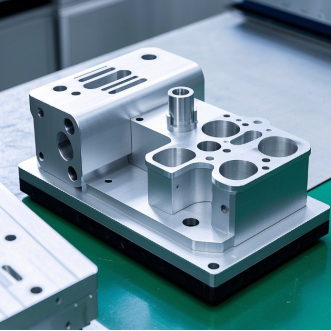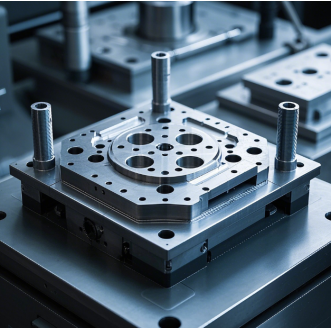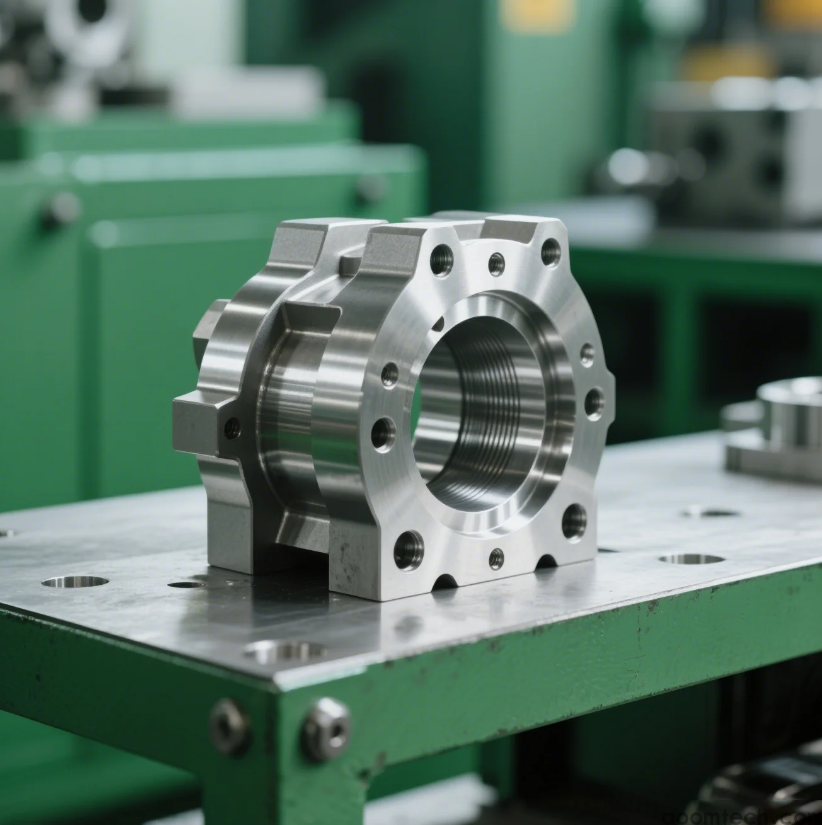
CNC Precision Machined Components Services
Introduction to CNC Precision Machined Components Services
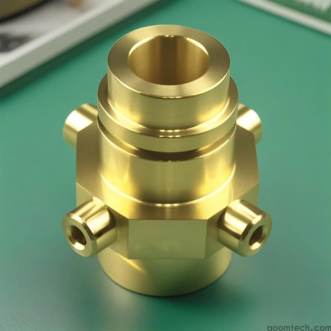
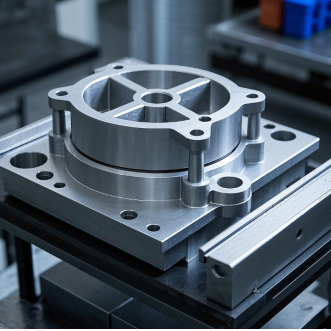
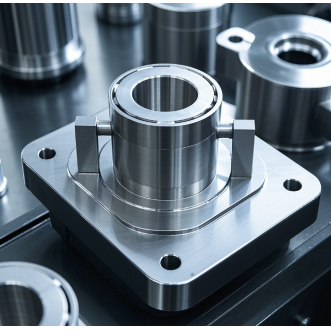
CNC Precision Machined Components Services refer to advanced manufacturing solutions that use computer-controlled machines to produce highly accurate and detailed mechanical parts. These services are widely used in industries that require strict tolerances, reliable performance, and consistent quality.
Unlike traditional manual machining, CNC (Computer Numerical Control) systems follow programmed instructions to cut, shape, and finish materials with extreme precision. This makes them ideal for producing complex and high-performance components used in modern engineering systems.
From aerospace engines to medical devices, CNC precision machining plays a key role in ensuring safety, efficiency, and durability in critical applications.
The Significance of Precision-Machined Components
Precision-machined components are the backbone of many advanced industries such as aerospace, automotive, medical, and electronics. These components are designed to meet strict performance requirements and must function perfectly within complex systems.
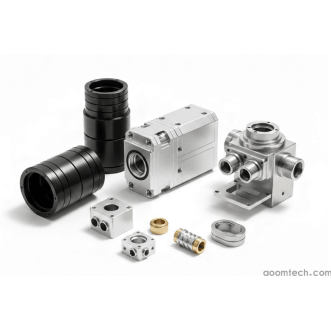
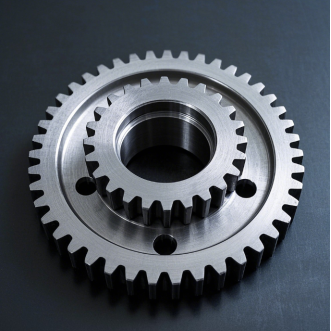
Examples include aircraft engine turbine blades, automotive transmission gears, medical syringe barrels, and electronic connectors. Each of these parts plays an essential role in system performance. For example, a turbine blade must be manufactured with extreme accuracy to ensure efficient energy conversion and safe engine operation.
Without precision machining, even small dimensional errors could lead to system failures, reduced efficiency, or safety risks.
Importance of CNC Precision Machining for Components
High-Precision Manufacturing
CNC machining enables manufacturers to produce components with extremely tight tolerances, often within microns. This level of accuracy is essential for ensuring that parts fit perfectly and function reliably in complex assemblies.
Precise manufacturing helps reduce wear and tear, improves performance, and prevents mechanical failure. For example, in medical equipment, even a slight deviation in component size can affect patient safety or device performance.
By using computer-controlled systems, CNC machining ensures repeatable accuracy across large production runs, making it highly reliable for industrial use.
Complex Geometries and Customization
One of the major advantages of CNC technology is its ability to produce complex shapes and custom-designed components. Many industries require parts with intricate geometries, internal channels, or specialized features that are impossible to produce using conventional methods.
For instance, aerospace components may include internal cooling channels, while advanced electronic devices may require custom connectors with highly detailed structures. CNC machining makes it possible to bring these complex designs to life with precision and consistency.
Cost-Effectiveness for Batch Production
Once a CNC program is created, it can be used to produce multiple identical parts with consistent quality. This makes CNC machining highly cost-effective for batch production.
Reduced setup time, optimized tool usage, and efficient automation help lower production costs per unit. For example, manufacturing thousands of identical electronic connectors becomes significantly more affordable using CNC processes compared to manual machining methods.
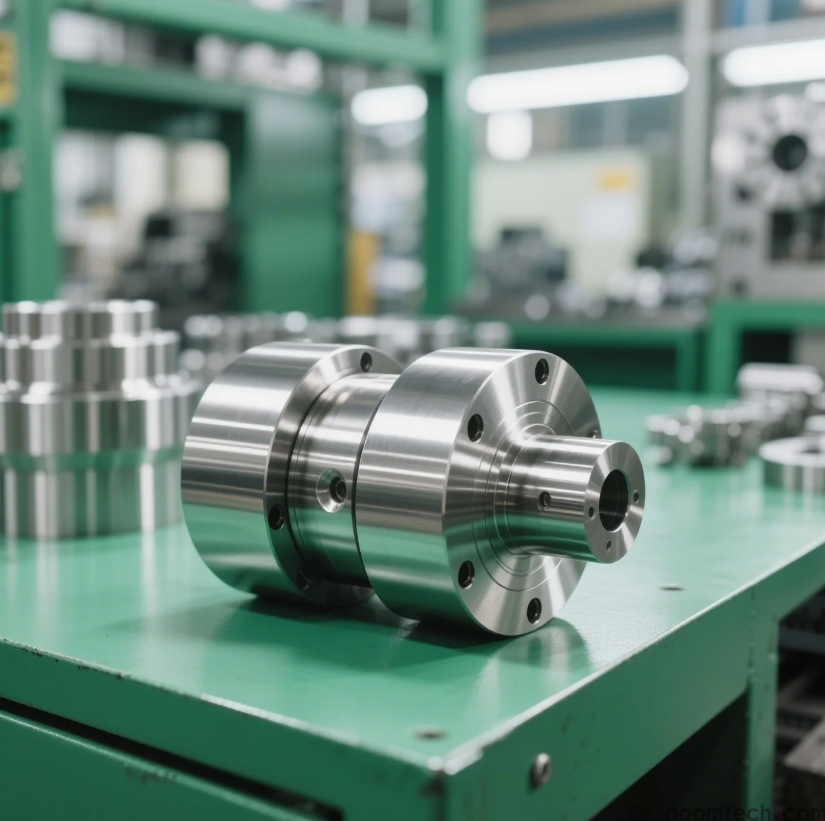
CNC Machining Processes for Precision-Machined Components
Milling
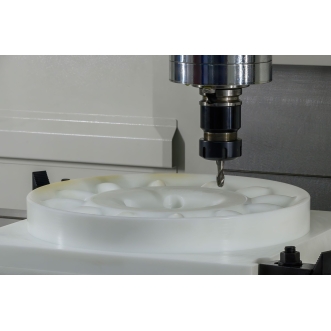
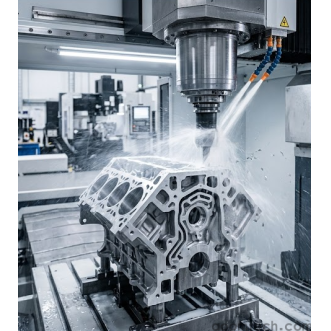
CNC milling for precision-machined components involves the use of rotating cutting tools to remove material from a workpiece. This process is used to create flat surfaces, slots, holes, and complex 3D shapes.
Tool selection depends on the material being processed. For example, carbide-coated tools are commonly used for hard metals like titanium, while softer materials such as plastics require different cutting parameters.
Key factors such as spindle speed, feed rate, and cutting depth must be carefully controlled to ensure accuracy and surface quality.
Turning
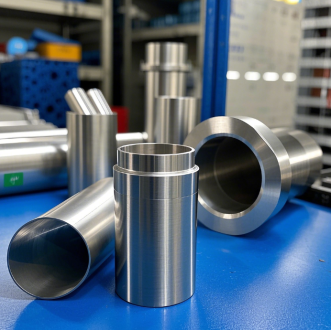
Turning is used to produce cylindrical components such as shafts, axles, and piston rods. In this process, the workpiece rotates while a cutting tool removes material to achieve the desired shape.
Maintaining concentricity and surface smoothness is critical in turning operations. Proper coolant usage and chip control techniques help improve tool life and machining quality.
For high-speed machinery, even minor imperfections in a shaft can affect system performance, making precision turning extremely important.
Electrical Discharge Machining (EDM)
EDM is a non-traditional machining process used for hard materials and complex shapes. It works by using electrical discharges to erode material from the workpiece.
There are two main types: wire EDM and die-sinking EDM. Wire EDM is often used for cutting intricate profiles, while die-sinking EDM is used for creating detailed cavities in molds.
Although EDM is slower than conventional machining, it offers unmatched precision for difficult-to-machine materials.
Materials Used in CNC Precision Machining of Components
Metals
Common metals used in precision machining include steel, aluminum, and titanium.
Steel: Known for strength and durability, ideal for heavy-duty industrial components.
Aluminum: Lightweight with excellent thermal conductivity, widely used in aerospace and electronics.
Titanium: High strength-to-weight ratio and corrosion resistance, commonly used in aerospace and medical applications.
Materials for CNC precision-machined components must be carefully selected based on performance requirements, machining difficulty, and application environment.
Ceramics and Composites
Ceramics offer high hardness, wear resistance, and excellent electrical insulation. They are used in electronics and high-temperature environments. However, they are brittle and require specialized tools such as diamond-coated cutters.
Composites like carbon fiber reinforced polymers combine strength and low weight, making them suitable for aerospace and automotive applications. Machining composites requires careful control to avoid fiber damage or delamination.
Challenges in CNC Precision Machining of Components
Tool Wear and Breakage
High-precision machining often involves hard materials, which can cause rapid tool wear. Small and delicate tools used for intricate parts are also more prone to breakage.
To solve this, manufacturers use high-quality carbide or diamond-coated tools and monitor tool conditions regularly. Optimized toolpaths also help reduce stress and extend tool life.
Heat Generation
Heat is a common challenge in CNC machining. Excess heat can affect dimensional accuracy and reduce tool lifespan.
Effective cooling systems, optimized cutting speeds, and heat-resistant tools are used to control temperature during machining operations.
Surface Finish and Dimensional Accuracy
Achieving smooth surface finishes and precise dimensions is essential for high-performance components. Poor surface quality can affect functionality and assembly.
Techniques such as polishing, grinding, and lapping are often used as post-processing steps to improve final quality.
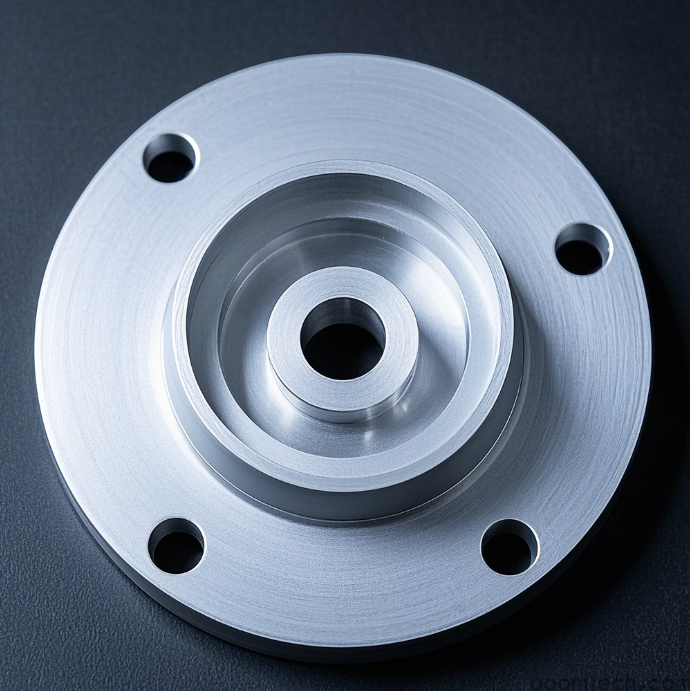
Choosing a CNC Precision Machined Components Service Provider
Technical Expertise
When selecting a provider for choosing a provider for CNC precision-machined component services, technical expertise is essential. A reliable provider should understand material behavior, machining techniques, and industry-specific requirements.
Reviewing case studies, certifications, and sample parts can help evaluate their capabilities.
Quality Assurance
A strong quality control system ensures consistent and reliable production. Leading providers use advanced inspection tools such as coordinate measuring machines (CMM), hardness testers, and surface profilometers.
In-process and final inspections help detect defects early and ensure that every component meets strict specifications.
Cost-Effectiveness and Lead Times
While cost is important, it should always be balanced with quality and reliability. A good service provider offers transparent pricing and realistic delivery schedules.
Comparing multiple suppliers and evaluating their past performance can help in making the right decision. On-time delivery is especially important for industries with strict production timelines.
Conclusion
CNC Precision Machined Components Services are essential for modern manufacturing industries that demand accuracy, reliability, and efficiency. From milling and turning to EDM, these advanced processes allow the production of highly complex and precise components.
By understanding materials, machining techniques, challenges, and supplier selection criteria, businesses can make informed decisions and achieve better product performance.
As industries continue to advance, CNC precision machining will remain a key technology driving innovation and high-quality manufacturing worldwide.
RELATED PRODUCTS
-
Medical Brass CNC Machining Parts
-
Precision CNC Machining PEEK Services
-
Precision Custom CNC Machined Car Parts
-
cnc machining optical housings
-
Precision CNC Casting Machining Services
-
Precision Gear CNC Machining Services
-
Precision Stainless Steel Parts CNC Mach
-
CNC Machining of Precision Aluminum Tube
-
CNC Machining of Large Precision Aluminu
-
CNC Machining & Manufacturing of Pre