CNC Precision Machined Metal Parts
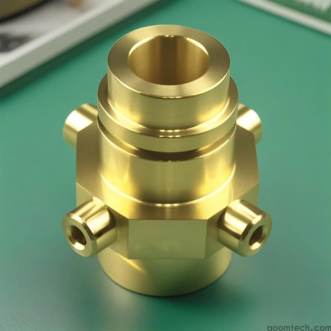
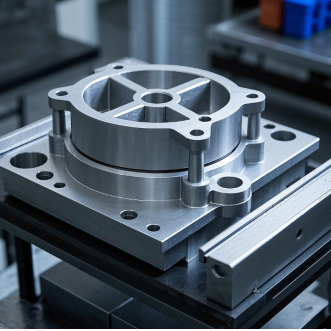
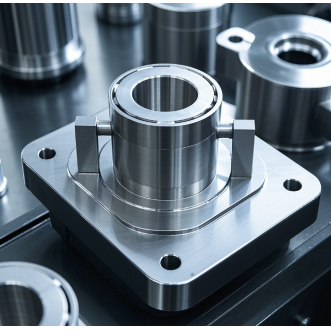
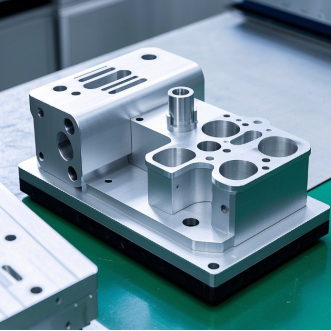
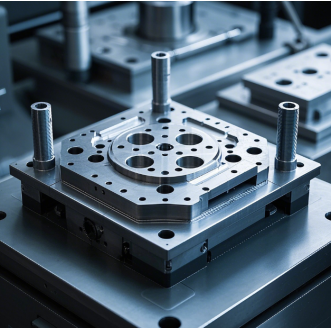
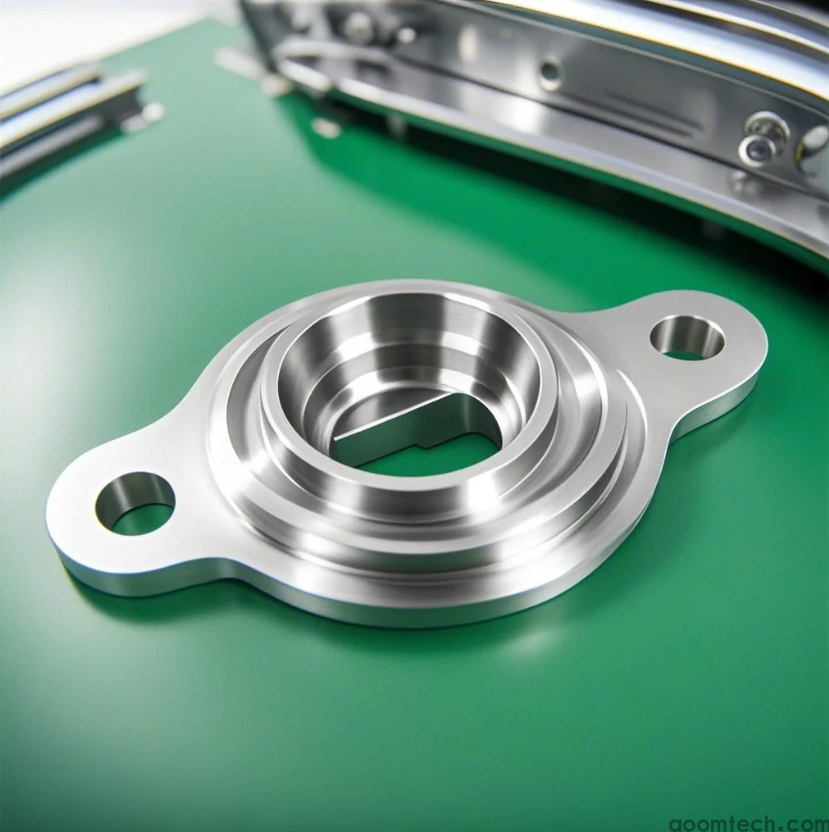
CNC Precision Machined Metal Parts are essential components used in modern manufacturing industries. They are produced using Computer Numerical Control (CNC) machines, which follow programmed instructions to shape metal materials with extremely high accuracy. These parts are widely used in aerospace, automotive, medical devices, electronics, and many other industries where performance, safety, and reliability are critical.
This article explains what CNC precision machined metal parts are, why they are important, how they are made, what materials are commonly used, the challenges involved, and how to choose a reliable supplier. The goal is to help readers clearly understand this manufacturing process in simple and practical terms.
The Significance of Precision-Machined Metal Parts
CNC precision machined metal parts play a key role in almost every modern mechanical system. They are designed to meet strict dimensional requirements so that each part fits perfectly within a larger system. Even a very small error in size or shape can affect the performance of the entire product.
For example:
Aircraft engine components must be extremely precise to ensure fuel efficiency and flight safety.
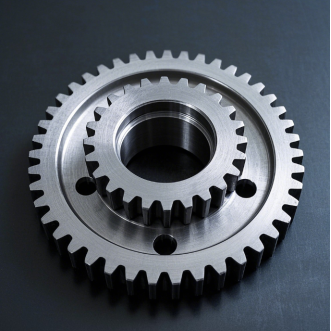
Automotive transmission gears must mesh smoothly to avoid vibration and power loss.
Medical surgical instruments require accuracy to ensure patient safety and successful procedures.
Electronic connectors must maintain stable contact for reliable signal transmission.
In each case, CNC precision machined metal parts help improve efficiency, reliability, and durability of the final product. Without high-precision machining, many advanced technologies would not function properly.
Importance of CNC Machining for Metal Parts
High-Precision Manufacturing
CNC machining allows manufacturers to produce metal parts with extremely tight tolerances. Because the process is computer-controlled, it eliminates many human errors and ensures consistent accuracy across all produced parts.
This level of precision is essential because poorly machined parts can cause serious problems, such as:
Mechanical failure due to poor fitting
Reduced efficiency from friction or misalignment
Safety risks in critical systems like vehicles or aircraft
For example, in an automotive transmission system, inaccurately machined gears can lead to uneven power transfer. Over time, this results in excessive wear, overheating, and possible system failure.
Customization for Diverse Applications
One of the strongest advantages of CNC machining is its ability to produce highly customized parts. Different industries require different shapes, sizes, and functions, and CNC technology can meet these specific needs with ease.
Examples include:
Complex internal structures in medical imaging equipment
Lightweight yet strong components in aerospace systems
Unique mechanical parts in high-end audio devices
This flexibility allows engineers to design innovative products without being limited by traditional manufacturing methods.
Cost-Effectiveness for Batch Production
CNC machining is also highly efficient for batch production. Once the machine program is created, the same part can be produced repeatedly with consistent quality.
Cost advantages include:
Reduced setup time after initial programming
Efficient tool usage and reduced waste
Lower cost per unit in large production runs
For example, producing thousands of identical metal fasteners for construction projects becomes significantly more economical with CNC machining compared to manual methods.
CNC Machining Processes for Metal Parts
Milling
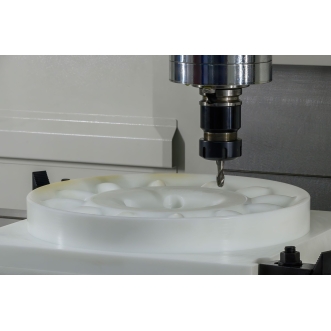
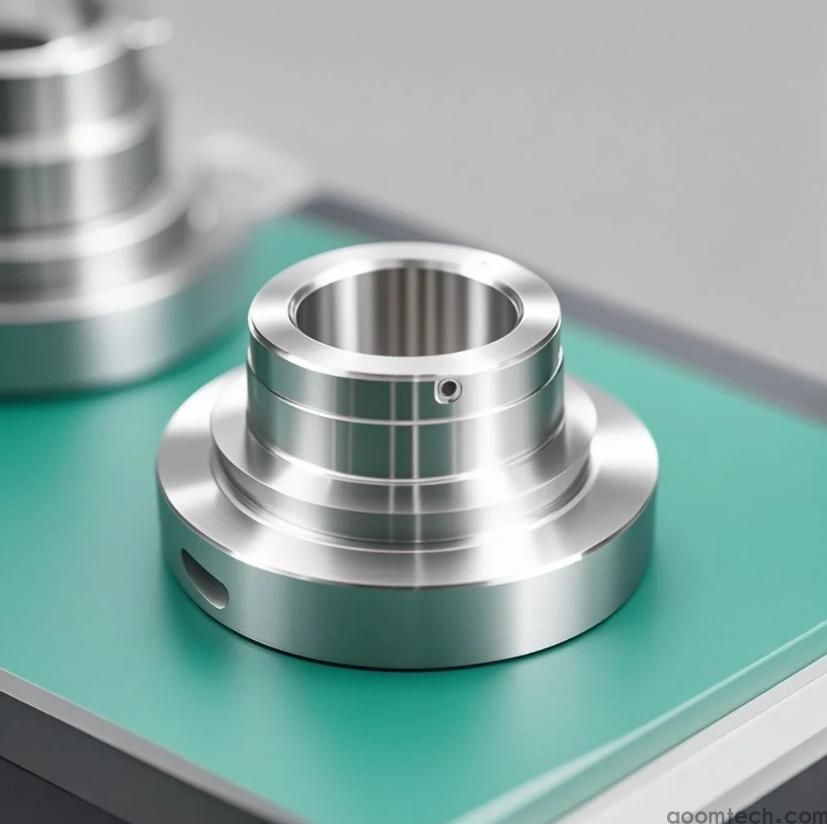
Milling is one of the most common processes used in CNC machining for metal parts. In this process, a rotating cutting tool removes material from a metal workpiece to create different shapes such as flat surfaces, grooves, holes, and complex 3D structures.
The selection of tools depends on the material type and design requirements. For example, aluminum requires different cutting tools and speeds compared to hardened steel.
Important machining parameters include:
Spindle speed
Feed rate
Depth of cut
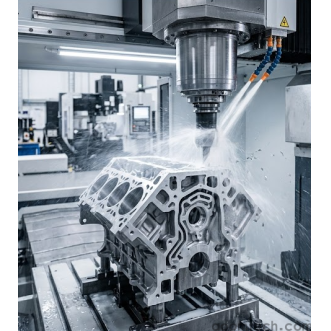
A key concept in CNC milling for precision-machined metal parts is balancing speed and accuracy. High-quality tools and proper cooling systems help achieve smooth surface finishes and precise dimensions.
Turning
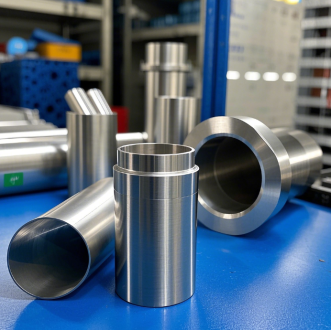
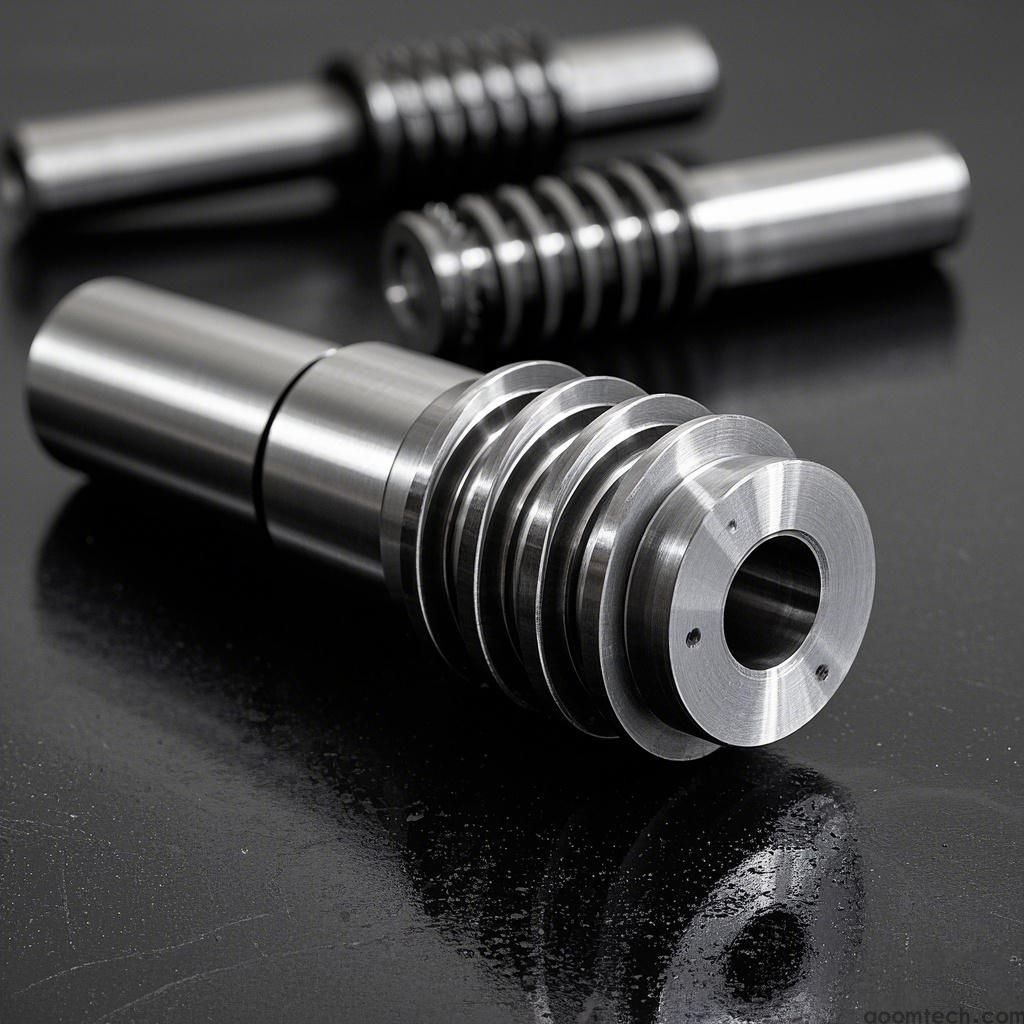
Turning is used to create cylindrical components such as shafts, rods, and threaded parts. In this process, the metal workpiece rotates while a cutting tool removes material.
Key considerations in turning include:
Maintaining concentricity for balanced rotation
Controlling chip formation for smooth machining
Managing tool wear for consistent accuracy
For materials like stainless steel, proper coolant and tool selection are essential to prevent overheating and maintain surface quality.
Drilling
Drilling is used to create precise holes in metal parts for assembly, fluid flow, or electrical connections. The accuracy of hole placement is critical, especially in mechanical assemblies.
Common drilling challenges include tool breakage and heat buildup. These can be controlled by selecting the right drill type and optimizing cutting speed.
Incorrect hole positioning can lead to misalignment, weak connections, or complete assembly failure, making precision essential in this process.
Materials Used in CNC Machined Metal Parts
Aluminum
Aluminum is one of the most widely used materials in CNC machining. It is lightweight, corrosion-resistant, and easy to machine, making it ideal for aerospace, automotive, and electronics industries.
However, aluminum can present challenges such as tool deflection and chip control issues. These are managed by using sharp tools, proper cutting speeds, and effective coolant systems.
Understanding materials for CNC-machined metal components is essential when selecting aluminum grades for different applications.
Steel
Steel is known for its strength and durability. It is available in different types, including carbon steel, alloy steel, and stainless steel.
Carbon Steel: Strong and cost-effective
Alloy Steel: Improved mechanical performance
Stainless Steel: High corrosion resistance
Steel is harder to machine than aluminum and requires stronger tools and optimized cutting conditions.
Titanium
Titanium is widely used in aerospace and medical industries due to its high strength-to-weight ratio and excellent corrosion resistance. It is also biocompatible, making it ideal for implants and surgical tools.
However, titanium is difficult to machine because it generates heat quickly and has low thermal conductivity. Special tools and slower machining speeds are often required.
Challenges in CNC Machining of Metal Parts
Tool Wear and Breakage
Cutting tools experience wear due to continuous contact with hard metals. In some cases, tools may even break during machining.
Solutions include:
Using carbide or diamond-coated tools
Regular monitoring of tool condition
Optimizing toolpaths to reduce stress
Heat Generation
Heat is a common issue in CNC machining. Excess heat can damage both tools and workpieces, leading to dimensional errors.
To control heat:
Use effective coolant systems
Adjust cutting speed and feed rate
Select tools designed for heat resistance
Surface Finish and Dimensional Accuracy
Achieving smooth surface finishes and maintaining tight tolerances can be difficult, especially with harder materials.
Common solutions include:
Using high-quality cutting tools
Fine-tuning machining parameters
Applying post-processing methods such as polishing or grinding
Choosing a Supplier for CNC Precision Machined Metal Parts
Technical Expertise
A reliable supplier must have strong technical knowledge in machining different metals and producing complex designs. Experience in industries such as aerospace or medical manufacturing is a strong indicator of capability.
When evaluating a supplier, consider:
Past project case studies
Engineering team qualifications
Sample part quality and precision
Strong expertise ensures the supplier can handle complex requirements and deliver consistent quality.
Quality Assurance
A robust quality control system is essential for producing reliable CNC precision machined metal parts. Suppliers should use advanced inspection tools such as:
Coordinate Measuring Machines (CMM)
Profilometers for surface roughness testing
Hardness testers for material verification
Good quality systems include in-process inspection, final inspection, and clear handling procedures for non-conforming parts.
Cost-Effectiveness and Lead Times
While cost is important, it should never come at the expense of quality. A good supplier offers a balance between competitive pricing and reliable performance.
Key factors to evaluate include:
Transparent pricing structure
Production efficiency
On-time delivery record
Clear communication about lead times is also essential to avoid production delays.
When researching suppliers, using criteria related to choosing a supplier for CNC precision-machined metal parts helps ensure better decision-making and long-term cooperation.
Conclusion
CNC precision machined metal parts are the foundation of modern manufacturing. They provide the accuracy, strength, and reliability required in industries ranging from aerospace to medical technology.
By understanding the machining processes, materials, challenges, and supplier selection criteria, businesses can make more informed decisions and improve product quality. With continuous advancements in CNC technology, the demand for high-precision metal parts will continue to grow, supporting innovation across global industries.
RELATED PRODUCTS
-
Medical Brass CNC Machining Parts
-
Precision CNC Machining PEEK Services
-
Precision Custom CNC Machined Car Parts
-
cnc machining optical housings
-
Precision CNC Casting Machining Services
-
Precision Gear CNC Machining Services
-
Precision Stainless Steel Parts CNC Mach
-
CNC Machining of Precision Aluminum Tube
-
CNC Machining of Large Precision Aluminu
-
CNC Machining & Manufacturing of Pre