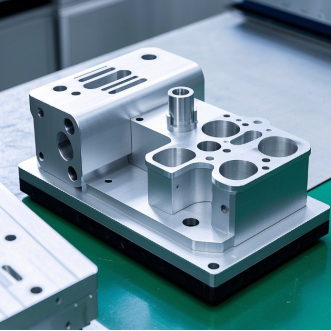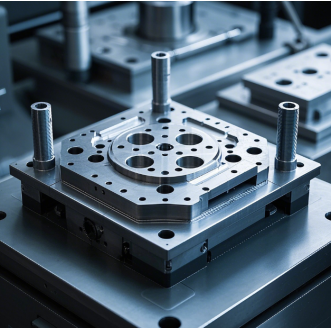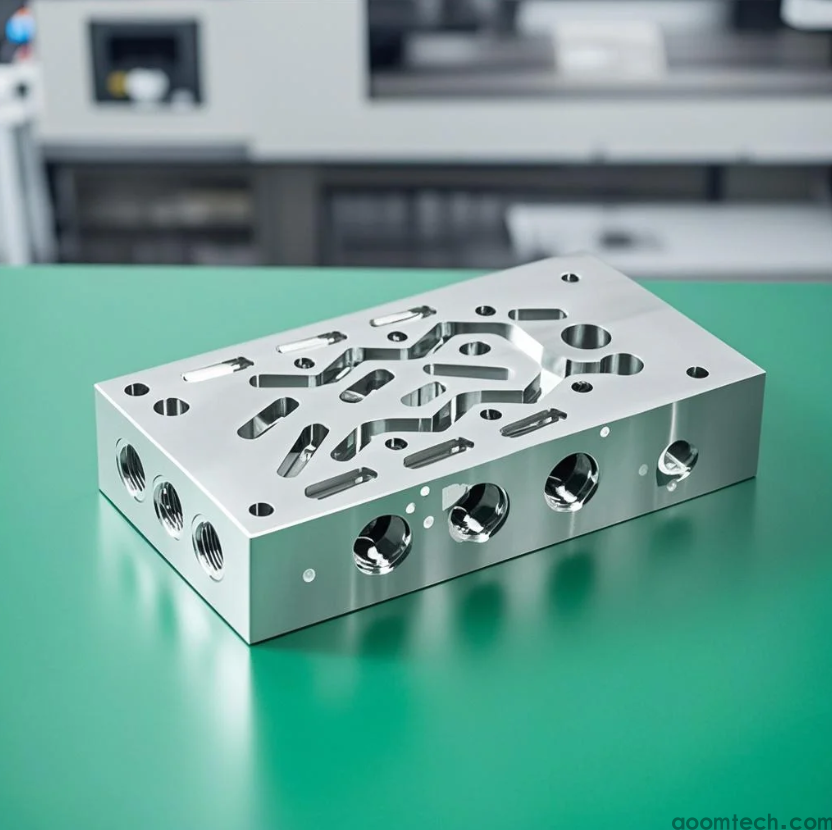
CNC Precision Machining Services
Introduction to CNC Precision Machining Services
CNC Precision Machining Services are modern manufacturing solutions that use computer-controlled machines to produce highly accurate and detailed parts. These services are widely used in industries that require strict accuracy, consistent quality, and reliable performance.
In today’s manufacturing world, precision is very important. CNC precision machining helps companies produce components that meet exact design requirements. These parts are used in machines, vehicles, medical devices, and many other products. By using automated control systems, CNC machining improves product reliability, performance, and innovation.
The Significance of CNC Precision Machining
CNC Precision Machining Services play a key role in modern production. Many industries depend on them to create parts with tight tolerances and complex shapes. Without precision machining, many advanced technologies would not function properly.
These services ensure that every part matches the design with high accuracy. This reduces product failure, improves safety, and supports mass production with stable quality.
Benefits of CNC Precision Machining
High-level Accuracy
One of the main benefits of CNC precision machining is extremely high accuracy. CNC machines follow digital instructions, allowing them to produce parts with very tight tolerances, often measured in micrometers.
In industries like aerospace and medical manufacturing, this accuracy is critical. For example, turbine blades in aircraft engines must be made with exact dimensions to ensure safe and efficient performance.
Repeatability
CNC Precision Machining Services offer excellent repeatability. Once a program is created, the machine can produce thousands of identical parts without losing quality.
For example, an electronics manufacturer can produce large quantities of identical connectors or housings, ensuring consistent performance in every product.
Complex Design Realization
CNC machining can produce very complex shapes that are difficult to make using traditional methods. This includes fine details, curved surfaces, and intricate structures.
For instance, custom molds for consumer products or detailed components in jewelry design can be accurately manufactured using CNC technology.
Capabilities of CNC Precision Machining Services
Machining Operations Variety
The capabilities of CNC precision machining services include many different operations such as milling, turning, drilling, grinding, and EDM (electrical discharge machining).
Each operation serves a different purpose. Milling creates flat surfaces and grooves, while turning produces round or cylindrical parts. A medical implant may require several operations to achieve its final shape and smooth finish.
Material Compatibility
CNC machining works with a wide range of materials, including steel, aluminum, titanium, plastics, composites, and ceramics.
For example, titanium is often used in aerospace parts because it is strong and lightweight. CNC machines adjust cutting speed and tools to handle this hard material with precision.
Process of CNC Precision Machining
Design and CAD/CAM Programming
The process of CNC precision machining begins with digital design using CAD software. Engineers create a 3D model of the part based on its function and requirements.
Then CAM software converts the design into machine instructions. These instructions define tool paths, cutting speeds, and other important settings. For example, a complex engine part requires carefully planned tool movements to ensure accuracy.
Material Selection and Preparation
Choosing the right material is important for performance and durability. Materials are selected based on strength, weight, and resistance to heat or corrosion.
After selection, the material is prepared by cutting it to size or heat treating it. Hard materials may require slower cutting speeds and stronger tools.
Machine Setup and Tooling
The machine setup includes installing tools and securing the material in place using fixtures. Proper setup ensures stability during machining and prevents movement or vibration.
A well-designed fixture helps maintain accuracy, especially when producing small or delicate parts.
Machining Execution
During machining execution, the CNC machine follows programmed instructions to shape the material. Movements are controlled with high precision to achieve the required dimensions.
Multi-axis machines can create complex shapes in a single setup, improving efficiency and accuracy.
Finishing Operations
After machining, finishing processes such as polishing, anodizing, or coating may be applied. These improve appearance, strength, and resistance to wear or corrosion.
For example, anodizing aluminum parts increases durability and improves surface protection.
Quality Control in CNC Precision Machining
In-process Inspection
Quality control in CNC precision machining starts during production. Measurements are taken while parts are being made to ensure they stay within tolerance.
Tools like calipers, micrometers, and CMM machines help detect small errors early, preventing defective production.
Final Inspection
Final inspection ensures that finished parts meet all design and quality requirements. This includes checking dimensions, surface quality, and internal structure.
Advanced testing methods like X-ray or ultrasonic inspection can detect hidden defects before the part is used in critical applications.
Applications of CNC Precision Machining
Aerospace Industry
CNC Precision Machining Services are widely used in aerospace manufacturing. Parts like turbine engines, landing gear, and structural components require extreme accuracy.
For example, a CNC-machined wing spar helps ensure aircraft strength and safety during flight.
Medical Industry
In the medical field, precision is essential. CNC machining is used to create surgical tools, implants, and medical device components.
A hip implant, for example, must match the patient’s anatomy perfectly to ensure comfort and proper function.
Automotive Industry
The automotive industry relies on CNC machining for engine parts, transmission systems, and suspension components.
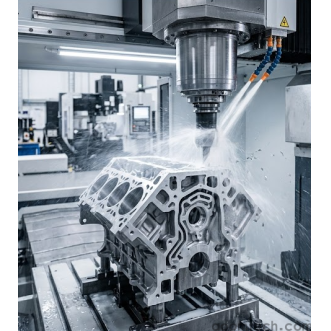
For example, a precision-machined engine block improves fuel efficiency, performance, and durability.
Choosing a CNC Precision Machining Service Provider
Experience and Expertise
When choosing a CNC precision machining service provider, experience is very important. A skilled provider can handle complex designs and tight tolerances more effectively.
Experienced companies are more likely to solve technical challenges and deliver reliable results.
Quality Assurance System
A strong quality system ensures consistent results. Providers should follow strict inspection processes and use certified equipment.
Certifications like ISO 9001 show that the company meets international quality standards.
Technology and Equipment
Modern CNC machines with advanced features improve precision and efficiency. Multi-axis machines and high-speed systems can produce more complex parts in less time.
Up-to-date equipment is a strong indicator of manufacturing capability.
Cost-effectiveness and Pricing Transparency
Cost is also important when selecting a provider. A good company offers clear pricing that explains material, labor, and machining costs.
Comparing multiple providers helps ensure fair pricing and better value.
Conclusion: Making the Right Choice
CNC Precision Machining Services are essential in modern manufacturing. They offer high accuracy, repeatability, and the ability to produce complex parts for many industries.
By understanding the benefits of CNC precision machining, capabilities of CNC precision machining services, process of CNC precision machining, quality control in CNC precision machining, and choosing a CNC precision machining service provider, businesses can make better decisions and achieve higher product quality.
Careful selection of a service provider ensures better performance, lower risk, and long-term manufacturing success.
RELATED PRODUCTS
-
Medical Brass CNC Machining Parts
-
Precision CNC Machining PEEK Services
-
Precision Custom CNC Machined Car Parts
-
cnc machining optical housings
-
Precision CNC Casting Machining Services
-
Precision Gear CNC Machining Services
-
Precision Stainless Steel Parts CNC Mach
-
CNC Machining of Precision Aluminum Tube
-
CNC Machining of Large Precision Aluminu
-
CNC Machining & Manufacturing of Pre