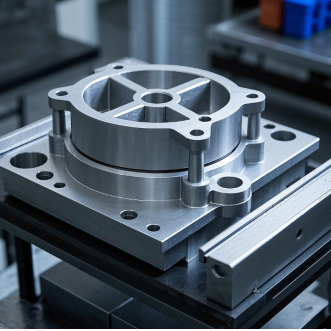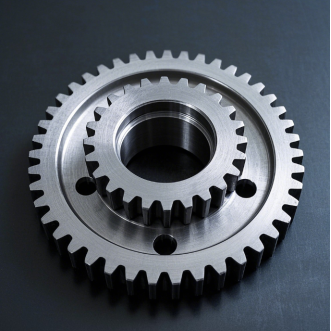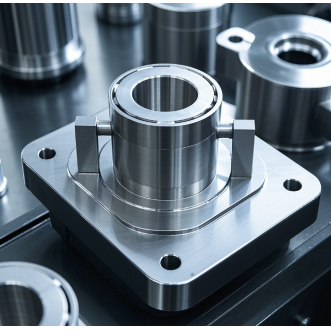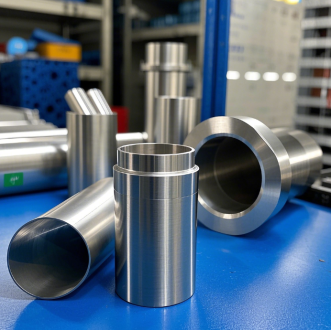
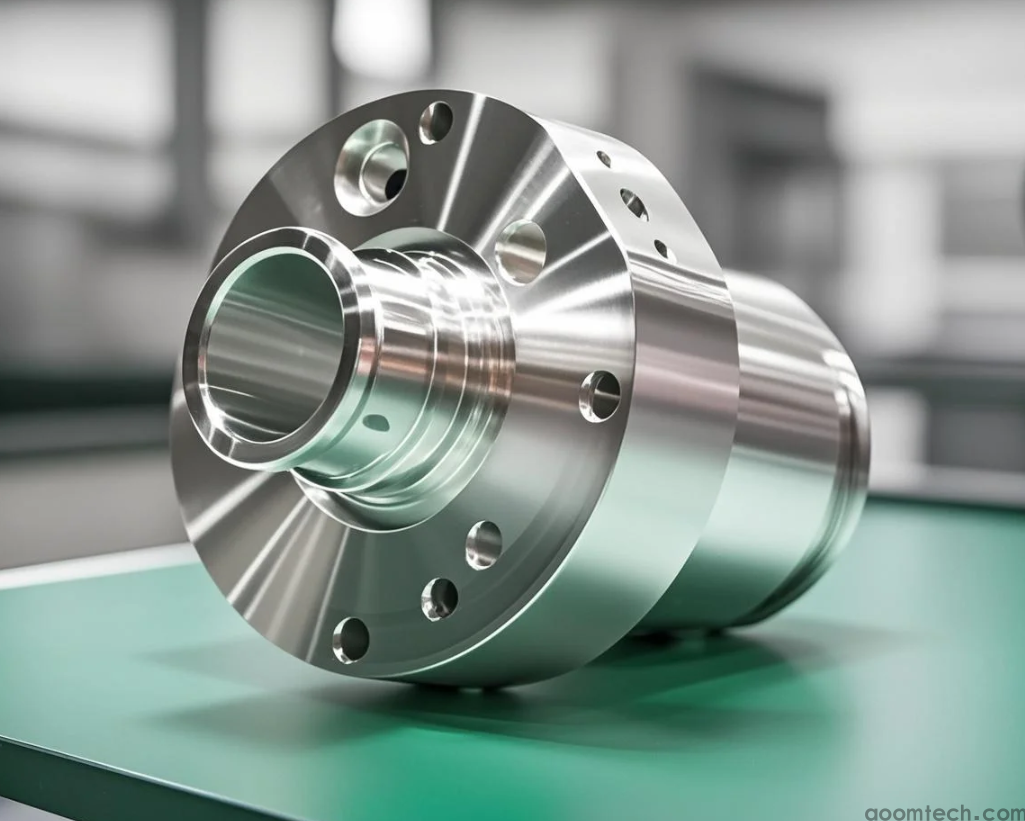
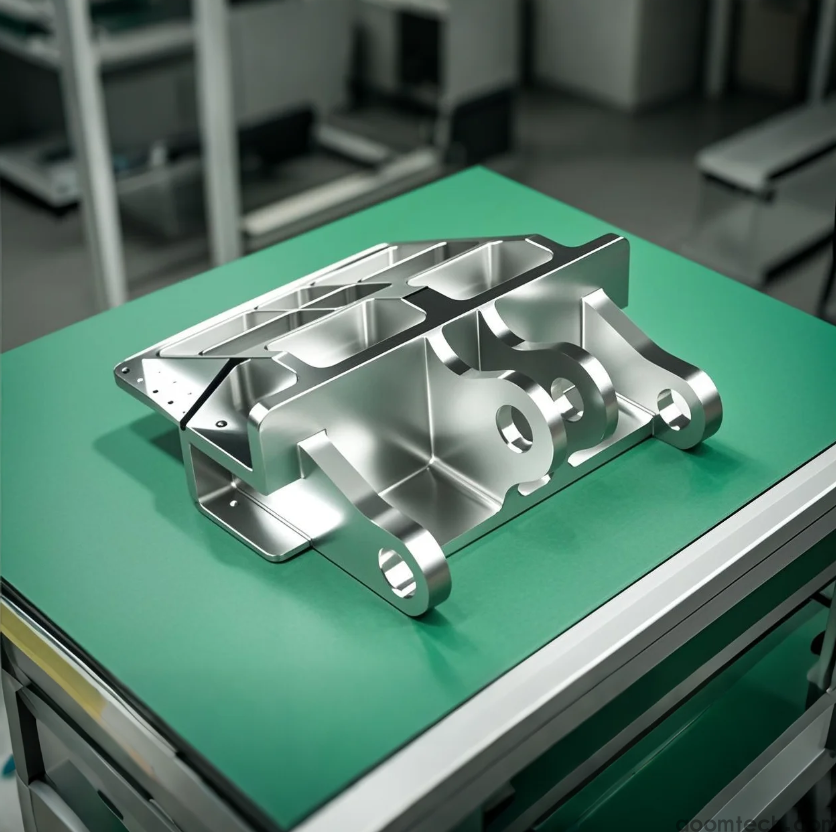
CNC Precision Metal Machining Services
Introduction to CNC Precision Metal Machining Services
Definition and Significance
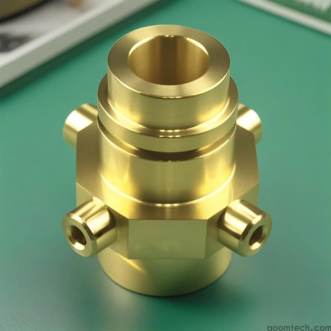
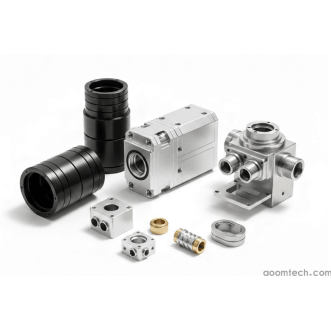
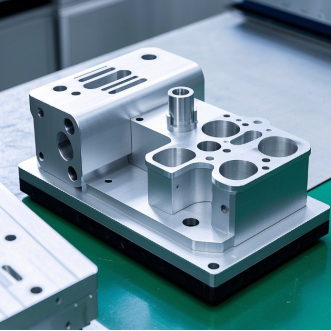
CNC Precision Metal Machining Services refer to the use of Computer Numerical Control (CNC) machines to manufacture highly accurate metal parts. These machines are controlled by programmed instructions, allowing manufacturers to produce complex and precise components with minimal error.
These services are widely used in industries such as aerospace, automotive, medical, electronics, and industrial equipment. For example, aircraft engine components must be produced with extreme precision to ensure safety, reliability, and high performance during flight.
Importance of CNC Precision Metal Machining
High Precision
CNC technology allows extremely tight tolerances, often measured in microns or a few thousandths of an inch. This level of accuracy is essential in applications where even the smallest deviation can cause failure.
For example, medical implants such as bone screws or joint replacements must fit the human body perfectly. Similarly, high-performance automotive engines depend on precisely machined parts to ensure efficiency and durability.
Consistent Quality
One major advantage of CNC Precision Metal Machining Services is repeatability. Once a machining program is created, every produced part will match the same dimensions and surface quality.
This consistency is especially important in mass production, where thousands or even millions of identical parts are required. It reduces waste, improves efficiency, and ensures stable product performance.
Complex Geometries
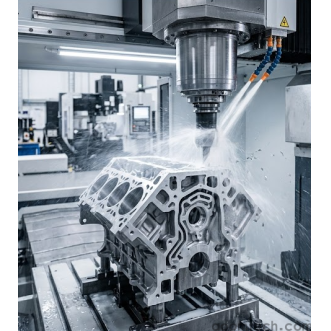
CNC machines can produce highly complex shapes that are difficult or impossible to achieve with traditional machining methods. Multi-axis CNC systems can move tools in several directions, allowing advanced geometries.
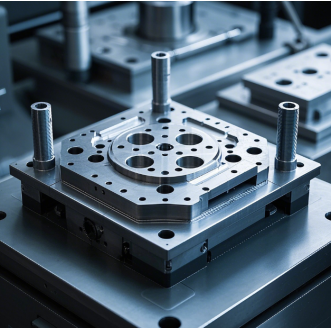
Examples include turbine blades used in power generation systems and precision molds used in plastic injection molding industries.
CNC Machining Processes for Precision Metal Parts
Milling
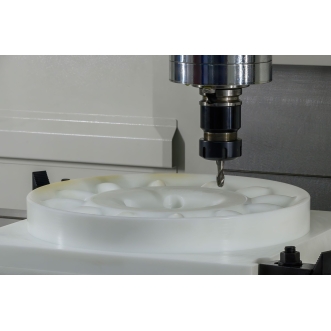
CNC milling for precision metal machining uses rotating cutting tools to remove material from a metal workpiece. It is used to create flat surfaces, slots, holes, and complex 3D shapes.
Tool selection depends on the metal type and design requirements. For example, aluminum requires high-speed cutting tools, while stainless steel needs stronger, wear-resistant tools.
Key machining parameters include spindle speed, feed rate, and depth of cut. These must be carefully controlled to ensure accuracy and surface quality.
Turning
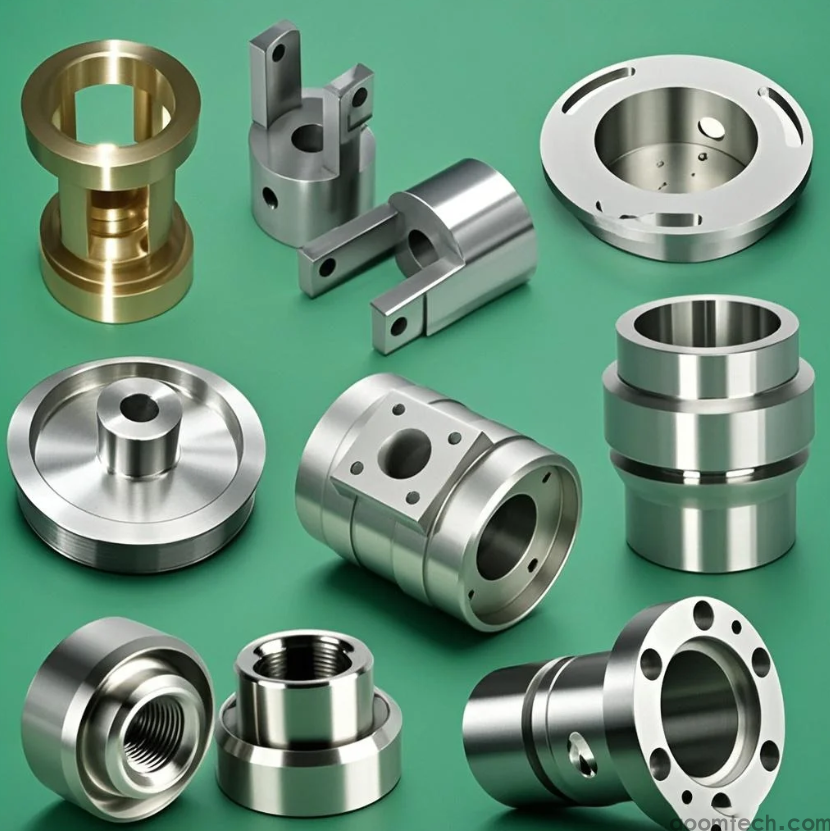
In turning, the metal workpiece rotates while a stationary cutting tool removes material. This process is mainly used to create cylindrical or conical parts.
Common applications include shafts, bushings, and pipe fittings. To ensure dimensional accuracy, machinists use precision measuring tools and maintain correct tool alignment throughout the process.
Drilling and Boring
Drilling is used to create holes in metal parts, while boring is used to enlarge or refine existing holes with higher precision.
These processes are critical when parts must be assembled with tight fits. Proper hole size and position ensure smooth assembly and reliable performance.
Different drill types and boring tools are selected based on material hardness and required accuracy.
Materials Used in CNC Precision Metal Machining
Aluminum
Aluminum is lightweight, corrosion-resistant, and easy to machine. It is widely used in aerospace and automotive industries where weight reduction is important.
When machining aluminum, proper speed and feed settings are important to avoid chip buildup and achieve a smooth surface finish.
Steel
Materials in CNC precision metal services often include different types of steel such as carbon steel, alloy steel, and stainless steel.
Carbon steel: Cost-effective and commonly used for general parts.
Alloy steel: Offers improved strength and performance for demanding applications.
Stainless steel: Highly resistant to corrosion and widely used in medical, food, and marine industries.
Each type of steel has different machining challenges, such as tool wear and heat generation, which must be carefully managed.
Titanium
Titanium is strong, lightweight, and highly resistant to corrosion, making it ideal for aerospace and medical applications.
However, it is more difficult to machine due to its high strength and low thermal conductivity. Specialized cutting tools and controlled machining conditions are required to prevent tool damage and overheating.
Choosing a CNC Precision Metal Machining Service Provider
Technical Expertise
Choosing a provider for CNC precision metal machining requires evaluating their technical capability. A reliable provider should have experience working with different metals and advanced CNC programming skills.
You can assess expertise by reviewing case studies, checking engineering qualifications, and requesting sample parts to evaluate precision and surface quality.
Quality Assurance
A strong quality assurance system is essential in CNC machining services. Professional providers use inspection tools such as Coordinate Measuring Machines (CMM) to ensure dimensional accuracy.
A proper QA process includes in-process inspections, final inspections, and clear handling procedures for non-conforming parts. This ensures every product meets strict quality standards.
Cost-effectiveness and Lead Times
While cost is important, it should not compromise quality. A good CNC service provider offers a balance between competitive pricing and high precision manufacturing.
When evaluating providers, compare quotes, check production capacity, and review their on-time delivery history. Reliable lead times are critical for maintaining your project schedule.
Conclusion
CNC Precision Metal Machining Services play a vital role in modern manufacturing. They provide high accuracy, consistent quality, and the ability to produce complex metal components for critical industries.
By understanding the processes, materials, and selection criteria, businesses can make better decisions when choosing a machining partner and ensure long-term production success.
RELATED PRODUCTS
-
Medical Brass CNC Machining Parts
-
Precision CNC Machining PEEK Services
-
Precision Custom CNC Machined Car Parts
-
cnc machining optical housings
-
Precision CNC Casting Machining Services
-
Precision Gear CNC Machining Services
-
Precision Stainless Steel Parts CNC Mach
-
CNC Machining of Precision Aluminum Tube
-
CNC Machining of Large Precision Aluminu
-
CNC Machining & Manufacturing of Pre