CNC Precision Parts Manufacturing Services
Introduction to CNC Precision Parts Manufacturing Services
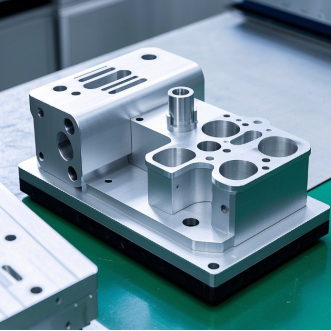
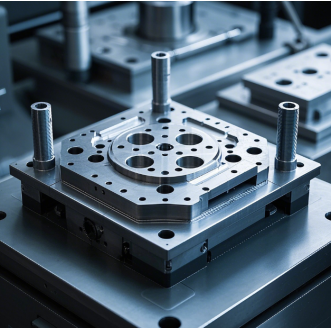
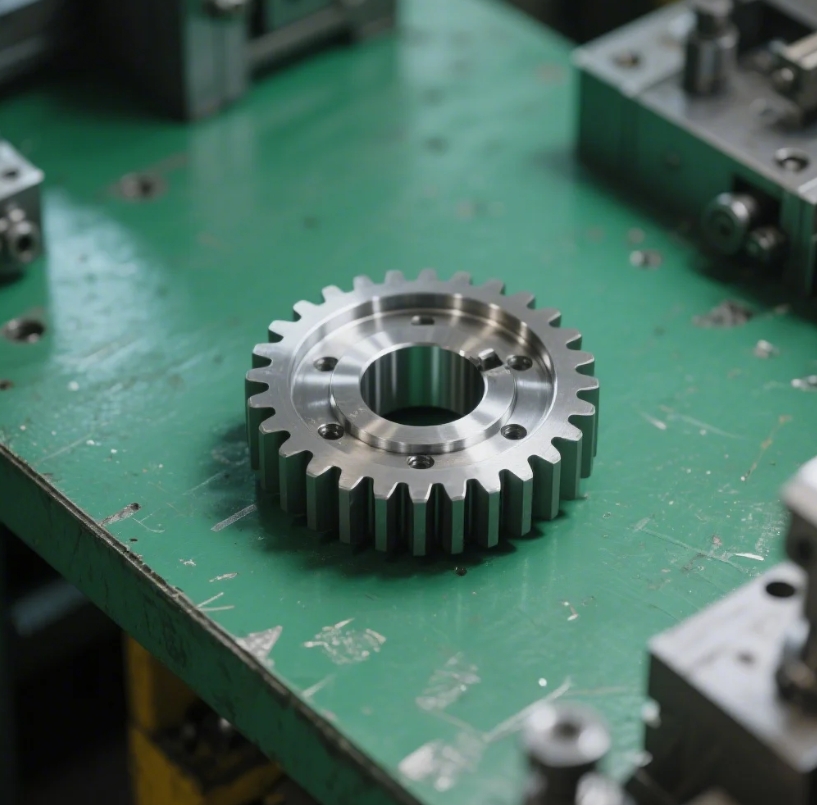
In modern manufacturing, many industries need parts that are highly accurate, strong, and reliable. This is where CNC Precision Parts Manufacturing Services play an important role. CNC (Computer Numerical Control) technology helps produce parts with high accuracy by using computer-controlled machines.
The importance of CNC precision parts manufacturing services is growing because industries such as automotive, aerospace, electronics, and medical devices depend on parts that must fit and work perfectly. Even a small error in size or shape can cause performance problems or safety risks.
Importance of CNC Precision Parts Manufacturing Services
Meeting Stringent Industry Standards
Industries like aerospace and medical require extremely precise parts. CNC Precision Parts Manufacturing Services can achieve very tight tolerances, ensuring every part meets strict safety and performance standards.
For example, an aircraft engine component must be manufactured with extreme accuracy. Even a tiny deviation can affect fuel efficiency or flight safety. CNC machining helps ensure these parts are made exactly as designed, supporting safe operation in critical environments.
Enabling Complex Design Realization
Modern products often include complex shapes and detailed structures. CNC technology makes it possible to produce these advanced designs with high accuracy.
For example, in electronics, small components with internal channels and precise dimensions can be manufactured using CNC Precision Parts Manufacturing Services. This allows engineers to design innovative products without being limited by traditional manufacturing methods.
How CNC Precision Parts Manufacturing Services Work
Order and Design Phase
The process begins when a customer submits design files or blueprints. These often include CAD (Computer-Aided Design) models. If needed, engineers from the service provider may help improve the design for better manufacturing efficiency.
For example, a customer designing a mechanical bracket may receive suggestions to simplify sharp corners or adjust thickness to reduce production cost and improve strength. This step ensures the design is practical and cost-effective.
Material Selection and Procurement
Material selection is a key step in CNC manufacturing. Common materials include aluminum, steel, stainless steel, and engineering plastics. Each material has different strength, weight, and machining properties.
For example, harder steel requires stronger cutting tools and slower machining speeds, while aluminum allows faster cutting and smoother finishing. Choosing the right material ensures both performance and production efficiency.
CNC Programming and Machine Setup
Engineers create a CNC program that guides the machine. This program defines tool paths, cutting speed, and movement steps.
Once the program is ready, the machine is set up with correct tools and fixtures. For complex parts, multi-axis machines may be used to achieve detailed shapes in fewer steps, improving accuracy and reducing time.
Machining and Quality Control
Machining Operations
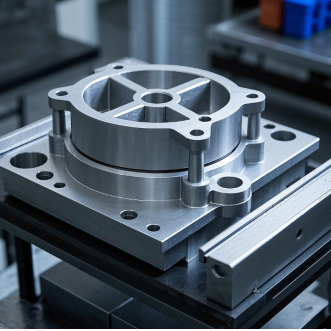
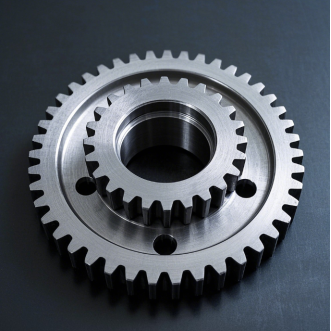
The CNC machine performs operations such as milling, turning, drilling, and grinding. Each process shapes the raw material into the final part according to the design.
Operators adjust cutting speed and tool selection based on material type to ensure smooth surface finish and high precision.
Quality Control
After machining, parts are carefully inspected using tools such as calipers, micrometers, and coordinate measuring machines (CMM).
For example, if a CMM detects that a hole position is slightly off, engineers adjust the machining program and recheck the parts to ensure they meet required standards. This ensures consistency and reliability in production.
Benefits of Using CNC Precision Parts Manufacturing Services
High-Precision Output
One of the main benefits of using CNC precision parts manufacturing services is extremely high accuracy. Machines follow programmed instructions, reducing human error and ensuring consistent quality.
This is especially important in medical devices, where implants must fit perfectly in the human body to ensure safety and effectiveness.
Cost-Effectiveness for Medium-Volume Production
For medium production runs, CNC services can reduce cost per part. Once the machine is programmed, it can produce multiple identical parts efficiently.
For example, a company producing 500 metal housings can save costs compared to manual production because CNC machines work faster and reduce waste.
Quick Turnaround for Prototyping
CNC Precision Parts Manufacturing Services are ideal for prototyping. Designers can quickly produce sample parts and test them before mass production.
For example, a startup developing a new device can create multiple prototype versions within days, allowing fast design improvements and faster product launch.
Challenges in CNC Precision Parts Manufacturing Services
Advanced Equipment and Maintenance
CNC machines are expensive and require regular maintenance. Without proper care, machine breakdowns can delay production.
For example, if a key CNC machine fails during production, delivery deadlines may be missed. To prevent this, providers must follow strict maintenance schedules and monitor machine performance.
Skilled Labor Requirement
Operating CNC machines requires skilled technicians and programmers. Finding experienced workers can be difficult.
Companies often invest in training programs to improve staff skills and maintain production quality.
Meeting Tight Deadlines
Customers often require fast delivery while maintaining high precision. Balancing speed and quality can be challenging.
To solve this, manufacturers optimize production planning and use automated systems to increase efficiency without reducing accuracy.
How to Select a CNC Precision Parts Manufacturing Service Provider
Evaluate Experience and Reputation
When choosing a provider, experience is very important. A company with a strong track record is more likely to deliver reliable results.
The how to select a CNC precision parts manufacturing service provider process should include checking customer reviews, case studies, and past projects.
Assess Equipment and Technology
Modern CNC machines, especially multi-axis systems, improve precision and efficiency. Advanced software also helps improve programming accuracy.
Providers with updated equipment can handle complex designs more effectively and reduce production time.
Review Quality Management System
A strong quality system ensures consistent results. Certifications and inspection processes show that the provider follows strict standards.
For example, companies with structured quality checks can reduce defects and improve customer satisfaction significantly.
Conclusion: Making the Right Choice in CNC Precision Parts Manufacturing
CNC Precision Parts Manufacturing Services are essential in today’s advanced industries. They provide high accuracy, support complex designs, and help companies produce reliable products efficiently.
At the same time, challenges such as equipment cost, skilled labor, and production deadlines must be carefully managed. Understanding these factors helps businesses make better decisions.
In summary, whether you are developing a new product or scaling production, choosing the right CNC service provider is critical. Evaluate experience, technology, and quality systems before making your decision. This will ensure better performance, lower risk, and long-term success.
RELATED PRODUCTS
-
Medical Brass CNC Machining Parts
-
Precision CNC Machining PEEK Services
-
Precision Custom CNC Machined Car Parts
-
cnc machining optical housings
-
Precision CNC Casting Machining Services
-
Precision Gear CNC Machining Services
-
Precision Stainless Steel Parts CNC Mach
-
CNC Machining of Precision Aluminum Tube
-
CNC Machining of Large Precision Aluminu
-
CNC Machining & Manufacturing of Pre