CNC Professional Machining Manufacturing Services
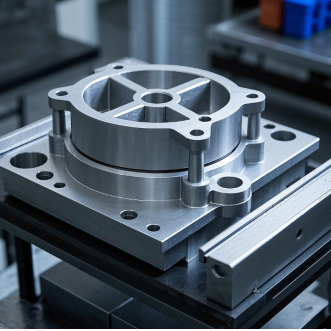
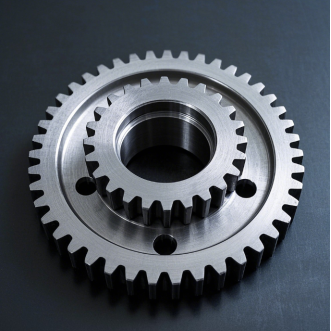
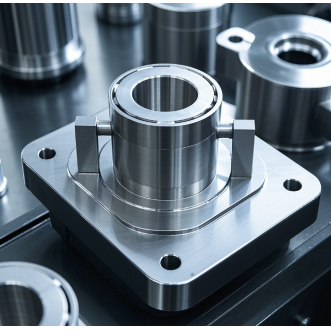
CNC Professional Machining Manufacturing Services are at the heart of modern precision manufacturing. They enable industries to produce highly accurate, consistent, and complex parts using computer-controlled machines. From aerospace and automotive to medical devices and electronics, CNC machining supports innovation, efficiency, and product reliability across global markets.
This article explains the process of CNC professional machining services, types of services available, benefits, challenges, quality control practices, and how to select the right provider. It is designed to help engineers, manufacturers, and business owners understand how CNC machining works in real-world applications.
Introduction to CNC Professional Machining Manufacturing Services
CNC (Computer Numerical Control) machining is a manufacturing process where pre-programmed computer software controls the movement of machinery and tools. It allows manufacturers to produce parts with extremely tight tolerances and repeatable accuracy.
The significance of CNC professional machining manufacturing services lies in their ability to transform digital designs into physical components with high precision. This improves productivity, reduces human error, and supports large-scale industrial production. Understanding these services helps businesses make better decisions about product development, outsourcing, and production planning.
The Process of CNC Professional Machining Manufacturing Services
Design and CAD Modeling
The process begins with design using CAD (Computer-Aided Design) software. Engineers create a detailed 3D model of the part, considering function, size, material behavior, and assembly requirements.
For example, in automotive engineering, designers must ensure that parts fit precisely within engine assemblies. In medical devices, CAD models must meet strict safety and dimensional standards. Good design reduces manufacturing errors and improves production efficiency.
CNC Programming
Once the design is complete, it is converted into machine instructions using CAM (Computer-Aided Manufacturing) software. This step defines toolpaths, cutting speeds, feed rates, and machining depth.
A well-developed CNC program ensures accuracy and surface quality. Complex geometries require advanced programming strategies, especially for multi-axis machining operations.
Material Selection and Procurement
Material selection is a critical step in CNC machining. Common materials include aluminum, steel, titanium, plastics, and composites. Each material offers different properties such as strength, weight, corrosion resistance, and machinability.
For example, titanium is widely used in aerospace applications due to its strength-to-weight ratio, while aluminum is often chosen for its lightweight and cost-effectiveness.
Machine Setup and Tooling
Before machining begins, the CNC machine must be properly set up. This includes securing the workpiece with fixtures and selecting appropriate cutting tools.
Different tools are used for milling, turning, drilling, and grinding. Carbide and diamond-coated tools are commonly used for durability and precision. Proper machine setup ensures stability and reduces vibration during operation.
Machining Operations
Milling
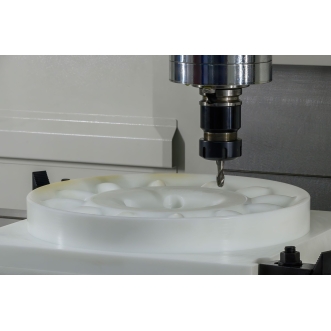
Milling is used to create flat surfaces, grooves, and complex 3D shapes. Different cutters such as end mills and ball-nose tools are selected based on the required geometry. Adjusting spindle speed and feed rate is essential for achieving surface quality.
Turning
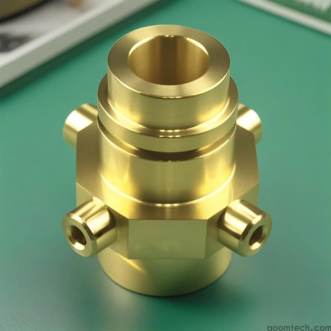
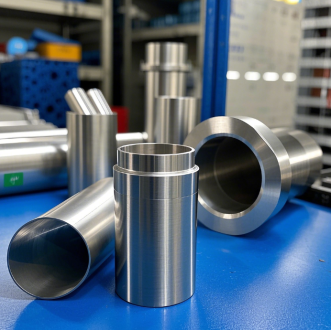
Turning involves rotating the workpiece while a cutting tool shapes it into cylindrical forms. It is commonly used for shafts, bolts, and bushings. Precision is maintained through controlled tool movement and speed adjustment.
Drilling
Drilling creates precise holes in materials. Selecting the correct drill bit and cutting parameters prevents tool damage and ensures accuracy in hole placement and depth.
Grinding
Grinding is used for achieving extremely fine surface finishes and tight tolerances. It is often applied in final finishing stages where precision is critical.
Finishing and Inspection
After machining, parts undergo finishing processes such as deburring, polishing, anodizing, plating, or painting. These improve appearance, durability, and corrosion resistance.
Inspection ensures the part meets required specifications. Tools such as calipers, micrometers, and Coordinate Measuring Machines (CMMs) are used to verify dimensions and surface quality.
Types of CNC Professional Machining Manufacturing Services
Prototyping Services
Prototyping allows manufacturers to test designs before full production. CNC machining is ideal for creating accurate prototypes quickly, helping reduce development risks and costs.
Batch Production Services
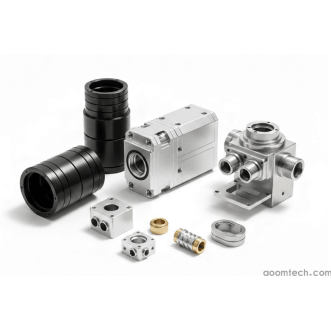
Batch production involves manufacturing multiple identical parts. CNC systems ensure consistency and repeatability, making them ideal for industrial components, medical tools, and mechanical systems.
Custom Machining Services
Custom machining is used for specialized or unique requirements. It is suitable for industries needing tailored solutions, such as robotics, aerospace components, or specialized industrial machinery.
Benefits of CNC Professional Machining Manufacturing Services
High Precision and Accuracy
CNC systems deliver extremely tight tolerances, ensuring parts fit together perfectly. This is essential in industries such as aerospace, automotive, and healthcare.
Ability to Create Complex Geometries
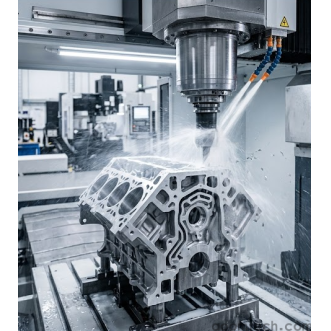
CNC machining allows the production of highly complex shapes that are difficult or impossible to achieve using traditional methods. This supports innovation in product design and engineering.
Efficiency and Productivity
Once programmed, CNC machines can operate continuously with minimal human intervention. This increases productivity and reduces production time and cost.
Challenges in CNC Professional Machining Manufacturing Services
Tool Wear and Breakage
Cutting tools gradually wear down due to continuous use. This can affect precision and surface quality. Proper tool monitoring and maintenance help reduce this issue.
Complex Programming and Setup
Advanced parts require skilled programming and setup. CAM software helps, but experienced operators are still essential for optimal results.
Cost-Effectiveness
CNC machining requires investment in machines, tools, and materials. Companies must balance quality and cost through efficient planning and waste reduction strategies.
Quality Control in CNC Professional Machining Manufacturing Services
In-Process Inspection
During machining, operators monitor dimensions and tool performance. Early detection of issues prevents defective parts and reduces waste.
Final Inspection
After production, parts undergo strict inspection using precision measuring tools and CMM systems. Non-conforming parts may be reworked or rejected depending on quality standards.
How to Choose a CNC Professional Machining Service Provider
Experience and Expertise
Select a provider with proven experience in your industry. Case studies, certifications, and customer feedback help evaluate reliability and capability.
Equipment and Technology
Advanced CNC machines, multi-axis systems, and modern CAD/CAM software indicate a provider’s ability to handle complex and high-precision projects.
Quality Assurance and Customer Service
A strong quality system ensures consistent results. Good communication, transparent processes, and responsive support are also essential for successful collaboration.
Conclusion: Leveraging CNC Professional Machining Manufacturing Services
CNC machining is a foundational technology in modern manufacturing. It combines precision engineering, automation, and digital design to produce high-quality components efficiently.
Understanding the benefits of CNC professional manufacturing, its challenges, and its processes helps businesses make informed decisions. Whether developing prototypes, scaling production, or creating custom parts, CNC services provide reliable and scalable solutions.
When choosing a CNC professional machining provider, prioritize experience, technology, and quality systems. Clear communication and precise requirements ensure successful outcomes and long-term manufacturing efficiency.
RELATED PRODUCTS
-
Medical Brass CNC Machining Parts
-
Precision CNC Machining PEEK Services
-
Precision Custom CNC Machined Car Parts
-
cnc machining optical housings
-
Precision CNC Casting Machining Services
-
Precision Gear CNC Machining Services
-
Precision Stainless Steel Parts CNC Mach
-
CNC Machining of Precision Aluminum Tube
-
CNC Machining of Large Precision Aluminu
-
CNC Machining & Manufacturing of Pre