CNC Prototype Machining Services
CNC Prototype Machining Services play an important role in modern product development. They help engineers, designers, and entrepreneurs turn ideas into real physical parts with high accuracy. A prototype is usually the first version of a product, and it is used for testing, improving design, and checking functionality before mass production.
Understanding the process of CNC prototype machining is important because it helps reduce design errors, save time, and lower development costs. Whether you are working in automotive, electronics, medical devices, or consumer products, CNC machining gives you a reliable way to build strong and precise prototypes.
Introduction to CNC Prototype Machining Services
CNC (Computer Numerical Control) machining is a manufacturing process that uses computer-controlled machines to cut, shape, and form materials into exact designs. In prototype development, CNC machining is widely used because it delivers high precision and repeatability.
These services are essential because they allow companies to test product ideas before investing in large-scale production. With CNC prototypes, teams can check design function, improve performance, and collect early user feedback. This helps avoid costly mistakes later in the product lifecycle.
In simple terms, CNC prototype machining services bridge the gap between digital design and real-world product testing.
The Process of CNC Prototype Machining
Design and CAD Model Preparation
The first step in CNC prototype machining is creating a detailed design using CAD (Computer-Aided Design) software. Engineers build a 3D digital model that shows the shape, size, and features of the part.
A good CAD model must consider functionality, strength, and manufacturability. For example, automotive prototypes may focus on durability and heat resistance, while consumer electronics prototypes often focus on compact design and appearance.
A precise CAD model is the foundation of successful machining because every later step depends on it.
CNC Programming
After the CAD model is completed, it is converted into a CNC program using CAM (Computer-Aided Manufacturing) software. This step is part of the core process of CNC prototype machining.
Programmers define toolpaths, cutting speeds, feed rates, and depth of cut. These settings control how the machine moves and cuts the material.
A well-designed program ensures accuracy and smooth machining. Complex shapes may require multi-axis toolpaths or special cutting strategies to achieve the desired result.
Material Selection and Preparation
Choosing the right material is very important in CNC prototype machining. Different materials behave differently during machining and in real-world use.
Common materials include:
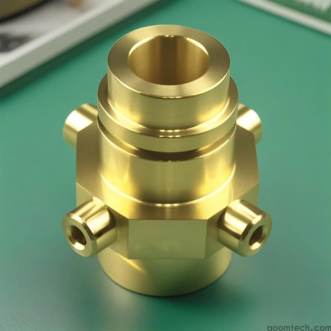
Metals such as aluminum, steel, and titanium
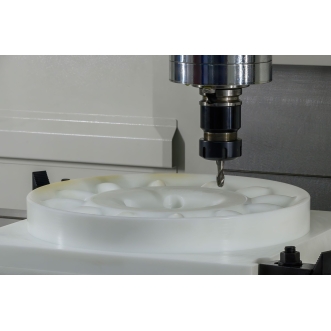
Plastics such as ABS, PLA, and PETG
Composite materials for high-performance applications
Each material has unique properties like strength, weight, and heat resistance. Before machining, materials may need to be cut to size or pre-treated for better performance.
Machine Setup and Tooling
Machine setup is a critical step. The workpiece is fixed using special fixtures to ensure stability during machining.
Different tools are selected depending on the operation, such as milling, drilling, or turning. Tool quality affects surface finish and accuracy.
Operators also adjust spindle speed, feed rate, and cutting depth based on material type and design requirements.
Machining Operations and Quality Control
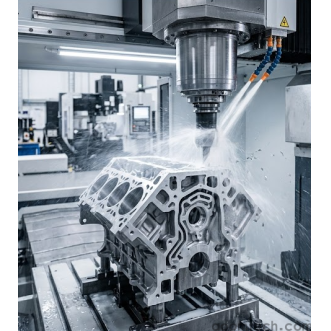
CNC machines perform several operations such as milling, turning, drilling, and grinding. These operations gradually shape the material into the final prototype.
Quality control is applied throughout the process. Tools like calipers, micrometers, and surface testers are used to check accuracy. In advanced cases, Coordinate Measuring Machines (CMM) are used for precise inspection.
If errors are found, adjustments are made immediately to avoid defective parts.
Benefits of CNC Prototype Machining Services
High Precision and Accuracy
One of the main benefits of CNC prototype services is high precision. CNC machines follow exact digital instructions, allowing tight tolerances and consistent results.
This is very important for industries like aerospace and medical devices, where even small errors can cause serious problems.
Design Flexibility
CNC machining supports complex and creative designs. Engineers can produce shapes that are difficult or impossible with traditional manufacturing methods.
This flexibility allows faster innovation and better product development.
Fast Turnaround Time
Once the design and program are ready, CNC machines can quickly produce prototypes. This speed helps companies test ideas faster and improve products in shorter development cycles.
Fast production is especially useful for startups and companies working under tight deadlines.
Types of Prototypes Produced
Functional Prototypes
Functional prototypes are used to test how a product works. They must perform like the final product in real conditions.
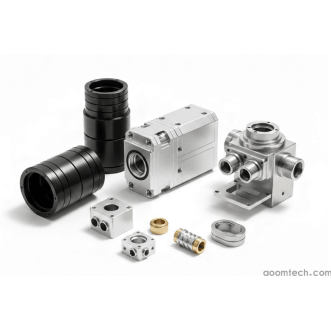
Examples include engine parts, mechanical joints, and electronic housings.
Aesthetic Prototypes
These prototypes focus on appearance and design. They help designers evaluate shape, color, and user experience.
They are often used for consumer products like smartphones or household items.
Proof-of-Concept Prototypes
These are early-stage models used to test whether an idea is workable. They are simple but useful for validating design direction and attracting investors.
Material Considerations in CNC Prototype Machining Services
Metals
Metals are widely used because of their strength and durability. Aluminum is lightweight and easy to machine, while steel provides high strength. Titanium offers excellent strength-to-weight ratio and corrosion resistance.
Each metal requires specific cutting tools and machining settings to ensure quality results.
Plastics
Plastics are cost-effective and easy to machine. They are often used for visual models and lightweight functional parts.
However, care must be taken to avoid melting or deformation during machining due to heat.
Composites
Composite materials offer high strength and low weight. They are used in aerospace and advanced engineering applications.
Special cutting tools are required to prevent fiber damage or material separation.
Quality Control in CNC Prototype Machining Services
In-Process Inspection
During machining, continuous inspection ensures that dimensions and surface quality meet requirements. If any issue is found, corrections are made immediately.
This helps reduce waste and improves production efficiency.
Final Inspection
After machining is complete, a final inspection is performed. This includes checking dimensions, surface finish, and functionality using precise measurement tools like CMM systems.
Parts that do not meet standards may be reworked or rejected.
How to Choose a CNC Prototype Machining Service Provider
Experience and Expertise
When selecting a provider, experience matters. A company with industry knowledge can better understand design challenges and material behavior.
It is helpful to review case studies and customer feedback before making a decision.
Equipment and Technology
Modern CNC machines, multi-axis systems, and advanced software improve machining quality and efficiency.
A good provider invests in updated technology to handle complex designs.
Quality Assurance and Customer Service
A reliable provider should have strong quality control systems and clear communication. Regular updates, technical support, and attention to detail are important for successful collaboration.
This is especially important when working on complex or high-value prototypes.
This step is key in choosing a CNC prototype machining service provider that fits your project needs.
Conclusion: Leveraging CNC Prototype Machining Services
CNC prototype machining is a powerful tool for modern product development. It helps transform ideas into real products with high accuracy, speed, and flexibility.
From design and programming to machining and quality control, each step is important in producing reliable prototypes.
To succeed, companies should clearly define their requirements, select the right materials, and work closely with experienced machining providers.
By using CNC Prototype Machining Services effectively, businesses can reduce risks, improve product quality, and bring innovations to market faster.
RELATED PRODUCTS
-
Medical Brass CNC Machining Parts
-
Precision CNC Machining PEEK Services
-
Precision Custom CNC Machined Car Parts
-
cnc machining optical housings
-
Precision CNC Casting Machining Services
-
Precision Gear CNC Machining Services
-
Precision Stainless Steel Parts CNC Mach
-
CNC Machining of Precision Aluminum Tube
-
CNC Machining of Large Precision Aluminu
-
CNC Machining & Manufacturing of Pre