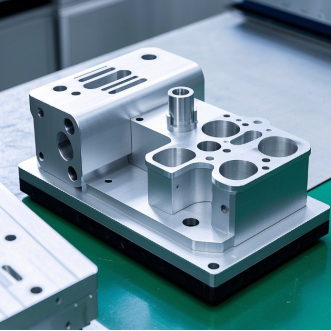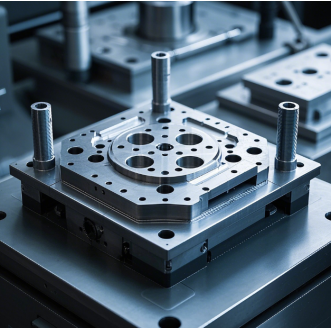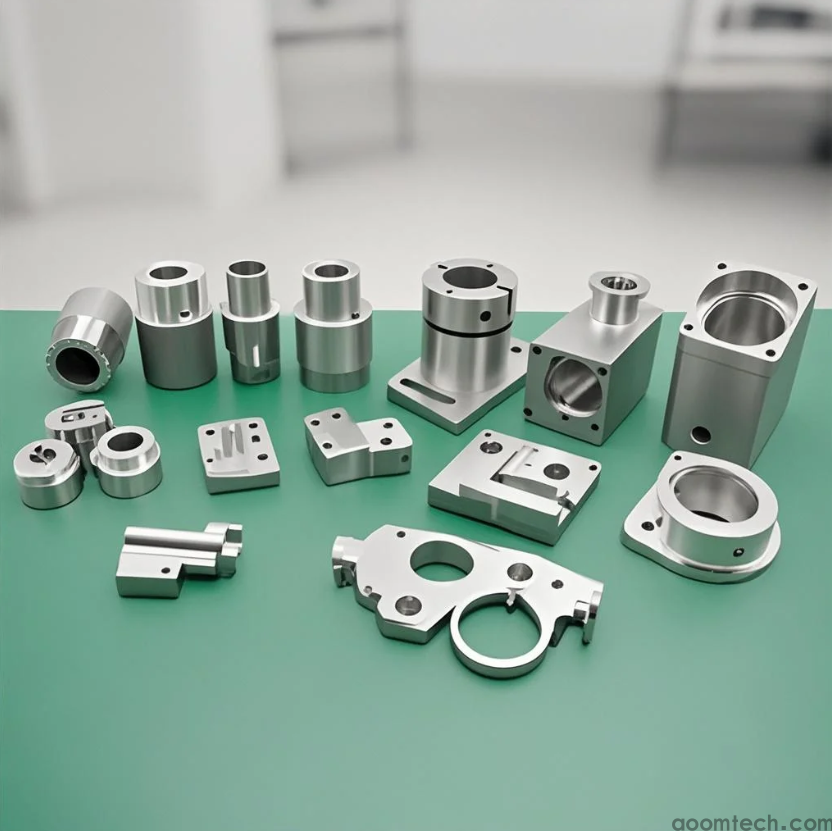
CNC Small Batch Machining for Aluminum Components Services
CNC Small Batch Machining for Aluminum Components Services play an important role in modern manufacturing. They help companies produce high-quality aluminum parts in small quantities with precision, speed, and flexibility. This is especially useful for industries that need custom parts, prototypes, or limited production runs.
Introduction to CNC Small-Batch Machining for Aluminum Components Services
CNC (Computer Numerical Control) machining is a manufacturing process where computer-controlled machines cut and shape materials into precise parts. When applied to aluminum components in small batches, it allows manufacturers to produce accurate parts without the need for large-scale production setups.
The Significance of Such Services
Aluminum is widely used in industries such as automotive, aerospace, electronics, and consumer products. It is lightweight, strong, corrosion-resistant, and cost-effective. Because of these properties, aluminum is ideal for both functional and structural parts.
Small-batch CNC machining is important because it provides flexibility. Companies can produce limited quantities for testing, prototyping, or niche markets without investing in expensive mass production.
For example, in the automotive industry, custom aluminum parts are often made for high-performance vehicles. In electronics, small batches of aluminum enclosures are produced for new devices before full-scale production begins.
Advantages of CNC Small-Batch Machining for Aluminum Components
High Precision
CNC machining is known for its high accuracy. Computer-controlled systems ensure each aluminum component is produced with tight tolerances and consistent quality. This is especially important in industries like aerospace, where even small errors can affect safety and performance.
For example, aluminum brackets and fittings used in aircraft must meet strict dimensional requirements. CNC machines ensure that every piece in a small batch is identical and meets engineering standards.
Flexibility and Customization
One of the biggest advantages of small-batch CNC machining is flexibility. Designs can be easily adjusted without major changes to production systems. This allows manufacturers to create customized aluminum parts based on specific customer needs.
For instance, companies can produce personalized aluminum casings for electronics or unique components for industrial machines. This level of customization supports innovation across different industries.
Cost-Effectiveness for Small Quantities
Small-batch CNC machining reduces the need for large upfront investments. Unlike mass production, it avoids high inventory costs and minimizes material waste. Only the required number of parts is produced, which helps control expenses.
This is especially useful for startups or companies testing new product ideas. They can produce small quantities without committing to expensive production runs.
Quick Turnaround Time
Once the CNC program is prepared, machining can be done quickly and efficiently. Automated processes reduce production time and allow faster delivery of aluminum components.
This is important for industries that need rapid prototyping or fast product development cycles, such as consumer electronics or fashion accessories.
The Process of CNC Small-Batch Machining for Aluminum Components
Design and Engineering
The process begins with CAD (Computer-Aided Design) software. Engineers create detailed 3D models of aluminum parts based on functional and structural requirements. These designs are carefully optimized for CNC machining.
Proper design is critical. Errors at this stage can lead to production delays, increased costs, or unusable parts.
Material Preparation
High-quality aluminum materials are selected based on the project requirements. Aluminum may come in bars, sheets, or extrusions. The choice depends on the part’s shape, strength needs, and application.
Different aluminum alloys offer different properties. For example, some alloys provide higher strength, while others offer better machinability or corrosion resistance.
CNC Programming
The CAD model is converted into CNC instructions using CAM (Computer-Aided Manufacturing) software. These instructions define tool paths, cutting speeds, and feed rates.
Accurate programming is essential. Incorrect settings can result in poor surface finish, incorrect dimensions, or damaged components.
Machining Operations
Milling
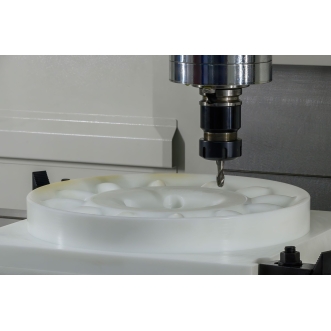
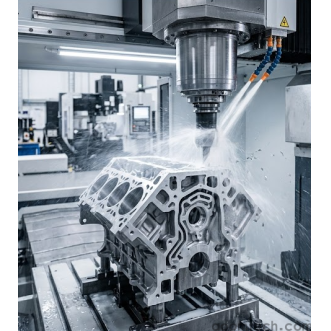
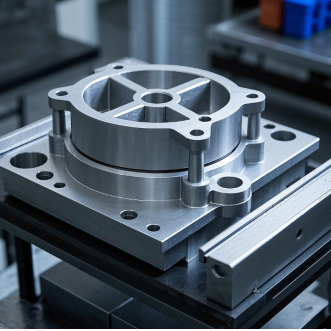
Milling uses rotating cutting tools to remove material from aluminum blocks. It can create flat surfaces, holes, and complex shapes. Aluminum is soft compared to other metals, so higher speeds and efficient chip removal are often used.
Turning
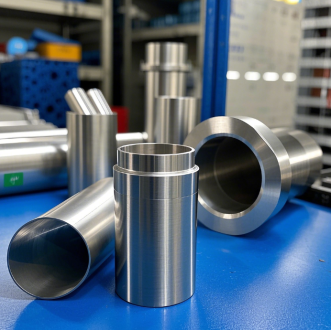
Turning is used for cylindrical parts. The aluminum workpiece rotates while a cutting tool shapes it. This process is commonly used for shafts, bushings, and round components.
Drilling and Boring
Drilling creates holes in aluminum parts, while boring refines them to precise sizes. These operations are essential for assembly and fastening. Accuracy in hole placement is critical for proper fit and function.
Quality Control
Quality control ensures every aluminum component meets required specifications. Measurements are taken using precision tools such as calipers and micrometers. Surface quality and dimensional accuracy are checked throughout production.
If defects are found, the root cause is identified and corrected to prevent further issues in the batch.
Finishing and Post-Processing
After machining, aluminum parts may undergo finishing processes such as deburring, polishing, or anodizing. These improve appearance, durability, and corrosion resistance.
Anodizing is especially common for aluminum because it creates a protective surface layer that enhances both strength and visual quality.
Considerations When Choosing CNC Small-Batch Machining Services
Service Provider's Experience
Experience is one of the most important factors when selecting a machining service provider. Skilled providers understand how to handle aluminum machining challenges such as heat control and material deformation.
Reviewing past projects, customer feedback, and industry experience can help evaluate their capability.
Quality Assurance Measures
A reliable provider should have strong quality control systems in place. This includes in-process inspections and final product testing.
Certifications such as ISO 9001 indicate that the company follows standardized quality management practices. This increases trust and reliability.
Range of Services and Capabilities
A good machining provider should offer multiple services, including design support, machining, finishing, and prototyping. This ensures smoother production and fewer delays.
Having all services under one provider reduces communication errors and improves efficiency.
Cost and Pricing Structure
Cost is important, but it should not be the only factor. It is necessary to compare pricing structures carefully, including material costs, machining fees, and finishing charges.
Choosing the lowest price may reduce quality, so businesses should focus on overall value rather than just cost.
Conclusion
CNC Small Batch Machining for Aluminum Components Services provide an efficient and flexible solution for modern manufacturing needs. They combine precision, customization, and cost-effectiveness, making them suitable for a wide range of industries.
Understanding the advantages of CNC small-batch aluminum machining services, the process of CNC small-batch machining for aluminum components, and the considerations in choosing CNC small-batch aluminum component machining services helps businesses make better decisions.
By selecting an experienced and reliable service provider, companies can ensure high-quality results, faster production cycles, and better product performance in competitive markets.
RELATED PRODUCTS
-
Medical Brass CNC Machining Parts
-
Precision CNC Machining PEEK Services
-
Precision Custom CNC Machined Car Parts
-
cnc machining optical housings
-
Precision CNC Casting Machining Services
-
Precision Gear CNC Machining Services
-
Precision Stainless Steel Parts CNC Mach
-
CNC Machining of Precision Aluminum Tube
-
CNC Machining of Large Precision Aluminu
-
CNC Machining & Manufacturing of Pre