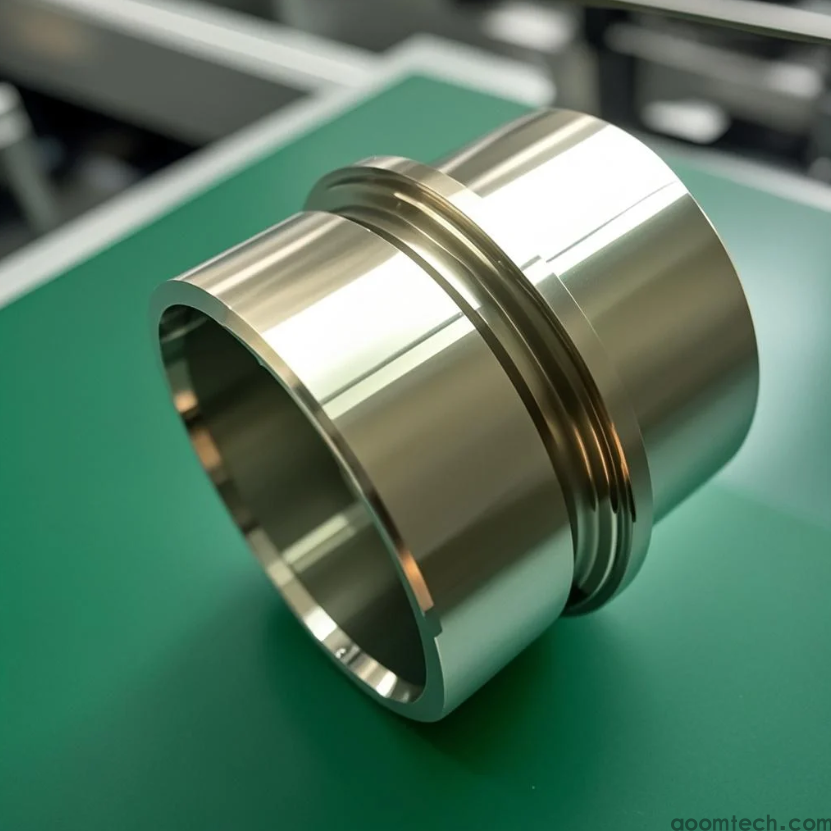
CNC Stainless Steel Pipe Fittings Services
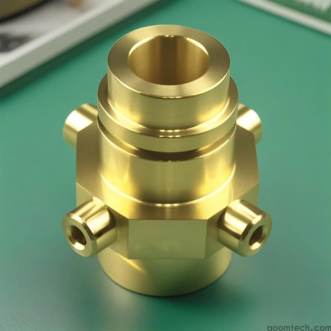
CNC Stainless Steel Pipe Fittings Services refer to the precision manufacturing of pipe connectors made from stainless steel using computer-controlled CNC (Computer Numerical Control) machines. These services are widely used in industries where safe, accurate, and leak-free fluid transport is required. With modern CNC technology, manufacturers can produce highly accurate fittings that meet strict industrial standards.
Introduction to CNC Stainless Steel Pipe Fittings Services
Importance of Stainless Steel Pipe Fittings
Stainless steel pipe fittings are essential components in many industries such as plumbing, oil and gas, chemical processing, marine systems, and food production. They are used to connect pipes, change flow direction, and control the movement of liquids and gases.
High-quality fittings ensure stable and leak-free connections. For example, in food processing plants, stainless steel fittings help maintain hygiene and prevent contamination. In oil and gas systems, they ensure safe and continuous fluid transfer under high pressure.
Significance of CNC Machining for Stainless Steel Pipe Fittings
High Precision
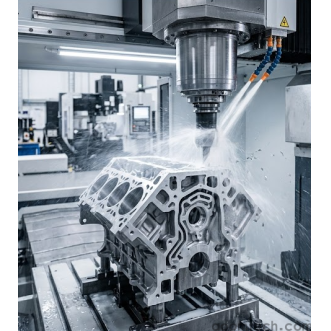
CNC machining allows manufacturers to produce stainless steel pipe fittings with extremely tight tolerances. This precision ensures that each fitting connects perfectly with pipes, reducing the risk of leaks, pressure loss, and system failure.
Without precise machining, even small dimensional errors can lead to serious problems such as fluid leakage or unsafe pressure conditions in industrial systems.
Customization
One of the key advantages of CNC Stainless Steel Pipe Fittings Services is customization. Different projects require different shapes, sizes, and connection types. CNC machining makes it possible to produce fittings tailored to specific engineering needs.
For example, chemical plants may require special-shaped fittings to fit complex pipeline layouts, which cannot be achieved with standard mass-produced parts.
Related long-tail keyword: choosing a provider for CNC stainless-steel pipe fittings
Material Optimization
CNC machining helps optimize stainless steel material usage by removing only the necessary material with high accuracy. This reduces waste and improves cost efficiency while maintaining strength and durability.
Different stainless steel grades such as 304, 316, or duplex stainless steel can be selected depending on the application. For example, marine environments often require higher corrosion resistance materials like 316 stainless steel.
CNC Machining Processes for Stainless Steel Pipe Fittings
Turning
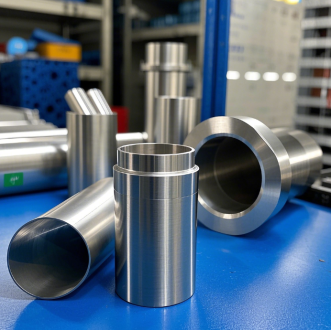
Turning is a core process used in CNC turning for stainless-steel pipe fittings. In this process, the stainless steel workpiece rotates while a cutting tool shapes it into cylindrical forms.
This method is commonly used for producing couplings, nipples, and other round-shaped fittings. Proper control of spindle speed, feed rate, and cutting depth ensures smooth surface finish and accurate dimensions.
Milling
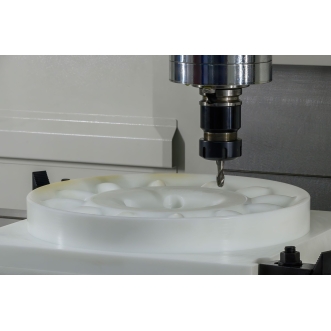
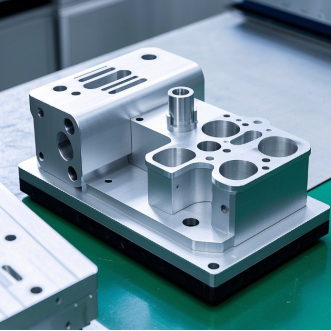
Milling is used to create flat surfaces, grooves, and complex geometries in pipe fittings. For example, flange faces are often milled to ensure proper sealing surfaces.
Special carbide tools are typically used for stainless steel due to its hardness. Correct machining parameters are important to avoid tool wear and maintain surface quality.
Drilling and Tapping
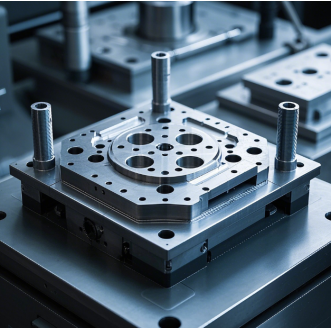
Drilling is used to create precise holes for bolts or fluid pathways, while tapping is used to form internal threads inside these holes.
Accurate drilling and threading are critical for ensuring strong mechanical connections and leak-free performance. Because stainless steel can harden during machining, proper cooling and tool selection are essential.
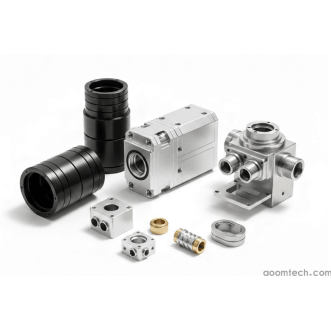
Types of CNC-Machined Stainless Steel Pipe Fittings
Couplings
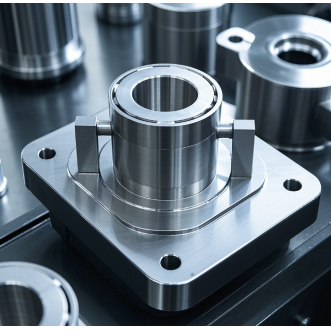
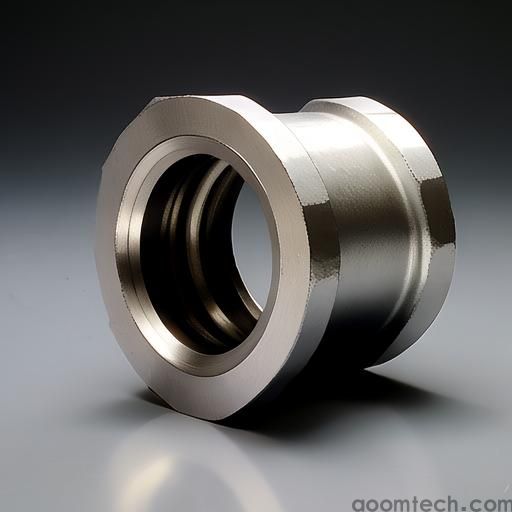
Couplings are used to connect two pipes in a straight line. They are available in different types such as sleeve couplings and compression couplings.
Precision machining ensures tight sealing surfaces and accurate internal diameters, which are essential for stable pipe connections.
Related long-tail keyword: types of CNC-machined stainless-steel fittings
Elbows
Elbows are used to change the direction of fluid flow in piping systems. Common angles include 45° and 90° elbows.
CNC machining ensures smooth internal surfaces, reducing flow resistance and improving system efficiency.
Flanges
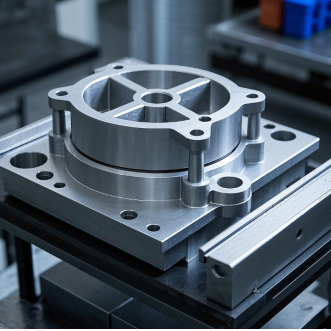
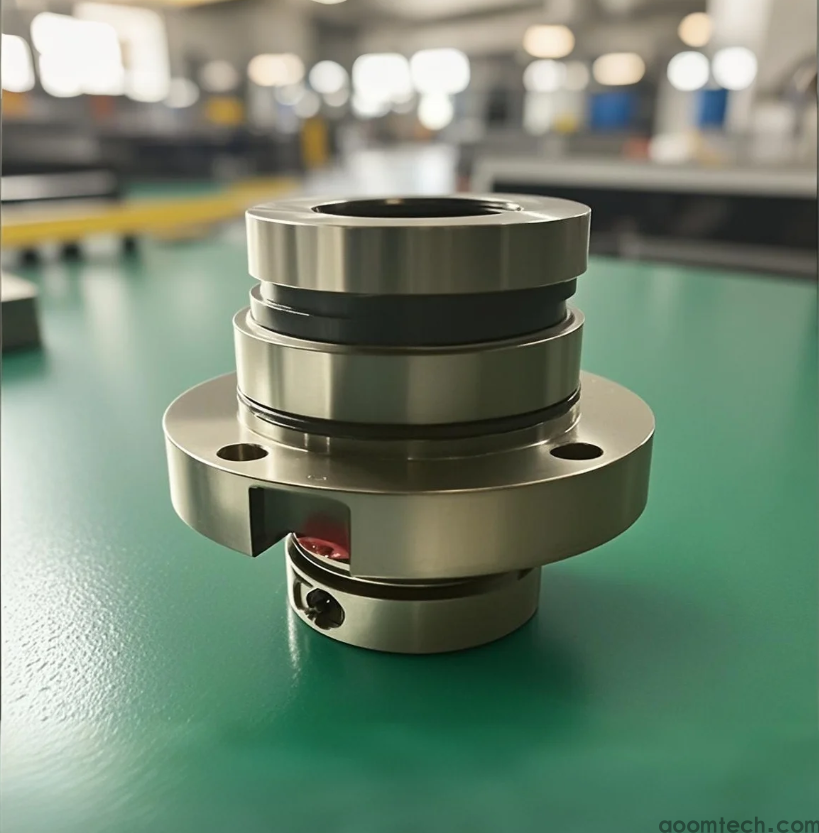
Flanges are used to connect pipes, valves, and equipment. They are critical for systems requiring easy assembly and disassembly.
CNC machining ensures accurate bolt-hole alignment and flat sealing surfaces, which are essential for preventing leaks under pressure.
Choosing a CNC Stainless Steel Pipe Fittings Service Provider
Technical Expertise
A reliable provider of CNC Stainless Steel Pipe Fittings Services should have strong technical knowledge in stainless steel machining, CNC programming, and industry standards.
Evaluating case studies, reviewing past projects, and checking sample parts can help assess their technical capability.
Quality Assurance
A strong quality control system is essential for producing reliable fittings. Providers should use precision measuring tools such as calipers, micrometers, and thread gauges to ensure accuracy.
Quality assurance typically includes in-process inspections and final product testing to ensure all fittings meet required standards and performance expectations.
Cost-effectiveness and Lead Times
While cost is important, it should not compromise quality. A good provider balances competitive pricing with high manufacturing standards.
Reliable lead times are also critical. Delays in pipe fitting delivery can affect entire engineering projects, so it is important to choose a provider with proven on-time delivery performance.
Conclusion
CNC Stainless Steel Pipe Fittings Services play a vital role in modern industrial systems where precision, durability, and reliability are required. From couplings and elbows to flanges, CNC machining ensures each component meets strict engineering standards.
By understanding processes, material selection, and quality requirements, businesses can make better decisions when selecting a manufacturing partner. Choosing the right provider ensures safe, efficient, and long-lasting piping systems across all industries.
RELATED PRODUCTS
-
Medical Brass CNC Machining Parts
-
Precision CNC Machining PEEK Services
-
Precision Custom CNC Machined Car Parts
-
cnc machining optical housings
-
Precision CNC Casting Machining Services
-
Precision Gear CNC Machining Services
-
Precision Stainless Steel Parts CNC Mach
-
CNC Machining of Precision Aluminum Tube
-
CNC Machining of Large Precision Aluminu
-
CNC Machining & Manufacturing of Pre