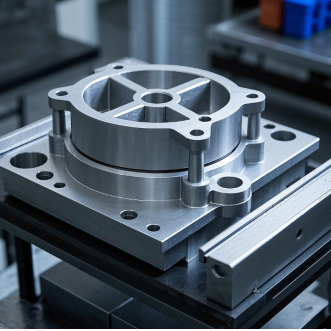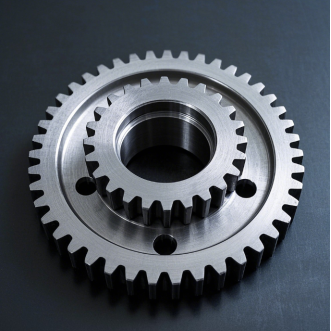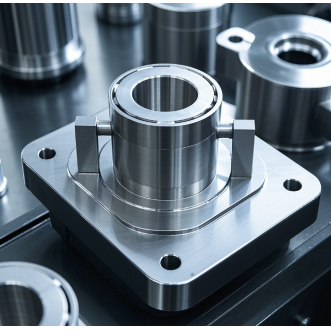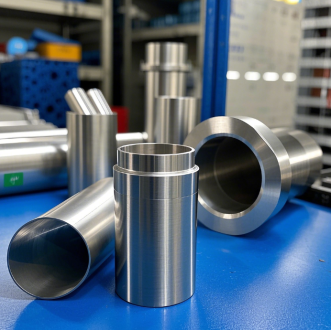
CNC Turning Machined Parts Services
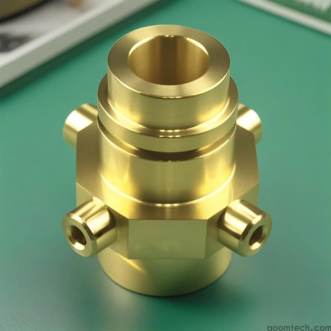
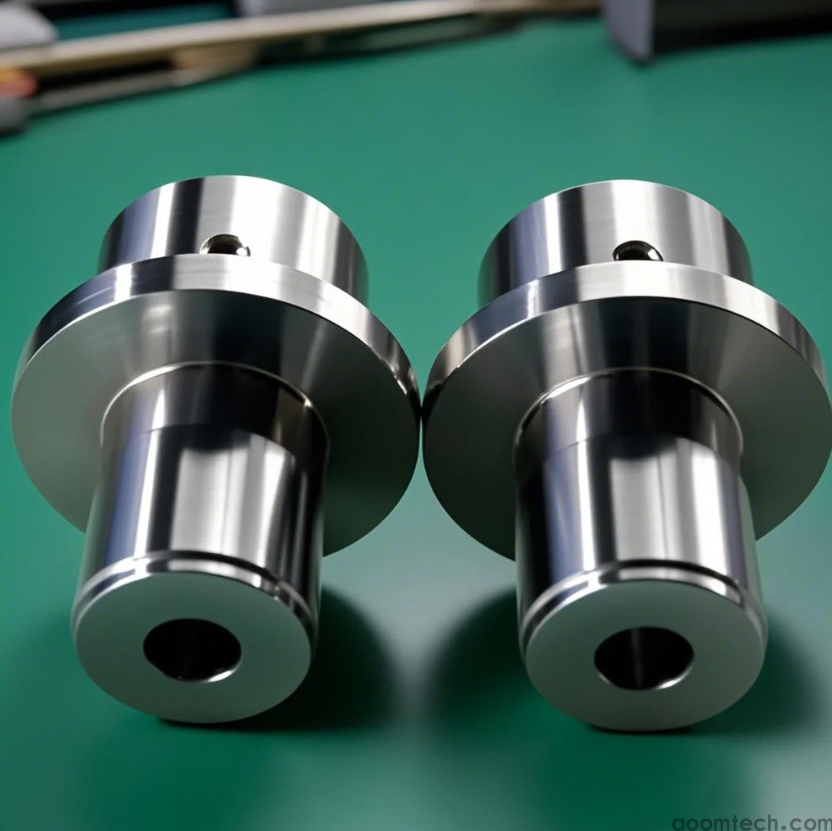
CNC turning machined parts services play an important role in modern manufacturing. They are used to produce precise cylindrical components that are required in many industries such as automotive, aerospace, medical devices, and industrial machinery. These services rely on computer-controlled lathes to shape raw materials into accurate and functional parts.
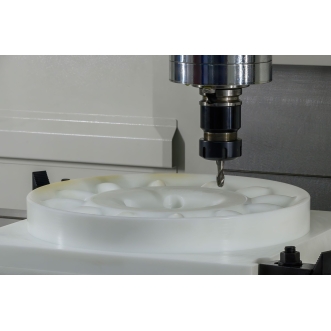
In simple terms, CNC turning is a machining process where a cutting tool removes material from a rotating workpiece. This allows manufacturers to create highly accurate round or tubular parts. As global industries demand higher precision and faster production, CNC Turning Machined Parts Services have become essential for delivering reliable and consistent components.
The Significance of CNC Turning in Machined Parts Production
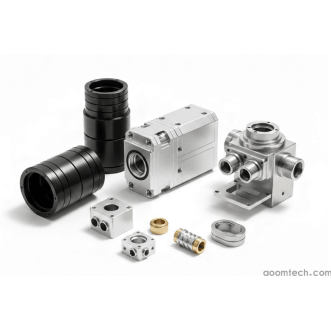
CNC turning is especially important for producing parts with cylindrical or rotational symmetry. Components such as shafts, bolts, bushings, and hydraulic fittings are commonly made using this method. Without CNC turning, producing these parts with consistent accuracy would be difficult and time-consuming.
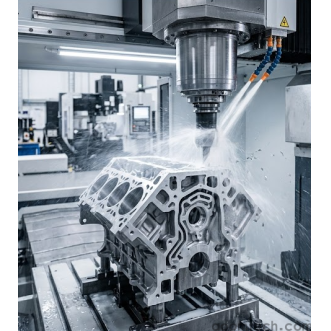
These services support industries where safety and performance are critical. For example, in automotive engines, even small dimensional errors can affect efficiency and durability. CNC turning machined parts services help ensure that each component meets strict engineering standards, supporting the proper functioning of complex systems.
Advantages of CNC Turning for Machined Parts
High Precision in Cylindrical Shapes
CNC turning is known for its ability to achieve extremely high precision. The computer-controlled system ensures consistent diameter, roundness, and surface finish across all produced parts.
For example, in an automotive engine crankshaft, precise dimensions are essential for smooth rotation and reduced friction. CNC turning ensures that each crankshaft meets exact specifications, improving engine performance and reducing wear over time.
Complex Feature Machining
Another major advantage is the ability to produce complex features on cylindrical parts. CNC turning can create threads, grooves, tapers, and custom profiles with high accuracy.
For instance, an aerospace component may require deep internal threads and tapered sections to connect with other systems. CNC turning allows engineers to produce such complex designs without sacrificing precision or strength.
Efficiency in Batch Production
CNC turning is highly efficient for batch production. Once the program is set, the machine can continuously produce identical parts with minimal variation.
For example, a manufacturing supplier producing thousands of metal shafts can rely on CNC turning to maintain consistent quality across all units. This reduces production time and ensures stable supply for large-scale demand.
Process of CNC Turning in Machining Parts
Design and CAD/CAM Programming
The process begins with design using CAD (Computer-Aided Design) software. Engineers create a detailed 3D model that defines dimensions, shapes, and features of the part.
Next, CAM (Computer-Aided Manufacturing) software converts the design into machine instructions. These instructions define tool paths, cutting speeds, spindle speeds, and feed rates.
For example, when designing a hydraulic cylinder, engineers must carefully program internal bore dimensions and surface finish requirements to ensure smooth hydraulic movement and pressure resistance.
Material Selection and Preparation
Material selection is a key step in CNC turning machined parts services. Common materials include stainless steel, aluminum, brass, and engineering plastics. Each material has different hardness, strength, and machinability.
Before machining, raw material is cut and prepared to the required size. Some materials may also require heat treatment or straightening to improve machining performance.
For example, harder steel requires slower cutting speeds and stronger cutting tools, while aluminum allows faster machining but requires careful control to avoid surface defects.
Turning Operations
External Turning
External turning removes material from the outer surface of a rotating workpiece. It is used to achieve the correct diameter and smooth surface finish. Carbide cutting tools are commonly used for durability and precision.
Internal Turning (Boring)
Internal turning, also known as boring, is used to enlarge or refine internal holes. This process requires precise tool alignment to ensure correct diameter and concentricity.
Thread Cutting
Thread cutting produces internal or external threads using specialized tools. Accurate control of pitch and depth is necessary to ensure proper fit between connected components.
Quality Inspection
Quality inspection ensures that all parts meet required standards. Tools such as micrometers, calipers, and optical measuring systems are used to check dimensions and surface quality.
For example, during production, if a part is found to be slightly out of tolerance, adjustments can be made immediately to the machine settings. This prevents large-scale production of defective parts and improves overall efficiency.
Benefits of CNC - Turned Machined Parts
Enhanced Product Performance
High-precision CNC turning improves the performance of mechanical systems. Well-machined parts reduce vibration, increase durability, and improve overall efficiency.
For example, in high-speed rotating machinery, accurately turned components help maintain balance and reduce mechanical stress.
Cost-Effectiveness for Medium to Large Batches
Although CNC setup requires initial programming, it becomes highly cost-effective for medium and large production runs. Once production begins, unit cost decreases significantly.
Manufacturers benefit from reduced waste, fewer errors, and lower rework costs, making CNC turning a practical choice for mass production.
Customization for Specialized Needs
CNC turning allows full customization based on design requirements. Engineers can modify shapes, dimensions, and material selection to meet specific applications.
For example, in the medical industry, custom precision parts for surgical devices can be manufactured with strict tolerances and biocompatible materials.
Challenges in CNC Turning Machined Parts Services
Tool Wear and Breakage
During machining, cutting tools are exposed to continuous friction and heat. Hard materials can cause rapid tool wear or even breakage, increasing production costs.
For example, machining high-strength alloys may require frequent replacement of carbide inserts, which can slow down production and increase expenses.
Maintaining Dimensional Accuracy in Long-Run Production
Over long production runs, maintaining consistent accuracy becomes challenging. Tool wear, heat buildup, and material variation can affect final dimensions.
Manufacturers often use coolant systems and automatic compensation settings to maintain stable precision throughout the process.
Complex Programming for Intricate Features
Advanced parts with detailed threading or multi-step geometries require highly accurate programming. Even small errors in code can lead to defective parts.
For example, incorrect thread pitch programming may result in parts that cannot fit their mating components, requiring rework or scrapping.
Choosing a CNC Turning Machined Parts Service Provider
Experience in CNC Turning
When selecting a provider, experience is one of the most important factors. An experienced company understands machining parameters, tooling choices, and material behavior.
For example, skilled providers can solve complex machining challenges in aerospace or automotive projects, ensuring high reliability and performance.
Quality Assurance and Certifications
A reliable provider should have strong quality control systems and recognized certifications such as ISO 9001. This ensures consistent production quality and traceable processes.
Certified companies use calibrated inspection tools and follow strict quality procedures, giving customers confidence in product reliability.
Cost-Effectiveness and Pricing Transparency
Pricing should be competitive but also transparent. Customers should clearly understand costs related to materials, machining time, tooling, and finishing.
When comparing providers, it is important to evaluate not only price but also quality consistency, delivery time, and after-sales support.
Conclusion: Selecting the Right CNC Turning Service for Machined Parts
CNC turning machined parts services are essential for producing accurate, durable, and high-performance components across many industries. From design and programming to machining and inspection, every step plays a crucial role in ensuring final product quality.
Key benefits include high precision, efficient batch production, and strong customization capabilities. However, challenges such as tool wear, programming complexity, and long-run accuracy must also be managed carefully.
When selecting a provider, consider experience, quality assurance systems, and transparent pricing. A well-chosen partner can significantly improve product quality and production efficiency.
Businesses looking for reliable manufacturing solutions should carefully evaluate their options and choose a CNC turning service provider that aligns with their technical and production needs.
RELATED PRODUCTS
-
Medical Brass CNC Machining Parts
-
Precision CNC Machining PEEK Services
-
Precision Custom CNC Machined Car Parts
-
cnc machining optical housings
-
Precision CNC Casting Machining Services
-
Precision Gear CNC Machining Services
-
Precision Stainless Steel Parts CNC Mach
-
CNC Machining of Precision Aluminum Tube
-
CNC Machining of Large Precision Aluminu
-
CNC Machining & Manufacturing of Pre