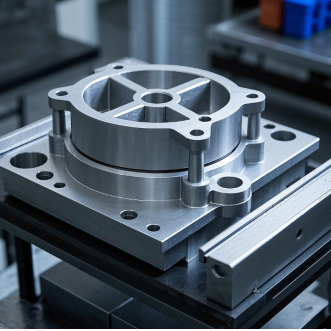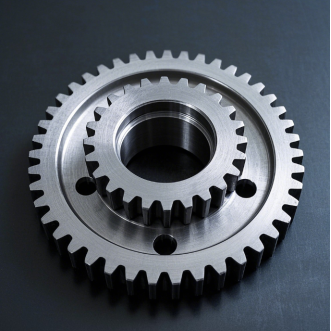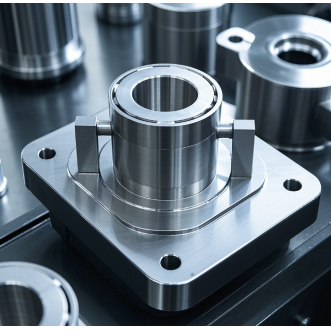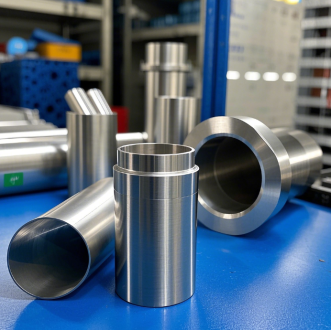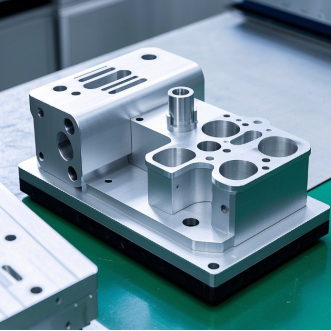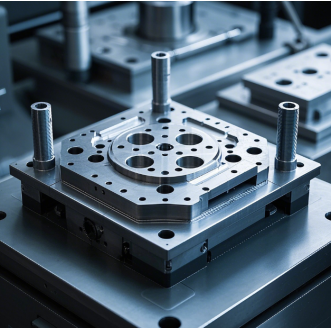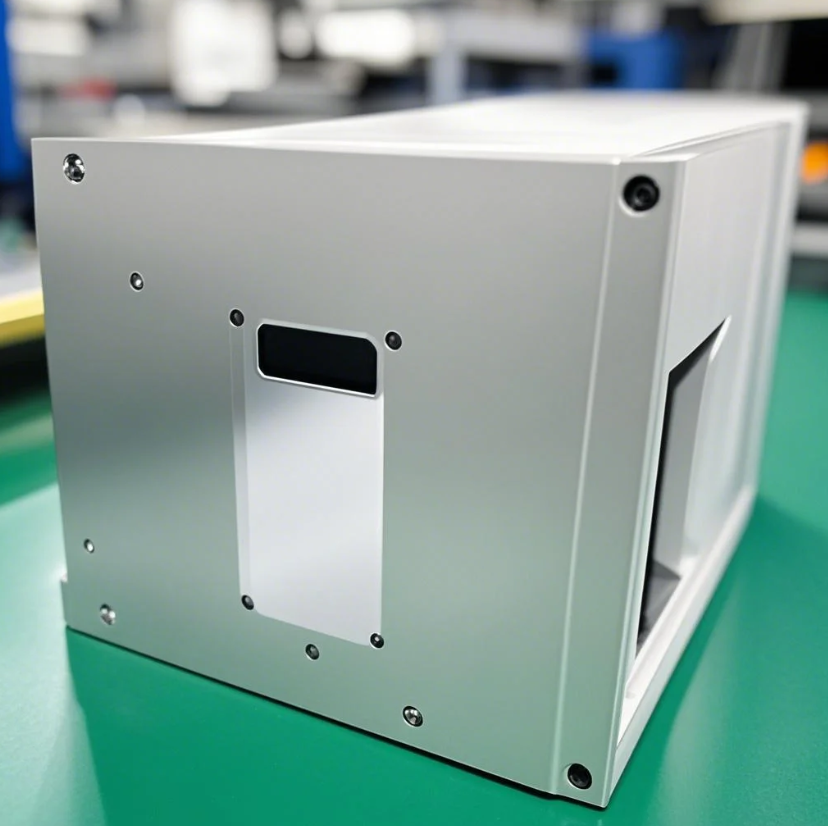
Communication Enclosure CNC Machining
Introduction
The Significance of CNC Machining for Communication Enclosures - CNC (Computer Numerical Control) machining plays an important role in making communication enclosures. These enclosures protect and support communication equipment such as servers, routers, and base station devices. With CNC machining, manufacturers can produce strong, accurate, and reliable enclosures that help communication systems run smoothly and safely.
Significance of CNC Machining for Communication Enclosures
Precision Manufacturing for Functionality
CNC machining allows very high precision in producing communication enclosures. These enclosures often need exact holes, grooves, and internal structures for mounting electronic parts, connecting cables, and cooling systems. Even a small error can affect performance.
For example, in a 5G base station enclosure, precise holes for cable connections and accurately shaped heat-dissipation channels are critical. CNC machining ensures these features match the design perfectly, helping the base station work stably in real conditions.
Meeting Diverse Material Requirements
Communication enclosures can be made from different materials such as aluminum alloy, stainless steel, and engineering plastics. CNC machining can process all these materials with high accuracy.
Aluminum alloy is widely used because it helps heat dissipation. Stainless steel is used for harsh outdoor environments. Each material affects machining settings such as cutting speed and tool selection. CNC systems can adjust these settings to ensure good results without damaging the material.
Process of CNC Machining Communication Enclosures
Design and Programming
The process begins with CAD (Computer-Aided Design), where engineers create a 3D model of the communication enclosure. The design considers size, function, cooling needs, and installation requirements.
Next, CAM (Computer-Aided Manufacturing) software converts the design into machine instructions. These instructions include toolpaths, spindle speed, feed rate, and cutting depth.
For example, a server chassis enclosure with multiple internal mounting points requires careful programming to ensure all parts align correctly during assembly. Complex designs may need multi-axis machining strategies to achieve accurate results.
Material Preparation
Before machining, the raw material must be selected and prepared. This includes cutting it into suitable sizes and checking for defects.
For aluminum alloy materials, internal quality is important because hidden defects can affect the strength and precision of the final enclosure. Proper preparation ensures stable machining and better product quality.
Machining Operations
Milling
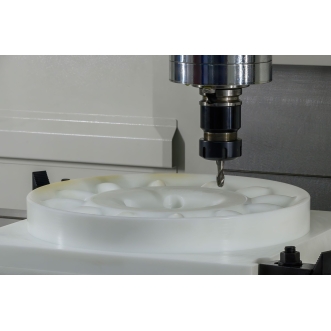
Milling is used to create flat surfaces, slots, and complex shapes in communication enclosures. Carbide milling cutters are commonly used. For aluminum, higher spindle speeds are often applied to achieve smoother surfaces.
Drilling
Drilling is used to create precise holes for screws, cables, and ventilation. Proper feed rate and cooling are important to avoid tool damage and ensure clean holes.
Turning (if applicable)
If the enclosure includes cylindrical shapes, turning operations may be used. This requires precise control to ensure smooth surfaces and accurate dimensions for proper assembly.
Quality Control and Inspection
Quality control ensures that every communication enclosure meets design standards. Tools such as calipers, micrometers, and CMM (Coordinate Measuring Machine) are used to check dimensions.
For example, if a CMM detects a small deviation in a server enclosure, engineers can adjust the machining parameters immediately to correct the issue before mass production continues.
Benefits of CNC - Machined Communication Enclosures
High-Quality and Consistent Output
CNC machining ensures that every enclosure is produced with consistent quality. This is important for large systems where many enclosures must fit and function the same way.
For example, batches of router enclosures produced by CNC machining show consistent structure and performance, helping maintain stable network systems.
Cost-Effectiveness for Volume Production
Once the CNC program is set, machines can produce large quantities efficiently. This reduces labor cost and increases production speed, making it cost-effective for mass production.
Many manufacturers use CNC machining to produce communication enclosures in large volumes while keeping quality stable and costs under control.
Flexibility in Design and Customization
CNC machining allows quick design changes. Engineers can update the digital program to produce new enclosure versions without rebuilding production systems.
For example, when a company updates a product design, only the CNC program needs to be changed, allowing fast adaptation to new requirements.
Challenges in CNC Machining Communication Enclosures
Meeting High-Precision Requirements
Communication enclosures often require very tight tolerances. Factors like tool wear, machine vibration, and heat can affect accuracy.
For example, tool wear may cause slight size errors. Regular tool inspection and parameter adjustments help maintain precision.
Material-Related Challenges
Different materials behave differently during machining. Stainless steel is hard and difficult to cut, while plastics may melt or deform if heat is not controlled.
Using proper cutting tools and adjusting speed helps solve these problems and ensures stable machining quality.
Complex Geometries and Multi-Axis Machining
Some communication enclosures have complex shapes, especially for heat dissipation structures. These require multi-axis CNC machines.
Careful programming is needed to coordinate movements and ensure all features are accurately formed without errors.
Applications of CNC - Machined Communication Enclosures
Telecommunication Base Stations
CNC-machined enclosures are widely used in 5G base stations. They protect sensitive electronic parts and help manage heat during continuous operation in outdoor environments.
Data Centers (Servers, Switches, etc.)
In data centers, enclosures are used for servers and network switches. They support airflow, cable management, and component protection. CNC machining ensures precise internal structure for reliable system performance.
Consumer Communication Devices
CNC-machined enclosures are also used in routers, tablets, and other communication devices. They help achieve lightweight design, durability, and attractive appearance while protecting internal components.
Conclusion: Leveraging CNC Machining for Superior Communication Enclosures
Summary and Key Takeaways - Communication Enclosure CNC Machining is essential for producing high-precision, durable, and efficient enclosures used in modern communication systems. It supports accurate manufacturing, flexible design, and large-scale production while also presenting challenges such as material behavior and precision control.
By understanding the significance of CNC machining for communication enclosures, the process of CNC machining communication enclosures, the benefits of CNC-machined communication enclosures, and the applications of CNC-machined communication enclosures, manufacturers can improve product quality and efficiency.
For companies involved in communication equipment manufacturing, adopting CNC machining is a practical and effective solution for achieving reliable and high-performance enclosure production.
RELATED PRODUCTS
-
Medical Brass CNC Machining Parts
-
Precision CNC Machining PEEK Services
-
Precision Custom CNC Machined Car Parts
-
cnc machining optical housings
-
Precision CNC Casting Machining Services
-
Precision Gear CNC Machining Services
-
Precision Stainless Steel Parts CNC Mach
-
CNC Machining of Precision Aluminum Tube
-
CNC Machining of Large Precision Aluminu
-
CNC Machining & Manufacturing of Pre