Complex Parts CNC Machining
Introduction to Complex Parts CNC Machining
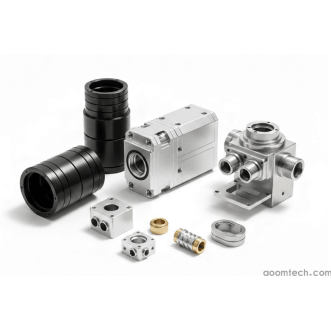
Complex Parts CNC Machining refers to the manufacturing process of producing parts with intricate shapes, multiple features, or very tight tolerance requirements using CNC (Computer Numerical Control) machines. These parts are commonly used in industries such as aerospace, automotive, medical devices, robotics, and energy systems.
In modern manufacturing, CNC technology has become essential because it offers high precision, repeatability, and flexibility. Without CNC machining, producing complex geometries with consistent quality would be very difficult and expensive.
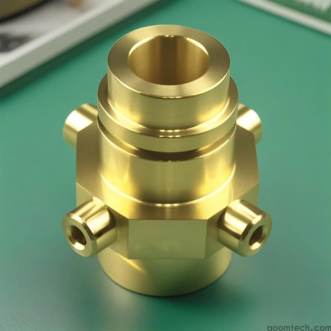
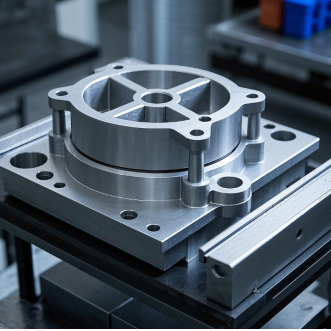
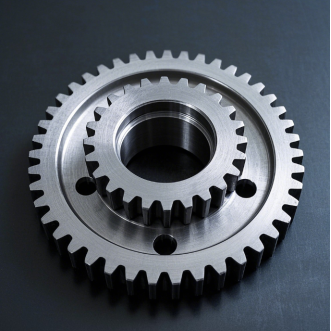
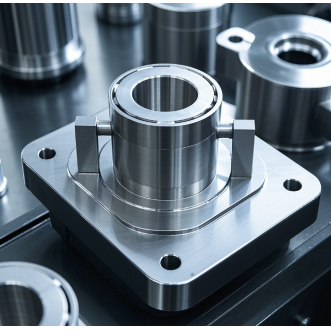
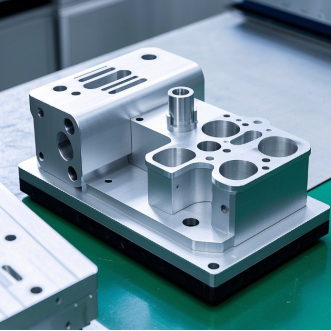
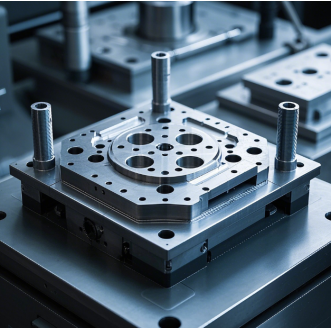
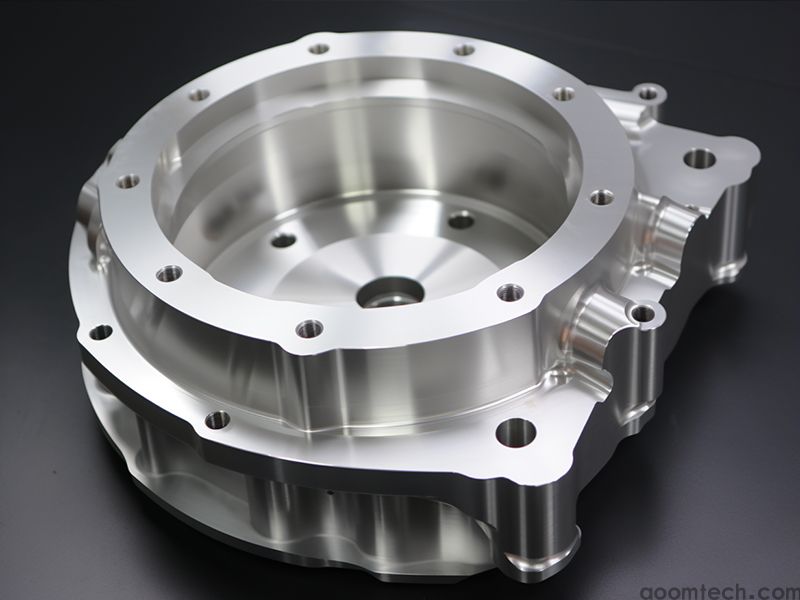
What are Complex Parts in CNC Machining? Complex parts are components that have detailed structures such as deep cavities, thin walls, curved surfaces, fine holes, or multiple machining features in one design. These parts often require high accuracy and careful control during production to ensure they function correctly in real-world applications.
Advantages of CNC Machining for Complex Parts
High Precision Manufacturing
One of the main advantages of CNC machining for complex parts is its high precision. CNC machines are controlled by computer programs, which means every movement of the cutting tool is calculated and accurate. This allows manufacturers to achieve very tight tolerances and detailed structures.
For example, in aerospace engineering, engine components must meet extremely strict accuracy standards. Even a small error can affect safety and performance. CNC machining reduces human error and ensures that each part matches the required design exactly.
Design Flexibility
CNC machining provides excellent design flexibility. Engineers can design parts with complex curves, undercuts, and unusual shapes that would be difficult to produce using traditional methods.
For example, in the medical field, custom implants are designed based on patient-specific needs. CNC machines can produce these unique shapes accurately, helping improve comfort, fit, and medical outcomes.
Consistent Quality
Another key benefit is consistent quality. Once the CNC program is correctly set up, the machine can produce identical parts repeatedly without variation.
This is especially important in mass production. For example, automotive transmission components must be uniform to ensure smooth performance and reliability. Consistent quality also reduces waste and lowers production costs over time.
Challenges in Complex Parts CNC Machining
Complex Programming
One of the main challenges in complex parts CNC machining is programming. Complex geometries require advanced CAD/CAM software skills and careful planning of toolpaths.
If programming errors occur, the result may be defective parts or machine collisions. To reduce risks, manufacturers often use simulation software to test the program before actual machining and rely on experienced CNC programmers for complex projects.
Tooling and Setup
Complex parts often require special tools and fixtures. Because of their unique shapes, standard setups may not be enough.
This increases setup time and cost. However, using modular fixture systems can help reduce setup complexity. In some cases, sharing tooling resources across projects can also improve efficiency and reduce expenses.
Quality Control
Quality control is more difficult for complex parts because of their multiple features and tight tolerances. Advanced inspection tools such as Coordinate Measuring Machines (CMM) are often required.
Strict inspection ensures that defective parts are detected early. This is especially important in industries like electronics and aerospace, where product failure can have serious consequences.
Process of Complex Parts CNC Machining
Design and CAD Modeling
The process begins with creating a detailed 3D model using CAD (Computer-Aided Design) software. This step defines the shape, size, and technical requirements of the part.
Designers must consider functional needs such as strength, heat resistance, and performance. Good CAD practice includes clear labeling, organized layers, and accurate tolerance settings.
CNC Programming
After the design stage, the CAD model is converted into a CNC program using CAM software. This program defines toolpaths, cutting speeds, feed rates, and cutting depth.
For complex shapes, optimizing toolpaths is very important. For example, helical interpolation can be used to machine holes in areas with limited tool access, improving efficiency and surface quality.
Material Selection and Preparation
Choosing the right material is essential in the process of complex parts CNC machining. Materials must meet requirements such as strength, durability, corrosion resistance, or heat resistance.
Once selected, the material is cut and prepared for machining. Harder materials may require stronger cutting tools and slower machining speeds to avoid tool wear and damage.
Machining and Finishing
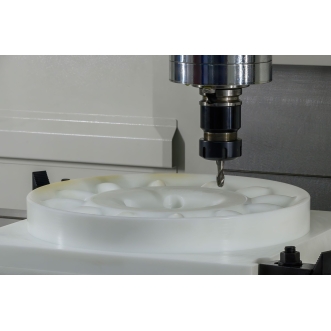
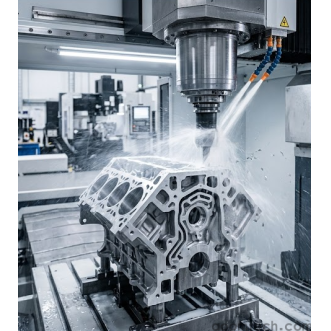
During machining, CNC machines follow programmed instructions to cut and shape the material. Operations may include milling, turning, drilling, or multi-axis machining depending on the part design.
After machining, finishing processes such as polishing, deburring, or coating are applied. These steps improve surface quality and performance. For example, protective coatings can help parts resist corrosion in harsh environments.
Conclusion: Mastering Complex Parts CNC Machining
Complex Parts CNC Machining plays a key role in modern manufacturing. It allows industries to produce highly precise, customized, and reliable components that meet demanding performance standards.
By understanding the advantages of CNC machining for complex parts, the challenges in complex parts CNC machining, and the full process of complex parts CNC machining, manufacturers and engineers can make better decisions and improve production results.
In real-world applications, success depends on careful planning, skilled programming, proper material selection, and strict quality control. For those new to this field, learning from experienced professionals or further studying CNC technology is strongly recommended.
RELATED PRODUCTS
-
Medical Brass CNC Machining Parts
-
Precision CNC Machining PEEK Services
-
Precision Custom CNC Machined Car Parts
-
cnc machining optical housings
-
Precision CNC Casting Machining Services
-
Precision Gear CNC Machining Services
-
Precision Stainless Steel Parts CNC Mach
-
CNC Machining of Precision Aluminum Tube
-
CNC Machining of Large Precision Aluminu
-
CNC Machining & Manufacturing of Pre