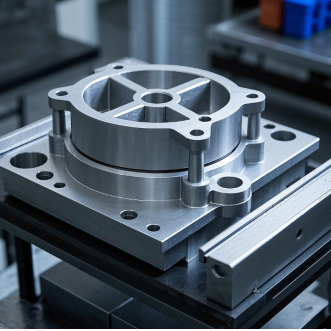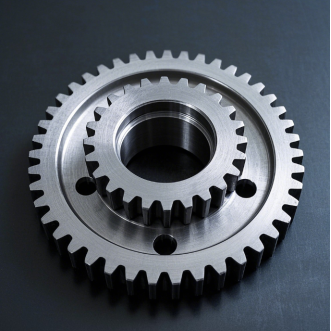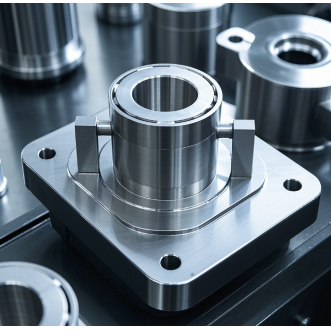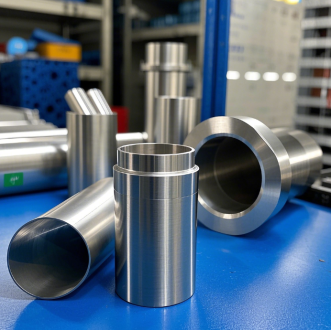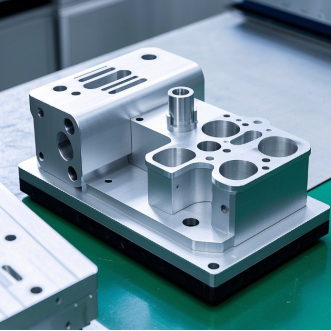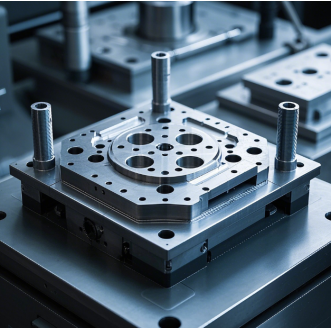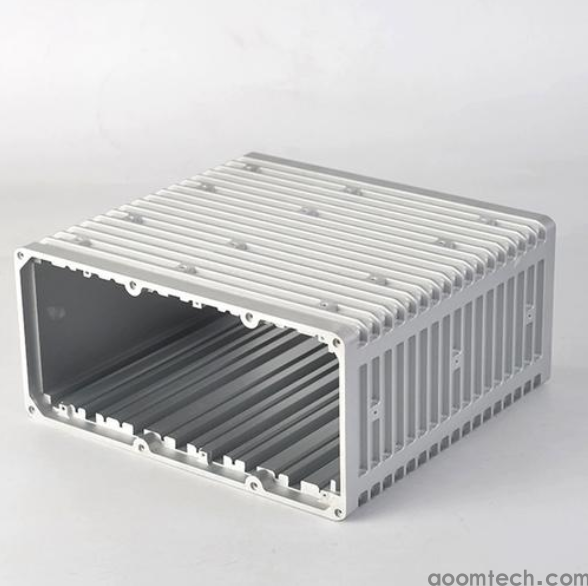
Custom Aluminum Enclosure CNC Machining & Manufacturing
Custom aluminum enclosure CNC machining and manufacturing is a modern and highly reliable method used to produce protective housings for electronic, industrial, and medical components. These enclosures are designed to protect sensitive internal parts from physical damage, dust, moisture, and electromagnetic interference while also improving product appearance and usability.
As industries continue to demand more compact, durable, and customized products, the need for precision-engineered aluminum enclosures has grown significantly. CNC (Computer Numerical Control) machining plays a key role in meeting these demands by delivering high accuracy, repeatability, and design flexibility.
The Significance of Custom Aluminum Enclosures
Custom aluminum enclosures are essential in many modern products. They act as protective shells that ensure internal components function safely and reliably. Without proper enclosures, electronic devices and industrial systems would be exposed to environmental risks such as dust, water, vibration, and heat.
Another important role of these enclosures is structural support. They help hold components in place and maintain alignment during operation. In addition, aluminum provides a clean and professional appearance, making it ideal for consumer and industrial products.
The demand for custom solutions has increased because standard enclosures often cannot meet specific size, layout, or performance requirements. This is where CNC machining and manufacturing become essential, allowing precise customization for every application.
Advantages of CNC Machining for Custom Aluminum Enclosures
Precision and Accuracy
One of the biggest advantages of CNC machining is its high precision. Computer-controlled machines follow exact instructions from digital designs, ensuring tight tolerances and consistent results.
This level of accuracy is critical for custom aluminum enclosures because internal components such as circuit boards, connectors, and displays must fit perfectly. Even small errors can lead to misalignment, assembly issues, or product failure.
For example, in the electronics industry, precise enclosure dimensions ensure proper installation of PCBs and prevent movement during operation. This improves both performance and product lifespan.
Design Flexibility
CNC machining offers excellent design flexibility, which is one of the key benefits in custom aluminum enclosure CNC machining & manufacturing. Designers can create complex shapes, detailed cutouts, internal mounts, and ventilation patterns using CAD/CAM software.
This flexibility allows manufacturers to produce enclosures that match both functional and aesthetic requirements. For example, some devices require ergonomic shapes for handheld use, while others need precise ventilation slots for heat dissipation.
Intricate designs such as logo engraving, curved edges, and multi-level cavities are also possible, helping companies create unique and branded products.
Production Efficiency
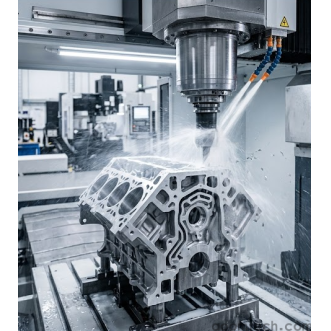
CNC machining is highly efficient once programming is completed. Machines can operate continuously with minimal human intervention, reducing production time and labor costs.
Automated tool changing and high-speed cutting improve productivity even further. This makes CNC machining suitable for both small-batch prototypes and large-scale production runs.
As a result, manufacturers benefit from lower costs, faster turnaround times, and consistent product quality, making CNC machining a preferred solution for enclosure production.
The CNC Machining and Manufacturing Process for Custom Aluminum Enclosures
Design and Programming
The process begins with product design using CAD (Computer-Aided Design) software. Engineers create a 3D model of the aluminum enclosure based on functional requirements such as internal component layout, ventilation, mounting points, and external dimensions.
After the design is completed, CAM (Computer-Aided Manufacturing) software converts the model into machine-readable code. This code defines toolpaths, cutting speeds, feed rates, and machining depth.
Accurate programming is essential because it directly affects machining quality, surface finish, and dimensional accuracy.
Machine Setup and Tooling
Once the CNC program is ready, the machine setup begins. The aluminum workpiece is securely fixed using specialized fixtures to prevent movement during machining.
Since aluminum is relatively soft, proper clamping is important to avoid deformation while maintaining stability during cutting operations.
Tool selection is also critical. Common tools include carbide end mills, drills, and engraving cutters. Each tool is selected based on the machining task, such as milling surfaces, drilling holes, or cutting complex shapes.
Machine parameters like spindle speed and feed rate are adjusted according to aluminum grade and part geometry.
Machining Operations
Milling
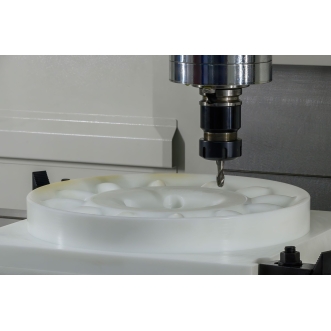
Milling is one of the most important operations in enclosure manufacturing. It is used to create flat surfaces, slots, pockets, and ventilation openings.
Different cutting tools are used depending on the required shape. For example, square end mills are used for straight edges, while ball nose tools are used for curved surfaces.
Proper adjustment of cutting speed and feed rate ensures smooth surface finish and accurate dimensions.
Drilling
Drilling is used to create holes for screws, connectors, and ventilation. Hole accuracy is important for proper assembly and component installation.
The correct drill size, speed, and feed rate must be selected to avoid tool wear, burr formation, or misaligned holes.
In custom aluminum enclosure CNC machining & manufacturing, precision drilling ensures reliable mechanical assembly and structural integrity.
Material Considerations for Custom Aluminum Enclosures
Aluminum Alloy Selection
Choosing the right aluminum alloy is important for performance and durability. Different alloys offer different levels of strength, corrosion resistance, and machinability.
For example, 6061 aluminum is widely used due to its balanced strength and excellent machinability. It is suitable for most general-purpose enclosures.
On the other hand, 5052 aluminum offers higher corrosion resistance, making it ideal for outdoor or marine environments.
Material Thickness
Material thickness affects both strength and weight. Thicker materials provide better protection and rigidity but increase weight and cost.
Thin materials are lighter and easier to machine but may not be suitable for heavy-duty applications.
Engineers select thickness based on enclosure size, load requirements, and environmental conditions.
Quality Control in Custom Aluminum Enclosure CNC Machining & Manufacturing
In-Process Inspection
Quality control begins during machining. Operators continuously monitor dimensions, surface finish, and tool condition.
Measurement tools such as calipers, micrometers, and surface testers are used to ensure accuracy.
If any deviation is detected, adjustments are made immediately to avoid defects in the final product.
Final Inspection
After machining is completed, the enclosure undergoes a final inspection. This includes dimensional verification, surface quality checks, and functional testing.
Coordinate Measuring Machines (CMM) are often used to ensure all dimensions match the design specifications.
Non-conforming parts are either reworked or rejected, depending on the severity of the issue.
Strong quality control in custom aluminum enclosure manufacturing ensures reliability, consistency, and customer satisfaction.
Applications of Custom Aluminum Enclosures
Electronics Industry
In electronics, aluminum enclosures are used to protect circuit boards, power supplies, and communication devices. They also help reduce electromagnetic interference (EMI), improving signal stability and device performance.
Compact and lightweight designs made possible through CNC machining support modern trends in miniaturization and portable electronics.
Industrial Control Systems
Industrial environments require durable enclosures that can withstand dust, vibration, and moisture. Custom aluminum enclosures protect control panels, sensors, and automation systems.
They can be tailored to fit specific machines or factory layouts, improving system integration and reliability.
Medical Equipment
In the medical field, cleanliness and precision are critical. Aluminum enclosures are used in diagnostic devices, monitoring equipment, and laboratory instruments.
The smooth surface of CNC-machined aluminum makes cleaning easier and supports hygienic requirements in medical environments.
Conclusion: Mastering Custom Aluminum Enclosure CNC Machining & Manufacturing
Custom aluminum enclosure CNC machining & manufacturing is a highly effective solution for producing precise, durable, and customizable protective housings. It combines advanced digital design, precise machining technology, and strict quality control to deliver high-performance products.
Understanding the advantages of CNC for custom aluminum enclosures, the CNC machining process for custom aluminum enclosures, and material selection principles helps manufacturers achieve better results in both quality and efficiency.
As industries continue to evolve, CNC machining will remain a key technology for producing advanced enclosure solutions. Staying updated with new machining techniques, tooling improvements, and material innovations will help ensure long-term success in this field.
RELATED PRODUCTS
-
Medical Brass CNC Machining Parts
-
Precision CNC Machining PEEK Services
-
Precision Custom CNC Machined Car Parts
-
cnc machining optical housings
-
Precision CNC Casting Machining Services
-
Precision Gear CNC Machining Services
-
Precision Stainless Steel Parts CNC Mach
-
CNC Machining of Precision Aluminum Tube
-
CNC Machining of Large Precision Aluminu
-
CNC Machining & Manufacturing of Pre