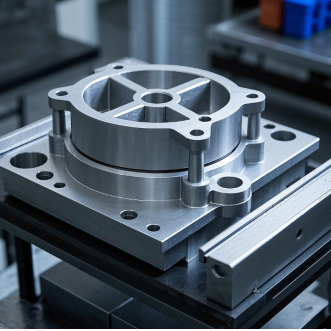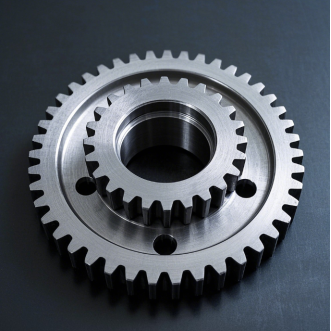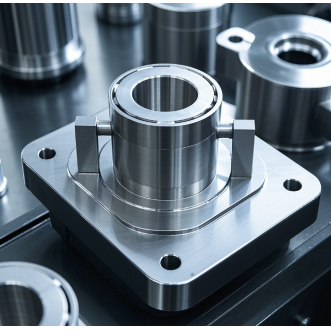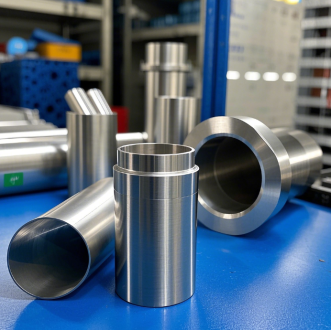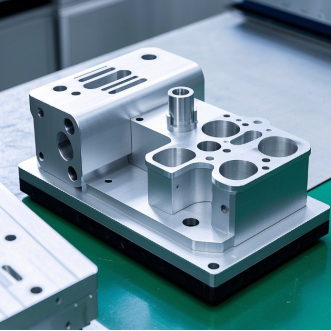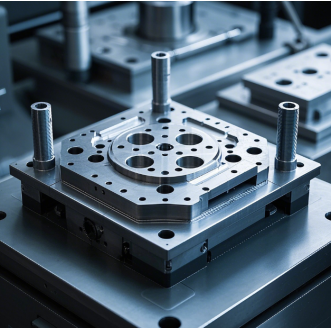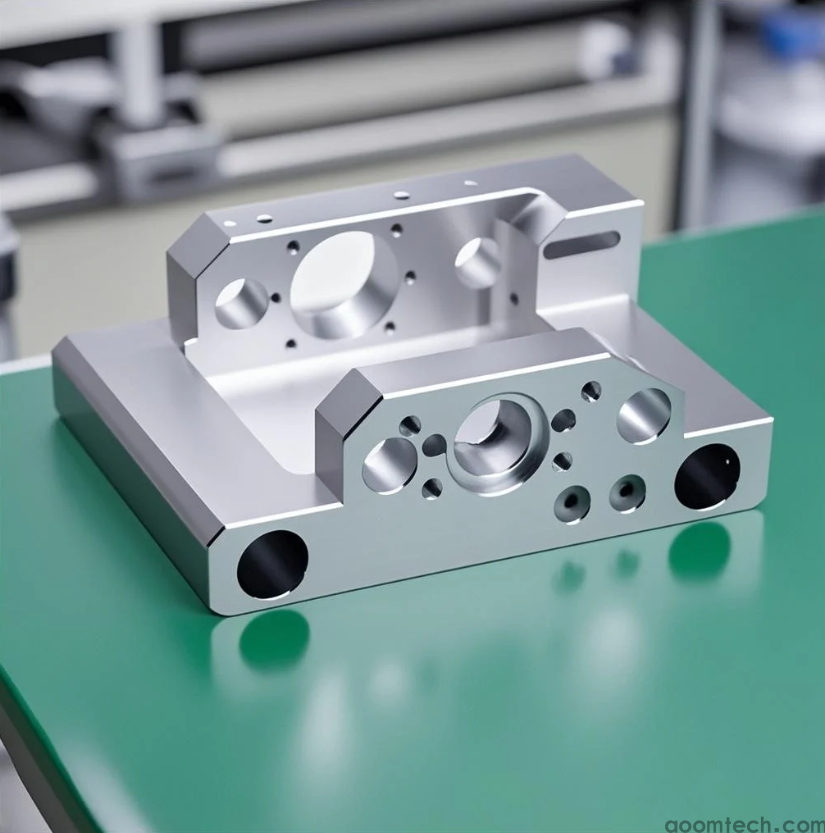
Custom CNC Machining Parts According to Drawings
Custom CNC Machining Parts According to Drawings play an important role in modern manufacturing. Many industries need parts that are not available in standard sizes or shapes. In these cases, custom CNC machining provides a reliable way to produce parts exactly as designed in technical drawings.
This article explains the full process of custom CNC machining from drawings, why it is important, and how manufacturers turn ideas into real, precise components. It also covers materials, quality control, and how to choose the right service provider.
Introduction to Custom CNC Machining Parts According to Drawings
Custom-made parts are essential in many industries such as automotive, aerospace, medical equipment, robotics, and industrial machinery. Standard parts often cannot meet special design needs, so engineers use drawings to create unique components.
With CNC (Computer Numerical Control) machining, machines follow digital instructions to cut and shape materials. This ensures the final part matches the drawing with high accuracy. Understanding this process is important for engineers, product designers, and manufacturers because it helps reduce errors, improve efficiency, and ensure product quality.
The Process from Drawing to Finished Part
Drawing Interpretation
The first step is reading and understanding the technical drawing. This includes dimensions, tolerances, surface finish requirements, and special design features.
Machinists carefully study symbols such as:
± tolerance values (e.g., ±0.01 mm for accuracy limits)
GD&T symbols for geometric control
Surface roughness marks (e.g., Ra 1.6)
Clear communication between designers and machinists is very important. If something in the drawing is unclear, it must be confirmed before production starts.
CNC Programming
After understanding the drawing, the next step is CNC programming. Using CAD/CAM software, engineers convert the drawing into machine instructions.
They define:
Toolpaths
Cutting speed
Feed rate
Depth of cut
The quality of programming directly affects the final part. Complex shapes or hard materials require more detailed programming to ensure precision and efficiency.
Machine Setup and Tooling
Before machining starts, the CNC machine must be properly set up. Fixtures are used to hold the raw material securely in place.
Tool selection is also very important. Common tools include:
Carbide end mills for milling
Drills for hole making
Turning inserts for lathe operations
Machine settings such as spindle speed and feed rate are adjusted according to material type and machining requirements.
Machining Operations
Milling
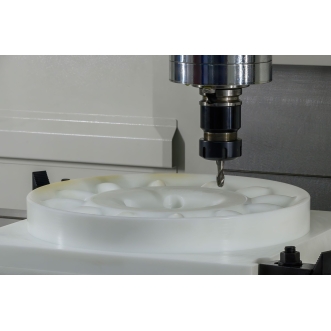
Milling is used to create flat surfaces, slots, holes, and complex shapes. Different tools are used depending on the shape:
Square end mills for straight cuts
Ball nose end mills for curved surfaces
Correct cutting speed and feed rate help achieve accurate size and smooth surface finish.
Turning
Turning is used for cylindrical parts. The material rotates while the cutting tool removes material to form the required shape.
Key points include maintaining concentricity and achieving a smooth surface finish. Proper tool selection helps reduce vibration and improve accuracy.
Quality Inspection
Quality control is a critical step in CNC machining. Parts are inspected during and after production to ensure they meet drawing requirements.
Common inspection tools include:
Calipers and micrometers for measurement
Surface roughness testers
Coordinate Measuring Machines (CMM)
If a part does not meet specifications, it is either corrected or rejected depending on severity.
Benefits of CNC Machining for Custom-Made Parts
High Precision
CNC machining provides very high accuracy. Parts are produced exactly according to drawings with tight tolerances. This is especially important in industries like aerospace and automotive, where even small errors can cause serious problems.
Design Flexibility
CNC machining allows complex and detailed designs. Engineers can create unique shapes that are difficult or impossible with traditional methods. This includes internal structures, curved surfaces, and custom geometries.
Cost-Effectiveness in Small-Batch Production
Once the CNC program is created, it can be reused for multiple parts. This reduces setup time and production cost, making CNC machining ideal for small and medium production runs.
Material Selection for Custom CNC Machined Parts
Metals
Different metals are used depending on the application:
Steel: High strength and durability, used in heavy-duty applications
Aluminum: Lightweight and easy to machine, widely used in aerospace and electronics
Titanium: High strength-to-weight ratio, used in medical and aerospace parts
Each metal requires different machining conditions. For example, titanium needs strong cooling due to heat buildup during cutting.
Plastics
Plastics such as polypropylene, polyethylene, and PEEK are also commonly used.
They offer benefits like:
Lightweight structure
Corrosion resistance
Electrical insulation
However, plastics require careful machining because they can melt or deform easily. Sharp tools and slower cutting speeds are recommended.
How to Choose a CNC Machining Service Provider for Custom Parts
Experience and Expertise
Experience is very important when selecting a machining company. A skilled provider understands how to handle different materials, tolerances, and complex designs.
It is helpful to check:
Years of industry experience
Past project examples
Specialization in your required industry
Quality Assurance
A reliable provider must have strong quality control systems. This includes in-process inspection, final testing, and calibrated equipment.
Certifications such as ISO 9001 show that the company follows international quality standards.
Cost and Lead Time
Cost and delivery time are also important factors. Always compare multiple suppliers and request detailed quotations.
When evaluating options, consider:
Material cost
Machining cost
Finishing cost
Production time
A good balance between price, quality, and delivery time ensures successful project results.
Conclusion: Successfully Obtaining Custom CNC Machining Parts According to Drawings
Custom CNC machining is a precise and efficient way to produce parts based on technical drawings. From drawing interpretation to final inspection, each step plays an important role in ensuring product quality.
The key takeaways include:
Clear and accurate drawings reduce production errors
Proper CNC programming ensures high precision
Material selection affects performance and cost
Strong quality control ensures reliable results
By understanding the full process of Custom CNC Machining Parts According to Drawings and applying best practices, manufacturers and designers can achieve high-quality, cost-effective, and reliable custom components.
Careful communication with your machining partner is always the final key to success.
RELATED PRODUCTS
-
Medical Brass CNC Machining Parts
-
Precision CNC Machining PEEK Services
-
Precision Custom CNC Machined Car Parts
-
cnc machining optical housings
-
Precision CNC Casting Machining Services
-
Precision Gear CNC Machining Services
-
Precision Stainless Steel Parts CNC Mach
-
CNC Machining of Precision Aluminum Tube
-
CNC Machining of Large Precision Aluminu
-
CNC Machining & Manufacturing of Pre