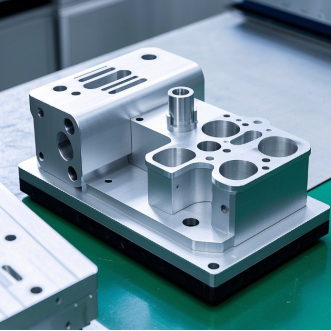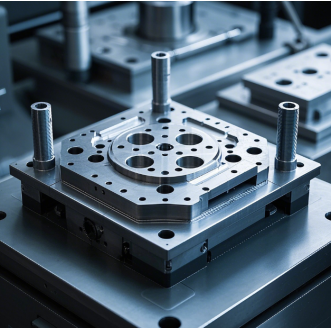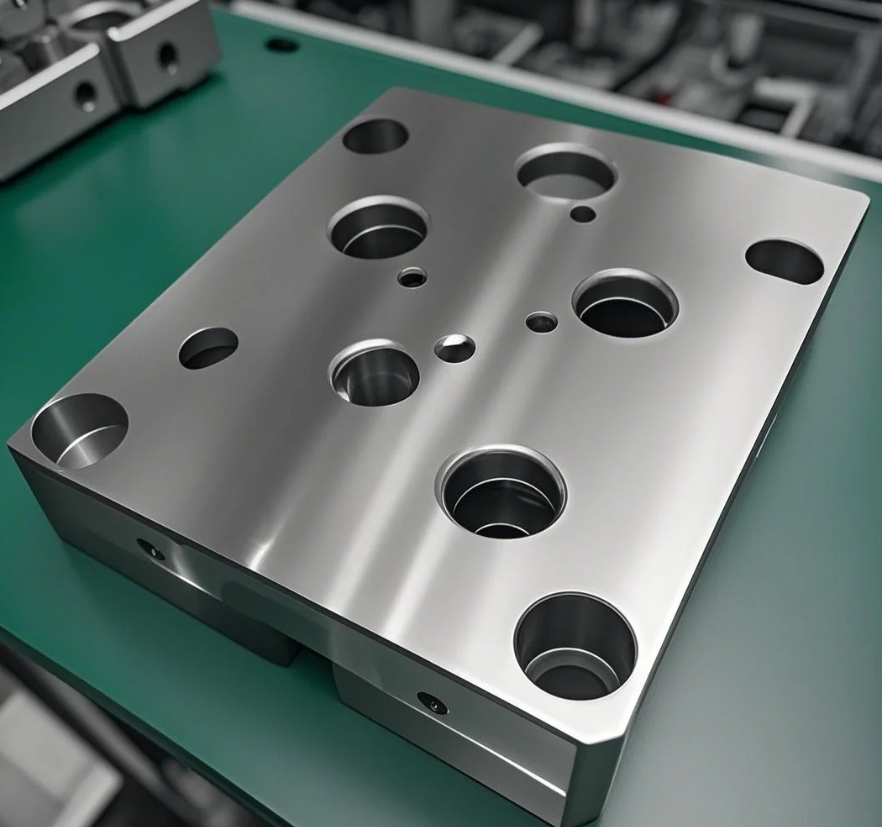
Custom CNC Machining Service for Precision parts
Custom CNC Machining Service for Precision parts plays a key role in modern manufacturing industries where accuracy, repeatability, and reliability are required. From aerospace and medical devices to electronics and automotive systems, precision parts must meet strict standards. CNC (Computer Numerical Control) machining makes it possible to produce these parts with high accuracy based on digital designs.
This article explains the significance of custom CNC machining for precision parts, the full production process, key benefits, common challenges, and how to choose the right service provider. It is designed to help readers make informed decisions in real manufacturing projects.
The Significance of Custom CNC Machining for Precision parts
Meeting Specific Requirements
One of the most important advantages of CNC machining is its ability to produce parts that match exact customer requirements. Every industry has different needs, especially when it comes to precision components.
For example, in the aerospace industry, engine components and structural parts must withstand extreme temperatures, pressure, and vibration. A custom CNC machined turbine bracket must be manufactured with extremely tight tolerances to ensure safety and performance during flight. Even a small error could affect fuel efficiency or structural stability.
High-precision Manufacturing
CNC machining enables extremely accurate and consistent production. Computer-controlled tools follow programmed instructions with high repeatability, ensuring every part matches the design specifications.
In the medical industry, for instance, orthopedic implants such as hip joints or bone screws must fit perfectly inside the human body. A custom CNC machined titanium implant ensures proper alignment, reduces patient discomfort, and improves recovery outcomes. This demonstrates the importance of precision and consistency in manufacturing.
Process of Custom CNC Machining Service for Precision parts
Design and Consultation
The process begins with design review and consultation. The customer provides technical drawings or 3D models, and the service provider evaluates whether the design is suitable for manufacturing.
For example, a manufacturer may suggest modifying a deep cavity in a precision part to reduce machining time and cost. These small improvements can make production more efficient without affecting performance or quality.
Material Selection
Material selection is a critical step in the process of custom CNC machining service for precision parts. Different materials have different mechanical properties such as hardness, strength, corrosion resistance, and heat resistance.
For example, aluminum is lightweight and easy to machine, making it suitable for electronics housings. Stainless steel is stronger and more resistant to corrosion, often used in medical and industrial components. Harder materials require slower cutting speeds and stronger tools, which can affect machining time and cost.
CNC Machining Operations
Milling
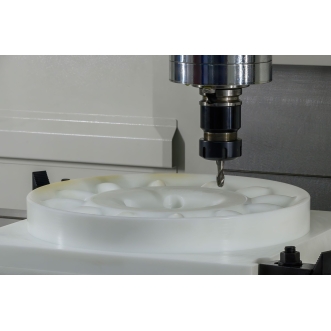
Milling is used to create flat surfaces, grooves, slots, and complex 3D shapes. High-precision milling often uses carbide or diamond-coated tools to ensure durability and accuracy.
To achieve high precision, machinists may use slow cutting speeds and light feed rates. This reduces vibration and tool deflection, improving surface finish and dimensional accuracy.
Turning
Turning is used for cylindrical parts such as shafts, pins, and bushings. The material rotates while a cutting tool removes excess material.
Precision turning requires careful control of speed and tool alignment. Carbide inserts are commonly used, and the setup must ensure perfect concentricity to meet tight tolerance requirements.
Drilling and Boring
Drilling creates holes, while boring refines and enlarges them to precise dimensions. These processes are essential for parts that require accurate hole placement.
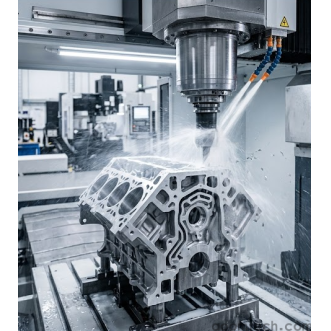
Coolant is often used to reduce heat and prevent tool wear. Proper feed control is also important to avoid damaging the material or breaking the tool.
Quality Control and Inspection
Quality control ensures that all parts meet design specifications. Tools such as calipers, micrometers, and Coordinate Measuring Machines (CMMs) are used for inspection.
For example, a CMM may detect a small deviation in hole position on a batch of precision parts. The issue can then be corrected before shipment, preventing product failure in the final application.
Finishing and Post-processing
Finishing processes improve the performance and appearance of machined parts. Common methods include heat treatment, anodizing, plating, and polishing.
For instance, a steel precision part may be heat-treated to increase hardness and then plated with a protective coating to improve corrosion resistance. This enhances both durability and service life.
Benefits of Custom CNC - machined Precision parts
Superior Quality
Custom CNC machining ensures consistent quality across all produced parts. Each component is manufactured according to precise specifications, reducing errors and improving reliability.
For example, electronic device housings produced through CNC machining often show consistent fit and finish, leading to better assembly performance and longer product lifespan.
Cost-effectiveness for Medium-to-Large Batches
While CNC machining may have setup costs, it becomes highly cost-effective for medium and large production runs. Material waste is reduced, and production efficiency improves over time.
A company producing thousands of precision brackets, for example, can reduce per-unit cost significantly compared to manual machining or casting methods.
Quick Turnaround for Prototyping
CNC machining is also ideal for rapid prototyping. Once the design is ready, machines can quickly produce test parts without the need for complex tooling.
This allows companies to test designs early, make improvements, and speed up product development cycles, especially in fast-moving industries like consumer electronics.
Challenges in Custom CNC Machining Service for Precision parts
Meeting Tight Tolerances
Precision parts often require extremely tight tolerances. Factors such as tool wear, machine vibration, and temperature changes can affect accuracy.
For example, slight tool wear during long production runs may cause dimensional deviation. To solve this, operators regularly inspect tools and adjust machining parameters to maintain accuracy.
Tool Wear and Breakage
Hard materials like stainless steel or titanium can cause rapid tool wear. This increases production cost and requires frequent tool replacement.
For example, diamond-coated tools may be used for hard materials, but even these tools can wear out during long machining cycles. Proper coolant use and optimized cutting paths help extend tool life.
Complex Part Geometries
Modern precision parts often have complex shapes that require advanced programming and multi-axis machining.
For example, a part with internal channels or curved surfaces may require multiple machining steps and simulation testing before final production. This increases setup time and requires experienced operators.
Choosing a Custom CNC Machining Service Provider for Precision parts
Experience and Expertise
When selecting a provider, experience is one of the most important factors. An experienced company understands how to handle tight tolerances, material challenges, and complex designs.
A skilled provider can also suggest design improvements that reduce cost and improve manufacturability without affecting performance.
Quality Assurance Measures
A reliable service provider should have strong quality control systems in place. This includes in-process inspections, final testing, and the use of calibrated measuring tools.
Certifications and documentation also help ensure that parts meet international quality standards.
Cost-effectiveness and Pricing Transparency
Pricing is important, but transparency is even more critical. A good provider clearly explains material costs, machining time, tooling fees, and finishing charges.
Comparing multiple quotes helps customers understand market pricing and choose the best balance between cost and quality.
Conclusion: Selecting the Right Custom CNC Machining Service for Precision parts
The Custom CNC Machining Service for Precision parts is essential for industries that demand accuracy, durability, and consistency. Understanding the significance of custom CNC machining for precision parts, the full production process, benefits, challenges, and selection criteria helps businesses make better decisions.
High-quality precision parts depend not only on advanced machines but also on skilled engineers, strict quality control, and proper material selection. By carefully evaluating providers and understanding the challenges in custom CNC machining service for precision parts, companies can reduce risks and improve product performance.
If you are planning a project, start by comparing providers and reviewing their capabilities. A well-chosen partner can significantly improve product quality and manufacturing efficiency.
RELATED PRODUCTS
-
Medical Brass CNC Machining Parts
-
Precision CNC Machining PEEK Services
-
Precision Custom CNC Machined Car Parts
-
cnc machining optical housings
-
Precision CNC Casting Machining Services
-
Precision Gear CNC Machining Services
-
Precision Stainless Steel Parts CNC Mach
-
CNC Machining of Precision Aluminum Tube
-
CNC Machining of Large Precision Aluminu
-
CNC Machining & Manufacturing of Pre