Custom CNC Machining Services for Parts
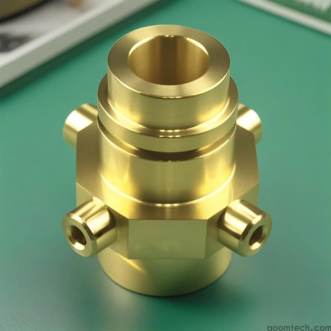
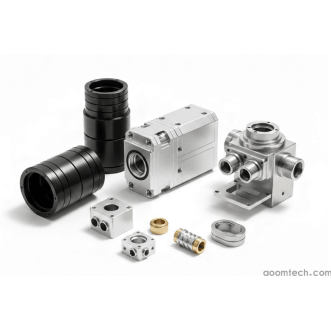
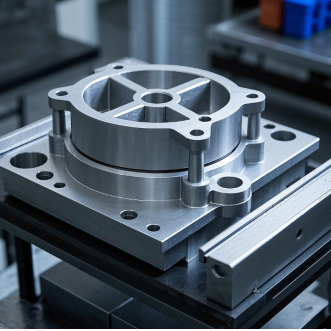
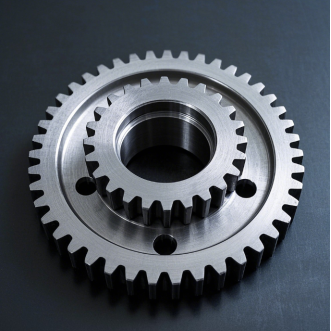
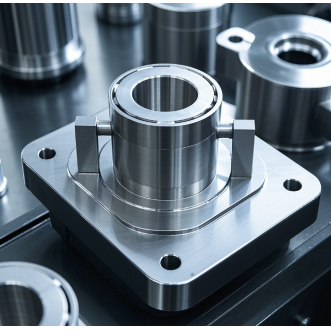
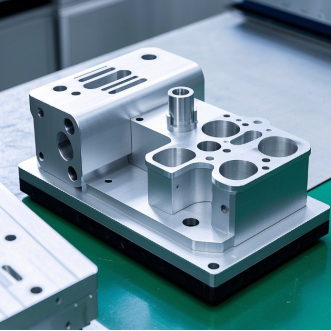
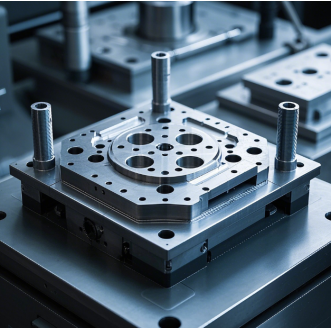
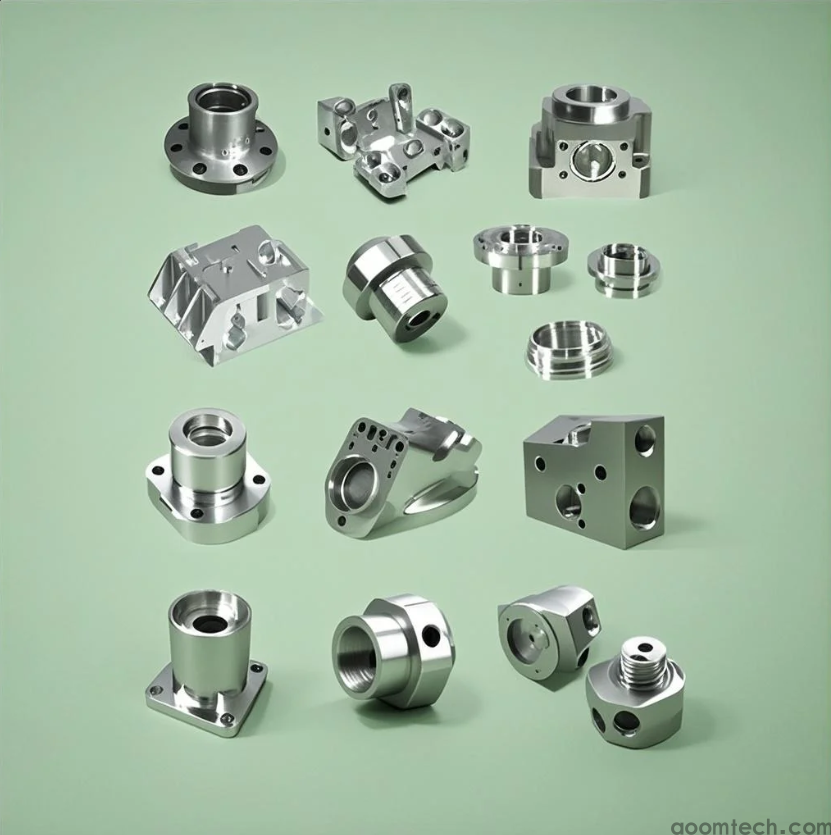
In modern manufacturing, Custom CNC Machining Services for Parts play an important role in producing precise and reliable components for many industries. These services help companies create parts based on specific designs, ensuring that every product meets exact requirements for size, shape, and function.
Introduction to Custom CNC Machining Services for Parts
The demand for custom-made components continues to grow in industries such as automotive, aerospace, medical, and general manufacturing. Standard parts are often not enough when products require special performance or unique designs. This is where custom CNC machining becomes essential.
Custom CNC machining services use computer-controlled machines to produce highly accurate parts from digital designs. This process improves innovation, supports product development, and helps companies reduce costs while improving quality and efficiency.
The significance of custom CNC machining in part production lies in its ability to deliver precise and repeatable results. Whether it is for specialized machinery, replacement components, or new product development, these services ensure consistent quality and fast production.
Advantages of Custom CNC Machining for Parts
High Precision Manufacturing
One of the biggest advantages of custom CNC machining for parts is high precision. CNC machines follow programmed instructions to produce parts with very tight tolerances.
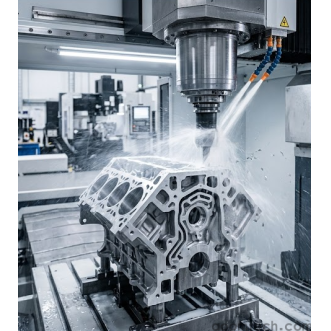
For example, in high-performance automotive engines, custom-machined components such as pistons or shafts must fit perfectly. Even a small error can affect engine efficiency. CNC machining ensures accuracy, reduces wear, and improves performance.
Design Flexibility
CNC machining allows engineers to create complex and detailed shapes that are difficult to achieve with traditional methods. This flexibility supports innovation and advanced product design.
For instance, in medical devices, a custom part may include internal fluid channels for controlled flow. CNC machines can produce these detailed structures accurately, helping bring advanced medical solutions to life.
Material Compatibility
Another key advantage is the ability to work with a wide range of materials, including aluminum, steel, titanium, plastics, and composites.
For example, electronic device housings made from plastic require careful machining settings to avoid melting or deformation. CNC processes can be adjusted based on material properties to ensure high-quality results.
Process of Custom CNC Machining Parts
Design and CAD/CAM Programming
The process of custom CNC machining parts begins with CAD (Computer-Aided Design). Engineers create a 3D model based on functional requirements, load conditions, and design standards.
Next, CAM (Computer-Aided Manufacturing) software converts the design into machine instructions. These instructions define tool paths, cutting speeds, and machine movements.
For example, an industrial robot arm component may require multi-axis machining. Engineers must carefully program tool movements to ensure smooth curves and precise dimensions.
Material Selection and Preparation
Choosing the right material is essential for performance and durability. Different materials require different machining strategies.
For example, high-strength steel needs slower cutting speeds and stronger tools, while aluminum allows faster machining. Materials may also be pre-treated through heat treatment to improve machinability and strength.
Machining Operations
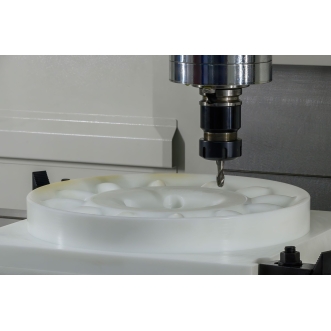
Milling: Used for flat surfaces, grooves, and complex shapes. Milling tools remove material layer by layer. Proper cutting speed and feed rate are important for surface quality.
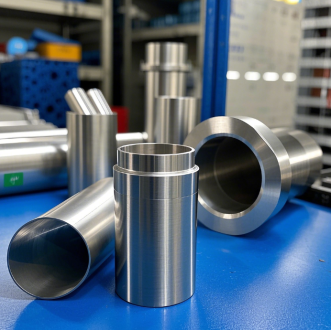
Turning: Used for cylindrical parts. The material rotates while the cutting tool shapes it. This process is essential for shafts, rods, and circular components.
Drilling: Used to create precise holes. Drill selection, coolant use, and pressure control are important to prevent damage and ensure accuracy.
Finishing Operations
After machining, parts may go through finishing processes such as polishing, coating, or heat treatment. These steps improve appearance, strength, and resistance to corrosion.
For example, marine components often receive protective coatings to prevent rust and extend service life in harsh environments.
Benefits of Custom CNC-Machined Parts
Enhanced Product Performance
The benefits of custom CNC-machined parts include improved product performance. Accurate dimensions and high-quality materials lead to better function and longer lifespan.
For example, in manufacturing machines, precise components improve movement accuracy and increase production efficiency.
Cost-Effectiveness for Small-Batch Production
CNC machining is cost-effective for small and medium production runs because it does not require expensive molds or tooling changes.
A startup company producing prototypes can save significant costs by using CNC machining instead of traditional manufacturing methods.
Quick Turnaround Times
Once a CNC program is ready, production can begin immediately. This makes it ideal for urgent projects and rapid prototyping.
For example, companies preparing for product launches often rely on CNC machining to deliver parts within tight deadlines.
Challenges in Custom CNC Machining Services for Parts
Complex Programming and Setup
One major challenge in challenges in custom CNC machining services for parts is programming complexity. Intricate designs require advanced coding and multi-axis control.
A small programming error can result in defective parts, wasted materials, and production delays.
Tool Wear and Replacement
Hard materials such as titanium and high-strength steel cause faster tool wear. Frequent tool replacement increases production costs and time.
For example, long production runs may require multiple tool changes to maintain quality and precision.
Quality Control Requirements
Each part must meet strict quality standards. Even small variations can affect product assembly and performance.
If a batch of parts is not properly inspected, it may lead to assembly issues such as misalignment or early failure.
Choosing a Custom CNC Machining Service for Parts
Experience and Expertise
When choosing a custom CNC machining service for parts, experience is very important. Skilled providers understand different materials, designs, and machining challenges.
A reliable service provider should have a strong portfolio showing successful projects across industries such as aerospace, automotive, and electronics.
Quality Assurance Measures
A good provider should have strict quality control systems, including inspections during and after production. Precision measuring tools and certifications ensure consistent quality.
This helps prevent defects before parts are delivered to customers.
Cost-Effectiveness and Pricing Transparency
Clear pricing is important when selecting a supplier. Customers should understand material costs, machining fees, and finishing charges.
Comparing multiple quotes helps identify the best balance between price and quality.
Conclusion: Selecting the Ideal Custom CNC Machining Service for Parts
Custom CNC Machining Services for Parts provide a reliable and efficient solution for producing precise, high-quality components across many industries. From design and material selection to machining and finishing, each step contributes to the final product quality.
While there are challenges such as programming complexity and tool wear, the advantages—precision, flexibility, cost savings, and fast production—make CNC machining a valuable manufacturing method.
When selecting a service provider, consider experience, quality control systems, and pricing transparency. Carefully evaluating these factors will help ensure successful results and long-term product performance.
Start by reviewing potential suppliers and comparing their capabilities to find the best match for your project needs.
RELATED PRODUCTS
-
Medical Brass CNC Machining Parts
-
Precision CNC Machining PEEK Services
-
Precision Custom CNC Machined Car Parts
-
cnc machining optical housings
-
Precision CNC Casting Machining Services
-
Precision Gear CNC Machining Services
-
Precision Stainless Steel Parts CNC Mach
-
CNC Machining of Precision Aluminum Tube
-
CNC Machining of Large Precision Aluminu
-
CNC Machining & Manufacturing of Pre