Custom CNC Machining Services
Introduction to Custom CNC Machining Services
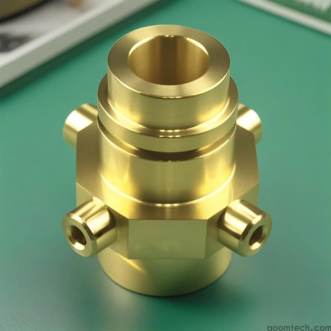
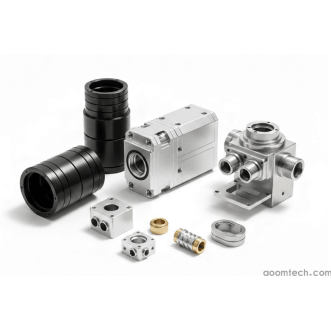
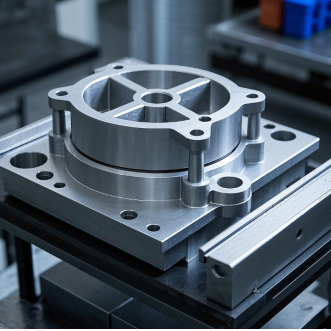
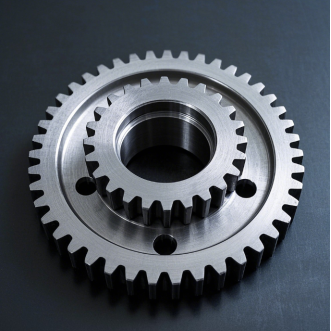
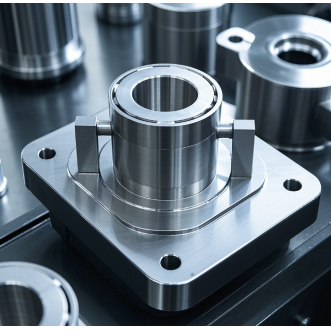
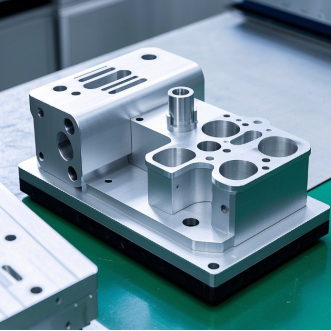
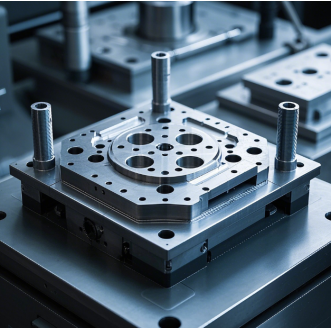
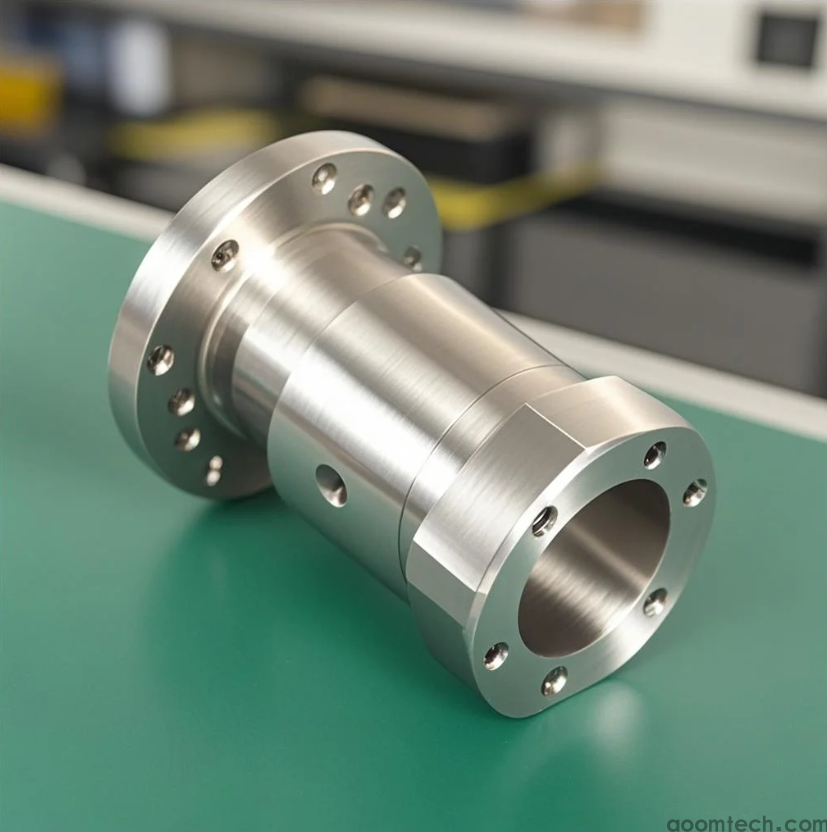
Custom CNC Machining Services refer to the process of producing parts and components using Computer Numerical Control (CNC) machines based on specific customer requirements. Instead of mass production of standard items, this method focuses on making unique, made-to-order parts designed for a particular function or application.
These services are widely used in industries such as aerospace, automotive, medical devices, electronics, robotics, and industrial manufacturing. For example, a company may need a custom-designed fixture to hold parts during assembly, or a research lab may require a one-of-a-kind mechanical component for an experimental machine. In both cases, Custom CNC Machining Services provide the precision and flexibility needed to bring complex ideas into reality.
Benefits of Custom CNC Machining Services
Precision and Accuracy
One of the main benefits of custom CNC machining services is extremely high precision. CNC machines follow programmed instructions with tight tolerances, often within microns. This ensures every part is produced exactly as designed.
This level of accuracy is essential in industries where safety and performance depend on perfect fit. For example, in the medical field, implants or surgical tools must match human anatomy precisely. Even a small deviation can affect functionality or patient safety.
Design Flexibility
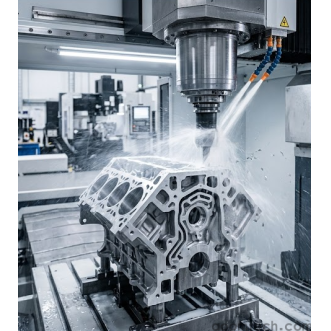
Custom CNC machining allows engineers to create highly complex and detailed designs that would be difficult or impossible using traditional manufacturing methods. CNC systems can produce intricate curves, internal cavities, and 3D geometries with consistency.
In aerospace engineering, for instance, components often require lightweight structures with complex aerodynamic shapes. CNC machining makes it possible to manufacture these advanced designs without compromising quality.
Cost-Effectiveness for Small-Batch Production
Another important advantage is cost efficiency in small production runs. While setup costs (such as programming and tooling) can be relatively high, the cost per unit becomes reasonable when producing small to medium batches.
This makes CNC machining ideal for startups, prototype development, and specialized manufacturing. Many small manufacturers rely on custom CNC machining services for small-batch production because it allows them to produce high-quality parts without investing in expensive mass-production tooling.
The Process of Custom CNC Machining Services
Design and Engineering
The process begins with design and engineering. Customers typically provide CAD (Computer-Aided Design) files or detailed technical drawings. These files describe the exact dimensions, shape, and function of the part.
If needed, engineers from the CNC service provider may review and optimize the design to improve manufacturability. This step is critical because a well-prepared design reduces errors and ensures smooth production.
Material Selection
Material selection is a key step in the process of custom CNC machining. The choice depends on the application, environment, and performance requirements of the part.
Common materials include:
Aluminum: Lightweight, corrosion-resistant, and easy to machine.
Steel: Strong and durable, suitable for structural components.
Titanium: High strength-to-weight ratio, used in aerospace and medical applications.
Plastics: Cost-effective and versatile for non-metal parts and prototypes.
CNC Programming
After design approval, the CAD model is converted into a CNC program using CAM (Computer-Aided Manufacturing) software. This program defines toolpaths, cutting speeds, feed rates, and machining depth.
Accurate programming is essential. Poorly written instructions can lead to defects, wasted material, or incorrect dimensions. Skilled programmers ensure the machining process is efficient, safe, and precise.
Machining Operations
CNC machines perform several types of operations depending on the part design:
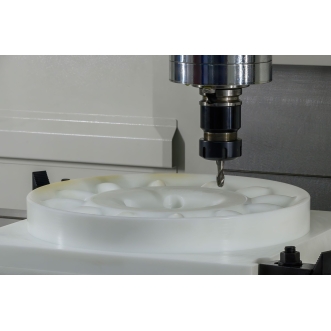
Milling: Used to create flat surfaces, slots, and complex 3D shapes.
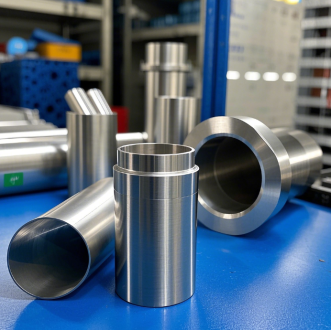
Turning: Produces cylindrical parts by rotating the material.
Drilling: Creates precise holes of different sizes.
Boring: Enlarges or refines existing holes for accuracy.
Each operation is carefully selected to match the design requirements and ensure the final product meets specifications.
Quality Control
Quality control is an essential part of custom CNC machining services. It ensures every part meets required standards for accuracy, strength, and surface finish.
Inspections are performed during and after production using precision measuring tools such as calipers, micrometers, and coordinate measuring machines (CMM). If a part does not meet specifications, it may be reworked or discarded.
Many professional providers follow international standards such as ISO 9001 to ensure consistent quality management and reliability.
How to Choose a Custom CNC Machining Service Provider
Experience and Expertise
When choosing a custom CNC machining provider, experience is one of the most important factors. A company with years of experience is more likely to understand complex requirements and handle technical challenges effectively.
Providers with industry-specific experience (such as aerospace or medical manufacturing) often deliver better results because they are familiar with strict technical standards.
Capabilities and Equipment
Modern equipment plays a major role in production quality. A reliable provider should have advanced CNC machines, including multi-axis systems such as 3-axis, 4-axis, and 5-axis machines.
More advanced machines allow for greater design complexity, faster production, and improved precision. In addition, strong CAM software capabilities help improve efficiency and reduce errors.
Quality Assurance and Certifications
A trustworthy CNC service provider should have a strong quality assurance system. Certifications such as ISO 9001 demonstrate that the company follows internationally recognized quality standards.
It is also important to understand their inspection process, defect handling procedures, and quality tracking systems. These factors help ensure consistent product reliability.
Customer Service and Communication
Clear communication is essential for successful manufacturing projects. A good provider should respond quickly, provide regular updates, and be open to design feedback or changes.
Effective communication reduces misunderstandings and ensures that the final product matches expectations. This is especially important in custom projects where specifications may evolve during development.
Conclusion: Leveraging Custom CNC Machining Services
Summary and Key Takeaways
Custom CNC Machining Services offer a powerful solution for producing precise, high-quality, and customized parts across many industries. They combine advanced technology with engineering expertise to deliver reliable manufacturing results.
Key advantages include precision, design flexibility, and cost efficiency for small-batch production. Understanding the process of custom CNC machining—from design and material selection to programming, machining, and quality control—helps businesses make better decisions.
When choosing a custom CNC machining provider, consider experience, equipment, quality certifications, and communication practices. These factors directly influence product quality and project success.
By applying these principles and focusing on accurate specifications and strong collaboration with your supplier, businesses can fully benefit from modern CNC manufacturing and achieve consistent, high-performance results.
RELATED PRODUCTS
-
Medical Brass CNC Machining Parts
-
Precision CNC Machining PEEK Services
-
Precision Custom CNC Machined Car Parts
-
cnc machining optical housings
-
Precision CNC Casting Machining Services
-
Precision Gear CNC Machining Services
-
Precision Stainless Steel Parts CNC Mach
-
CNC Machining of Precision Aluminum Tube
-
CNC Machining of Large Precision Aluminu
-
CNC Machining & Manufacturing of Pre